Would you like to save this?
Pellet Smoker Recipe (That Anyone Can Master in a Weekend)
If you’ve been staring at that shiny pellet smoker on your patio thinking, “Okay… now what?” this Pellet Smoker Recipe guide is for you—simple, smoky, and perfect for real-life weeknights and laid-back weekends.
A Warm Welcome to Pellet Smoker Cooking
I’m a 50-year-old mom, backyard griller, and unapologetic smoked-meat lover here in the Midwest, and I’ll tell you this: getting a wood pellet smoker changed the way we do family dinners. It took the guesswork out of outdoor smoking recipes and made things feel… manageable. No babysitting a fire for hours, no wrestling with vents, just set the pellet smoker temperature, pour your pellets, and let the machine hum away.
This post is built around one “master” Pellet Smoker Recipe: a flexible, family-friendly smoked pork shoulder you can use for pulled pork sandwiches, tacos, nachos, or just straight off the cutting board. Along the way, I’ll show you how to adapt the same method and pellet smoker techniques for smoked ribs, smoked chicken, and even smoked turkey—so you can build your own little lineup of backyard smoker recipes.
Think of this as your comfy, real-world guide to pellet smoker meals: approachable enough for beginners, detailed enough for the “I’ve got three different kinds of pellets in the garage” folks.
Why You’ll Love This Pellet Smoker Recipe
You know what? Let’s just say this up front: smoking meat doesn’t have to be intimidating.
Here’s why this recipe works so well:
- Beginner-friendly, but flavor-packed – Designed as a go-to beginner pellet smoker recipe that still impresses seasoned barbecue fans.
- Hands-off cooking – Once you set the pellet smoker temperature, the grill does most of the work while you live your life.
- Low and slow perfection – Uses classic low and slow smoking for tender, juicy meat that practically falls apart.
- Flexible flavors – Works with hickory pellet smoking, mesquite, applewood, or a blend—choose your wood smoke flavor personality.
- Meal-prep gold – Makes a big batch of pulled pork you can freeze, reheat, and turn into several easy pellet smoker meals.
- Crowd-pleaser – Great for game day, graduation parties, weekend smoker cooking, or casual family smoker dinners.
- Budget-friendly cut of meat – Pork shoulder is forgiving, affordable, and perfect for long cook smoking.
- Easy to customize – Simple base rub and technique you can tweak into more advanced pellet smoker recipes over time.
Ingredients for the Master Pellet Smoker Recipe (Smoked Pork Shoulder)
This smoked pork shoulder recipe is my “anchor” pellet smoker recipe—once you’re comfortable with it, you’ll feel braver about other smoked barbecue recipes.
Pork & Rub
- 1 whole pork shoulder (Boston butt), 7–9 lbs
- Look for good marbling; fat equals flavor and moisture during long cook smoking.
- 2 tbsp kosher salt
- If using table salt, reduce slightly—it’s finer and saltier.
- 2 tbsp coarse black pepper
- 3 tbsp brown sugar, packed
- Light or dark both work; dark will give a deeper molasses note.
- 2 tbsp smoked paprika
- Regular paprika works, but smoked adds another layer of wood smoke flavor.
- 1 tbsp garlic powder
- 1 tbsp onion powder
- 2 tsp ground mustard
- 1–2 tsp chili powder (adjust for heat preference)
- 1 tsp cayenne pepper (optional, for a kick)
- 1 tsp ground cumin (for a deeper “barbecue dry rub” flavor)
Shortcut: You can absolutely use your favorite store-bought barbecue dry rub. Just make sure salt is listed in the ingredients so you don’t oversalt.
Binder & Moisture
- 2–3 tbsp yellow mustard
- This is just a binder for the rub; you won’t taste “mustard” in the final meat.
- ½ cup apple juice OR apple cider
- For spritzing; helps keep the bark moist and adds a touch of sweetness.
- ¼ cup apple cider vinegar (mixed with the apple juice if you like a tangier spritz)
Optional Finishing Sauce
- 1 cup barbecue sauce (your favorite brand; I like Sweet Baby Ray’s or Stubb’s)
- ¼ cup apple juice
- 1 tbsp Worcestershire sauce
- ½–1 tsp liquid smoke (optional, if you want extra smoky flavor without overdoing pellets)
Pellets
- Wood pellets for your smoker
- For classic smoked meat recipes:
- Hickory pellet smoking – strong, “traditional BBQ” flavor.
- Mesquite pellet smoking – bold and earthy; great if you like Texas-style smoked brisket recipe flavor.
- Applewood pellet smoking – milder and sweet; perfect for pork and poultry.
- For classic smoked meat recipes:
Directions: Step-by-Step Pellet Smoker Cooking
You don’t need to be a pitmaster to pull this off. Just take your time and follow the cues.
1. Prep the Pork Shoulder
-
Trim (lightly) if needed.
Place the pork shoulder on a cutting board. Trim off any loose flaps of fat, but leave most of the fat cap intact—it bastes the meat during low and slow smoking. -
Pat dry and add binder.
Pat the pork dry with paper towels. Rub a thin layer of yellow mustard all over the meat. It should look glossy, not goopy. -
Mix the rub.
In a small bowl, stir together salt, pepper, brown sugar, smoked paprika, garlic powder, onion powder, ground mustard, chili powder, cayenne, and cumin. -
Season generously.
Coat the entire shoulder with the rub, pressing it in with your hands. Don’t be shy—you want a full, even layer of seasoning. Let it sit at room temperature for 20–30 minutes while you get the pellet smoker grill going.
Tip: If you have time, wrap the seasoned meat and refrigerate it overnight. The flavor penetrates deeper, and you’ll get an even better bark.
2. Set Up the Pellet Smoker Grill
-
Fill the hopper with pellets.
Add your chosen wood pellets (hickory, mesquite, applewood, or a blend) to the hopper. Make sure you’ve got plenty; this is a long cook smoking session. -
Preheat the smoker.
Set your pellet smoker temperature to 225°F for classic low and slow smoking. Close the lid and let it preheat for 15–20 minutes, until it’s running steady. -
Clean and oil the grates.
Brush the grates and lightly oil them with a high-heat oil (canola, avocado) on a paper towel. This helps prevent sticking and keeps your bark clean.
3. Start Smoking: Low and Slow
-
Place the pork shoulder on the smoker.
Set it directly on the grates, fat side up, in the center of the cooking area. Insert a meat probe (if your smoker has one) into the thickest part, avoiding bone. -
Smoke at 225°F.
Close the lid and smoke for about 4 hours without opening the smoker too often. The more you peek, the longer it takes. -
Begin spritzing.
After the first 2–3 hours, mix your apple juice (and apple cider vinegar if using) in a spray bottle. Lightly spritz the pork every hour. This builds a beautiful, flavorful bark and adds moisture.
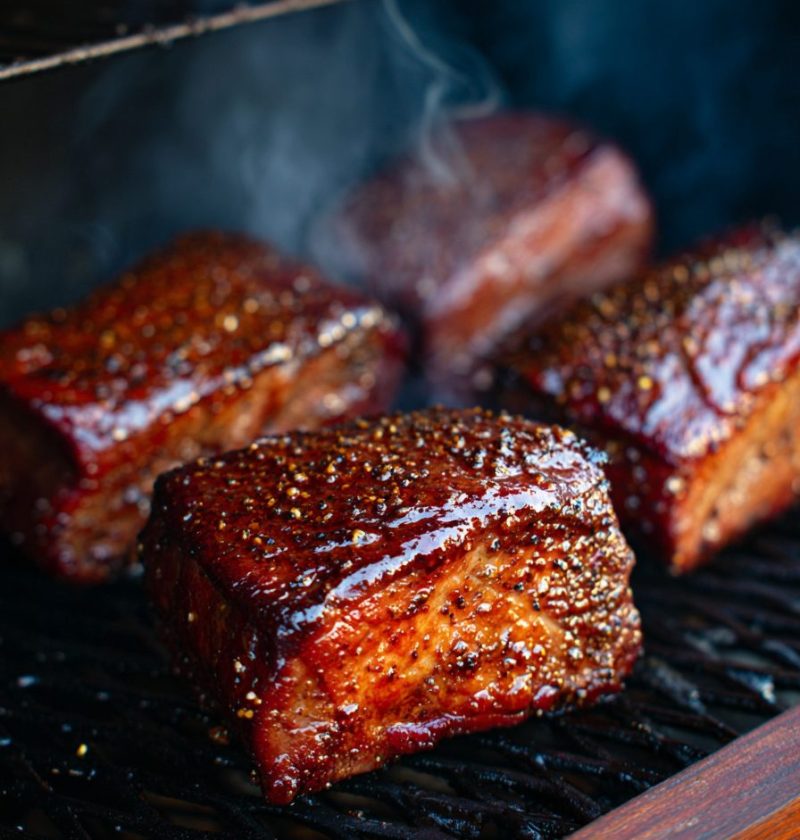
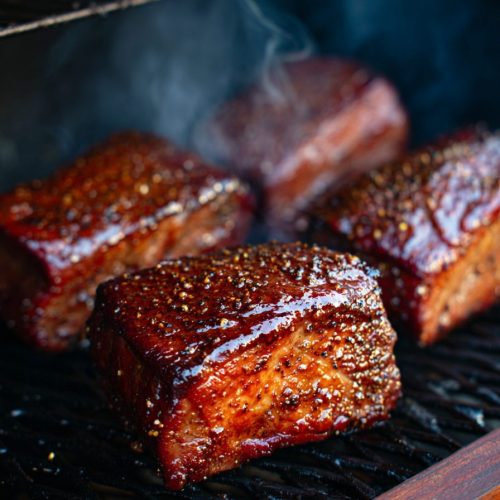
Sensory cue: The outer crust should gradually darken to a deep mahogany color. It’ll smell like a backyard barbecue competition—this is your sign things are going right.
4. Power Through “The Stall” (Wrap Time)
-
Watch for the stall.
Around 150–165°F internal temperature, the meat will “stall” and seem to stop climbing in temp. This is totally normal as moisture evaporates from the meat. -
Wrap the shoulder.
When the bark looks deep and set (usually around 160°F), remove the pork briefly and wrap it tightly in heavy-duty foil or peach butcher paper. This helps push it through the stall and keeps it juicy. -
Return to the smoker.
Place the wrapped shoulder back on the grates, seam side up, and continue cooking at 225–250°F until the internal temperature reaches 200–205°F.
Time estimate: Total cook time is usually 8–12 hours, depending on the size of your shoulder and your exact pellet smoker grill. Think of it as an all-day project with lots of hands-off time.
5. Rest and Shred
-
Let it rest.
When the pork hits 200–205°F and a probe slides in with almost no resistance (like soft butter), remove it from the smoker and keep it wrapped. Let it rest in a cooler or on the counter (tented in a pan) for at least 45–60 minutes. -
Shred the meat.
Unwrap, reserving any juices. Use two forks or meat claws to pull the pork into shreds, mixing in the drippings for extra flavor and moisture. -
Dress with sauce (optional).
If you like saucy pulled pork, warm your barbecue sauce with apple juice, Worcestershire, and liquid smoke. Toss some or all of the shredded pork with the sauce, or serve it on the side.
Serve with buns, coleslaw, pickles, and maybe a cold beer or sweet tea. You’ve just made a restaurant-quality pellet smoker meal in your own backyard.
Servings & Timing
- Yield: About 10–12 servings (more if you’re using it in tacos or sliders)
- Prep Time: 20–30 minutes
- Cook Time: 8–12 hours (depends on size and pellet smoker temperature stability)
- Rest Time: 45–60 minutes
- Total Time: About 9½–13½ hours (mostly hands-off, perfect for weekend smoker cooking)
Fun Variations: Turn One Technique into Many Smoker Recipe Ideas
Once you’ve mastered this pellet smoker recipe, you can riff on it endlessly.
- Smoked Ribs Recipe: Swap the pork shoulder for baby back or spare ribs; smoke at 225°F using a 3-2-1 style method (3 hours smoke, 2 hours wrapped, 1 hour unwrapped with sauce).
- Smoked Chicken Recipe: Use whole chickens or bone-in thighs; smoke at 250°F until 165°F internal, with a lighter applewood pellet smoking profile.
- Smoked Turkey Recipe: Perfect for the holidays—brine your turkey, season under the skin, and smoke at 250–275°F, basting occasionally.
- Tex-Mex Pulled Pork: Add cumin, chili powder, and smoked paprika to the rub; serve the shredded meat in tortillas with salsa and cilantro.
- Carolina-Style Pulled Pork: Finish the shredded pork with a vinegar-based sauce instead of sweet barbecue sauce.
- Sweet Heat Version: Add more brown sugar and a pinch of cayenne to the rub and finish with a spicy peach or pineapple barbecue sauce.
Storage & Reheating Tips
Smoked pork shoulder keeps beautifully, which is one reason it’s such a staple of backyard smoker recipes.
- Fridge: Store cooled pulled pork in airtight containers or zip bags for up to 4 days. Add a spoonful of the cooking juices to keep it moist.
- Freezer: Freeze in meal-size portions (about 1–2 cups) for up to 3 months. Press the meat flat in freezer bags so it thaws quickly.
- Reheating (Stovetop): Warm gently in a covered skillet over low heat with a splash of apple juice, broth, or reserved drippings until hot.
- Reheating (Oven): Place in a covered baking dish with a bit of liquid and heat at 300°F until warmed through.
- Reheating (Microwave): Totally fine for busy days—cover and heat in short bursts, stirring and adding a little liquid if needed.
- Make-Ahead Advice: Smoke the shoulder a day ahead, shred, store in the fridge, then reheat in a slow cooker for parties. It actually tastes better the next day.
Notes from My Backyard to Yours
- Don’t stress over exact times. Pellet smoker cooking is more about internal temperature and feel than the clock. Use a good digital thermometer; it’s your best friend.
- Pellet choice really matters. Hickory is my default for smoked barbecue recipes, but I reach for applewood when I know kids or “smoke-sensitive” guests are eating. Mesquite is wonderful but strong—try a blend if you’re unsure.
- Let the bark guide you. Wrap too early and your bark will be pale and soft; wrap too late and it can get a little too dark or bitter. Aim for that rich mahogany color and a firm but not burned crust.
- Weather affects everything. Cold, windy days can stretch your cook time. If your pellet smoker grill struggles to hold temp, bump it up to 235–250°F to stay on track.
- Taste and tweak. The magic of pellet smoker tips and tricks is that they’re just starting points. Adjust the rub, the pellets, even the spritz as you get comfortable. That’s how family recipes are born.
FAQs: Pellet Smoker Recipe & Troubleshooting
1. How long does it really take to smoke a pork shoulder on a pellet smoker?
For a 7–9 lb pork shoulder at 225°F, plan on 8–12 hours plus at least 45 minutes of resting. Thicker cuts and cooler weather lean toward the longer side.
2. What’s the best pellet smoker temperature for pulled pork?
For beginner pellet smoker recipes, 225°F is ideal for low and slow smoking. You can raise it to 250°F later if you want to shorten the cook a bit.
3. My pork shoulder is stuck at 160°F—did I mess up?
Nope, that’s the classic stall. Wrap it in foil or butcher paper, return it to the smoker, and keep cooking. It’ll push through and start climbing again.
4. How do I know when the pork is done besides temperature?
Besides hitting 200–205°F, the meat should feel very tender when you insert a probe or skewer—almost like poking warm butter.
5. Can I use this method for a smoked brisket recipe?
Yes, the low and slow concept and pellet smoker techniques transfer well. You’ll change the rub slightly and pay more attention to the fat cap and slicing direction, but the approach is similar.
6. Which pellets are best for beginners?
You can’t go wrong with a hickory or hickory/apple blend. They give that classic barbecue flavor without being overwhelming.
7. My bark turned out too soft—what happened?
You may have wrapped too early or used too much spritz. Next time, wait for a deeper color before wrapping and spritz lightly, not heavily.
8. Is this recipe spicy?
As written, it’s mildly spiced but not hot. Leave out the cayenne and reduce chili powder if you’re serving spice-sensitive guests.
Wrapping It Up (and Yes, That’s a Smoking Pun)
This Pellet Smoker Recipe is the one I reach for when I want a no-fuss, big-reward meal that feeds a crowd and makes the whole yard smell incredible. With a steady pellet smoker temperature, a simple rub, and a little patience, you’ll get tender, smoky pulled pork that tastes like it came from a competition trailer, not your back patio.
If you try this, I’d genuinely love to hear how it went—what pellets you used, how your bark turned out, and which variation you’re itching to try next. Leave a comment, share a photo, or explore more pellet grill recipes and smoked meat recipes next; once you’ve nailed this one, ribs and chicken are right around the corner.
Pellet Smoker Pulled Pork (Smoked Pork Shoulder)
Ingredients
- 1 whole pork shoulder (Boston butt), 7–9 lbs look for good marbling; leave most of the fat cap intact
- 2 tablespoons kosher salt reduce slightly if using table salt
- 2 tablespoons coarse black pepper
- 3 tablespoons brown sugar packed; light or dark both work
- 2 tablespoons smoked paprika regular paprika can be used, but smoked adds flavor
- 1 tablespoon garlic powder
- 1 tablespoon onion powder
- 2 teaspoons ground mustard
- 1-2 teaspoons chili powder adjust to taste
- 1 teaspoon cayenne pepper optional, for heat
- 1 teaspoon ground cumin
- 2-3 tablespoons yellow mustard used as a binder; you won’t taste it
- 1/2 cup apple juice or apple cider for spritzing
- 1/4 cup apple cider vinegar optional; mix with apple juice for a tangier spritz
- 1 cup barbecue sauce your favorite brand, for serving or finishing
- 1/4 cup apple juice for optional finishing sauce
- 1 tablespoon Worcestershire sauce
- 1/2-1 teaspoon liquid smoke optional, for extra smokiness in the finishing sauce
- wood pellets for your smoker hickory, mesquite, applewood, or a blend
- buns, coleslaw, and pickles for serving, optional
Instructions
- Place the pork shoulder on a cutting board. Trim off any loose flaps of fat, but leave most of the fat cap intact so it can baste the meat during cooking. Pat the pork dry with paper towels.1 whole pork shoulder (Boston butt), 7–9 lbs
- Rub a thin, even layer of yellow mustard all over the pork shoulder so it looks glossy. In a small bowl, mix together the kosher salt, black pepper, brown sugar, smoked paprika, garlic powder, onion powder, ground mustard, chili powder, cayenne (if using), and cumin. Coat the pork generously with the rub, pressing it into the meat. Let the seasoned shoulder sit at room temperature for 20–30 minutes while you preheat the smoker, or wrap and refrigerate overnight for deeper flavor.1 whole pork shoulder (Boston butt), 7–9 lbs, 2 tablespoons kosher salt, 2 tablespoons coarse black pepper, 3 tablespoons brown sugar, 2 tablespoons smoked paprika, 1 tablespoon garlic powder, 1 tablespoon onion powder, 2 teaspoons ground mustard, 1-2 teaspoons chili powder, 1 teaspoon cayenne pepper, 1 teaspoon ground cumin, 2-3 tablespoons yellow mustard
- Fill the hopper of your pellet smoker with your chosen wood pellets (such as hickory, mesquite, applewood, or a blend). Set the smoker temperature to 225°F, close the lid, and let it preheat for 15–20 minutes until the temperature is stable. Clean the grates and lightly oil them with a high-heat oil to prevent sticking.wood pellets for your smoker
- Place the pork shoulder directly on the smoker grates, fat side up, in the center of the cooking area. Insert a meat probe into the thickest part of the shoulder, avoiding the bone. Close the lid and smoke at 225°F for about 4 hours without opening the smoker more than necessary.1 whole pork shoulder (Boston butt), 7–9 lbs
- After the first 2–3 hours of smoking, mix the apple juice (and apple cider vinegar if using) in a spray bottle. Lightly spritz the surface of the pork shoulder every hour to help keep the bark moist and build flavor. Continue smoking until the bark is a deep mahogany color and the internal temperature approaches the stall around 150–165°F.1/2 cup apple juice or apple cider, 1/4 cup apple cider vinegar
- When the internal temperature is around 160°F and the bark is dark and set, remove the pork from the smoker. Wrap it tightly in heavy-duty aluminum foil or peach butcher paper, making sure it is fully sealed. Return the wrapped shoulder to the smoker, seam side up, and continue cooking at 225–250°F until the internal temperature reaches 200–205°F.1 whole pork shoulder (Boston butt), 7–9 lbs
- When the pork reaches 200–205°F and a probe or skewer slides in with very little resistance (like soft butter), remove it from the smoker. Keep it wrapped and let it rest for at least 45–60 minutes in a cooler, or in a pan tented with foil on the counter, to allow the juices to redistribute.1 whole pork shoulder (Boston butt), 7–9 lbs
- Unwrap the rested pork shoulder, reserving any juices in the wrap. Transfer the meat to a large pan or cutting board. Use two forks or meat claws to pull the meat into shreds, discarding large pieces of fat and mixing the shredded meat with the collected juices for extra moisture and flavor.1 whole pork shoulder (Boston butt), 7–9 lbs
- For a saucier pulled pork, combine the barbecue sauce, 1/4 cup apple juice, Worcestershire sauce, and liquid smoke (if using) in a small saucepan. Warm over low heat, stirring until smooth and heated through. Toss some or all of the shredded pork with the sauce, or serve it on the side.1 cup barbecue sauce, 1/4 cup apple juice, 1 tablespoon Worcestershire sauce, 1/2-1 teaspoon liquid smoke
- Serve the smoked pulled pork on buns with coleslaw and pickles, or use it in tacos, nachos, or over rice. Leftovers keep well for meal prep and can be refrigerated or frozen.buns, coleslaw, and pickles