Would you like to save this?
Panda Express Chow Mein Recipe
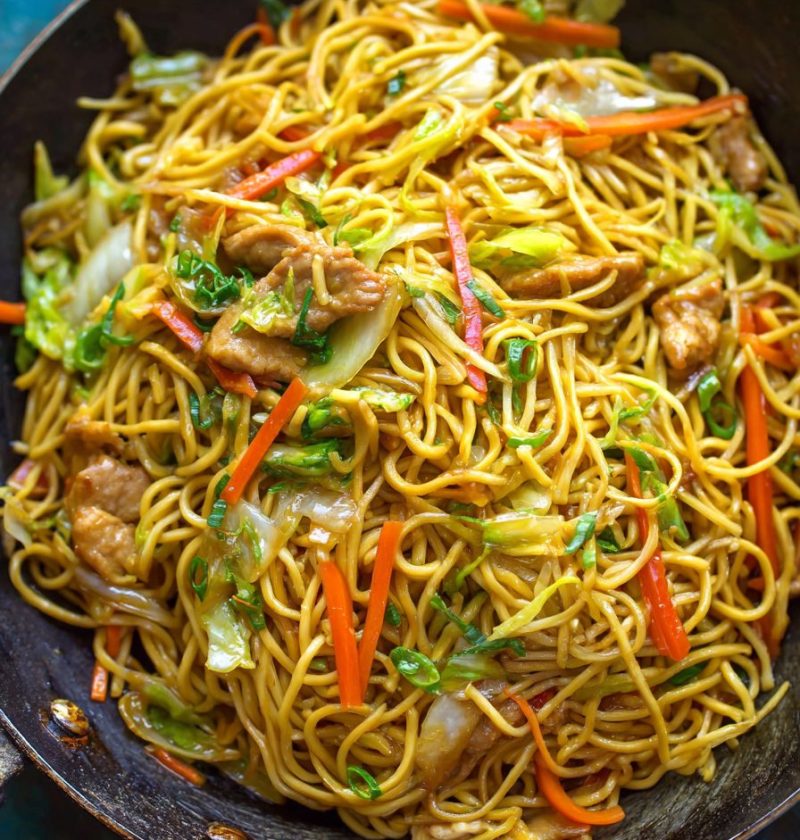
If you’ve ever wished you could make that saucy, savory, slurpable Panda Express Chow Mein Recipe at home, you’re in the right place—this easy stir fry noodle dish tastes just like takeout, but it’s fresher, lighter, and on your table in about 30 minutes.
I’m a 50-year-old mom who has stood in plenty of Panda Express lines, usually with a hungry teenager staring longingly at the chow mein pan. After a few too many “Mom, can we get extra noodles?” requests, I started working on my own Panda Express copycat. This homemade Panda Express chow mein quickly became a weeknight staple: simple Chinese stir fry noodles, tender cabbage and carrots, all tossed in a savory soy sauce noodle sauce that hits that takeout craving every time.
If you love restaurant style chow mein but want to control the ingredients, salt, and oil, this recipe is your new friend. It’s a quick weeknight dinner, a fun “fakeout takeout” Friday, and honestly, it’s one of those family friendly meals that magically disappears from the skillet before you can put leftovers away.
What Makes This Panda Express Chow Mein Recipe So Special?
Let me explain what we’re doing here. This chow mein recipe isn’t loaded with a ton of ingredients or mystery sauces. It’s surprisingly simple:
- Stir fried cabbage and carrots for texture and sweetness
- Soft, slightly chewy chow mein noodles (or yakisoba/lo mein, depending on what your store carries)
- A quick sauce made from soy sauce, a little sugar, and a touch of sesame oil
What makes it feel like the real Panda Express chow mein is the balance: salty but not harsh, lightly sweet, and rich without feeling greasy. We’re trimming back on the oil, using low-sodium soy sauce, and bulking it up with veggies, so it feels a bit “lighter takeout”—still indulgent, but not like a brick in your stomach.
I also love that this is a skillet chow mein noodles recipe. You don’t need a wok—though if you have one, by all means, pull it out. A big nonstick skillet or well-seasoned cast iron pan works beautifully. I’ve made this for busy weeknights, lazy Sunday lunches, and even as a side dish for game day spreads. Add some frozen potstickers or my baked orange chicken, and you’ve got a full Panda Express style feast at home.
And just as a side note: if you’re cooking for picky eaters (or grandkids, in my case), stir fried noodles are a wonderful “gateway” into trying more Asian noodle recipes. They’re familiar, comforting, and you can keep the veggies small and soft.
Why You’ll Love This Panda Express Chow Mein Recipe
- Tastes like takeout, but fresher – Classic Panda Express chow mein flavor with cleaner ingredients you recognize.
- Fast enough for a Tuesday – About 15 minutes of prep and 15 minutes on the stove; dinner in roughly 30 minutes.
- One-pan friendly – Everything cooks in one skillet or wok, which means fewer dishes later.
- Kid and teen approved – Simple flavors, soft noodles, and mild veggies make this a family friendly meal.
- Budget-conscious – Cheaper than feeding everyone at the mall food court, especially if noodles and cabbage are on sale.
- Customizable protein – Add chicken, shrimp, tofu, or pork right into the pan for a complete meal.
- Great with leftovers – Reheats well for next-day lunches; the noodles soak up even more flavor.
- Easy to scale – Double the recipe in a larger pan for parties, potlucks, or meal prep.
- Flexible ingredients – Can be made with chow mein, yakisoba, or even spaghetti in a pinch.
Ingredients for Copycat Panda Express Chow Mein
Here’s everything you’ll need to recreate this restaurant style chow mein at home. I’ll add a few notes so you know where you can swap things without stressing.
Noodles & Veggies
- 14–16 oz chow mein noodles (fresh or parboiled; can also use yakisoba noodles, stir fry noodles, or 12 oz dry spaghetti cooked al dente)
- 2 tbsp neutral oil (canola, avocado, or vegetable oil; you want something that can handle high heat)
- 1 medium yellow onion, thinly sliced (about 1 cup; white onion works too)
- 2 cups thinly sliced green cabbage (Napa or regular green cabbage; aim for fine shreds so it softens quickly)
- 1 cup matchstick carrots (or 1 large carrot, peeled and julienned)
- 3 cloves garlic, minced (fresh garlic really makes a difference here)
- 2 green onions, sliced (white and green parts, for color and freshness)
Sauce
- 4 tbsp low-sodium soy sauce (regular soy works, but low-sodium gives you more control—Tamari for gluten-free)
- 2 tbsp oyster sauce (adds depth and that restaurant-style flavor; can use vegetarian oyster sauce if needed)
- 2 tsp brown sugar (light or dark; gives that slight sweetness Panda Express chow mein has)
- 1 tsp sesame oil (toasted sesame oil if you have it, for extra flavor)
- ¼ tsp ground white pepper (or black pepper; white pepper is more classic in Chinese stir fry noodles)
- 2–3 tbsp water or low-sodium vegetable broth (helps loosen the sauce and coat the noodles)
Optional Add-Ins
- 1–2 tsp fresh ginger, minced (for a little extra zing)
- 1–2 tsp rice vinegar (if you like a tiny hit of brightness at the end)
- 1–2 tsp chili oil or sriracha (for spice lovers)
Shopping tip: If your local grocery store doesn’t label anything “chow mein,” check the Asian section for “stir fry noodles,” “yakisoba,” or even refrigerated noodles near the tofu. Worst case? Use spaghetti cooked just until firm—don’t overcook it or you’ll get mushy chow mein.

Step-by-Step Directions (Super Simple Stir Fry)
1. Prep the noodles
If you’re using fresh or parboiled chow mein or yakisoba noodles, separate them gently with your fingers. If they’re stuck, a quick rinse under warm water helps. Drain very well.
If you’re using dry noodles or spaghetti, cook according to package directions until just al dente—about 1 minute less than you’d cook for pasta. Drain, rinse briefly under cold water to stop the cooking, and toss with a teaspoon of oil so they don’t clump.
Little tip from my kitchen: I like to spread the cooked noodles on a sheet pan to cool while I prep the veggies; slightly cooler noodles stir fry better and break less.
2. Make the chow mein sauce
In a small bowl, whisk together:
- Soy sauce
- Oyster sauce
- Brown sugar
- Sesame oil
- White pepper
- Water or broth
Taste and adjust—if you want sweeter, add another pinch of sugar; if you like more umami, an extra teaspoon of oyster sauce does wonders. Set aside.
3. Prep and preheat
Slice your onion, cabbage, carrots, garlic, and green onions. Get everything near your stove—stir fries move fast.
Heat a large skillet or wok over medium-high heat. When it’s hot, add the neutral oil and swirl to coat the pan.
4. Stir fry the aromatics and veggies
Add the sliced onion and cook 2–3 minutes, stirring often, until it softens and starts to turn a little golden at the edges.
Stir in the garlic and cook for about 30 seconds, just until fragrant (if it browns, it can taste bitter, so keep it moving).
Add the cabbage and carrots. Stir fry 3–5 minutes, until the cabbage is wilted but still has a bit of crunch and the carrots are tender-crisp. If your pan gets too dry, splash in a tablespoon of water to create a bit of steam and help soften the veggies.
5. Add the noodles
Turn the heat to medium. Add the cooked chow mein noodles to the pan with the veggies. Use tongs or chopsticks to gently toss everything together, lifting and flipping rather than mashing.
If some noodles are clumped, break them apart with your tongs while they warm. Try not to stir too aggressively or you’ll break the noodles into tiny pieces.
6. Sauce it up
Give your sauce a quick stir (the sugar can settle) and pour it evenly over the noodles and vegetables.
Toss for 2–4 minutes, making sure the sauce coats everything. You’ll see the noodles take on that gorgeous glossy brown color you know from Panda Express chow mein.
If the noodles look a bit dry, add another tablespoon or two of water or broth and keep tossing until it’s all evenly coated and hot.
7. Finish and garnish
Turn off the heat. Stir in the sliced green onions and, if using, a splash of rice vinegar or a drizzle of chili oil.
Taste and adjust seasoning—more soy for salt, sugar for sweetness, sesame oil for nutty aroma, or pepper for a bit more bite.
Serve hot straight from the skillet. I set the pan in the middle of the table and let everyone scoop their own bowl; it feels fun and casual, almost like a big noodle “bar.”
Servings & Timing
- Yield: About 4 main-dish servings or 6 side-dish servings
- Prep Time: 15 minutes (chopping veggies, mixing sauce, prepping noodles)
- Cook Time: 15 minutes
- Total Time: About 30 minutes
If you add a quick protein like sliced chicken or shrimp, plan on an extra 5–8 minutes of cook time.
Fun Variations on This Chow Mein Recipe
Once you’ve made the base Panda Express Chow Mein Recipe, you can start playing. Here are some of my favorite twists:
- Chicken Chow Mein: Stir fry thinly sliced chicken breast or thighs first, remove, and then add back in when you add the noodles.
- Veggie-Loaded Chow Mein: Toss in snap peas, bell peppers, mushrooms, or baby bok choy for a more colorful Asian noodle recipe.
- Spicy Garlic Chow Mein: Add extra garlic, a spoonful of chili crisp, and a sprinkle of red pepper flakes for a bolder, spicier noodle dish.
- Low(er) Carb Version: Swap half the noodles for extra shredded cabbage and bean sprouts—same texture, fewer carbs.
- Gluten-Free Copycat Noodles: Use gluten-free tamari and gluten-free rice noodles or brown rice spaghetti.
- Beef or Shrimp Chow Mein: Stir fry thin strips of beef or cleaned shrimp before the veggies, then toss back in with the noodles and sauce.
How to Store & Reheat Your Chow Mein
This recipe makes fantastic leftovers, so don’t be afraid to double it if you’ve got hungry teens around—or a busy week ahead.
Storage
- Fridge: Cool completely, then store in an airtight container for up to 3–4 days.
- Freezer: For best texture, I usually don’t freeze chow mein, but if needed, you can freeze in small portions for up to 1 month; expect slightly softer noodles after thawing.
Reheating
- Stovetop (best): Add a small splash of water or broth to a skillet, then add the noodles. Warm over medium heat, tossing gently until hot and steamy.
- Microwave: Place a portion in a microwave-safe bowl, sprinkle with a teaspoon or two of water, cover loosely, and heat 1–2 minutes, stirring halfway.
Make-Ahead Tips
- Slice the cabbage, carrots, and onions up to 2 days ahead and store in a bag or container in the fridge.
- Whisk the sauce and keep it in a small jar in the fridge—just shake and pour when you’re ready.
- Cook noodles a few hours ahead, toss with a bit of oil, and store covered in the fridge; let them come closer to room temp before stir frying.
Notes From My Kitchen (Little Things That Make It Better)
- High heat, quick cooking: Restaurant-style chow mein gets that slightly smoky edge from high heat. If your stove allows, don’t be afraid of medium-high heat; just keep things moving.
- Don’t overcook the noodles: This is the number one issue. Slightly undercooked at the boiling stage is perfect because they’ll finish in the pan.
- Use enough cabbage: It may look like a lot going into the skillet, but it wilts down dramatically and gives that classic Panda Express chow mein texture.
- Taste as you go: Soy sauces can vary in saltiness, so always taste the sauce and the finished noodles. You can always add more soy; you can’t take it out.
- Try a wok if you have one: A carbon steel wok heats quickly and evenly—great for those beautiful, slightly charred edges on the veggies. But truly, a big nonstick pan is just fine.
- Serve it “takeout style”: If you want to have fun with it, serve in paper takeout containers or big bowls with chopsticks. Food is taste, but it’s also a little bit of theater.
FAQs About Panda Express Chow Mein Recipe
1. What kind of noodles should I use for chow mein?
Ideally, use fresh or parboiled chow mein noodles or yakisoba noodles from the Asian section; if you can’t find them, use spaghetti or thin egg noodles cooked al dente.
2. Can I make this chow mein gluten-free?
Yes—use gluten-free tamari instead of soy sauce, a gluten-free oyster sauce (or leave it out and add a bit more tamari), and rice noodles or gluten-free spaghetti.
3. My noodles turned mushy—what went wrong?
They were likely overcooked before stir frying or sat in water too long; next time, boil just until firm, rinse briefly, and don’t let them stir fry more than a few minutes.
4. Is this Panda Express chow mein healthy?
It’s lighter than takeout since you control the oil and sodium, and there are plenty of veggies; for an even healthier chow mein recipe, increase the cabbage and carrots and use whole wheat or brown rice noodles.
5. Can I add protein to make this a full meal?
Absolutely—stir fry sliced chicken, shrimp, tofu, or thin strips of beef first, set aside, then add back in with the noodles and sauce.
6. Can I make this ahead for meal prep?
Yes, it keeps well for 3–4 days in the fridge; pack in containers, and reheat with a splash of water in the microwave or skillet.
7. Why doesn’t this have a ton of sauce like some noodle dishes?
Panda Express chow mein is meant to be lightly coated, not soupy—the sauce hugs the noodles rather than pooling in the bottom of the bowl.
8. Can I use pre-shredded coleslaw mix?
Yes, that’s a great shortcut; use a simple cabbage-carrot mix (skip the dressing packet) and measure about 3 cups.
Wrapping It Up (And Passing the Chopsticks)
This homemade Panda Express Chow Mein Recipe gives you everything you love about those takeout style noodles—chewy, saucy, full of veggies—without the drive-thru, the mystery ingredients, or the price tag. It’s quick, cozy, and flexible enough to fit whatever you have in your fridge that night.
If you try this chow mein recipe, I’d love to hear how it turned out for you—did your family recognize the Panda Express copycat flavors? Leave a comment with your tweaks, and if you’re craving more “fakeout takeout,” check out my orange chicken, baked teriyaki salmon, or simple veggie fried rice recipes next.
Panda Express Chow Mein (Copycat)
Ingredients
- 14-16 oz chow mein noodles fresh or parboiled; can use yakisoba/stir fry noodles or 12 oz dry spaghetti cooked al dente
- 2 tbsp neutral oil such as canola, avocado, or vegetable oil
- 1 medium yellow onion thinly sliced (about 1 cup); white onion also works
- 2 cups green cabbage thinly sliced; Napa or regular green cabbage, finely shredded
- 1 cup carrots matchstick carrots or 1 large carrot, peeled and julienned
- 3 cloves garlic minced
- 2 green onions sliced, white and green parts
- 4 tbsp low-sodium soy sauce or regular soy sauce; use tamari for gluten-free
- 2 tbsp oyster sauce or vegetarian oyster sauce
- 2 tsp brown sugar light or dark
- 1 tsp sesame oil preferably toasted
- 1/4 tsp ground white pepper or black pepper
- 2-3 tbsp water or low-sodium vegetable broth to loosen the sauce and coat noodles
- 1-2 tsp fresh ginger minced, optional
- 1-2 tsp rice vinegar optional, for brightness at the end
- 1-2 tsp chili oil or sriracha optional, for heat
- extra water or broth as needed, if noodles look dry while stir-frying
Instructions
- If using fresh or parboiled chow mein or yakisoba noodles, gently separate them with your fingers. If they are stuck together, quickly rinse under warm water to loosen, then drain very well. If using dry noodles or spaghetti, cook according to package directions until just al dente (about 1 minute less than usual). Drain, rinse briefly under cold water to stop the cooking, and toss with about 1 teaspoon of oil to prevent clumping. For best stir-fry texture, spread the cooked noodles on a sheet pan to cool slightly while you prep the vegetables.14-16 oz chow mein noodles
- In a small bowl, whisk together the soy sauce, oyster sauce, brown sugar, sesame oil, ground white pepper, and 2–3 tablespoons of water or vegetable broth. Taste and adjust: add a pinch more sugar for sweetness or an extra teaspoon of oyster sauce for more umami. Set aside.4 tbsp low-sodium soy sauce, 2 tbsp oyster sauce, 2 tsp brown sugar, 1 tsp sesame oil, 1/4 tsp ground white pepper, 2-3 tbsp water or low-sodium vegetable broth
- Thinly slice the onion and cabbage, julienne or prepare matchstick carrots, mince the garlic (and ginger, if using), and slice the green onions. Place all vegetables and the sauce near the stove, as stir-fries cook quickly. Heat a large nonstick skillet or wok over medium-high heat. When hot, add the neutral oil and swirl to coat the pan.2 tbsp neutral oil, 1 medium yellow onion, 2 cups green cabbage, 1 cup carrots, 3 cloves garlic, 2 green onions, 1-2 tsp fresh ginger
- Add the sliced onion to the hot pan and cook for 2–3 minutes, stirring often, until softened and just turning golden at the edges. Stir in the garlic (and ginger, if using) and cook for about 30 seconds, just until fragrant. Add the shredded cabbage and carrots. Stir-fry for 3–5 minutes, until the cabbage is wilted but still slightly crisp and the carrots are tender-crisp. If the pan seems dry, add a tablespoon of water to create steam and help soften the vegetables.1 medium yellow onion, 2 cups green cabbage, 1 cup carrots, 3 cloves garlic, 1-2 tsp fresh ginger, 2-3 tbsp water or low-sodium vegetable broth
- Reduce the heat to medium. Add the prepared noodles to the pan with the vegetables. Using tongs or chopsticks, gently toss to combine, lifting and flipping rather than pressing down to avoid breaking the noodles. If any noodles are clumped together, carefully separate them as they warm.14-16 oz chow mein noodles
- Give the sauce a quick stir to redistribute the sugar, then pour it evenly over the noodles and vegetables. Toss for 2–4 minutes, until the noodles are heated through, evenly coated, and glossy light brown, like Panda Express chow mein. If the noodles look dry, add another tablespoon or two of water or broth and continue tossing until everything is well coated.4 tbsp low-sodium soy sauce, 2 tbsp oyster sauce, 2 tsp brown sugar, 1 tsp sesame oil, 1/4 tsp ground white pepper, 2-3 tbsp water or low-sodium vegetable broth, extra water or broth
- Turn off the heat. Stir in the sliced green onions, and if desired, a splash of rice vinegar for brightness and/or a drizzle of chili oil or sriracha for heat. Taste and adjust seasoning with more soy sauce for saltiness, a pinch of sugar for sweetness, a touch more sesame oil for aroma, or pepper for extra bite. Serve hot straight from the skillet or transfer to a serving dish.2 green onions, 1-2 tsp rice vinegar, 1-2 tsp chili oil or sriracha
Notes
VARIATIONS: Add stir-fried chicken, beef, shrimp, or tofu for extra protein. For a veggie-loaded version, include snap peas, bell peppers, mushrooms, or baby bok choy. For lower carbs, replace half the noodles with extra shredded cabbage and bean sprouts. To make gluten-free, use tamari instead of soy sauce, a gluten-free oyster sauce or extra tamari, and gluten-free rice noodles or brown rice spaghetti.
TIPS: Do not overcook the noodles in the boiling step; slightly undercooked is ideal since they finish cooking in the pan. Use plenty of cabbage—it wilts down significantly and gives that classic Panda Express chow mein texture. Keep the heat at medium-high and stir frequently to achieve a light smoky edge without burning.