Would you like to save this?
Jerk Marinade Recipe
If you’ve been craving bold Caribbean flavor at home, this Jerk Marinade Recipe is your new secret weapon—fiery, fragrant, and perfect for everything from grilled chicken to weeknight shrimp tacos.
What Is Jerk Marinade – And Why Is It So Good?
Jerk marinade is a classic Caribbean jerk sauce made with allspice, fresh herbs, and Scotch bonnet peppers. It’s used as a jerk chicken marinade, jerk pork marinade, and even for fish or veggies.
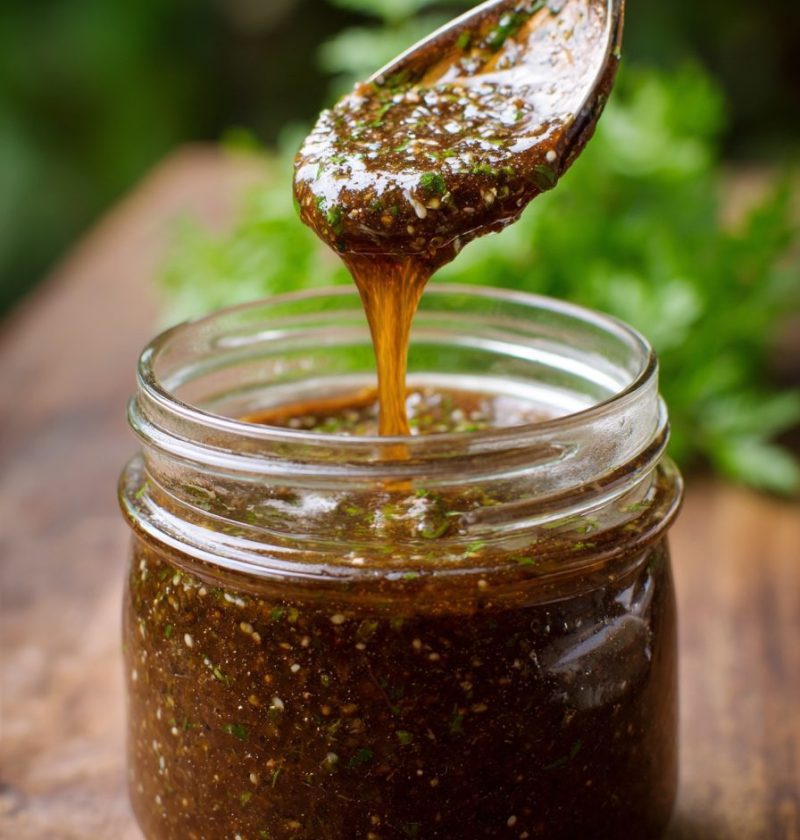
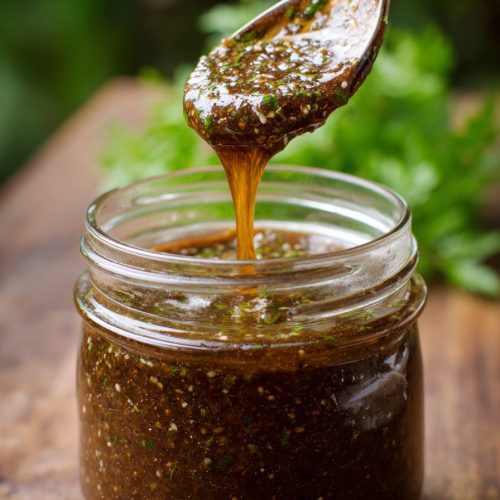
This homemade jerk marinade packs all those island-style flavors—smoky, spicy, a little sweet, and deeply savory. Think of it as a Caribbean barbecue marinade with personality. It’s built around traditional jerk seasoning ingredients like allspice, thyme, ginger, and scallions, blended into a smooth sauce that clings beautifully to whatever you’re cooking.
I first fell in love with Jamaican jerk marinade years ago on a beach trip with my sister. There was a small stand near the water, just a drum grill, a smiling woman, and a smoky cloud of jerk chicken. The aroma of allspice and chiles wrapped around us before we even saw the sign. I went back every single day that week—no shame.
This Jerk Marinade Recipe is my go‑to when I want that same bold, sun-soaked flavor in my own backyard. It’s not strictly “my” invention, of course; it’s my respectful, home‑cook‑friendly version of an authentic jerk recipe, adjusted slightly so you can make it with ingredients from a typical U.S. grocery store while still staying true to the spirit of traditional jerk seasoning.
And if you’re wondering about health? You control the oil, the salt, the sweetness, and there’s no mysterious bottled ingredients. Just real herbs, spices, and fresh aromatics.
Why You’ll Love This Jerk Marinade Recipe
- Ridiculously flavorful: Layers of allspice, thyme, garlic, ginger, and citrus give deep, complex flavor you can’t get from a store-bought bottle.
- Customizable heat: Make it a spicy jerk marinade with Scotch bonnet peppers—or dial it back for kids or milder taste buds.
- Versatile: Works as a jerk chicken marinade, jerk pork marinade, or for shrimp, tofu, veggies, and even roasted cauliflower.
- Meal-prep friendly: Mix once, marinate, and you’re halfway to dinner; it also freezes beautifully.
- No fancy equipment: A blender or food processor is helpful, but you can even make it with a knife and a bowl.
- Healthier than bottled sauces: No high-fructose corn syrup, no preservatives—just real, fresh ingredients.
- Perfect for grilling season: This Caribbean jerk sauce shines on the grill, but you can roast or pan‑sear with it too.
- Big-batch friendly: Easy to double or triple for cookouts, tailgates, or a weekend of meal prep.
Ingredients for Homemade Jerk Marinade
You know what? The ingredient list looks a little long, but most of it is pantry staples. Once you’ve made this Jamaican jerk marinade a couple of times, you’ll probably be able to throw it together from memory.
This recipe makes about 1 ½ cups of marinade—enough for roughly 3–4 pounds of meat or vegetables.
-
6–8 scallions (green onions), roughly chopped
Use both white and green parts for sweetness and freshness. -
1 small yellow onion, roughly chopped
Adds body and mellow sweetness to the marinade. -
6–8 cloves garlic, peeled
Fresh garlic is non‑negotiable here; it builds that savory backbone. -
2–3 Scotch bonnet peppers, stemmed (seeds removed for less heat)
This is classic for a Scotch bonnet pepper marinade. If you can’t find Scotch bonnet, use habanero peppers, but start with 1–2 and adjust. -
1–2 jalapeños or serrano peppers (optional, for layered heat)
Not strictly traditional, but gives a nice, gentler heat if you’re reducing Scotch bonnets. -
2 tablespoons fresh ginger, peeled and chopped
Ginger brings warmth and a gentle bite—don’t skip it. -
2 tablespoons fresh thyme leaves (or 2 teaspoons dried thyme)
Traditional jerk seasoning always includes thyme; fresh is best if you have it. -
2 teaspoons ground allspice
The star of allspice jerk seasoning—woodsy, warm, and absolutely essential. -
½ teaspoon ground cinnamon
Just a hint adds warmth without making it taste like dessert. -
¼ teaspoon ground nutmeg
Pairs beautifully with allspice and adds depth. -
1–2 teaspoons freshly ground black pepper
Adjust based on your heat tolerance; it builds slow warmth. -
1–2 teaspoons kosher salt
Start on the lower side; you can add more later once it’s blended and tasted. -
2–3 tablespoons brown sugar (light or dark)
The sweetness balances the heat and helps with caramelization on the grill. -
¼ cup soy sauce (or tamari for gluten-free)
Adds umami and saltiness; traditional recipes might use Maggi seasoning, but soy sauce is easier to find. -
2 tablespoons apple cider vinegar (or white vinegar)
Brightens the sauce and helps tenderize meat. -
¼ cup fresh lime juice (about 2 limes)
For tang and freshness—bottled will do in a pinch, but fresh is much better. -
¼ cup orange juice
Adds a touch of tropical sweetness and acidity. -
¼–⅓ cup neutral oil (canola, avocado, or light olive oil)
Helps the marinade cling and keeps meats juicy, especially on the grill. -
Optional but lovely:
- 1 tablespoon fresh orange zest or lime zest – boosts citrus aroma.
- 2 tablespoons chopped fresh parsley or cilantro – for a fresh, herbal note.
Ingredient tips & swaps
- Scotch bonnet peppers: If your grocery store doesn’t carry them, check Caribbean or Latin markets. Habaneros are the closest stand‑in. Wear gloves when handling—trust me on this; I once absentmindedly rubbed my eye and learned my lesson.
- Allspice: Make sure it’s fresh. If yours has been sitting in the back of the cabinet since your kids were in middle school, grab a new jar.
- Gluten-free: Use tamari or a certified gluten-free soy sauce.
- Low-sodium: Use low‑sodium soy and start with 1 teaspoon salt; add more only after tasting.
Directions: How To Make This Easy Jerk Marinade
-
Prep your aromatics
Roughly chop the scallions, onion, ginger, and peppers. They don’t need to be perfect—your blender will take it from here. Remove seeds and membranes from the Scotch bonnets if you want a milder jerk marinade recipe. -
Load the blender or food processor
Add scallions, onion, garlic, Scotch bonnet peppers, any jalapeños/serranos you’re using, ginger, and thyme to the blender. This “wet base” blends best when it’s on the bottom. -
Add the spices and seasonings
Sprinkle in the ground allspice, cinnamon, nutmeg, black pepper, and salt. Add brown sugar, soy sauce, vinegar, lime juice, and orange juice. If you’re using citrus zest or fresh herbs like parsley or cilantro, toss them in now. -
Pour in the oil
Add ¼ cup of your neutral oil to start. Oil helps carry flavor and makes the marinade cling nicely to chicken, pork, or vegetables. -
Blend until smooth (or mostly smooth)
Blend on medium‑high until the mixture looks like a thick, pourable sauce. You can leave it a bit chunky if you like a rustic texture on your grilled jerk chicken marinade. If it’s too thick, add a tablespoon or two more orange juice or water. If it seems too thin, add another scallion or a bit more onion. -
Taste and adjust carefully
Here’s the thing: it’s going to taste strong straight from the blender. That’s normal. Taste a tiny bit with a spoon and adjust salt, sugar, or lime juice. Just don’t forget that the heat will bloom more once it’s cooked, so be cautious about adding extra chiles. -
Marinate your protein or veggies
Place your chicken, pork, shrimp, tofu, or veggies in a large zip‑top bag or shallow glass dish. Pour enough marinade over to coat generously, reserving a little if you’d like to brush during cooking (keep that portion separate and uncontaminated). Massage gently so everything is coated. -
Let it rest
- Chicken pieces: at least 4 hours, up to 24 hours.
- Pork (chops or tenderloin): 4–24 hours.
- Shrimp or fish: 30 minutes to 1 hour (no longer or the acid may start “cooking” it).
- Tofu or veggies: 1–4 hours.
Cover and refrigerate while it soaks up that island-style jerk sauce goodness.
-
Cook as desired
Grill, roast, or pan‑sear your marinated food. For that authentic jerk recipe taste, grilling over charcoal with a little wood smoke is wonderful. Cook until done and nicely charred in spots—the brown sugar in the marinade helps create that gorgeous, flavorful crust. -
Serve and enjoy
Let meats rest a few minutes after cooking, then serve with rice and peas, grilled pineapple, or a simple cabbage slaw. A squeeze of fresh lime right before serving wakes everything up.
Servings & Timing
- Yield: About 1 ½ cups jerk marinade (enough for 3–4 pounds of meat or vegetables)
- Prep Time: 15–20 minutes
- Marinating Time:
- 30 minutes–1 hour for shrimp/fish
- 4–24 hours for chicken or pork
- 1–4 hours for tofu/veggies
- Total Time (active): About 20 minutes hands-on (plus marinating time)
Fun Variations on This Caribbean Jerk Sauce
You can keep things traditional or play a little—both are allowed in my kitchen.
- Extra smoky jerk: Add ½–1 teaspoon smoked paprika or a splash of liquid smoke for a “grilled all day” flavor, even if you’re cooking indoors.
- Citrus-forward jerk: Use all lime juice and add extra zest for a bright, tangy jerk marinade that’s lovely on seafood.
- Mellow family-friendly jerk: Use just 1 Scotch bonnet (seeds removed) and replace the rest of the heat with a mild chili like jalapeño; extra brown sugar helps soften the burn.
- Herby green jerk: Add a big handful of cilantro and parsley plus extra scallions for a greener, fresher twist on traditional jerk seasoning.
- Honey jerk glaze: Whisk ¼ cup jerk marinade with 2 tablespoons honey and brush over chicken or pork during the last 5 minutes of cooking for a sticky, caramelized finish.
- Jerk pork marinade with rum: Add 1–2 tablespoons dark rum for a deeper, slightly sweet note that pairs beautifully with pork.
Storage & Make-Ahead Tips
One of my favorite parts about this recipe is how friendly it is to real-life schedules.
- Fridge: Store leftover jerk marinade in an airtight jar or container in the refrigerator for up to 5–7 days. Stir before using, as it may separate a bit.
- Freezer: For easy meal prep, freeze Caribbean jerk sauce in small portions—ice cube trays, silicone trays, or small containers work well. It’ll keep for up to 3 months.
- Thawing: Thaw overnight in the fridge or at room temperature for 30–40 minutes. If you’re in a rush, you can place the sealed bag or container in a bowl of cool water.
- Make-ahead for parties: Mix a big batch a day or two before your cookout, marinate the meat the night before, and you’re basically grilling on autopilot the next day.
- Leftover cooked jerk chicken or pork: Store cooked meat in the fridge for 3–4 days. Reheat gently in a skillet with a splash of water or broth, or enjoy cold in salads and wraps.
Notes From My Kitchen (And a Few Lessons Learned)
- Heat is personal: Scotch bonnet peppers are no joke. Start with less, especially if you’re serving kids or spice-sensitive guests. You can always add a little crushed red pepper on the plate for those who want more heat.
- Marinating time matters: I tested quick 1‑hour marinating for chicken and the flavor was good, but the 12–24 hour batch had that deep, “all the way through” jerk flavor I love. If you can plan ahead, it’s worth it.
- Char is flavor, not failure: Jerk is meant to have those little blackened bits. As long as you’re not burning everything to a crisp, those darker spots are packed with flavor from the brown sugar and spices caramelizing.
- Taste with caution: When you taste the marinade, use a clean spoon and go very tiny at first. It’s concentrated—stronger than what the final grilled jerk chicken or pork will taste like.
- Respect the roots: This is a home‑style, accessible version meant for busy cooks, but the tradition of jerk cooking runs deep in Jamaican and Caribbean culture. If you’re curious, look up jerk stands in Jamaica and the history of jerk as a cooking technique—it’s fascinating and worth knowing.
- Keep a “mellow batch” on hand: I sometimes blend a spicier batch and a milder one, then mix them as needed depending on who’s coming over.
FAQs About Jerk Marinade
1. How spicy is this jerk marinade recipe?
It can be quite spicy if you use 3 Scotch bonnet peppers with seeds, but you can easily control the heat by reducing peppers and removing seeds and membranes.
2. What can I use if I can’t find Scotch bonnet peppers?
Habanero peppers are the closest substitute; if those are also hard to find, use a combination of jalapeño and serrano, knowing the flavor will be a bit different but still delicious.
3. How long should I marinate jerk chicken?
For the best flavor, marinate jerk chicken for at least 4 hours and up to 24 hours in the refrigerator.
4. Can I use this marinade for vegetables or tofu?
Absolutely—this homemade jerk marinade is fantastic on tofu, cauliflower, mushrooms, sweet potatoes, and mixed veggie skewers.
5. Is this Jamaican jerk marinade gluten-free?
It can be; just use tamari or a certified gluten-free soy sauce instead of regular soy sauce.
6. Can I reuse leftover marinade?
If it’s been in contact with raw meat, don’t reuse it as‑is. You can boil it for several minutes to kill bacteria and then use it as a basting or finishing sauce.
7. Does the marinade work without a grill?
Yes, you can roast jerk-marinated chicken or pork in the oven or cook it in a cast‑iron skillet; you’ll still get that spicy, savory, island-style flavor.
8. Can I reduce the sugar or leave it out?
You can reduce it to 1 tablespoon or use honey or coconut sugar, but a little sweetness really helps balance the heat and create that classic grilled jerk flavor.
Wrapping It Up (And Passing You the Tongs)
This Jerk Marinade Recipe brings the warmth of Caribbean jerk sauce right into your kitchen—fragrant allspice, bright citrus, and fiery Scotch bonnet peppers all working together to make whatever you’re cooking taste like it came off a beachside grill. It’s flexible, make-ahead friendly, and just plain fun to cook with.
If you try this jerk chicken marinade—or use it on pork, shrimp, or veggies—come back and tell me how it went. Leave a comment, share your tweaks, or ask a question. And if you’re in a grilling mood, you might also enjoy pairing this with coconut rice, grilled pineapple, or a simple mango salsa for the full island-style experience.
Jerk Marinade
Ingredients
- 6-8 scallions (green onions) roughly chopped; use both white and green parts
- 1 small yellow onion roughly chopped
- 6-8 cloves garlic peeled
- 2-3 Scotch bonnet peppers stemmed; remove seeds and membranes for less heat
- 1-2 jalapeños or serrano peppers optional, for layered heat
- 2 tablespoons fresh ginger peeled and chopped
- 2 tablespoons fresh thyme leaves or 2 teaspoons dried thyme
- 2 teaspoons ground allspice
- 1/2 teaspoon ground cinnamon
- 1/4 teaspoon ground nutmeg
- 1-2 teaspoons freshly ground black pepper
- 1-2 teaspoons kosher salt or to taste
- 2-3 tablespoons brown sugar light or dark
- 1/4 cup soy sauce or tamari for gluten-free
- 2 tablespoons apple cider vinegar or white vinegar
- 1/4 cup fresh lime juice about 2 limes
- 1/4 cup orange juice
- 1/4-1/3 cup neutral oil such as canola, avocado, or light olive oil
- 1 tablespoon citrus zest optional; orange or lime zest, finely grated
- 2 tablespoons fresh parsley or cilantro optional; chopped
Instructions
- Roughly chop the scallions, yellow onion, ginger, and any jalapeños or serranos you are using. Stem the Scotch bonnet peppers and remove seeds and membranes if you prefer a milder marinade. Peel the garlic cloves.6-8 scallions (green onions), 1 small yellow onion, 6-8 cloves garlic, 2-3 Scotch bonnet peppers, 1-2 jalapeños or serrano peppers, 2 tablespoons fresh ginger
- Add the scallions, yellow onion, garlic, Scotch bonnet peppers, jalapeños or serranos (if using), ginger, and thyme to a blender or food processor to form the wet base.6-8 scallions (green onions), 1 small yellow onion, 6-8 cloves garlic, 2-3 Scotch bonnet peppers, 1-2 jalapeños or serrano peppers, 2 tablespoons fresh ginger, 2 tablespoons fresh thyme leaves
- Add the ground allspice, cinnamon, nutmeg, black pepper, salt, and brown sugar. Pour in the soy sauce, vinegar, lime juice, and orange juice. If using citrus zest and fresh parsley or cilantro, add them now.2 teaspoons ground allspice, 1/2 teaspoon ground cinnamon, 1/4 teaspoon ground nutmeg, 1-2 teaspoons freshly ground black pepper, 1-2 teaspoons kosher salt, 2-3 tablespoons brown sugar, 1/4 cup soy sauce, 2 tablespoons apple cider vinegar, 1/4 cup fresh lime juice, 1/4 cup orange juice, 1 tablespoon citrus zest, 2 tablespoons fresh parsley or cilantro
- Pour in 1/4 cup of neutral oil. The oil helps the marinade coat and cling to meats and vegetables.1/4-1/3 cup neutral oil
- Blend on medium-high until the mixture forms a thick, pourable sauce. For a slightly chunkier, rustic texture, pulse instead of fully pureeing. If the marinade is too thick, add a tablespoon or two of orange juice or water. If it is too thin, add a bit more onion or a scallion.
- Taste a small amount of the marinade carefully—it will be strong and concentrated. Adjust the salt, brown sugar, or lime juice to balance the flavors. Be cautious about adding extra hot peppers, as the heat will intensify during cooking.1-2 teaspoons kosher salt, 2-3 tablespoons brown sugar, 1/4 cup fresh lime juice
- Place chicken, pork, shrimp, fish, tofu, or vegetables in a large zip-top bag or shallow glass dish. Pour enough marinade over to coat thoroughly, reserving some in a separate container if you want to use it later for basting. Seal or cover and massage gently so everything is evenly coated.
- Refrigerate and marinate according to the type of protein or vegetables: 4–24 hours for chicken pieces, 4–24 hours for pork chops or tenderloin, 30 minutes to 1 hour for shrimp or fish, and 1–4 hours for tofu or vegetables.
- Grill, roast, or pan-sear the marinated food until cooked through and nicely charred in spots. For a more traditional jerk flavor, cook over charcoal with a bit of wood smoke.
- Let cooked meats rest briefly, then serve with sides such as rice and peas, grilled pineapple, or cabbage slaw. Finish with a squeeze of fresh lime juice if desired.