Would you like to save this?
Yopokki Recipe (Easy, Spicy Korean Comfort Food You Can Make at Home)
If you love sweet and spicy Korean street food snacks but don’t want a complicated cooking project, this cozy Yopokki recipe will be your new weeknight best friend.
What Is Yopokki & Why Is Everyone So Obsessed With It?
Let me explain, especially if you’re newer to Korean food. Yopokki is a popular brand of instant tteokbokki cups—little bowls of chewy Korean rice cakes in a bold, sweet-and-spicy sauce. Think of it as the Korean cousin of instant mac and cheese: fast, comforting, and totally snackable.
This homemade Yopokki recipe gives you that same addictive, saucy experience using simple pantry ingredients and classic Korean rice cakes. It’s basically a from-scratch spicy tteokbokki recipe, but lightly modeled after those beloved Yopokki cups you see in Asian markets and on TikTok.
I love making this when I’m craving an easy Korean comfort food but don’t want to fuss with a ton of dishes. I’ll whip up a pan on a chilly Friday night, turn on a K‑drama, and suddenly I’m 25 again, staying up too late with a bowl of noodles and zero regrets.
This version is:
- Quick enough for a snack
- Hearty enough for a meal
- Flexible enough to tweak the heat and sweetness
- Familiar enough for picky eaters once they try that first bite
If you’ve been wondering how to make a homemade Yopokki rice cake dish that tastes like your favorite instant tteokbokki cup—but fresher and a bit more “grown up”—you’re in the right place.
Why You’ll Love This Yopokki Recipe
- Fast, cozy comfort food – From fridge to table in about 20 minutes. Perfect after a long day when cooking feels like a chore.
- Authentic Korean street food flavor – Chewy rice cakes, sweet and spicy sauce… it tastes like something you’d get from a Seoul street cart.
- Budget-friendly – One pan of this feeds more than a couple of instant cups, and the ingredients stretch nicely.
- Customizable spice level – Make it mild for kids or fiery for heat-lovers using more or less gochujang.
- Works with fresh or pantry staples – Use refrigerated tteokbokki rice cakes, or frozen if that’s what you have on hand.
- Veggie-friendly base – The basic recipe is vegetarian (if you use veggie broth), but you can easily add boiled eggs, fish cakes, or cheese.
- Great “gateway” Korean dish – Easy flavors, nothing too funky, so it’s perfect for folks just starting to explore Korean cuisine.
- One-pan cleanup – Everything cooks together in one skillet or pan—less time scrubbing, more time eating.
Ingredients for the Best Homemade Yopokki Recipe
This spicy tteokbokki-style Yopokki recipe uses simple ingredients you can find at most Asian grocery stores, and more and more mainstream stores are stocking them now too.
Serves about 2 as a main dish or 3–4 as a snack.
-
1 pound (450 g) Korean rice cakes (tteokbokki tteok)
- Look for cylindrical rice cakes in the refrigerated or frozen section.
- If frozen, soak in warm water for 10–15 minutes to soften before cooking.
-
2 cups (480 ml) low-sodium broth
- Traditional: anchovy-kelp broth (for classic Korean street flavor).
- Easy version: chicken or vegetable broth works well too.
-
2 tablespoons gochujang (Korean red chili paste)
- This is the base of your Yopokki sauce recipe—choose a “mild” gochujang if you’re spice-sensitive.
- I usually grab brands like Chung Jung One or CJ.
-
1–2 tablespoons gochugaru (Korean red chili flakes)
- Use 1 tablespoon for a gentler heat, 2 tablespoons for a kick that will make you notice.
- Skip or reduce for kids or very mild palates.
-
2 tablespoons soy sauce
- Regular or low-sodium. If you’re gluten-sensitive, use tamari.
-
2–3 tablespoons sugar
- White sugar is classic and gives that Yopokki-style sweet and spicy balance.
- You can use brown sugar or honey, but white sugar gives the cleanest “street food” flavor.
-
1 tablespoon corn syrup or rice syrup (optional, but recommended)
- Adds that glossy, sticky texture like instant Yopokki sauce cups.
- You can sub with extra sugar if you don’t have it.
-
1 garlic clove, minced
- Fresh is best; it keeps the sauce from feeling flat.
-
1 small onion, thinly sliced
- Yellow or white onion for sweetness and body.
-
1 small carrot, julienned (optional)
- Adds color and a light crunch; not traditional in every version but very homey.
-
2 green onions, sliced
- Split: use the white/light green parts in the sauce and the dark green tops for garnish.
-
1 tablespoon neutral oil (optional)
- Canola, grapeseed, or avocado oil, if you want to sauté the aromatics first for extra flavor.
-
1/2 cup (60 g) shredded mozzarella cheese (optional but amazing)
- For cheesy Yopokki—stretchy, melty, and very trendy in Korean street food.
-
Toasted sesame seeds, for garnish
- Adds a nutty finish.
-
A small drizzle of sesame oil (optional)
- Just a few drops at the end add depth and aroma.
If you’re brand-new to Korean cooking, the main special items here are the rice cakes, gochujang, and gochugaru. Once those are in your pantry, a bunch of Korean recipes suddenly become very doable.
Yopokki Cooking Instructions (Step-by-Step Directions)
1. Prep the rice cakes
If your tteok are frozen or feel very firm, place them in a bowl and cover with warm (not boiling) water. Soak for 10–15 minutes, then drain well. This helps them cook evenly and get that soft, chewy bite.
2. Make the Yopokki sauce base
In a medium bowl, whisk together the broth, gochujang, gochugaru, soy sauce, sugar, and corn or rice syrup. Taste a small spoonful (careful, it’s strong before cooking). If you want it sweeter—more like an instant tteokbokki cup—add an extra teaspoon of sugar.
3. Sauté the aromatics (optional but worth it)
In a large, wide skillet or shallow saucepan, heat the neutral oil over medium heat. Add the sliced onion, carrot, minced garlic, and the pale parts of the green onion. Cook for 2–3 minutes, stirring, until the onions start to soften and smell fragrant.
This step builds more flavor than just tossing everything in raw—think of it as “upgrading” your Yopokki rice cake experience.
4. Add the rice cakes and sauce
Stir in the drained rice cakes. Pour the prepared Yopokki sauce mixture over the top, making sure the rice cakes are mostly submerged. Give everything a good stir so nothing clumps.
5. Simmer until thick and chewy
Bring the pan to a gentle boil over medium-high heat. Then reduce heat to medium-low and let it simmer, uncovered, for about 8–10 minutes. Stir every minute or so, scraping the bottom, because the sauce loves to stick.
You’re looking for:
- Sauce that’s thick, glossy, and coats the rice cakes
- Rice cakes that are soft but still pleasantly chewy
If the sauce gets too thick before the rice cakes are fully tender, add 2–3 tablespoons of extra water or broth at a time, and keep cooking.
6. Make it cheesy (if using)
When the rice cakes are just about done, taste and adjust the seasoning—more sugar for sweetness, a splash of soy if it needs salt, or a pinch of gochugaru for extra heat.
If you’re doing cheesy Yopokki, sprinkle the shredded mozzarella evenly over the top. Cover the pan with a lid, turn the heat down low, and let it sit for 1–2 minutes until the cheese is melted and stretchy.
7. Finish and serve
Turn off the heat. If you like, drizzle just a few drops of sesame oil over the top—don’t overdo it; sesame oil is strong. Garnish with the dark green onion tops and toasted sesame seeds.
Serve immediately while it’s piping hot and saucy. Yopokki is meant to be eaten almost like a thick stew or saucy pasta—spoon it into bowls, or honestly, eat straight from the pan if it’s a family movie night. I won’t tell.
Servings & Timing
- Yield: About 2 hearty main-dish servings, or 3–4 snack-sized portions
- Prep Time: 10 minutes (including rice cake soaking and chopping)
- Cook Time: 10–12 minutes
- Total Time: Around 20–25 minutes
Enough time to make this while your streaming app is loading and your kids are still arguing over what to watch.
Fun Variations on This Yopokki Recipe
Once you’ve nailed the basic Korean rice cake recipe, you can play around with flavors just like you would with pasta.
- Cheese Lover’s Yopokki – Add extra mozzarella and a spoonful of cream cheese for a richer, almost rosé-like sauce.
- Seafood Tteokbokki – Add peeled shrimp, squid rings, or fish balls in the last 4–5 minutes of cooking.
- Classic Street-Style with Fish Cakes – Stir in sliced Korean fish cakes (eomuk/odeng) with the rice cakes for that iconic market flavor.
- Rosé Yopokki – Stir in 1/4–1/3 cup heavy cream right at the end for a rosy-pink, milder sauce.
- Extra-Veggie Version – Add cabbage, bell peppers, or zucchini slices when you sauté the onions for more texture and fiber.
- Super-Spicy “Fire” Yopokki – Add a teaspoon of Korean spicy Ramen seasoning or use extra-hot gochujang for those who like to sweat a little.
How to Store & Reheat Yopokki
You know what? Yopokki is absolutely best fresh—the rice cakes are softer and bouncier right out of the pan. But leftovers can still be delicious with a little love.
-
Fridge:
- Store cooled leftovers in an airtight container for up to 2 days.
- The rice cakes will firm up and the sauce will thicken as it chills.
-
Freezer:
- I don’t recommend freezing cooked rice cakes; they tend to turn grainy and lose that nice chewy texture.
-
Reheating:
- Add a splash of water or broth (2–4 tablespoons) to loosen the sauce.
- Reheat in a small pan over medium-low heat, stirring until warmed through and the rice cakes soften again, 4–6 minutes.
- You can also microwave in 30–40 second bursts, stirring and adding water as needed.
-
Make-Ahead Tip:
- You can prep the sauce in advance—whisk everything together and store it in a jar in the fridge for up to 4–5 days.
- When you’re ready to eat, just combine the sauce with fresh or soaked rice cakes and cook as directed. Instant tteokbokki vibes, but homemade.
Notes from My Kitchen (Little Things That Make a Big Difference)
- Broth matters. Using anchovy-kelp broth gives you that truly “Korean street food snack” depth. But don’t stress—chicken or vegetable broth still makes a fantastic, cozy bowl.
- Taste as you go. Everyone’s idea of “spicy” and “sweet” is different. If you’re used to instant Yopokki cups, you may want yours slightly sweeter. Just add sugar in small amounts and taste.
- Don’t walk away from the stove. The sauce thickens quickly, and rice cakes love to stick; gentle stirring every minute or so saves you from a burnt bottom.
- Use a wide pan. A skillet gives you more surface area, so the rice cakes cook evenly and the sauce reduces properly. A deep narrow pot makes it harder to stir.
- If your rice cakes are tough: They’re either old or not fully cooked. Simmer a bit longer with extra liquid until they soften.
- For kids: Cut the gochujang down to 1 tablespoon and skip the gochugaru. You can always sprinkle chili flakes on your own bowl later.
Honestly, the more you make this, the more you’ll start tweaking it to your own family’s taste, and that’s when a recipe really becomes “yours.”
FAQs About Making Yopokki at Home
1. What’s the difference between Yopokki and regular tteokbokki?
Yopokki is a branded, usually instant-style product, often sold in cups, while tteokbokki is the general Korean rice cake dish; this recipe is like a homemade version inspired by Yopokki flavor and convenience.
2. Can I use any kind of rice cake?
For this Yopokki recipe, you want Korean cylindrical tteokbokki rice cakes—not the flat oval ones for soup, and definitely not Japanese mochi or Western “rice cakes” from the snack aisle.
3. How can I make it less spicy?
Use only 1 tablespoon gochujang, skip the gochugaru, and add a bit more sugar or even a splash of milk or cream at the end to mellow the heat.
4. My sauce got too thick—what did I do wrong?
Nothing terrible; it just reduced a bit too much. Add a few tablespoons of water or broth and stir over low heat until it loosens and gets saucy again.
5. Can I make this gluten-free?
Yes—use gluten-free gochujang and tamari instead of soy sauce, and double-check that your rice cakes are made with 100% rice (most are, but it never hurts to read labels).
6. Is this Yopokki recipe vegetarian or vegan?
It can be. Use vegetable broth instead of anchovy or chicken, make sure your gochujang is vegan (most are, but check), and skip the cheese or use a plant-based cheese.
7. Can I add noodles too?
Absolutely—adding instant ramen or glass noodles (dangmyeon) creates a fun “tteokbokki party” bowl; add them halfway through cooking and make sure there’s enough liquid.
8. Why are my rice cakes still hard in the center?
They likely needed a longer soak (if frozen) or more simmering time. Keep them on low heat with a bit more liquid until fully tender and chewy.
Wrapping It Up (And Passing You the Chopsticks)
This Yopokki recipe brings that sweet, spicy, saucy Korean rice cake dish right into your home kitchen—no instant cup required, but with all the comfort of your favorite Korean street food snack. It’s quick, flexible, budget-conscious, and honestly just plain fun to eat.
If you try this Yopokki-style spicy tteokbokki recipe, let me know how it goes—leave a comment, tell me your favorite variation, or share what you served on the side. And if you’re hooked on easy Korean comfort food now, you might like experimenting next with kimchi fried rice, simple bibimbap bowls, or a cozy pot of Korean ramen loaded with veggies and egg.
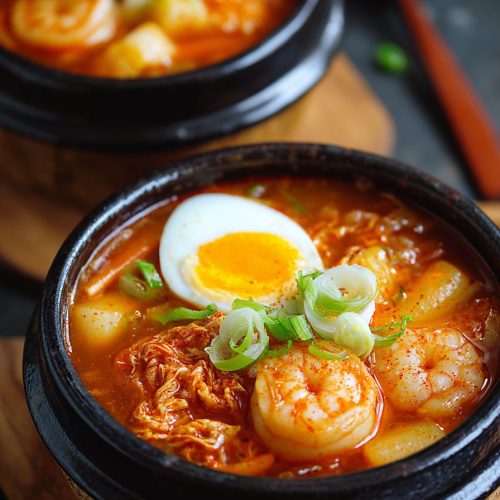
Yopokki (Easy Spicy Tteokbokki-Style Korean Rice Cakes)
Ingredients
- 1 pound Korean rice cakes (tteokbokki tteok) cylindrical; if frozen, soak in warm water 10–15 minutes to soften, then drain
- 2 cups low-sodium broth anchovy-kelp broth for classic flavor, or chicken/vegetable broth
- 2 tablespoons gochujang (Korean red chili paste) use mild gochujang if spice-sensitive
- 1–2 tablespoons gochugaru (Korean red chili flakes) 1 tablespoon for milder heat, 2 tablespoons for spicier; reduce or omit for kids
- 2 tablespoons soy sauce use tamari for gluten-free if needed
- 2–3 tablespoons sugar white sugar for classic sweet-and-spicy street-food flavor
- 1 tablespoon corn syrup or rice syrup optional but recommended; adds glossy, sticky texture (sub with extra sugar if needed)
- 1 clove garlic minced
- 1 small onion thinly sliced; yellow or white
- 1 small carrot julienned; optional, adds color and crunch
- 2 green onions sliced; use white/light green parts in sauce and dark green tops for garnish
- 1 tablespoon neutral oil optional; such as canola, grapeseed, or avocado, for sautéing aromatics
- 1/2 cup shredded mozzarella cheese optional; for cheesy Yopokki topping
- toasted sesame seeds for garnish
- sesame oil small drizzle at the end; optional, use sparingly
Instructions
- If your tteokbokki rice cakes are frozen or feel very firm, place them in a bowl and cover with warm (not boiling) water. Soak for 10–15 minutes, then drain well. This helps them cook evenly and become soft yet chewy.1 pound Korean rice cakes (tteokbokki tteok)
- In a medium bowl, whisk together the broth, gochujang, gochugaru, soy sauce, sugar, and corn or rice syrup. Taste a small amount (it will be strong before cooking) and adjust sweetness by adding a little more sugar if you want a more Yopokki-style sweet flavor.2 cups low-sodium broth, 2 tablespoons gochujang (Korean red chili paste), 1–2 tablespoons gochugaru (Korean red chili flakes), 2 tablespoons soy sauce, 2–3 tablespoons sugar, 1 tablespoon corn syrup or rice syrup
- In a large wide skillet or shallow saucepan, heat the neutral oil over medium heat. Add the sliced onion, julienned carrot (if using), minced garlic, and the white/light green parts of the green onions. Sauté for 2–3 minutes, stirring, until the onions start to soften and become fragrant.1 clove garlic, 1 small onion, 1 small carrot, 2 green onions, 1 tablespoon neutral oil
- Add the drained rice cakes to the skillet with the aromatics. Pour the prepared sauce mixture over the top, stirring to ensure the rice cakes are mostly submerged and evenly coated.1 pound Korean rice cakes (tteokbokki tteok), 2 cups low-sodium broth, 2 tablespoons gochujang (Korean red chili paste), 1–2 tablespoons gochugaru (Korean red chili flakes), 2 tablespoons soy sauce, 2–3 tablespoons sugar, 1 tablespoon corn syrup or rice syrup
- Bring the pan to a gentle boil over medium-high heat, then reduce the heat to medium-low and simmer uncovered for about 8–10 minutes. Stir every minute or so, scraping the bottom, to prevent sticking. The sauce should become thick, glossy, and coat the rice cakes, which should be soft but still pleasantly chewy. If the sauce thickens too much before the rice cakes are tender, add 2–3 tablespoons of extra water or broth at a time and continue cooking.1 pound Korean rice cakes (tteokbokki tteok), 2 cups low-sodium broth
- When the rice cakes are just about done, taste and adjust seasoning: add more sugar for extra sweetness, a splash of soy sauce if it needs more salt, or a pinch of gochugaru for extra heat. For cheesy Yopokki, sprinkle the shredded mozzarella evenly over the top. Cover the pan with a lid, reduce the heat to low, and let it sit for 1–2 minutes until the cheese is fully melted and stretchy.2 tablespoons gochujang (Korean red chili paste), 1–2 tablespoons gochugaru (Korean red chili flakes), 2 tablespoons soy sauce, 2–3 tablespoons sugar, 1/2 cup shredded mozzarella cheese
- Turn off the heat. Drizzle a few drops of sesame oil over the top, being careful not to overdo it. Garnish with the dark green tops of the green onions and toasted sesame seeds. Serve immediately while hot and saucy, either in individual bowls or straight from the pan.2 green onions, toasted sesame seeds, sesame oil