Would you like to save this?
Sablefish Recipe (Restaurant-Style, Oven-Baked & Easy Enough for a Weeknight)
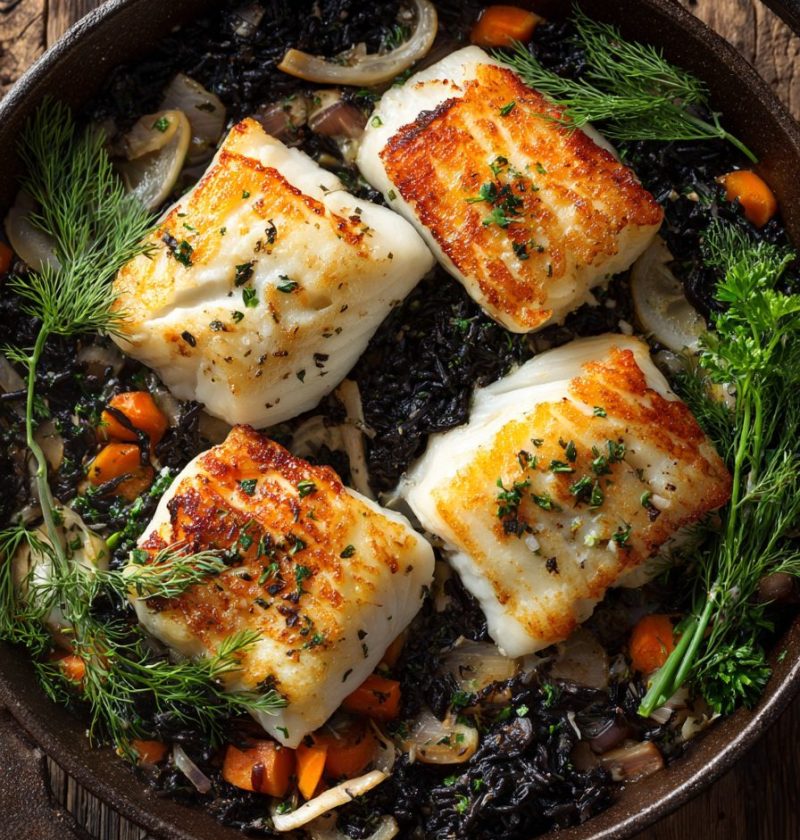
If you’ve been hunting for a silky, restaurant-quality Sablefish Recipe that you can actually pull off on a Tuesday night, you’re in to be spoiled—this baked sablefish with a simple, bold marinade is rich, buttery, and surprisingly low-effort.

What Makes This Sablefish Recipe So Special?
Sablefish—also called black cod—is one of those “chef’s secret” fish that still flies under the radar in a lot of home kitchens. It has a naturally buttery texture, big, tender flakes, and a flavor that’s mild but luxurious, like cod and Chilean sea Bass had a very fancy baby.
This oven-baked sablefish recipe uses a simple, umami-rich marinade and a quick roast at high heat, so the outside caramelizes slightly while the inside stays velvety and moist. It feels like something you’d order at a wine bar, but it’s easy enough to throw together between soccer practice and laundry.
As a 50-year-old woman who’s cooked dinner for picky kids, seafood-skeptical husbands, and health-conscious friends, I love that this sablefish fillet is packed with heart-healthy fats and protein but still feels indulgent. I reach for this sablefish dinner when I:
- Want something special but don’t want to stand at the stove
- Need a main dish that can work with rice, roasted veggies, or just a big salad
- Am feeding guests who “don’t usually like fish,” because this one tends to convert them
And between you and me, it reheats better than most seafood, so leftovers actually taste like a gift.
Why You’ll Love This Sablefish Recipe
- Restaurant-quality at home – This baked sablefish tastes like you ordered it at a fancy seafood place.
- Ridiculously tender – Sablefish is almost impossible to dry out, so it’s very forgiving, even if you’re new to cooking fish.
- Fast cooking time – About 10–12 minutes in the oven; the longest part is letting the sablefish marinade do its magic.
- Healthy but indulgent – High in omega-3s and protein, but it still feels buttery and rich.
- Flexible seasoning – The base marinade is Asian-inspired, but you can spin it Mediterranean, spicy, or lemon-herb with simple tweaks.
- Great for meal prep – The sablefish fillet can marinate ahead and bakes quickly right before dinner.
- Pairs with everything – Rice, quinoa, mashed potatoes, roasted veggies, or a simple green salad all work beautifully.
- Beginner-friendly – No frying, no complicated sablefish preparation—just marinate and bake.
Ingredients for Baked Sablefish with Savory Marinade
This sablefish main course leans on pantry staples, but I’ll give you ideas for swaps as we go.
For the Fish
- 1 ½ to 2 pounds sablefish fillet, skin-on, cut into 4 portions
- Look for firm, glossy flesh with a clean, ocean smell. Frozen is fine—just thaw fully in the fridge and pat dry.
- ½ teaspoon kosher salt (more to taste)
- ¼ teaspoon freshly ground black pepper
For the Sablefish Marinade
- ¼ cup low-sodium soy sauce
- You can use tamari or coconut aminos for gluten-free.
- 2 tablespoons mirin (Japanese sweet rice wine)
- If you don’t have mirin, you can mix 1 ½ tablespoons rice vinegar with ½ tablespoon honey or sugar.
- 1 tablespoon rice vinegar
- 1 ½ tablespoons pure maple syrup
- Honey or brown sugar works too; maple gives a lovely subtle caramel note.
- 1 tablespoon sesame oil (toasted, if possible, for deeper flavor)
- 2 cloves garlic, minced or grated
- 1 teaspoon fresh ginger, grated
- Powdered ginger works in a pinch—use ¼ teaspoon.
- ½ teaspoon crushed red pepper flakes (optional, for a gentle kick)
For Baking & Serving
- 1 tablespoon neutral oil (avocado, canola, or grapeseed) – to lightly oil the baking dish or parchment
- 2 green onions, thinly sliced, for garnish
- 1 teaspoon toasted sesame seeds, for garnish
- Lemon or lime wedges, for squeezing over the finished sablefish dish
Ingredient Tips
- Fish thickness matters: Thicker fillets (around 1–1 ½ inches) work best for this sablefish oven baked method. They stay lush and moist.
- Marinade balance: Taste the marinade before adding the fish—it should be pleasantly salty, slightly sweet, and tangy. If it’s too salty, add a splash more maple syrup or a spoonful of water.
- Soy sauce: I like Kikkoman low-sodium or San-J for tamari. The flavor really does make a difference.
Step-by-Step Directions for This Oven-Baked Sablefish Recipe
1. Prep the sablefish
Pat the sablefish fillets very dry with paper towels—this helps the marinade cling and encourages light caramelization in the oven. Sprinkle all sides lightly with salt and pepper.
2. Make the marinade
In a medium bowl or measuring cup, whisk together the soy sauce, mirin, rice vinegar, maple syrup, sesame oil, garlic, ginger, and red pepper flakes. Taste it—if you like it a touch sweeter, add another teaspoon of maple syrup.
3. Marinate the fish
Place the sablefish fillet portions in a shallow glass dish or a zip-top bag. Pour the marinade over the fish, making sure each piece is well-coated.
- Cover and refrigerate for 30 minutes to 2 hours.
- Don’t marinate much longer than 4 hours; the acid can start to change the texture.
Tip: If you’re rushing, even 20 minutes will still add great flavor. I often combine the marinade and fish, then preheat the oven and prep sides while it soaks.
4. Preheat the oven
About 15 minutes before you’re ready to cook, preheat your oven to 400°F (200°C). Line a baking sheet or baking dish with parchment paper and rub or brush it with the neutral oil.
5. Arrange the sablefish for baking
Remove the fillets from the marinade, letting the excess drip off (but don’t wipe them dry). Place them skin-side down on the prepared baking sheet.
- You can spoon 1–2 tablespoons of the leftover marinade over the top of the fillets. Discard the rest.
6. Bake the sablefish
Bake in the preheated oven for 10–14 minutes, depending on thickness.
- Thinner fillets: start checking at 9–10 minutes.
- Thicker fillets: 12–14 minutes.
The sablefish is done when:
- It flakes easily with a fork,
- The flesh just turns opaque,
- And it registers about 130–135°F (54–57°C) at the thickest part with an instant-read thermometer.
You know what? The biggest mistake folks make here is overbaking. It’s better to pull the fish a minute early and let carryover heat finish the job.
7. Optional: quick broil for extra color
If you want a lightly caramelized top, switch the oven to broil for the last 1–2 minutes. Keep a close eye on it; sugar in the marinade can go from golden to burnt pretty quickly.
8. Rest and garnish
Let the sablefish rest on the baking sheet for 3–5 minutes. Then transfer to plates or a serving platter, sprinkle with green onions and sesame seeds, and serve with lemon or lime wedges.
Servings & Timing
- Yield: Serves 4 as a main course
- Prep Time: 15 minutes active (plus marinating)
- Marinating Time: 30 minutes to 2 hours
- Cook Time: 10–14 minutes
- Total Time: About 1 hour (with marinating on the shorter side), mostly hands-off
This is one of those quietly genius sablefish dinners that fits neatly into a busy evening—you can marinate the fish while you chop veggies, cook rice, or answer those never-ending emails.
Easy Variations to Make This Sablefish Dish Your Own
You can use this base sablefish preparation as a jumping-off point and tweak it based on what you’re craving.
- Citrus-Garlic Sablefish – Swap mirin and maple for 2 tablespoons orange juice and 1 tablespoon lemon juice; add an extra clove of garlic and finish with fresh parsley.
- Spicy Miso Sablefish – Whisk 1 tablespoon white miso paste into the marinade, add more red pepper flakes, and sprinkle with extra sesame seeds before baking.
- Herby Mediterranean Sablefish – Replace soy sauce with 2 tablespoons olive oil and 2 tablespoons lemon juice; add 1 teaspoon dried oregano and 1 teaspoon thyme; serve over couscous with cherry tomatoes.
- Low-Sodium Sablefish Recipe – Use coconut aminos in place of soy sauce and reduce added salt; bump up the ginger and garlic for more punch.
- Honey-Garlic Sablefish with Sauce – Use honey instead of maple, then simmer the leftover marinade (boil 2–3 minutes) with a splash of water to create a glossy sablefish sauce to drizzle on top.
- Pan-Seared then Oven-Finished – For deeper browning, quickly sear the fillets skin-side down in a hot, oven-safe skillet for 2–3 minutes, then transfer to the oven to finish.
How to Store, Reheat, and Make Ahead
One of the reasons I love sablefish is that it reheats better than delicate white fish like tilapia or sole. Still, a gentle touch helps.
Storing Leftovers
- Let the baked sablefish cool to room temperature for no more than 30 minutes.
- Store in an airtight container in the refrigerator for up to 3 days.
- Keep the fillets whole if possible; cut pieces dry out more quickly.
Freezing
- Cooked sablefish can be frozen, though the texture softens slightly.
- Wrap each cooled fillet tightly in plastic wrap, then place in a freezer bag.
- Freeze for up to 2 months. Thaw overnight in the fridge before reheating.
Reheating
- Oven (best method): Place the sablefish in a baking dish, add a tablespoon of water or broth, cover with foil, and warm at 275–300°F for 10–12 minutes, just until hot.
- Stovetop: Gently reheat in a covered skillet over low heat with a splash of water or broth.
- Microwave: Use only if you must—heat at 50% power in short bursts, checking often so it doesn’t overcook.
Make-Ahead Tips
- You can mix the marinade up to 3 days ahead and keep it in the fridge.
- You can also place the raw sablefish in the marinade in the morning, then bake it that evening—just stay under 4 hours of marinating.
- If you’re serving guests, marinate the fish, prep all sides, and then slide the sablefish in the oven right as people sit down with a glass of wine.
Notes from My Kitchen Tests (and a Few Little Lessons Learned)
- Thickness is your friend: I tested thin and thick sablefish fillets, and the thicker pieces—around 1 ¼ inches—stayed dreamily moist while the thinner ones cooked much faster. If you get thin fillets, check early and often.
- Don’t skip the pat-dry step: Wet fish dilutes your sablefish marinade and can steam instead of roast. A quick pat-down with paper towels makes a real difference.
- Timed sides work best: Since the fish cooks so quickly, I like sides that hold well—rice, quinoa, roasted broccoli, or a big sheet pan of mixed vegetables that can stay warm while the sablefish bakes.
- Let the flavors shine: Sablefish is rich, so it doesn’t need heavy sauces. A simple squeeze of citrus and some fresh herbs are often enough.
- Use what you have: If you don’t have mirin or sesame oil, don’t stress. A splash of white wine or extra vinegar plus a drizzle of olive oil can still make a very tasty baked sablefish.
Honestly, the more I make this, the less I fuss—good fish, a salty-sweet marinade, hot oven, and you’re golden.
FAQs About This Sablefish Recipe
1. What is sablefish, and can I use another type of fish?
Sablefish (black cod) is a rich, buttery, flaky fish that’s high in healthy fats. You can substitute Chilean sea bass or fattier cod fillets, but the texture won’t be quite as silky.
2. Do I have to marinate the sablefish, or can I bake it plain?
You can absolutely season it simply with salt, pepper, and lemon and bake it, but the marinade adds a lot of flavor and a lovely glaze. Even 20–30 minutes of marinating helps.
3. How do I know when the sablefish is cooked properly?
It should look opaque (not translucent), flake easily with a fork, and feel just firm to the touch. If you use a thermometer, aim for about 130–135°F in the thickest part.
4. Can I cook this sablefish recipe in a skillet instead of the oven?
Yes—sear the fillets in a lightly oiled skillet over medium-high heat, skin-side down first, for 3–4 minutes, then flip and cook 2–4 minutes more, depending on thickness. You may need to lower the heat to keep the marinade from burning.
5. Is this sablefish dish good for kids or picky eaters?
Most of the time, yes. It’s mild and not “fishy,” and the slightly sweet sauce is usually kid-approved. You can skip the red pepper flakes if you’re feeding sensitive palates.
6. Can I make this recipe gluten-free?
Yes—just use gluten-free tamari or coconut aminos instead of regular soy sauce, and double-check labels on vinegar and mirin.
7. What sides go well with this sablefish main course?
Steamed rice, jasmine or basmati, roasted asparagus, green beans, sautéed bok choy, or even creamy mashed potatoes all work beautifully. A simple cucumber salad is fantastic for contrast.
8. Can I double this sablefish recipe for a dinner party?
You can. Just use a larger baking sheet or two separate pans so the fillets aren’t crowded, and rotate the pans halfway through baking if your oven has hot spots.
Wrapping It Up (and a Little Nudge from My Kitchen to Yours)
This Sablefish Recipe is one of those rare weeknight meals that feels like a special occasion—rich, buttery, and full of flavor, but simple enough that you’re not exhausted when you sit down to eat. With its quick oven-baked method, flexible marinade, and forgiving texture, this sablefish dinner is a solid choice whether you’re cooking for your family or trying to impress guests.
If you try this baked sablefish with savory marinade, I’d love to hear how it turned out—leave a comment with your tweaks, your favorite side dishes, or whether it converted any fish skeptics in your house. And if you’re in a seafood mood, you might enjoy exploring more simple fish recipes next, like miso-glazed Salmon, sheet pan lemon cod, or a quick Shrimp stir-fry.
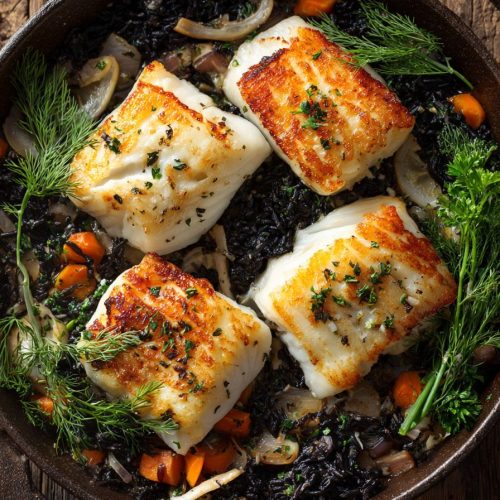
Oven-Baked Sablefish with Savory Marinade
Ingredients
- 1.5 to 2 pounds sablefish fillet skin-on, cut into 4 portions
- 1/2 teaspoon kosher salt more to taste
- 1/4 teaspoon black pepper freshly ground
- 1/4 cup low-sodium soy sauce or tamari/coconut aminos for gluten-free
- 2 tablespoons mirin Japanese sweet rice wine; or 1 1/2 tbsp rice vinegar + 1/2 tbsp honey/sugar
- 1 tablespoon rice vinegar
- 1 1/2 tablespoons pure maple syrup or honey or brown sugar
- 1 tablespoon sesame oil toasted, if possible
- 2 cloves garlic minced or grated
- 1 teaspoon fresh ginger grated; or 1/4 teaspoon powdered ginger
- 1/2 teaspoon crushed red pepper flakes optional, for a gentle kick
- 1 tablespoon neutral oil such as avocado, canola, or grapeseed; for greasing parchment or baking dish
- 2 green onions thinly sliced, for garnish
- 1 teaspoon toasted sesame seeds for garnish
- lemon or lime wedges for serving
Instructions
- Pat the sablefish fillets very dry with paper towels so the marinade clings and the fish caramelizes lightly in the oven. Season all sides lightly with kosher salt and freshly ground black pepper.1.5 to 2 pounds sablefish fillet, 1/2 teaspoon kosher salt, 1/4 teaspoon black pepper
- In a medium bowl or measuring cup, whisk together the soy sauce, mirin, rice vinegar, maple syrup, sesame oil, garlic, ginger, and crushed red pepper flakes. Taste and adjust—add a little more maple syrup or a splash of water if it tastes too salty.1/4 cup low-sodium soy sauce, 2 tablespoons mirin, 1 tablespoon rice vinegar, 1 1/2 tablespoons pure maple syrup, 1 tablespoon sesame oil, 2 cloves garlic, 1 teaspoon fresh ginger, 1/2 teaspoon crushed red pepper flakes
- Place the sablefish portions in a shallow glass dish or zip-top bag. Pour the marinade over, making sure each piece is well coated. Cover and refrigerate for 30 minutes to 2 hours (do not exceed 4 hours). If you’re in a rush, even 20 minutes of marinating will add great flavor.1.5 to 2 pounds sablefish fillet, 1/4 cup low-sodium soy sauce, 2 tablespoons mirin, 1 tablespoon rice vinegar, 1 1/2 tablespoons pure maple syrup, 1 tablespoon sesame oil, 2 cloves garlic, 1 teaspoon fresh ginger, 1/2 teaspoon crushed red pepper flakes
- About 15 minutes before baking, preheat the oven to 400°F (200°C). Line a baking sheet or shallow baking dish with parchment paper and lightly brush or rub it with neutral oil.1 tablespoon neutral oil
- Remove the sablefish from the marinade, letting the excess drip off but not wiping it dry. Place the fillets skin-side down on the prepared baking sheet. Spoon 1–2 tablespoons of the leftover marinade over the tops of the fillets and discard the remaining marinade.1.5 to 2 pounds sablefish fillet
- Bake in the preheated oven for 10–14 minutes, depending on thickness. Start checking thinner fillets at 9–10 minutes and thicker fillets at 12–14 minutes. The fish is done when it flakes easily with a fork, the flesh is just opaque, and it registers about 130–135°F (54–57°C) in the thickest part. It’s better to pull it slightly early and let carryover heat finish cooking.
- For extra caramelization, switch the oven to broil for the last 1–2 minutes of cooking. Watch closely, as the sugars in the marinade can burn quickly.
- Let the baked sablefish rest on the pan for 3–5 minutes. Transfer to plates or a serving platter, garnish with sliced green onions and toasted sesame seeds, and serve with lemon or lime wedges for squeezing over the top.2 green onions, 1 teaspoon toasted sesame seeds, lemon or lime wedges