Would you like to save this?
Recipe With Sauerkraut: Cozy, Savory Comfort Food You’ll Crave All Winter
This hearty, old‑fashioned recipe with sauerkraut, pork, and sausage is the kind of stick‑to‑your‑ribs comfort food that makes the whole house smell amazing and brings everyone straight to the table.
What This Sauerkraut Recipe Is All About
Let me set the scene. It’s a chilly evening, you’ve had a long day, and you want something warm, savory, and a little nostalgic—but you don’t want to fuss with a dozen fancy techniques. That’s exactly where this recipe with sauerkraut comes in.
We’re talking about a cozy cooked sauerkraut dish with tender pork, smoky sausage, and slowly simmered, tangy fermented cabbage that mellows into something rich and almost buttery. It borrows flavors from a traditional German sauerkraut dish and a rustic Polish sauerkraut recipe—think “weekday version” of something you’d get at a family Oktoberfest or in a Polish grandma’s kitchen.
I grew up in the Midwest, where sauerkraut and sausage were regulars at church potlucks. Over the years, I’ve tweaked this into a reliable, easy sauerkraut recipe that:
- Uses pantry basics
- Can be made on the stovetop or in the oven
- Plays nicely with mashed potatoes, crusty bread, or even rice
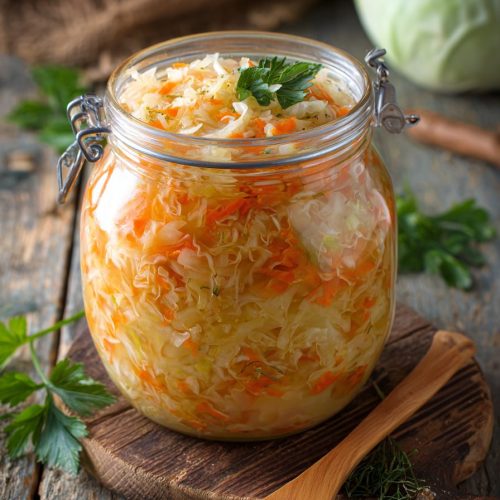
It’s a great way to celebrate fermented foods at home—especially if you’re into homemade sauerkraut or experimenting with gut‑friendly dishes. Fermented Cabbage Recipes like this bring probiotics, fiber, and satisfying protein together in one big, cozy pot. It’s honest sauerkraut comfort food, but a bit lighter and fresher than the heavy versions you might remember from childhood.
Why You’ll Love This Recipe With Sauerkraut
- Deep, savory flavor with simple ingredients – Tangy sauerkraut, smoky sausage, and pork slow‑cook into layers of flavor without any complicated steps.
- Flexible cooking method – Make it on the stovetop, in the oven, or in a slow cooker—whatever fits your day.
- Gut‑friendly fermented goodness – Sauerkraut brings probiotics and fiber, turning comfort food into something your body actually appreciates.
- Perfect for make‑ahead dinners – The flavor of this traditional sauerkraut meal gets even better the next day.
- Budget‑friendly family meal – Pork shoulder or pork loin, a jar or bag of sauerkraut, and a few veggies feed a crowd.
- Great for German or Polish‑inspired nights – Pairs beautifully with beer, rye bread, mustard, and potatoes if you’re in that Oktoberfest mood.
- Customizable protein – Use pork, kielbasa, bratwurst, or even chicken sausage—your choice.
- Crowd‑pleasing comfort food – It’s the kind of savory sauerkraut dish that converts “I’m not sure about sauerkraut” people into fans.
Ingredients for a Cozy Sauerkraut, Pork & Sausage Skillet
This is my go‑to sauerkraut dinner idea when I want something hearty that cooks mostly on its own. Here’s what you’ll need.
Main Ingredients
- 2 tablespoons neutral oil or butter
(Canola, avocado, or a mix of butter and olive oil for flavor.) - 1 ½ pounds pork shoulder or pork loin, cut into 1‑inch cubes
(Shoulder gives richer, more tender results; loin is leaner.) - 12–14 ounces smoked sausage or kielbasa, sliced into ½‑inch rounds
(Use Polish kielbasa, bratwurst, or turkey sausage if you’d like it lighter.) - 1 large yellow onion, thinly sliced
(Sweet onions work too for a milder flavor.) - 3 cloves garlic, minced
(Fresh is best; jarred works in a pinch.) - 2 medium carrots, sliced into coins
(Adds a touch of natural sweetness to balance the sauerkraut.) - 1 medium apple, peeled and diced
(Granny Smith or Honeycrisp are lovely; this softens the tang.)
Sauerkraut & Liquid
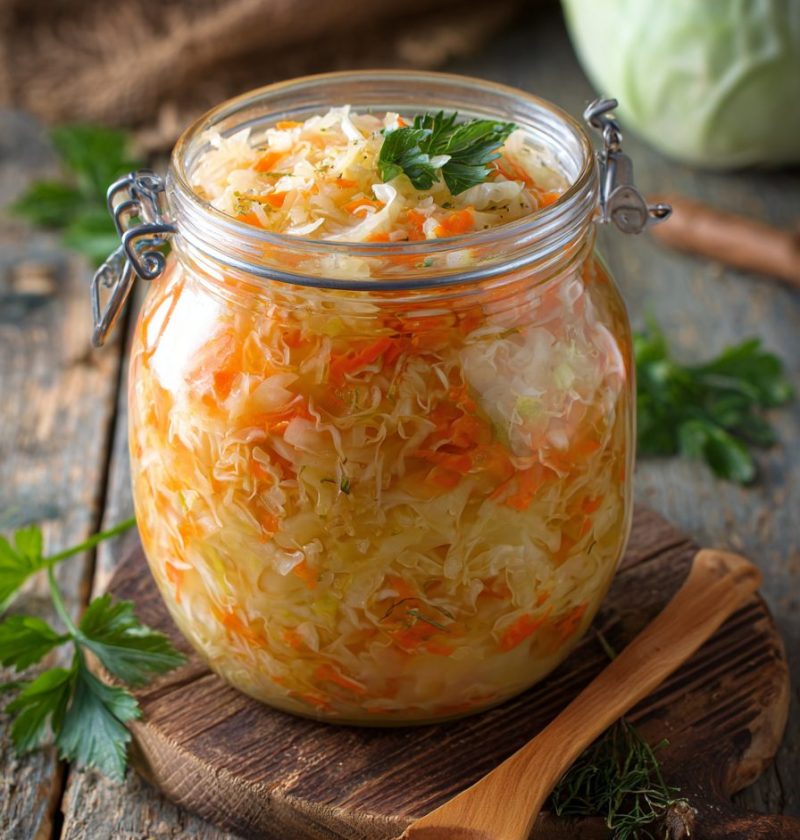
- 32 ounces sauerkraut, drained but not rinsed
(From a bag or jar. If you’re sensitive to tang, you can rinse; see Notes.) - ½–1 cup low‑sodium chicken broth
(Enough to keep things moist without turning it into soup.) - ½ cup dry white wine (optional but recommended)
(Something you’d drink—Pinot Grigio or Sauvignon Blanc; skip if needed and add extra broth.)
Seasoning
- 1 bay leaf
- 1 teaspoon caraway seeds
(Classic in German sauerkraut dishes; helps with digestion and adds flavor.) - ½ teaspoon dried thyme
- 1 teaspoon smoked paprika
(Gives that slow‑smoked taste even if you’re cooking indoors.) - ½ teaspoon freshly ground black pepper
- Salt, to taste
(Add at the end; sauerkraut and sausage are already salty.)
Optional Finishing Touches
- 2 tablespoons butter (to stir in at the end for richness)
- Fresh parsley, chopped, for garnish
- A spoonful of whole‑grain or Dijon mustard at serving time
If you’re using homemade sauerkraut, measure the same amount (about 4 cups, lightly packed). It tends to taste fresher and a bit less salty, which I personally love.

Step‑By‑Step Directions (Stovetop Method)
You don’t need any fancy tools here—just a good heavy pot. A Dutch oven is my favorite.
-
Brown the pork
Heat the oil or butter in a large Dutch oven over medium‑high heat. Pat the pork cubes dry with a paper towel (this helps them brown better), then add them in a single layer. Sear for 3–4 minutes per side, until nicely browned. Work in batches if needed; overcrowding gives you steam instead of color. -
Add the sausage
Once the pork is browned, push it to the sides and add the sliced sausage to the center. Let it get a little golden on each side—about 3–4 minutes total. This step builds that deep, cooked‑all‑day flavor, even if you’re short on time. -
Soften the aromatics
Turn the heat down to medium. Stir in the sliced onion and carrot. Cook for 5–7 minutes, stirring occasionally, until the onion is translucent and starting to caramelize, and the carrots begin to soften. Add the garlic and cook for another 30 seconds, just until fragrant. -
Deglaze the pan
Pour in the white wine (or some of the broth if you’re skipping wine). Use a wooden spoon to scrape up all the browned bits from the bottom of the pot—that’s pure flavor. Let the liquid bubble for 2–3 minutes to reduce slightly. -
Layer in the sauerkraut and apple
Add the drained sauerkraut and the diced apple. Stir well to combine with the pork, sausage, and veggies. The apple will almost melt into the dish as it cooks, rounding out the acidity of the fermented cabbage. -
Season and add broth
Sprinkle in the bay leaf, caraway seeds, thyme, smoked paprika, and pepper. Pour in ½ cup chicken broth to start, then gently stir. You want a moist mixture, not soupy—add a bit more broth if it looks dry. -
Simmer until tender and cozy
Bring everything just to a simmer, then reduce the heat to low. Cover and let it cook gently for 45–60 minutes, stirring every 15 minutes or so. You’re looking for fork‑tender pork, soft sauerkraut, and a nicely thickened, stew‑like texture. -
Taste and adjust
When the pork is tender and the flavors have melded, fish out the bay leaf. Stir in the butter (if using) for a silky finish. Taste before adding any salt—then season lightly if needed. Sauerkraut, sausage, and broth all bring their own salt, so this is where you stay in control. -
Serve piping hot
Spoon your sauerkraut and pork mixture into shallow bowls. Garnish with chopped parsley and serve with mustard on the side. This sauerkraut Casserole‑style dish loves mashed potatoes, boiled baby potatoes, egg noodles, or a thick slice of rye bread.
Servings & Timing
- Yield: About 6 servings
- Prep Time: 20 minutes
- Cook Time: 60 minutes
- Total Time: About 1 hour 20 minutes
If you’re planning a Sunday dinner or a casual holiday spread, this timing works well: prep while you chat or pour a glass of wine, then let it quietly simmer while you make sides or set the table.
Easy Variations and Flavor Twists
Here’s where you can have a little fun with this base recipe with sauerkraut and make it your own.
- Chicken & Sauerkraut Skillet – Swap the pork for boneless, skinless chicken thighs and reduce cooking time by about 15 minutes.
- Vegetarian Sauerkraut Casserole – Skip the meat, add white beans or smoked tofu, extra carrots, and mushrooms, and use vegetable broth.
- Beer‑Braised German Sauerkraut Dish – Replace the wine with a mild lager or pilsner and add an extra teaspoon of mustard.
- Spicy Sauerkraut and Sausage – Stir in ½ teaspoon red pepper flakes and use spicy kielbasa or andouille sausage for a little kick.
- Apple‑Forward Polish‑Style Sauerkraut Recipe – Double the apple, add a handful of prunes or dried cranberries, and increase the caraway for a sweet‑savory twist.
- Sheet‑Pan Sauerkraut Bake – Mix everything (pre‑browned meat, sauerkraut, veggies) in a roasting pan and bake at 350°F for about 45 minutes for more browned edges.
Storage, Reheating, and Make‑Ahead Tips
One of my favorite things about this savory sauerkraut dish is how well it keeps. Honestly, it’s even better the next day.
How to Store
- Refrigerator:
Let leftovers cool to room temperature, then transfer to an airtight container. Store in the fridge for up to 4 days. - Freezer:
Place cooled sauerkraut and meat mixture in freezer‑safe containers or bags. Freeze for up to 3 months. Label it—you’ll thank yourself later.
Reheating
- Stovetop:
Warm over low‑medium heat in a covered saucepan with a splash of broth or water, stirring occasionally, until hot. - Microwave:
Heat in a microwave‑safe dish, covered, in 45‑second bursts, stirring between each, until warmed through.
If frozen, thaw in the fridge overnight before reheating. The texture of the sauerkraut stays surprisingly nice, and the flavors keep deepening.
Make‑Ahead Advice
- You can cook the entire dish 1–2 days ahead, refrigerate, and reheat gently before serving.
- For a party, I sometimes make it the day before, then warm it in a slow cooker on LOW for 2–3 hours; stir occasionally and add a splash of broth if it thickens too much.
Notes, Tips, and Little Things I’ve Learned
-
Rinse or don’t rinse the sauerkraut?
This is a big sauerkraut debate in my email inbox. If you like a bold fermented flavor (I do), just drain and add. If you’re new to sauerkraut or serving kids, rinse briefly under cold water and squeeze out the excess for a milder taste. -
Choosing sauerkraut
Look for refrigerated sauerkraut with just cabbage, salt, and maybe spices. Shelf‑stable canned versions work, but the flavor is usually sharper and less complex. If you love fermented foods, you’ll taste the difference. -
Use caraway seeds—even if you think you won’t like them
They’re subtle once cooked and give that “classic” old‑country flavor to any fermented cabbage recipe. Plus, they’re known to help with digestion, which is handy with a sauerkraut and pork dish. -
Balancing tang and richness
The trick for a satisfying sauerkraut comfort food meal is contrast. The apple and carrot bring natural sweetness; the butter at the end adds roundness; and the smoked sausage adds depth. Don’t skip that tiny pat of butter at the end—it softens the edges. -
Serving suggestions
My favorite side is creamy mashed potatoes, but this also loves buttered egg noodles, spaetzle, roasted potatoes, or even simple steamed rice. For a lighter plate, serve with a crisp green salad dressed with lemon and olive oil.
FAQs About This Recipe With Sauerkraut
1. Can I make this recipe completely in the oven?
Yes. After browning the meat and sautéing the veggies on the stovetop, cover the pot and bake at 325°F (165°C) for about 60–75 minutes, until the pork is tender.
2. Can I make this in a slow cooker?
Absolutely. Brown the pork and sausage first (for flavor), then transfer everything to a slow cooker and cook on LOW for 6–8 hours or HIGH for 3–4 hours.
3. What kind of sausage works best?
Smoked Polish kielbasa is classic, but bratwurst, German sausage, or even turkey sausage all work. Just avoid very crumbly sausages, which can break down too much.
4. My sauerkraut is too sour—how do I fix it?
Rinse the sauerkraut before using, and add an extra apple or a teaspoon of brown sugar while it simmers. Let it cook a bit longer; time softens the tang.
5. Can I use canned sauerkraut instead of refrigerated?
Yes, you can. Drain it well and, if it tastes very strong straight from the can, give it a quick rinse. The rest of the recipe stays the same.
6. Is this sauerkraut recipe healthy?
It’s a hearty, real‑food meal with protein, fiber, and fermented cabbage for your gut. If you want it lighter, use lean pork, turkey sausage, and skip the butter at the end.
7. How do I keep the pork from drying out?
Use pork shoulder for more forgiving results and keep the heat low once it’s simmering. Gentle, slow cooking keeps the pork tender and juicy.
8. Can I halve or double the recipe?
Yes. Halve the ingredients for a smaller household, or double for a big gathering—just use a large enough pot and add a little more broth if needed.
Wrapping It Up (And Passing the Spoon)
This recipe with sauerkraut is one of those meals that feels a little old‑fashioned in the best possible way—simple ingredients, slow heat, and a pot that brings people into the kitchen just to ask, “What smells so good?”
Whether you grew up on German sauerkraut dishes, Polish sauerkraut recipes, or you’re just starting to explore fermented cabbage at home, I hope this becomes one of your favorite sauerkraut dinner ideas.
If you try it, let me know how it turned out—leave a comment with your tweaks, or tell me if you went more German, more Polish, or made it completely your own. And if you’re in a sauerkraut mood, you might like experimenting with homemade sauerkraut next—it’s easier than you think and so satisfying.
Cozy Sauerkraut, Pork & Sausage Skillet
Ingredients
- 2 tablespoons neutral oil or butter such as canola, avocado, or a mix of butter and olive oil
- 1 1/2 pounds pork shoulder or pork loin cut into 1-inch cubes; shoulder is richer, loin is leaner
- 12-14 ounces smoked sausage or kielbasa sliced into 1/2-inch rounds; Polish kielbasa, bratwurst, or turkey sausage
- 1 large yellow onion thinly sliced; sweet onion also works
- 3 cloves garlic minced
- 2 medium carrots sliced into coins
- 1 medium apple peeled and diced; Granny Smith or Honeycrisp
- 32 ounces sauerkraut drained but not rinsed; rinse briefly and squeeze dry for a milder flavor
- 1/2-1 cup low-sodium chicken broth enough to keep mixture moist but not soupy
- 1/2 cup dry white wine optional but recommended; Pinot Grigio or Sauvignon Blanc
- 1 bay leaf
- 1 teaspoon caraway seeds
- 1/2 teaspoon dried thyme
- 1 teaspoon smoked paprika
- 1/2 teaspoon black pepper freshly ground
- salt to taste; add at the end since sauerkraut and sausage are salty
- 2 tablespoons butter optional, to stir in at the end for richness
- fresh parsley chopped, for garnish (optional)
- whole-grain or Dijon mustard for serving (optional)
Instructions
- Heat the oil or butter in a large Dutch oven over medium-high heat. Pat the pork cubes dry with paper towels, then add them in a single layer. Sear for 3–4 minutes per side, until nicely browned. Work in batches if needed to avoid overcrowding.2 tablespoons neutral oil or butter, 1 1/2 pounds pork shoulder or pork loin
- Push the browned pork to the sides of the pot and add the sliced sausage to the center. Cook for about 3–4 minutes total, turning as needed, until lightly golden and browned in spots.12-14 ounces smoked sausage or kielbasa
- Reduce the heat to medium. Add the sliced onion and carrot to the pot. Cook for 5–7 minutes, stirring occasionally, until the onion is translucent and beginning to caramelize and the carrots start to soften. Stir in the minced garlic and cook for about 30 seconds, just until fragrant.1 large yellow onion, 2 medium carrots, 3 cloves garlic
- Pour in the white wine (or use some of the chicken broth if you prefer to skip the wine). Use a wooden spoon to scrape up the browned bits from the bottom of the pot. Let the liquid bubble for 2–3 minutes to reduce slightly.1/2 cup dry white wine, 1/2-1 cup low-sodium chicken broth
- Add the drained sauerkraut and the diced apple to the pot. Stir well to combine with the pork, sausage, and vegetables. The apple will soften and help balance the tang of the sauerkraut as it cooks.32 ounces sauerkraut, 1 medium apple
- Add the bay leaf, caraway seeds, dried thyme, smoked paprika, and black pepper. Pour in 1/2 cup of chicken broth to start and gently stir everything together. The mixture should be moist but not soupy; add a bit more broth if it looks dry.1 bay leaf, 1 teaspoon caraway seeds, 1/2 teaspoon dried thyme, 1 teaspoon smoked paprika, 1/2 teaspoon black pepper, 1/2-1 cup low-sodium chicken broth
- Bring the mixture just up to a simmer, then reduce the heat to low. Cover and cook gently for 45–60 minutes, stirring every 15 minutes or so, until the pork is fork-tender, the sauerkraut is soft, and the mixture has a thick, stew-like consistency.
- Remove the bay leaf. Stir in the butter, if using, for a richer, silkier finish. Taste the sauerkraut mixture before adding any salt, then season lightly if needed, keeping in mind that sauerkraut, sausage, and broth already contribute saltiness.1 bay leaf, 2 tablespoons butter, salt
- Spoon the sauerkraut, pork, and sausage into shallow bowls. Garnish with chopped fresh parsley and serve hot, with whole-grain or Dijon mustard on the side. This dish pairs especially well with mashed or boiled potatoes, egg noodles, or rye bread.fresh parsley, whole-grain or Dijon mustard