Would you like to save this?
Greek Seasoning Recipe (Better Than Store‑Bought!)
If you love bold, zesty Mediterranean flavors, this easy Greek Seasoning Recipe will be your new all-purpose favorite for Chicken, veggies, and everything in between.
What Is Greek Seasoning, Really?
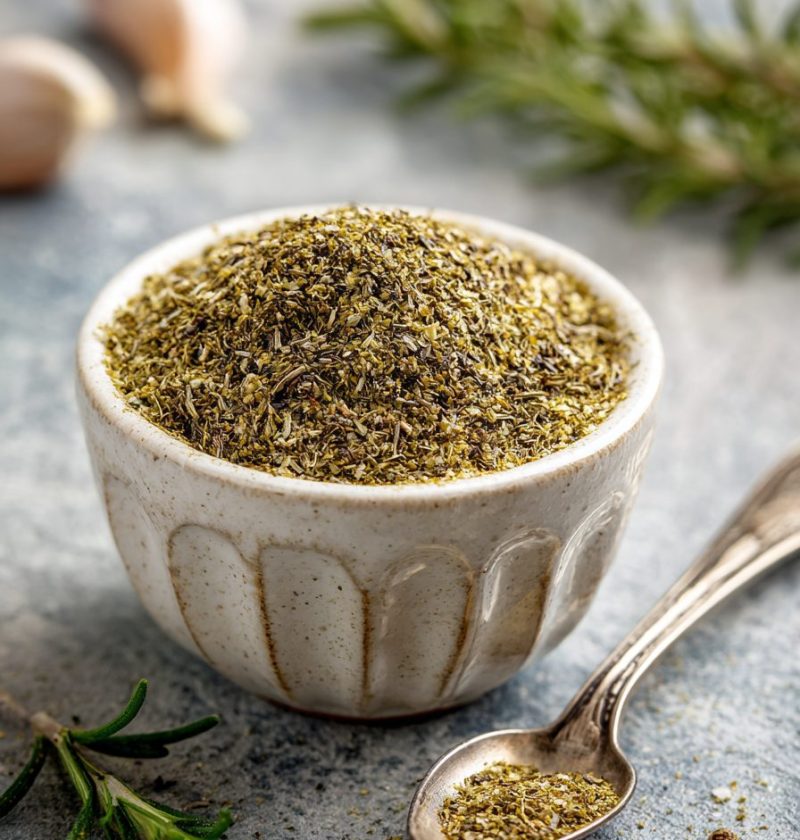
Let me explain what we’re making here. This Greek Seasoning Recipe is a fragrant homemade greek seasoning blend of dried herbs and spices—think oregano, thyme, garlic, and lemon—that you can sprinkle on meats, vegetables, potatoes, salads, and even popcorn. It’s like bottling up a little Greek taverna and keeping it in your pantry.
I started mixing my own greek herb mix years ago when I realized every “Greek seasoning” at the grocery store tasted different: some were too salty, some too heavy on garlic, some just…flat. Plus, many commercial blends sneak in anti-caking agents or mystery “natural flavors.” No thanks.
This diy greek seasoning gives you:
- Complete control over salt
- Clean, simple ingredients
- A reliable mediterranean spice mix that actually tastes like authentic greek flavors
I pull this all purpose greek seasoning out whenever I’m:
- Roasting a tray of veggies on a busy weeknight
- Grilling chicken for meal prep
- Tossing potatoes with olive oil for an easy side
- Or trying to make a plain block of feta a little more exciting
Healthy? Yes. It’s naturally gluten-free, sugar-free, and made entirely from pantry spices. You can easily make it low- or no-salt, and it turns “just chicken” or “just zucchini” into something you actually look forward to.
And honestly, once you have this in your spice drawer, you’re going to wonder how you cooked without it.
Why You’ll Love This Greek Seasoning Recipe
- Simple pantry ingredients – Everything comes from common dried herbs and spices you probably already own.
- No fillers, no additives – Just a clean mediterranean herb blend you can feel good about.
- Customizable salt level – Make it low-sodium, salt-free, or just-right for your family’s taste.
- Huge flavor, tiny effort – Stir together once, enjoy bold greek spice seasoning for weeks.
- All-purpose magic – Works as greek chicken seasoning, greek vegetable seasoning, and even greek meat seasoning for lamb and beef.
- Meal prep friendly – Mix a big batch and you’ve got instant flavor for fast weeknight dinners.
- Budget-conscious – Homemade greek seasoning costs far less than the little bottles from fancy brands.
- Naturally gluten-free & vegan – Perfect for mixed-diet households and guests.
- Long shelf life – Keeps well, so you can always have authentic greek flavors on hand.
- Great for beginners – No special skills; if you can stir, you can make this.
Ingredients for the Best Homemade Greek Seasoning
Here’s the base recipe I’ve tested again and again. It uses everyday spices but in a balance that creates a bright, savory lemon herb seasoning you’ll reach for constantly.
This makes about ½ cup of seasoning.
-
2 tablespoons dried oregano
- Classic in any oregano thyme blend. Look for Greek or Mediterranean oregano if you can—it’s a bit more robust.
-
1 tablespoon dried thyme
- Adds earthy, woodsy flavor. Rub it between your fingers before adding to awaken the oils.
-
1 tablespoon dried basil
- Softens the sharper herbs and brings that warm Italian-meets-Greek feel.
-
1 tablespoon dried parsley
- Mild but fresh; it helps round out the blend and adds a “green” note.
-
2 teaspoons dried rosemary, finely crushed
- Strong and piney; crush with your fingers or lightly with a mortar and pestle so you don’t get big woody needles.
-
2 teaspoons onion powder
- Adds savory depth without chunks, perfect for a smooth garlic herb seasoning style blend.
-
2 teaspoons garlic powder
- The backbone of any good greek spice seasoning. Use garlic powder (not granules) for an even mix.
-
1–1½ teaspoons fine sea salt
- Start on the lower side if you’re watching sodium or plan to salt your food separately. You can always add more.
-
1 teaspoon freshly ground black pepper
- Freshly ground makes a difference here—pepper gets dull when it sits pre-ground too long.
-
1 teaspoon dried marjoram (optional but lovely)
- Very common in Greek cooking; think of it as oregano’s softer cousin.
-
1 teaspoon dried lemon peel or lemon zest powder
- This is what gives that sunny lemon herb seasoning vibe without making the blend clumpy. If you don’t have dried lemon peel, see substitutions below.
-
½ teaspoon ground cinnamon (yes, really, optional)
- Just a pinch adds warmth and that subtle background note you taste in some authentic Greek dishes. It won’t make it “sweet,” promise.
-
½ teaspoon crushed red pepper flakes (optional)
- For a gentle kick. Add more if your family likes a little heat.
Substitutions & Tips
- No dried lemon peel? Add the zest of 1 fresh lemon to your dish separately when you cook, or stir in ½ teaspoon citric acid for a tangy accent.
- Salt-free version: Simply leave out the salt and label your jar “No-Salt Greek Seasoning.” Salt your recipes to taste.
- Herb quality matters: If your dried herbs are more than 1–2 years old and smell weak, it’s time to replace them. Fresh herbs = better, brighter mediterranean spice mix.
- Kosher vs. sea salt: If you use kosher salt instead of fine sea salt, you may want a bit more because the crystals are larger and less salty by volume.

Step-by-Step Directions (It’s Mostly Just Stirring, I Promise)
-
Measure all ingredients
Add the oregano, thyme, basil, parsley, rosemary, onion powder, garlic powder, salt, pepper, marjoram, dried lemon peel, cinnamon, and red pepper flakes (if using) to a small mixing bowl. Using measuring spoons keeps your ratios consistent every time, which is the secret to a reliable greek seasoning blend. -
Crush the herbs for extra flavor
Before you stir, use clean fingers to gently rub the dried herbs (especially oregano, thyme, and rosemary) between your hands right over the bowl. This releases their natural oils and instantly boosts aroma—little restaurant trick. -
Stir until completely combined
Use a small whisk or fork to mix everything thoroughly so there are no pockets of salt or spices. You want a uniform mediterranean herb blend that looks consistent from top to bottom. -
Taste test the dry mix (yes, really)
Pinch a tiny bit between your fingers and taste it straight, or sprinkle on a slice of cucumber or a tomato wedge. If it tastes too salty, add more herbs. Not quite punchy enough? Add a pinch more garlic powder, lemon peel, or black pepper. -
Transfer to an airtight container
Spoon the Greek Seasoning into a clean, dry glass jar or a small spice jar with a tight-fitting lid. Label it with the name and today’s date. I like using 4-ounce mason jars or repurposed spice jars. -
Store in a cool, dark place
Keep your jar in a cabinet away from direct sunlight and heat (not right above the stove). Light and heat cause dried herbs to lose potency faster, and we worked too hard for that flavor to let it fade. -
Use generously on your favorite foods
As a general guideline, start with about 1–1½ teaspoons of this all purpose greek seasoning per pound of meat or per pan of vegetables, then adjust to taste. It’s forgiving, so you can play a bit here.
Servings & Timing
- Yield: About ½ cup Greek Seasoning (roughly 24 teaspoons)
- Prep Time: 10 minutes
- Chill/Rest Time: Optional, 0–24 hours (flavors meld more if it sits overnight)
- Total Time: 10 minutes active (plus optional resting time)
If you’re making this for the first time, I do like to mix it in the morning and use it that evening. A few hours of “marriage time” in the jar helps the flavors settle together nicely—but you can absolutely use it right away.
Easy Variations to Try
You know what? Once you make the classic version, you’ll probably start tweaking it to match your cooking style. Here are some ideas to get you started:
- Smoky Greek Seasoning – Add 1 teaspoon smoked paprika and an extra pinch of black pepper for grilled meats and potatoes.
- Citrus-Forward Lemon Herb Seasoning – Double the dried lemon peel and skip the cinnamon for an extra bright, zesty profile.
- Spicy Greek Grill Blend – Add 1 teaspoon crushed red pepper flakes and ½ teaspoon cayenne for a bold greek meat seasoning perfect for grilled beef or lamb.
- Low-Sodium Greek Seasoning – Cut the salt down to ½ teaspoon or leave it out completely, then salt your food at the table.
- Greek Chicken Seasoning Mix – Stir in 1 teaspoon paprika and ½ teaspoon ground coriander; it clings beautifully to chicken breasts, thighs, and drumsticks.
- Herby Greek Vegetable Seasoning – Increase parsley and basil by 1 teaspoon each and add a pinch of dill for roasting zucchini, eggplant, and bell peppers.
How to Store & Make Ahead
One of my favorite things about homemade greek seasoning is that it’s a true “set it and forget it” pantry staple.
-
Room temperature storage:
- Keep your seasoning in an airtight jar in a cool, dark cupboard.
- For best flavor, use within 6 months; technically, it’s safe longer, but herbs slowly lose strength.
-
Freezer storage (for extra freshness):
- If you’ve made a big batch, you can store part of it in a small freezer-safe jar.
- The spices won’t freeze solid; they just stay fresher longer. Let the jar sit at room temp for 5–10 minutes before opening so moisture doesn’t condense inside.
-
Make-ahead tips:
- Make a double or triple batch and fill a few small jars.
- Give them as gifts with a little tag of suggested uses: “Sprinkle on roasted veggies, chicken, potatoes, and feta.”
- If you cook Greek-inspired dishes often, refilling your jar once every couple of months keeps the blend tasting bright.
No reheating needed, of course—just give the jar a quick shake before each use in case any heavier ingredients settle at the bottom.
Notes from My Kitchen (A 50-Year-Old Home Cook’s Perspective)
- Balance is key. When I first tested this recipe, my blends were either too heavy on oregano (borderline bitter) or way too garlicky. This ratio hits that sweet spot where nothing shouts over the others.
- Cinnamon is your secret weapon. It may sound odd in a savory mix, but a tiny bit of cinnamon—common in some Greek meat dishes—adds that “What is that?” depth people can’t quite put their finger on.
- Don’t skip the lemon element. Whether you use dried lemon peel or add fresh zest when you cook, that lemony high note is what gives you authentic greek flavors instead of just “Italian-ish herb mix.”
- Use fresh olive oil with it. When you sprinkle this on something, drizzle a bit of good extra-virgin olive oil over too. The fat helps carry the herbs’ aroma, especially on roasted vegetables.
- Taste, then adjust. Everyone’s dried herbs are a little different in strength. Consider your first batch a “test drive.” Make notes—maybe you’ll want more thyme or less salt next time.
And a tiny real-life note: when my kids were teens and “didn’t like vegetables,” I started sprinkling this greek vegetable seasoning on carrots, broccoli, and potatoes. Suddenly the veggies disappeared. Coincidence? I don’t think so.
Frequently Asked Questions
1. How much Greek Seasoning should I use per pound of meat?
Start with 1–1½ teaspoons of this greek seasoning blend per pound of chicken, pork, or beef, plus salt if needed, then adjust after cooking.
2. Can I use this as a marinade?
Yes—mix 1–2 tablespoons of the seasoning with ¼ cup olive oil and 1–2 tablespoons lemon juice or vinegar for a quick Greek-style marinade.
3. Is this Greek Seasoning Recipe gluten-free?
All the ingredients listed are naturally gluten-free; just make sure your individual spices are from brands that don’t process them with wheat-containing additives.
4. Can I substitute fresh herbs for dried?
Not in the blend itself. Fresh herbs don’t store well in a jar, but you can absolutely add fresh oregano, thyme, or parsley when you cook for a brighter finish.
5. What can I use if I don’t have dried lemon peel?
You can stir a little fresh lemon zest directly into your dish while cooking, or add a small pinch of citric acid to the dry mix for tang.
6. How long does homemade greek seasoning last?
For the best flavor, use it within 6 months, though it’s still safe beyond that—just less vibrant.
7. Is this good for fish and seafood?
Yes, it’s wonderful on salmon, cod, shrimp, or halibut. Use a light hand—about ½ to 1 teaspoon per pound—since fish is more delicate.
8. Can I reduce the garlic or onion for sensitivity?
Absolutely. Cut the garlic powder and onion powder amounts in half, or leave one out entirely, and increase the herbs slightly to compensate.
How to Use Your Greek Seasoning (A Few Ideas to Get You Started)
Let’s connect the dots a bit, because a jar of seasoning is only as helpful as the meals it inspires.
- Greek chicken: Toss chicken thighs with olive oil and 1–2 teaspoons greek chicken seasoning per pound, then bake or grill. Serve with lemon wedges and a side of rice or potatoes.
- Roasted vegetables: Coat zucchini, bell peppers, onions, and cherry tomatoes with olive oil and a generous sprinkle of greek vegetable seasoning. Roast at 425°F until caramelized.
- Potatoes “Greek Taverna” style: Toss potato wedges with olive oil, this seasoning, and a squeeze of lemon; roast until golden and crisp.
- Quick salad upgrade: Sprinkle over cucumber and tomato salad, then drizzle with olive oil and red wine vinegar.
- Greek-style burgers or meatballs: Mix 1–2 teaspoons into each pound of ground beef, turkey, or lamb for easy greek meat seasoning.
Conclusion: A Little Jar of Greek Sunshine
This Greek Seasoning Recipe is one of those small, simple things that quietly changes how you cook—suddenly dinners taste brighter, more interesting, and a bit like you’ve snuck away to a seaside café for the evening. It’s budget-friendly, easy to customize, and way more flavorful than most store-bought blends.
Give it a try, tweak it to your own taste, and let me know in the comments how you’re using it—on chicken, vegetables, potatoes, or something totally unexpected. And if you enjoy these Mediterranean flavors, you might also like exploring more herb-forward mixes like Italian seasoning or za’atar next.
Greek Seasoning Recipe (Better Than Store‑Bought!)
Ingredients
- 2 tablespoons dried oregano
- 1 tablespoon dried thyme
- 1 tablespoon dried basil
- 1 tablespoon dried parsley
- 2 teaspoons dried rosemary finely crushed
- 2 teaspoons onion powder
- 2 teaspoons garlic powder
- 1 to 1 1/2 teaspoons fine sea salt start with less if watching sodium
- 1 teaspoon freshly ground black pepper
- 1 teaspoon dried marjoram optional but recommended
- 1 teaspoon dried lemon peel or lemon zest powder
- 1/2 teaspoon ground cinnamon optional
- 1/2 teaspoon crushed red pepper flakes optional, to taste
Instructions
- Add the oregano, thyme, basil, parsley, rosemary, onion powder, garlic powder, salt, black pepper, marjoram (if using), dried lemon peel, cinnamon (if using), and red pepper flakes (if using) to a small mixing bowl. Use measuring spoons so your ratios stay consistent.2 tablespoons dried oregano, 1 tablespoon dried thyme, 1 tablespoon dried basil, 1 tablespoon dried parsley, 2 teaspoons dried rosemary, 2 teaspoons onion powder, 2 teaspoons garlic powder, 1 to 1 1/2 teaspoons fine sea salt, 1 teaspoon freshly ground black pepper, 1 teaspoon dried marjoram, 1 teaspoon dried lemon peel or lemon zest powder, 1/2 teaspoon ground cinnamon, 1/2 teaspoon crushed red pepper flakes
- Using clean fingers, gently rub the dried herbs—especially the oregano, thyme, and rosemary—between your hands over the bowl to release their natural oils and boost aroma.2 tablespoons dried oregano, 1 tablespoon dried thyme, 2 teaspoons dried rosemary
- Use a small whisk or fork to stir until everything is evenly combined and the seasoning looks uniform throughout.
- Pinch a tiny bit of the dry mix and taste it, or sprinkle some on a slice of cucumber or tomato. If it tastes too salty, add more herbs. If it needs more punch, add a bit more garlic powder, dried lemon peel, or black pepper.2 teaspoons onion powder, 2 teaspoons garlic powder, 1 to 1 1/2 teaspoons fine sea salt, 1 teaspoon freshly ground black pepper, 1 teaspoon dried lemon peel or lemon zest powder
- Spoon the Greek seasoning into a clean, dry glass jar or spice jar with a tight-fitting lid. Label with the name and today’s date.
- Store the jar in a cool, dark cupboard away from heat and direct sunlight. For best flavor, use within 6 months.
- Use about 1 to 1 1/2 teaspoons of this Greek seasoning per pound of meat or per pan of vegetables, adjusting to taste.