Would you like to save this?
Chess Pie Recipe
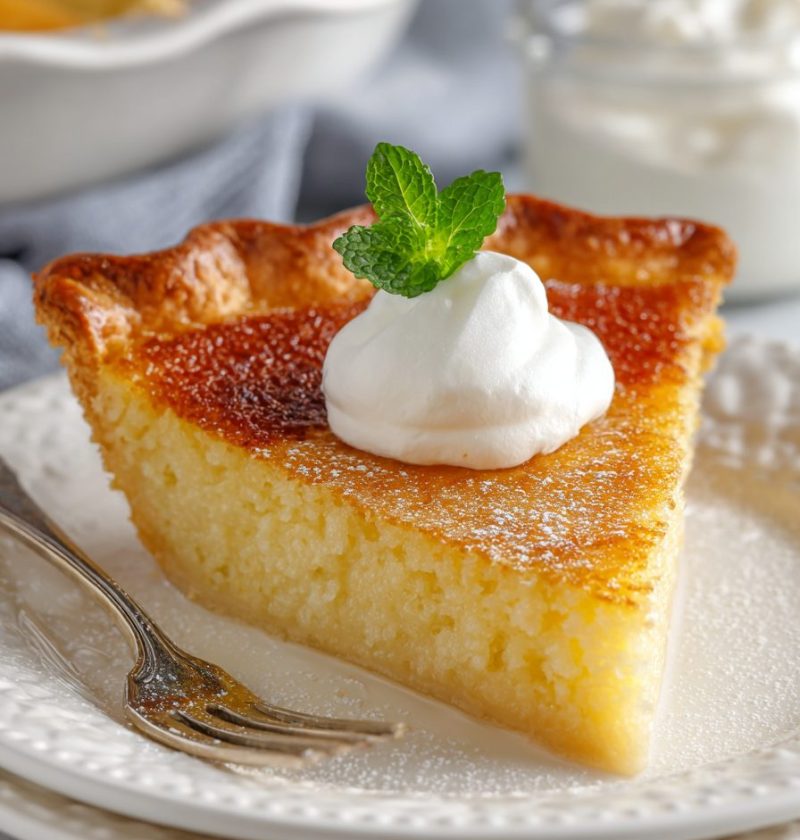
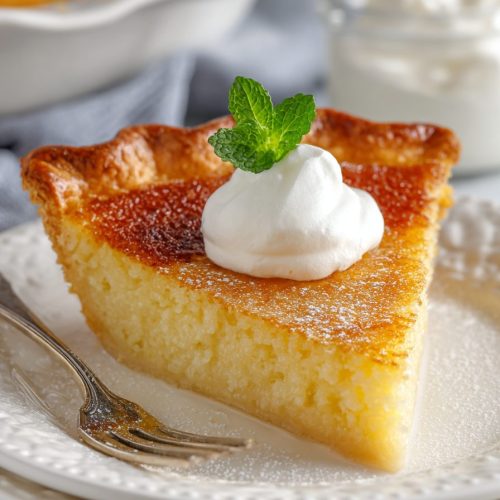
Sweet, buttery, and impossibly simple, this classic Chess Pie Recipe bakes into a golden, crackly-topped custard that tastes like a warm hug with every bite.
What Is Chess Pie, Anyway?
If you grew up in the American South, a classic chess pie probably needs no introduction. For the rest of us, think of it as a rich custard pie—sometimes called a “sugar butter pie”—with a whisper of cornmeal that creates the most delightful texture and that signature crackly top.
This is an old fashioned chess pie, the kind of traditional southern dessert you’d expect to see on a church potluck table or at a holiday spread. It uses basic pantry ingredients (sugar, eggs, butter, a little cornmeal, and milk or cream) and turns them into a sweet custard pie that’s almost embarrassingly easy for how impressive it looks.
I’m a 50-year-old mom and grandma, and this southern chess pie has been in my recipe box since my early twenties. I make it for Thanksgiving when there’s already pumpkin and pecan on the table, for Easter brunch with berries, and honestly, for random Tuesdays when I find an extra pie crust in the freezer. It’s a simple pie recipe that never lets me down.
If you’ve been wanting an easy homemade pie that tastes like a vintage pie recipe straight from Grandma’s kitchen—this buttery chess pie is it.
Why You’ll Love This Chess Pie Recipe
- Uses basic pantry ingredients you probably already have on hand
- Simple, reliable classic chess pie—perfect for beginner bakers
- Buttery chess pie with a rich custard filling and crisp, sugary top
- No fancy equipment needed—just a bowl, whisk, and a pie plate
- Classic American pie that works for every season and every holiday
- Flexible: serve warm, room temperature, or chilled
- Great make-ahead dessert—actually tastes better the next day
- Easy to flavor with lemon, chocolate, or buttermilk variations
- Feels like an old fashioned dessert but fits right into modern baking
Ingredients for Classic Southern Chess Pie
Here’s everything you’ll need for this traditional southern dessert. The measurements are written for a standard 9-inch pie plate.
For the pie crust
- 1 (9-inch) unbaked pie crust, chilled
- Use homemade or store-bought; I often grab a Pillsbury refrigerated crust on busy days.
For the cornmeal custard filling
- 1 ½ cups granulated sugar
- Regular white sugar works best for that classic smooth texture.
- 2 tablespoons light brown sugar, packed (optional but recommended)
- Adds a subtle Caramel note and deepens the flavor.
- 4 large eggs, at room temperature
- Room temperature eggs whisk more easily and bake more evenly.
- ½ cup (1 stick) unsalted butter, melted and slightly cooled
- Use real butter—this is a sugar butter pie; the flavor matters.
- ¼ cup whole milk or half-and-half
- Whole milk gives a lighter custard; half-and-half makes it richer.
- 1 tablespoon fine yellow cornmeal
- This is what gives chess pie that classic cornmeal custard filling and faintly grainy bite.
- 1 tablespoon all-purpose flour
- Helps the custard set nicely so it slices cleanly.
- 1 teaspoon pure vanilla extract
- I like Nielsen-Massey, but any good real vanilla works.
- ¼ teaspoon kosher salt
- Balances all that sweetness.
- 1–2 teaspoons fresh lemon juice (optional but lovely)
- Brightens the flavors without turning it into lemon chess pie.
Ingredient Notes & Simple Swaps
- Pie crust: You can use a frozen deep-dish crust; just keep it chilled while you mix the filling. If you’re using a thinner refrigerated crust in a metal pan, reduce bake time slightly and start checking around 40 minutes.
- Cornmeal: Use fine or medium-grind yellow cornmeal—not cornbread mix. If you only have white cornmeal, that’s okay too.
- Dairy: I don’t recommend skim milk here; you want some fat for that rich custard pie texture.
- Gluten-free: Swap the flour with a 1:1 gluten-free baking blend and use a gluten-free pie crust.

Step-by-Step Directions (So Simple It Feels Like Cheating)
-
Preheat the oven and prep the crust.
Preheat your oven to 350°F (175°C). Place your unbaked pie crust into a 9-inch pie dish, crimp the edges, and pop it into the fridge while you prepare the filling. A chilled crust helps prevent shrinking. -
Melt the butter.
In a small saucepan or the microwave, melt the butter and set it aside to cool slightly. You want it warm, not hot, so it doesn’t scramble the eggs. -
Mix the sugars and dry ingredients.
In a medium bowl, whisk together the granulated sugar, brown sugar, cornmeal, flour, and salt. Breaking up any lumps now makes for a smoother filling later. -
Whisk the eggs.
In a separate large bowl, whisk the eggs until they’re well combined and a little frothy. This helps create that light, custardy texture without needing a mixer. -
Bring it all together.
Add the melted butter to the eggs while whisking slowly, then whisk in the milk (or half-and-half), vanilla, and lemon juice if using. Once that’s smooth, sprinkle in the sugar-cornmeal mixture and whisk until just combined. Try not to overmix; you don’t want too many bubbles. -
Fill the crust.
Take the chilled pie crust out of the fridge and pour the filling in. If you see any stubborn bubbles on top, you can gently tap the pie plate on the counter or lightly run a spoon over the surface. -
Bake until set and golden.
Place the pie on the middle rack and bake for 45–55 minutes. The edges should be puffed and set, and the center will still have a slight jiggle—like Jell-O, not sloshy. The top will form a golden, crackly layer. If the crust browns too quickly, cover the edges with foil or a pie shield. -
Cool completely.
Let the pie cool on a wire rack for at least 2–3 hours. This is the hardest part, but it’s essential. The custard continues to set as it cools, so don’t cut into it too soon or you’ll have messy slices (still tasty, though!). -
Serve and enjoy.
Serve at room temperature or chilled. I love it plain, but it’s also wonderful with whipped cream, a scoop of vanilla ice cream, or fresh berries to cut the sweetness.
You know what? If your pie cracks a little on top, that’s okay. Old fashioned desserts are supposed to look homemade, not like they came from a pastry case.
Servings & Timing
- Yield: 1 (9-inch) pie, about 8 servings
- Prep Time: 15–20 minutes
- Bake Time: 45–55 minutes
- Cooling Time: 2–3 hours
- Total Time: About 3 hours 15 minutes (mostly hands-off)
This is one of those classic pie recipes that fits beautifully into a holiday schedule—bake it in the morning, let it cool while you handle the rest of dinner.
Fun Variations on This Vintage Pie Recipe
If you enjoy this traditional southern dessert, you can tweak it a few ways without losing that old fashioned charm.
- Lemon Chess Pie: Add 3 tablespoons fresh lemon juice and 1 tablespoon lemon zest, and reduce the milk by 2 tablespoons.
- Chocolate Chess Pie: Whisk ¼ cup unsweetened cocoa powder into the sugar mixture and bake as directed.
- Buttermilk Chess Pie: Swap the milk for buttermilk for a tangy, rich custard pie that tastes extra old fashioned.
- Coconut Chess Pie: Stir ½–¾ cup sweetened shredded coconut into the filling for a chewy, tropical twist.
- Brown Butter Chess Pie: Cook the butter until golden and nutty, let it cool, then use as directed for deeper flavor.
- Nutty Chess Pie: Sprinkle ½ cup chopped pecans or walnuts over the bottom of the crust before pouring in the filling.
How to Store and Reheat Chess Pie
One of the reasons I love this easy homemade pie is how well it keeps. It’s a planner’s dream.
- Room temperature: Once fully cooled, the pie can sit at room temperature (loosely covered) for up to 24 hours.
- Refrigerator: For longer storage, cover the pie tightly with plastic wrap or foil and refrigerate for up to 4–5 days. The flavor actually deepens by day two.
- Freezer: Wrap the completely cooled pie (or individual slices) in plastic wrap, then foil, and freeze for up to 2 months.
Reheating & Serving Notes
- For a warm slice, reheat a piece in the microwave for 15–20 seconds, or in a 300°F oven for about 10 minutes.
- If frozen, thaw overnight in the fridge, then bring to room temperature or gently warm before serving.
- For cleaner slices, cut the pie when it’s chilled, then let the pieces come to room temperature for serving.
Notes from My Kitchen (and a Few Lessons Learned)
- Don’t skip the cooling time. When I was younger and impatient, I’d cut into this rich custard pie too soon, and the center would ooze. Still delicious, but not pretty. Cooling is your friend.
- Watch the crust edges. Every oven is different. In my older gas oven, I had to cover the crust edges halfway through. In my newer electric oven, I usually shield them after about 30 minutes.
- Sugar level: This is a sweet custard pie—it’s meant to be. If you’re very sensitive to sweetness, you can reduce the sugar to 1 ¼ cups, but the texture will be slightly softer.
- Cornmeal texture: If you’re nervous about the cornmeal, don’t be. It doesn’t make the pie gritty; it just adds a tiny bit of body and that classic southern baking recipe character.
- Baking dish matters: Glass pie plates tend to brown the crust more evenly; metal pans bake a bit faster. If using a dark metal pan, start checking for doneness 5 minutes earlier.
Honestly, this is one of those old fashioned dessert recipes that forgives a lot. A slightly overbaked chess pie is still tasty, just a bit firmer; a slightly underbaked one is softer but still wonderful cold from the fridge.
FAQs About Chess Pie
Is chess pie the same as custard pie?
It’s very similar, but a chess pie usually includes cornmeal and sometimes a bit of flour, which gives it that unique texture and crackly top.
Why is it called “chess” pie?
There are several stories—my favorite is that someone once said, “It’s just pie,” and in a Southern accent, that sounded like “chess pie.” Whatever the truth, it’s a classic American pie now.
Can I make this chess pie recipe without cornmeal?
You can, but it won’t have that classic chess pie personality. You’ll get more of a plain custard pie. If you must skip it, add an extra tablespoon of flour.
My pie cracked on top. Did I do something wrong?
Not necessarily. Cracking can happen when the pie bakes a bit too long or cools quickly, but it’s very common with chess pies and doesn’t affect the flavor at all.
How do I know when my chess pie is done?
The edges should be set and slightly puffed, and the center should jiggle gently when you nudge the pan. If it ripples like liquid, it needs more time.
Can I make this pie ahead for a holiday?
Absolutely. This is an excellent make-ahead dessert. Bake it the day before, cool completely, then cover and refrigerate. Bring to room temperature before serving.
Is chess pie supposed to be served warm or cold?
Both work. I like it room temperature, but my husband swears it’s best chilled straight from the fridge with coffee.
Can I reduce the sugar for a less sweet pie?
You can cut the sugar by about ¼ cup without hurting the structure too much, but remember—classic chess pie is meant to be quite sweet, like an old fashioned dessert your grandma might serve.
Wrapping It Up (And Serving a Slice)
This Chess Pie Recipe is the very definition of simple, classic comfort: a buttery chess pie with a sweet, cornmeal custard filling and a golden, crackly top. It’s the kind of traditional southern dessert that feels right at home at holidays, potlucks, or a quiet Sunday supper.
If you make this sweet custard pie, I’d love to hear how it turned out—tell me if you tried a variation, or if it reminded you of a pie someone special used to bake. And when you’re ready for more classic baking, try pairing this with a pecan pie or a simple apple crisp for the coziest dessert table.
Classic Southern Chess Pie
Ingredients
- 1 9-inch unbaked pie crust chilled; homemade or store-bought
- 1 1/2 cups granulated sugar
- 2 tablespoons light brown sugar packed; optional but recommended
- 4 large eggs at room temperature
- 1/2 cup unsalted butter melted and slightly cooled (1 stick)
- 1/4 cup whole milk or half-and-half
- 1 tablespoon fine yellow cornmeal
- 1 tablespoon all-purpose flour
- 1 teaspoon pure vanilla extract
- 1/4 teaspoon kosher salt
- 1 teaspoon fresh lemon juice up to 2 teaspoons; optional but recommended
Instructions
- Preheat your oven to 350°F (175°C). Place your unbaked 9-inch pie crust into a pie dish, crimp the edges, and refrigerate while you prepare the filling so the crust stays chilled and helps prevent shrinking.1 9-inch unbaked pie crust
- Melt the unsalted butter in a small saucepan or in the microwave, then set it aside to cool slightly. It should be warm, not hot, so it doesn’t scramble the eggs.1/2 cup unsalted butter
- In a medium bowl, whisk together the granulated sugar, light brown sugar, cornmeal, flour, and salt until well combined and no lumps remain.1 1/2 cups granulated sugar, 2 tablespoons light brown sugar, 1 tablespoon fine yellow cornmeal, 1 tablespoon all-purpose flour, 1/4 teaspoon kosher salt
- In a separate large bowl, whisk the eggs until well combined and slightly frothy to help create a light, custardy texture.4 large eggs
- Slowly whisk the melted, slightly cooled butter into the eggs. Then whisk in the milk (or half-and-half), vanilla extract, and lemon juice if using, until smooth.1/2 cup unsalted butter, 1/4 cup whole milk or half-and-half, 1 teaspoon pure vanilla extract, 1 teaspoon fresh lemon juice
- Sprinkle the sugar-cornmeal mixture into the egg mixture and whisk until just combined. Avoid overmixing so you don’t create too many bubbles.1 1/2 cups granulated sugar, 2 tablespoons light brown sugar, 1 tablespoon fine yellow cornmeal, 1 tablespoon all-purpose flour, 1/4 teaspoon kosher salt
- Remove the chilled pie crust from the fridge and pour the filling into the crust. If there are bubbles on top, gently tap the pie plate on the counter or lightly smooth the surface with a spoon.1 9-inch unbaked pie crust
- Place the pie on the middle oven rack and bake for 45–55 minutes, until the edges are puffed and set and the center has a gentle jiggle (like Jell-O, not liquid). The top should be golden and crackly. If the crust edges brown too quickly, cover them with foil or a pie shield.
- Transfer the pie to a wire rack and let it cool completely for at least 2–3 hours. The custard will continue to set as it cools, allowing for clean slices.
- Serve the chess pie at room temperature or chilled. Enjoy plain or topped with whipped cream, vanilla ice cream, or fresh berries.