Would you like to save this?
Spring Vegetable Quiche Recipe
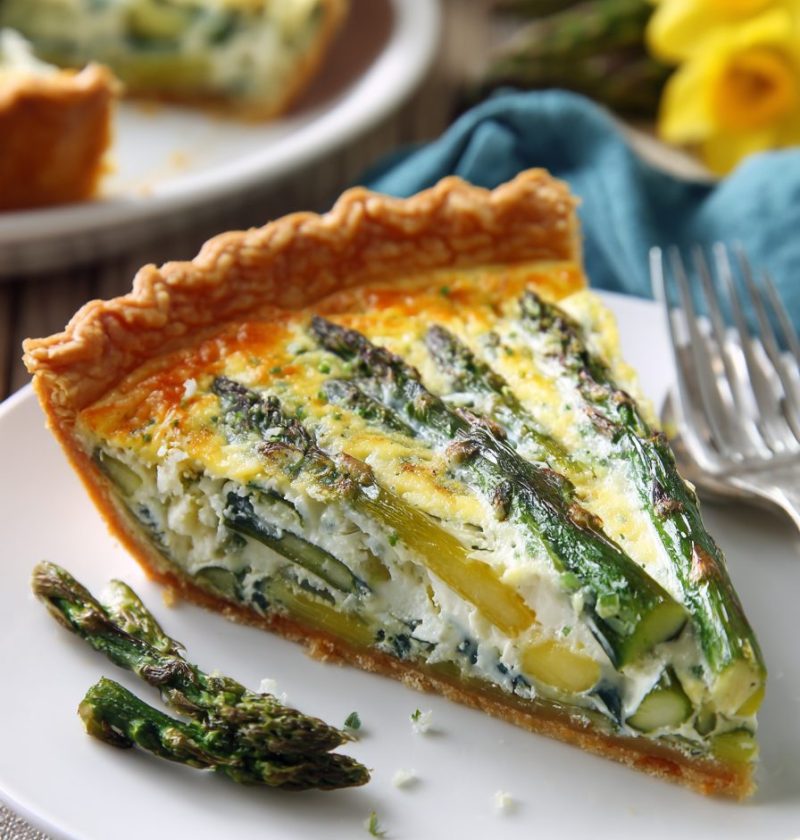
If you’re looking for a fresh, beautiful Spring Vegetable Quiche Recipe that feels right at home on a brunch table or a simple family supper, this one is it—light, creamy, packed with tender vegetables, and baked in a buttery flaky crust.
A fresh-from-the-garden Quiche that feels like spring
There’s something about a spring vegetable quiche that always makes me happy. Maybe it’s the pastel look of the filling, or the way those fresh spring vegetables—especially asparagus, spinach, and green onions—turn a humble egg dish into something that feels a little special. This Spring Vegetable Quiche Recipe is one of those recipes I come back to every year when the farmers market starts showing off. It’s reliable, pretty, and honestly, it makes me look more organized than I really am.
A quiche is basically a savory baked egg tart with a custardy filling tucked into a flaky crust quiche shell. But this isn’t a heavy winter version loaded with bacon and cream. This is a lighter, seasonal vegetable quiche filled with bright flavors, tender greens, and just enough cheese to make every bite rich without weighing you down. I love serving it for Easter brunch, Mother’s Day, baby showers, or those Sunday mornings when everybody wanders into the kitchen asking what smells so good.
From a nutrition standpoint, vegetable-based quiche recipes tend to offer a nice balance of protein, vegetables, and satisfying fats. Eggs bring protein and structure, while spring produce adds fiber, vitamins, and color. It’s also a terrific vegetarian quiche recipe for guests who want something hearty without meat. And if you ask me, a homemade quiche recipe like this is one of the smartest make-ahead dishes you can keep in your back pocket.
Why you’ll love this recipe
- It’s packed with fresh spring vegetables and bright seasonal flavor.
- The creamy egg filling stays tender, never rubbery.
- It works beautifully for brunch, lunch, or a light Dinner.
- You can make it ahead, which is a lifesaver for busy weekends.
- It feels elegant enough for guests but easy enough for everyday cooking.
- It’s a flexible vegetable quiche recipe—swap in what you have.
- The flaky crust gives that classic bakery-style finish.
- It reheats well, so leftovers are actually exciting.
- It’s a dependable spring brunch recipe for holidays and showers.
- It’s one of those easy quiche recipe staples every home cook should know.
Ingredients
Here’s what you’ll need for this spring quiche recipe. I recommend a 9-inch pie dish for the best depth and even baking.
-
1 prepared 9-inch pie crust, homemade or store-bought
(Use Pillsbury refrigerated pie crust or your favorite butter crust. If frozen, thaw according to package directions.) -
1 tablespoon olive oil
-
1 cup asparagus, trimmed and cut into 1-inch pieces
(Choose firm, bright green stalks; thinner asparagus cooks faster and has a sweeter bite.) -
1 cup baby spinach, roughly chopped
(If using regular spinach, remove thick stems first.) -
1/2 cup leeks, cleaned well and thinly sliced
(Leeks add gentle sweetness; you can substitute 1/3 cup diced shallots or green onions.) -
3 green onions, sliced
-
6 large eggs
(Room-temperature eggs blend more smoothly into the custard.) -
1 cup half-and-half
(Or use 3/4 cup whole milk plus 1/4 cup heavy cream for a similar texture.) -
1/2 cup whole milk
-
1 cup shredded Gruyère cheese
(Swiss, white cheddar, or fontina also work well.) -
1/4 cup grated Parmesan cheese
-
1 teaspoon kosher salt
-
1/2 teaspoon black pepper
-
1/4 teaspoon ground nutmeg
(A small amount gives quiche that classic warm undertone—don’t skip it if you can help it.) -
1 tablespoon chopped fresh dill
(Or substitute fresh chives, parsley, or tarragon.) -
1 tablespoon chopped fresh parsley
Optional add-ins:
- 1/2 cup peas
- 1/4 cup crumbled goat cheese
- A pinch of red pepper flakes
- 1 teaspoon lemon zest for a brighter finish

Directions
-
Preheat the oven and prepare the crust.
Preheat your oven to 375°F. Fit the pie crust into a 9-inch pie dish, crimp the edges, and chill it in the refrigerator for 10 minutes. That little rest helps prevent shrinking, and it’s worth it. -
Blind bake the crust.
Line the chilled crust with parchment paper and fill it with pie weights or dried beans. Bake for 15 minutes, then remove the weights and parchment and bake for another 5 minutes until the bottom looks just lightly set. This step keeps the crust from turning soggy once the custard goes in. -
Cook the vegetables briefly.
While the crust bakes, heat the olive oil in a skillet over medium heat. Add the leeks and cook for 2 to 3 minutes until softened. Stir in the asparagus and cook for another 2 minutes. Add the spinach and green onions last, cooking just until the spinach wilts. Remove the pan from the heat and let the vegetables cool slightly. -
Make the custard.
In a large mixing bowl, whisk together the eggs, half-and-half, milk, salt, pepper, and nutmeg until smooth. Stir in the dill and parsley. You want the mixture fully blended but not frothy—too much air can make the quiche puff up dramatically, then sink more than necessary. -
Assemble the quiche.
Sprinkle the Gruyère and Parmesan evenly over the bottom of the warm crust. Spoon the cooked vegetables over the cheese, spreading them out so every slice gets a little of everything. Then pour the egg mixture slowly over the top. -
Bake until softly set.
Place the quiche on a baking sheet and bake for 35 to 45 minutes. Check around the 35-minute mark. The center should look just barely set with a slight wobble, like Jell-O—not liquid, not stiff. If the crust edges brown too quickly, cover them loosely with foil. -
Cool before slicing.
Let the quiche rest for at least 15 to 20 minutes before cutting. I know, that waiting is hard. But it helps the custard firm up, so your slices come out neat and lovely instead of slumping all over the plate. -
Serve warm or at room temperature.
This savory quiche dish is wonderful warm from the oven, but it also holds up beautifully at room temperature, which makes it a terrific brunch quiche idea for entertaining.
Servings & Timing
- Yield: 6 to 8 servings
- Prep Time: 20 minutes
- Cook Time: 50 to 60 minutes
- Rest Time: 15 to 20 minutes
- Total Time: About 1 hour 30 minutes
If you’re planning a spring brunch recipe spread, one 9-inch quiche usually serves 6 generously, especially with fruit and salad on the side. For a larger gathering, count on 8 smaller slices.
Variations
A good quiche recipe should bend a little, and this one surely does.
- Asparagus and goat cheese: Swap half the Gruyère for goat cheese for a tangy asparagus quiche recipe variation.
- Spinach and feta: Replace the asparagus with extra spinach and use feta for a simple spinach quiche recipe.
- Crustless version: Skip the crust and bake in a well-greased pie plate for a lighter, low-carb take.
- Mushroom lover’s quiche: Add 1 cup sautéed mushrooms for a deeper, earthy flavor.
- Extra-herby quiche: Use fresh chives, tarragon, and dill together for a garden-style finish.
- Mini quiches: Divide the filling into muffin tins lined with pastry for a party-friendly brunch bite.
Storage & Reheating
Once cooled, store the quiche covered in the refrigerator for up to 4 days. I usually wrap slices individually or place them in an airtight container, which makes weekday lunches very easy.
To freeze, let the baked quiche cool completely, then wrap it tightly in plastic wrap and foil. Freeze for up to 2 months. You can freeze the whole quiche or individual slices. For best texture, thaw overnight in the refrigerator before reheating.
To reheat, place slices in a 325°F oven for 10 to 15 minutes until warmed through. You can microwave it in a pinch—about 30 to 60 seconds per slice—but the crust won’t stay as crisp. If I have the time, I always use the oven. It brings that flaky crust quiche texture back to life.
Make-ahead tip: You can blind bake the crust and cook the vegetables a day ahead, then assemble and bake the next morning. That’s my favorite trick for stress-free holiday hosting.
Notes
A few things I’ve learned from making this homemade quiche recipe more times than I can count:
First, don’t skip pre-cooking the vegetables. Spring vegetables carry a lot of water, especially spinach and asparagus. If they go in raw, that moisture leaks out during baking and can make the filling watery. Nobody wants that.
Second, cheese acts like flavor insurance. Gruyère melts smoothly and gives that classic French-style richness, but even a mild white cheddar works if that’s what’s in the fridge. I’ve done both, and both are good. Gruyère is a little more refined; cheddar is a little more homey. Depends on your mood.
Third, the quiche should not be baked until the center is hard. That’s where many recipes go sideways. The custard keeps setting as it rests. Pulling it at the “slight wobble” stage gives you that silky texture that feels restaurant-worthy.
And one more thing—season in layers. A little salt in the egg mixture, flavorful cheese, fresh herbs at the end. That kind of layering is what makes a vegetarian quiche recipe taste full and satisfying rather than flat.
FAQs
Can I use frozen vegetables in this Spring Vegetable Quiche Recipe?
Yes, but thaw and drain them very well first. Excess moisture is the main reason quiche turns watery.
Do I have to blind bake the crust?
I strongly recommend it. Blind baking helps the bottom crust stay crisp instead of soft and underdone.
Why did my quiche crack on top?
It likely baked a little too long or at too high a temperature. Quiche likes gentle baking and should come out when the center still has a slight jiggle.
Can I make this quiche crustless?
Absolutely. Grease the pie dish well and bake as directed, checking a few minutes earlier since Crustless Quiche can cook a bit faster.
What cheese works best in a vegetable quiche recipe?
Gruyère is a favorite because it melts beautifully and has a nutty flavor, but Swiss, fontina, feta, white cheddar, or goat cheese all work nicely.
How do I know when the quiche is done?
The edges should be set, and the center should wobble slightly when you gently shake the pan. A knife inserted near the center should come out mostly clean.
Can I serve quiche cold?
Yes, though I think it tastes best warm or at room temperature. Cold quiche is still perfectly good for picnics, packed lunches, or easy leftovers.
What should I serve with this spring quiche recipe?
A simple green salad, fresh fruit, roasted potatoes, or a bowl of berries all pair well. For brunch, I love adding muffins and a citrus salad.
Conclusion
This Spring Vegetable Quiche Recipe is everything I want in a seasonal meal—fresh, flexible, pretty on the table, and full of flavor without being fussy. It’s the kind of easy quiche recipe that works for brunch guests, quiet family meals, and those moments when you want something a little special but still very doable. If you try it, I’d love for you to leave a comment and share how you made it your own—and if you’re planning a whole spring menu, be sure to check out other brunch quiche ideas and fresh spring vegetable recipes too.