Would you like to save this?
Ribeye Steak Recipe
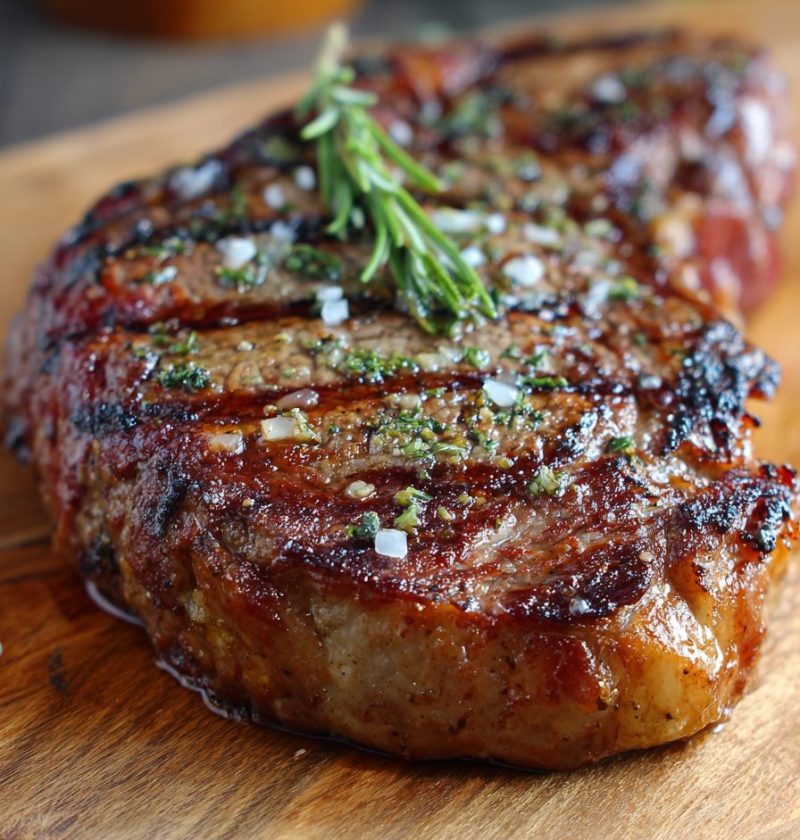
If you want a Ribeye Steak Recipe that delivers a golden crust, rich beefy flavor, and a tender, juicy center every single time, this is the one to keep close. It’s simple enough for a weeknight steak dinner but special enough for birthdays, anniversaries, or that Friday night when you simply want a really good homemade steak.
A steakhouse-style dinner you can make at home
A good ribeye steak has a way of making dinner feel like an event. That marbled fat melts as it cooks, basting the meat from the inside, and that’s why a ribeye recipe often turns out especially flavorful compared to leaner cuts. You get that deep, savory beef taste, a crisp crust, and a juicy steak center that feels almost luxurious without needing a long ingredient list or fancy chef tricks.
I’ve made plenty of steak over the years—grilled ribeye in the summer, cast iron steak on cold evenings, and pan seared steak when I want a fast but satisfying meal without fuss. And I’ll tell you, ribeye is one of the most forgiving cuts if you treat it right. Let it come close to room temperature, season it well, and give it a hot pan or grill. That’s really the heart of a great steak cooking method.
What makes this beef steak recipe so special is how accessible it is. You don’t need a commercial broiler or a steakhouse salamander. A heavy skillet, a little patience, and a garlic butter finish will get you remarkably close to restaurant quality. It’s also naturally low in carbs, high in protein, and easy to pair with vegetables, potatoes, or a crisp salad depending on what your family likes.
I tend to serve this easy steak recipe when I want something hearty but not fussy—Sunday suppers, date nights at home, or during the holidays when I’d rather stand by the stove for 15 minutes than wrestle with a complicated roast for hours. It feels special, and honestly, that counts for a lot.
Why you’ll love this recipe
- Delivers a beautifully browned crust with a tender ribeye center
- Uses simple pantry staples for classic ribeye seasoning
- Works as a grilled ribeye or a cast iron steak
- Ready in about 20 minutes, including resting time
- Tastes like a steakhouse dinner without the steakhouse bill
- Finished with garlic butter steak flavor that feels extra special
- Easy enough for beginners, with clear doneness cues
- Naturally high in protein and low in carbs
- Flexible for date night, family dinner, or backyard cookouts
- A reliable homemade steak method you’ll use again and again
Ingredients
For 2 servings:
- 2 ribeye steaks, 12 to 14 ounces each, about 1 to 1 1/2 inches thick
(Choose well-marbled steaks for the best juicy steak texture; USDA Choice works well, and Prime is wonderful if it fits the budget.) - 1 1/2 teaspoons kosher salt
(Diamond Crystal kosher salt is great; if using table salt, reduce slightly.) - 1 teaspoon freshly ground black pepper
- 1 teaspoon garlic powder
(Optional, but it adds a lovely savory note without overpowering the beef.) - 1 tablespoon neutral oil
(Avocado oil or canola oil both handle high heat nicely.) - 2 tablespoons unsalted butter
- 3 garlic cloves, lightly smashed
- 2 sprigs fresh rosemary
(Or thyme if that’s what you have on hand.) - 2 sprigs fresh thyme
- 1 teaspoon flaky sea salt, for finishing (optional)
Optional for serving:
- Lemon wedges
- Chopped parsley
- Extra pat of butter
- Roasted potatoes, mashed potatoes, asparagus, or a crisp green salad

A quick ingredient note: thicker steaks are easier to cook evenly. If you bring home very thin ribeye steak, it can still be delicious, but you’ll need less time and a little more attention. One-inch-plus steaks give you a better margin for error. And if you can, pat them very dry before seasoning—moisture is the enemy of a deep brown crust.
Directions
-
Take the steaks out and let them rest for 30 to 40 minutes.
Set the ribeye steak on a plate at room temperature while you prep the rest of dinner. This helps the meat cook more evenly. Don’t skip drying them well with paper towels first; that little step makes a big difference in getting that pan seared steak crust. -
Season the steaks generously.
Sprinkle both sides with kosher salt, black pepper, and garlic powder. Press the seasoning in lightly so it sticks. Ribeye has rich flavor already, so you don’t need a complicated rub—good ribeye seasoning is often beautifully simple. -
Heat your skillet until it’s very hot.
Place a cast iron skillet over medium-high to high heat for 3 to 5 minutes. You want it hot enough that the oil shimmers almost right away. Cast iron holds heat like a champ, which is exactly why it’s my favorite tool for a cast iron steak. -
Add the oil and sear the steaks.
Pour in the oil, then carefully lay the steaks in the pan away from you. You should hear a lively sizzle. Let them cook undisturbed for 3 to 4 minutes on the first side. That undisturbed part matters—moving them too soon keeps the crust from forming. -
Flip and cook the second side.
Turn the steaks with tongs and sear for another 3 to 4 minutes. For medium-rare, an instant-read thermometer should reach about 130°F to 135°F after resting. If your steaks are thicker, add another minute or two per side as needed. -
Add the butter, garlic, and herbs.
Lower the heat slightly, then add butter, smashed garlic, rosemary, and thyme to the skillet. Once the butter foams, tilt the pan gently and spoon that fragrant butter over the steaks for 1 to 2 minutes. This is where the garlic butter steak magic happens—the aroma alone will make people wander into the kitchen. -
Rest the steaks before slicing.
Transfer the steaks to a plate or cutting board and let them rest for 5 to 10 minutes. This helps the juices settle back into the meat instead of running all over the board. If you slice too soon, you lose some of that tender ribeye goodness. -
Finish and serve.
Sprinkle with flaky sea salt, chopped parsley, or a squeeze of lemon if you like. Serve whole or sliced against the grain. Pair it with potatoes, sautéed green beans, or even a wedge salad for a classic steak dinner feel.
Servings & timing
- Yield: 2 servings
- Prep Time: 10 minutes
- Rest Time: 35 to 50 minutes total (before and after cooking)
- Cook Time: 8 to 10 minutes
- Total Time: About 55 minutes to 1 hour
If you’re grilling instead of using a skillet, the timing is similar. Preheat the grill well, cook over high heat, and use the same internal temperature guide.
Variations
- Grilled Ribeye: Cook over high heat on a well-oiled grill for a smoky, charred finish.
- Spicy Steak: Add a pinch of smoked paprika and cayenne to the seasoning blend.
- Blue Cheese Finish: Top hot steaks with crumbled blue cheese for a steakhouse touch.
- Coffee Rub Version: Mix a little finely ground coffee with the spices for a bold crust.
- Herb-Crusted Ribeye: Add chopped rosemary and thyme directly to the seasoning for a more aromatic finish.
- Compound Butter Upgrade: Use a pre-made garlic herb butter instead of plain butter in the pan.
Storage & reheating
If you have leftovers, store the cooked steak in an airtight container in the refrigerator for up to 3 days. For the best texture, keep slices fairly thick instead of cutting the whole steak into very thin strips.
To reheat, place the steak in a skillet over low heat with a teaspoon of butter or a splash of beef broth. Cover loosely and warm it gently until heated through. The microwave works in a pinch, but it can push a juicy steak into tougher territory pretty fast.
You can also freeze cooked ribeye for up to 2 months. Wrap it tightly, then thaw overnight in the fridge before reheating. For make-ahead planning, season the steaks a few hours in advance and refrigerate them uncovered. That dry surface helps create an even better crust later on.
Notes
One thing I learned while testing this steak recipe over and over is that heat matters, but timing matters just as much. People often think a hotter pan fixes everything. Not quite. A screaming-hot pan is helpful, yes, but if the steak is wet or ice-cold from the fridge, the crust won’t develop as nicely, and the inside can cook unevenly.
Another little lesson: don’t crowd the pan. If you’re making more than two steaks, cook in batches. Otherwise, the meat steams instead of sears, and then you miss that gorgeous brown exterior. And honestly, that crust is half the joy.
If you like a very bold finish, sprinkle flaky salt after resting instead of before cooking. That gives you tiny pops of flavor on the surface. If you prefer a softer herb taste, add the garlic and herbs later in the process so they don’t scorch.
For readers who like data and don’t want guesswork, here’s the sweet spot for doneness:
- Rare: 120°F to 125°F
- Medium-rare: 130°F to 135°F
- Medium: 140°F to 145°F
- Medium-well: 150°F to 155°F
Most ribeye fans—and many chefs—prefer medium-rare because it keeps the fat tender and flavorful. But your steak should make you happy, not meet a rulebook. If your family likes medium, cook it medium.
FAQs
Can I make this ribeye steak recipe on the grill instead of in a skillet?
Yes, absolutely. A grilled ribeye is fantastic—preheat the grill well, oil the grates, and cook over high heat until it reaches your preferred internal temperature.
What is the best pan for pan seared steak?
A cast iron skillet is my top choice because it holds heat so well and creates a beautiful crust. A heavy stainless steel pan works too.
How do I know when ribeye steak is done?
The most reliable way is with an instant-read thermometer. For a tender ribeye, aim for 130°F to 135°F after resting if you like medium-rare.
Should I marinate ribeye steak?
Usually, no. Ribeye already has plenty of natural flavor and marbling, so simple seasoning is often better than a marinade.
Why didn’t my steak get a good crust?
Most likely, the steak was too wet, the pan wasn’t hot enough, or the pan was overcrowded. Dry the meat thoroughly and give it space.
How long should I let steak rest after cooking?
Let it rest for 5 to 10 minutes. That short wait helps keep the juices in the meat instead of on the cutting board.
Can I use butter from the start?
It’s better to start with oil because butter can burn quickly over high heat. Add the butter near the end for flavor and basting.
What sides go best with this steak dinner?
Mashed potatoes, roasted vegetables, creamed spinach, asparagus, mushrooms, or a simple salad all pair beautifully with this easy steak recipe.
Conclusion
This Ribeye Steak Recipe is everything a good steak should be—deeply flavorful, beautifully crusted, and wonderfully juicy in the center. Whether you make it as a cast iron steak indoors or a grilled ribeye outside, it’s a dependable method that turns a quality cut into a memorable steak dinner. Try it this week, and if you do, leave a comment and let me know how you served it—I always love hearing what’s on your plate.