Would you like to save this?
Recipe For Smoking: A Friendly Guide To Juicy, Flavor-Packed Smoked Meat at Home
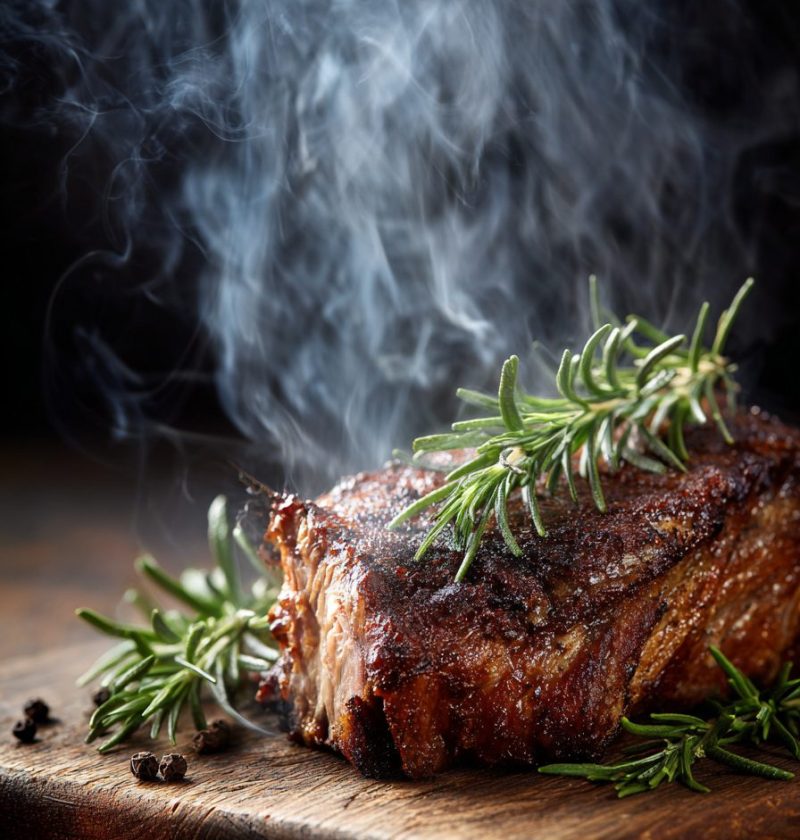
If you’ve been dreaming about tender brisket, fall-off-the-bone ribs, and that deep, kiss-of-wood smoke flavor, this Recipe For Smoking is your step‑by‑step roadmap to backyard barbecue happiness.
I’ve been cooking for a long time—raising kids, feeding neighbors, hosting chaotic backyard parties—and I’ll tell you a secret: learning a simple, reliable recipe for smoking meat might be the most satisfying kitchen skill I’ve ever picked up. It’s not fancy, it’s not fussy, and yes, it absolutely can be done in a basic backyard smoker, a charcoal grill, or that shiny new pellet smoker you bought on sale.
This post walks you through a flexible, “master” smoking recipe that works beautifully for smoked ribs, smoked chicken, smoked pork shoulder (hello, smoked pulled pork), smoked turkey, and even smoked sausage. Think of it as a friendly blueprint—once you understand the smoking techniques, temperatures, and timing, you can adjust it to almost any cut of meat you love.
What This Recipe For Smoking Actually Is
Let me explain what we’re doing here.
Instead of giving you one super-specific smoking recipe, this is a foundational Recipe For Smoking designed for:
- Low and slow cooking
- Consistent smoke flavor without overpowering the meat
- Simple, flavorful dry rub seasoning
- Flexible timing depending on what you’re smoking
We’ll talk about smoker preparation (charcoal smoker, pellet smoker, or electric smoker), wood chips and wood chunks (hickory, applewood chips, mesquite, oak, and pecan wood), smoking temperature, cooking time, and when to stop fussing with the lid and just let the smoke work.
This is the exact approach I use for:
- Smoked brisket on Memorial Day
- Smoked pork shoulder for a weekend cookout
- Smoked turkey at Thanksgiving when I don’t want to heat up my whole kitchen
- Smoked chicken thighs and drumsticks on random Tuesdays because they’re cheap and forgiving
And because I’m 50 and my knees are tired, I’m always looking for ways to simplify. This recipe skips complicated injections and laboratory-level experiments. We use accessible ingredients, clear internal temperature targets, and plenty of rest time so the meat stays juicy.
Why You’ll Love This Recipe For Smoking
You know what? Smoking doesn’t have to be intimidating. Here’s why this approach works so well:
- Beginner‑friendly, but not boring – Clear temperatures, times, and simple steps; no secret pitmaster handshake required.
- Works with several meats – Use the same method for smoked ribs, smoked chicken, smoked turkey, smoked pork shoulder, or even sausage.
- Flexible smoker setup – Whether you’ve got a backyard smoker, charcoal smoker, pellet smoker, or electric smoker, you can follow this guide.
- Deep flavor, simple ingredients – A balanced dry rub seasoning and optional brine solution or marinade build big flavor without a big grocery bill.
- Low and slow, but hands‑off – Once your fire management and smoke ventilation are set, you mostly let the smoker do the work.
- Great for feeding a crowd – Perfect for a backyard barbecue, weekend cookout, or casual barbecue party.
- Built‑in food safety – Internal temperature guidelines keep everything tender and safe to eat.
- Scales up easily – Smoke one chicken or three; one rack of ribs or four—just keep your indirect heat steady.
- Make‑ahead friendly – Smoked meat reheats beautifully, so you can cook earlier in the day and relax when people arrive.
Core Ingredients For The Master Recipe For Smoking
This ingredient list is written for about 8–10 servings. You can scale it up or down depending on your meat and crowd size.
Think of this as a base template—you’ll see notes for different meats along the way.
For the meat (choose one or mix and match):
- 1 whole pork shoulder (7–8 lb), bone‑in — great for smoked pulled pork
- OR 2 racks pork ribs (baby back or St. Louis style)
- OR 2 whole chickens (about 4 lb each), spatchcocked (backbone removed)
- OR 1 small brisket flat (5–7 lb)
- OR 1 whole turkey (10–12 lb), if you’re feeling festive
(Tip: Start with pork shoulder or chicken if you’re new to smoking—they’re the most forgiving.)
For the dry rub seasoning (house BBQ rub):
- 1/2 cup brown sugar, packed
- 1/4 cup kosher salt (Diamond Crystal; if using Morton, use about 3 tbsp)
- 1/4 cup paprika (sweet or smoked)
- 2 tbsp black pepper, freshly ground
- 1 tbsp garlic powder
- 1 tbsp onion powder
- 1–2 tsp cayenne pepper (optional, for heat)
- 1 tbsp dried oregano or thyme
(Tip: Make a double batch and store the extra rub in a jar; it keeps for months.)
Optional brine solution (great for smoked chicken and smoked turkey):
- 1 gallon cold water
- 1/3 cup kosher salt
- 1/4 cup brown sugar
- 2 bay leaves
- 1 tbsp whole peppercorns
- 2–3 crushed garlic cloves
(Tip: Brining helps poultry stay juicy during long smoking times.)
Optional marinade (especially nice for chicken or ribs):
- 1 cup apple juice or pineapple juice
- 1/4 cup soy sauce
- 2 tbsp Worcestershire sauce
- 2 tbsp olive oil
- 2 tbsp brown sugar
For the smoker setup:
- Charcoal briquettes or lump charcoal (for a charcoal smoker or kettle grill)
- OR pellets (if using a pellet smoker—hickory, competition blend, or apple)
- Wood chips or chunks: hickory wood, applewood chips, oak wood, pecan wood, or a mix
- Water for the water pan (optional but highly recommended)
(Tip: Hickory and oak are classic for smoked brisket and pork; apple and pecan are lovely for smoked chicken and smoked turkey; mesquite wood is strong—use sparingly unless you really love bold smoke.)
Directions: Step‑By‑Step Recipe For Smoking Meat At Home
We’ll start with a simple smoking temperature range—225°F to 250°F—for that low and slow cooking we all love. You can adjust as you get more comfortable.
1. Prep the meat (trim and season).
Pat your meat dry with paper towels. Trim any large, hard chunks of fat from brisket or pork shoulder, but leave a thin layer for moisture and flavor. For ribs, remove the thin membrane from the back (it can get tough). Sprinkle your dry rub generously over all sides of the meat, pressing it in so it sticks. Let it sit at least 30 minutes, or refrigerate, covered, for up to 12 hours.
2. Optional: Brine poultry for extra juiciness.
For smoked chicken or smoked turkey, whisk the brine ingredients until the salt and sugar dissolve. Submerge the poultry, cover, and refrigerate 4–12 hours. Rinse lightly, pat very dry, then apply the dry rub. Brining helps the meat hold onto moisture during the long smoke.
3. Optional: Marinate for added flavor layers.
If you’re using the marinade, place meat (especially chicken pieces, ribs, or smaller cuts) in a zip‑top bag or shallow dish. Pour the marinade over, chill for 2–8 hours, then pat dry before adding the dry rub. Drying the surface helps the smoke flavor develop and encourages that gorgeous bark (crust) on the outside.
4. Prepare your smoker (indirect heat + ventilation).
Set up your backyard smoker, charcoal smoker, pellet smoker, or electric smoker for indirect heat.
- Charcoal smoker / kettle grill: Bank coals on one side and place a foil pan of water on the other.
- Pellet smoker: Set temperature to 225–250°F and allow it to preheat.
- Electric smoker: Preheat to 225–250°F and fill the water pan.
Add a water pan under or near the meat—this stabilizes temperature and keeps the environment moist, which helps the smoke cling gently without drying everything out.
5. Add wood for smoke flavor.
When your smoker reaches 225–250°F, add wood chips or chunks. For charcoal, nestle wood chunks onto the hot coals. For electric smokers, use the wood tray. For pellet smokers, you’re already good—your pellets handle both heat and smoke. Use 2–4 chunks at a time; thin, steady smoke is the goal, not thick white clouds.
6. Place the meat on the smoker (fat side up or down).
Put your seasoned meat over the indirect heat, not directly over the fire. For brisket or pork shoulder, many folks place it fat side up so the fat slowly renders and bastes the meat; some prefer fat side down as a heat shield. Honestly, both work—what matters more is stable temperature and patience. Close the lid and resist the urge to peek every five minutes.
7. Maintain low and slow cooking.
Keep the smoker temperature between 225°F and 250°F. Adjust vents (for charcoal smokers) or settings (on pellet/electric smokers) as needed. Add a few coals and fresh wood chunks occasionally to maintain heat and gentle smoke. The phrase “if you’re lookin’, you ain’t cookin’” is popular for a reason—every time you lift the lid, you lose heat and smoke.
8. Monitor internal temperature (your real guide).
Use a good digital thermometer; it’s your best friend. Here are basic internal temperature targets:
- Smoked pork shoulder / pulled pork: 195–205°F (for shredding tenderness)
- Smoked brisket: 200–205°F (check for tenderness with a probe; it should slide in easily)
- Smoked ribs: 190–203°F (or when bones twist easily and meat has good bend)
- Smoked chicken (whole or parts): 165°F in the thickest part of the breast, 175°F in the thighs
- Smoked turkey: 160–165°F in the breast, 170–175°F in the thigh
Cooking time will vary by cut and size, but as a rough range:
- Pork shoulder: 1.5–2 hours per pound
- Brisket: 1–1.5 hours per pound
- Ribs: 5–6 hours total
- Whole chickens: 2.5–4 hours
- Turkey (10–12 lb): 4–6 hours
9. Power through “the stall” (don’t panic).
Around 150–170°F internal temperature, large cuts like brisket and pork shoulder may “stall” and seem to stop rising. That’s normal—moisture evaporation cools the surface. You can wait it out, or wrap the meat tightly in butcher paper or heavy foil (called the Texas Crutch) to help it push through the stall faster, then return it to the smoker.
10. Rest the meat (non‑negotiable).
Once your meat reaches its target internal temperature, remove it from the smoker and wrap (if not already wrapped) in foil or butcher paper. Let it rest in a warm spot or cooler (with no ice) for at least:
- 1 hour for brisket or pork shoulder
- 20–30 minutes for ribs and chicken
- 30–45 minutes for turkey
Resting lets juices redistribute so you don’t lose all that hard‑earned moisture when you slice.
11. Carve and serve.
Slice brisket against the grain, pull smoked pork shoulder into shreds for pulled pork, slice ribs between the bones, and carve chicken or turkey into serving pieces. Taste a small bite before serving and add a pinch of salt if needed. Serve with simple sides—coleslaw, cornbread, pickles, or baked beans are classics—and enjoy the compliments.
Servings & Timing
- Yield: About 8–10 servings (varies with the cut—pork shoulder and brisket are rich and go far)
- Prep Time: 30–45 minutes (trimming, seasoning, and/or brining or marinating)
- Inactive Brine/Marinade Time (optional): 4–12 hours for poultry, 2–8 hours for other meats
- Smoking Time:
- Ribs: 5–6 hours
- Chicken: 2.5–4 hours
- Pork shoulder: 10–14 hours
- Brisket: 8–12 hours
- Turkey: 4–6 hours
- Rest Time: 20 minutes to 1 hour
- Total Time: Varies by cut—plan a full day for large cuts like brisket or pork shoulder, and a half day for ribs, chicken, or turkey
Variations: Fun Twists On This Recipe For Smoking
- Sweet & Smoky Apple Rib Version – Use applewood chips and add 1/4 cup apple juice to your water pan for a subtle sweetness with smoked ribs.
- Spicy Texas Brisket – Increase cayenne in the rub and use mostly oak wood with a touch of mesquite wood for a bolder, Central Texas‑style smoked brisket.
- Herb & Citrus Smoked Chicken – Add lemon zest, dried rosemary, and thyme to the dry rub and use apple or pecan wood.
- Maple Mustard Pork Shoulder – Brush smoked pork shoulder with a mix of maple syrup and Dijon during the last 30–45 minutes of cooking.
- Low‑Sugar Rub – Reduce or omit brown sugar in the rub for a more savory and diabetic‑friendly flavor profile.
- Holiday Smoked Turkey – Add sage and poultry seasoning to the rub and use a mixture of applewood and hickory wood for a festive twist.
Storage & Reheating Tips
Smoked meat actually tastes even better the next day, which is one of my favorite things about it.
- Refrigerator: Store cooled leftovers in airtight containers or wrap tightly in foil. Keep up to 4 days.
- Freezer: Slice or shred, then portion into freezer bags or containers. Label and freeze up to 3 months.
- Reheating:
- For best texture, reheat covered in a 275–300°F oven with a splash of broth, water, or leftover drippings until warmed through.
- For pulled pork or sliced brisket, you can also reheat gently on the stovetop in a covered skillet.
- Make‑ahead for parties: Smoke the meat earlier in the day (or even the night before), chill, then reheat in a covered pan in the oven before guests arrive. Add a little broth or barbecue sauce to keep it moist.
Notes From My Backyard (Little Things That Make A Big Difference)
- Thin blue smoke is your friend. If the smoke looks thick and white, the flavor can get bitter. You’re aiming for a gentle, almost invisible “thin blue” smoke.
- Don’t overload the wood. More wood doesn’t always mean more flavor—too much can taste harsh. I usually add a couple of chunks every hour or so for the first half of the cook.
- Use two thermometers. One for the smoker temperature and one for the meat’s internal temperature. The built‑in lid thermometers on many smokers are notoriously inaccurate.
- Plan for weather. Wind and cold affect charcoal smokers more than pellet or electric smokers. If it’s blustery, give yourself extra time and use a windbreak if possible.
- Keep it simple the first few times. Stick with one type of wood and one kind of meat until you learn how your smoker behaves. Then experiment.
- Resting is magic. I resisted this step in my 30s because I was always rushed with kids’ schedules. Now I build in resting time and my smoked meat is night‑and‑day better.
FAQs About This Recipe For Smoking
1. What’s the best beginner meat for this smoking recipe?
Pork shoulder or chicken is best—they’re forgiving, stay juicy, and still taste fantastic even if your temperature wobbles a bit.
2. How much smoke flavor is too much?
If your eyes burn when you lift the lid, that’s too much. You want light, steady smoke and a pleasant aroma, not a campfire in your face.
3. Do I have to soak wood chips?
No. Soaking wood chips doesn’t do much besides delay smoking slightly. Dry chips or chunks work just fine.
4. Can I use this recipe on a gas grill?
Yes—set up for indirect heat and use a smoker box or foil pouch filled with wood chips, then follow the same temperatures and timing guidelines.
5. How do I get a good smoke ring?
A nice smoke ring comes from low and slow smoking, good airflow, and starting the meat cold from the fridge; the ring doesn’t affect taste but looks beautiful.
6. My meat looks dark—did I burn it?
Probably not. Smoked meat often forms a dark bark; as long as the internal temperature isn’t overcooked and the surface isn’t rock‑hard or bitter, you’re fine.
7. Can I open the lid to spritz with apple juice or vinegar?
You can, but do it sparingly—maybe once every hour or two—to avoid losing too much heat. It adds a little flavor and moisture to the surface but isn’t mandatory.
8. What if my smoker runs a bit hotter, like 275°F?
That’s okay; your cooking time will be shorter, and you’ll just want to monitor internal temperature a little more closely to avoid drying things out.
Wrapping It Up: Your Backyard Smoker Is About To Make Some Friends
This Recipe For Smoking gives you a simple, flexible roadmap for low and slow barbecue—whether you’re cooking smoked brisket for a special occasion, smoked ribs for game day, or smoked chicken and turkey for a family meal. With a solid dry rub, steady temperature, the right internal temperature targets, and a little patience, you’ll turn basic cuts of meat into something people talk about for weeks.
If you try this recipe, I’d love to hear how it went—what smoker you used, which wood you chose, and whether you went with ribs, pork shoulder, or something else. Leave a comment with your questions, your tweaks, or your favorite backyard barbecue side dish, and if you’re hungry for more outdoor cooking ideas, explore my other grilling and barbecue recipes next.
Master Recipe for Smoking Meat (Backyard Smoker Guide)
Ingredients
- 1 pork shoulder, bone-in 7–8 lb, great for smoked pulled pork (or choose another meat option below)
- 2 racks pork ribs baby back or St. Louis style, alternative to pork shoulder
- 2 whole chickens about 4 lb each, spatchcocked; alternative to pork shoulder
- 1 brisket flat 5–7 lb, alternative to pork shoulder
- 1 whole turkey 10–12 lb, alternative to pork shoulder
- 1/2 cup brown sugar packed, for dry rub
- 1/4 cup kosher salt Diamond Crystal; use about 3 tbsp if using Morton, for dry rub
- 1/4 cup paprika sweet or smoked, for dry rub
- 2 tablespoons black pepper freshly ground, for dry rub
- 1 tablespoon garlic powder for dry rub
- 1 tablespoon onion powder for dry rub
- 1-2 teaspoons cayenne pepper optional, for heat in dry rub
- 1 tablespoon dried oregano or thyme for dry rub
- 1 gallon cold water for optional brine
- 1/3 cup kosher salt for optional brine
- 1/4 cup brown sugar for optional brine
- 2 bay leaves for optional brine
- 1 tablespoon whole peppercorns for optional brine
- 2-3 cloves garlic crushed, for optional brine
- 1 cup apple juice or pineapple juice for optional marinade
- 1/4 cup soy sauce for optional marinade
- 2 tablespoons Worcestershire sauce for optional marinade
- 2 tablespoons olive oil for optional marinade
- 2 tablespoons brown sugar for optional marinade
- charcoal briquettes or lump charcoal for charcoal smoker or kettle grill
- wood pellets for pellet smoker; hickory, competition blend, or apple
- wood chips or chunks such as hickory, applewood, oak, pecan, or mesquite
- water for water pan in smoker
Instructions
- Pat your chosen meat dry with paper towels. Trim any large, hard chunks of fat from brisket or pork shoulder, leaving a thin layer for moisture and flavor. For ribs, remove the thin membrane from the back. In a bowl, combine brown sugar, kosher salt, paprika, black pepper, garlic powder, onion powder, cayenne (if using), and dried oregano or thyme to make the dry rub. Sprinkle the dry rub generously over all sides of the meat, pressing it in so it sticks. Let it sit at least 30 minutes at room temperature or refrigerate, covered, for up to 12 hours.1 pork shoulder, bone-in, 2 racks pork ribs, 2 whole chickens, 1 brisket flat, 1 whole turkey, 1/2 cup brown sugar, 1/4 cup kosher salt, 1/4 cup paprika, 2 tablespoons black pepper, 1 tablespoon garlic powder, 1 tablespoon onion powder, 1-2 teaspoons cayenne pepper, 1 tablespoon dried oregano or thyme
- For smoked chicken or smoked turkey, whisk together cold water, kosher salt, brown sugar, bay leaves, whole peppercorns, and crushed garlic until the salt and sugar dissolve. Submerge the poultry in the brine, cover, and refrigerate 4–12 hours. When done, rinse lightly, pat very dry, then apply the dry rub from Step 1. Brining helps poultry stay juicy during long smoking times.2 whole chickens, 1 whole turkey, 1 gallon cold water, 1/3 cup kosher salt, 1/4 cup brown sugar, 2 bay leaves, 1 tablespoon whole peppercorns, 2-3 cloves garlic
- For chicken pieces, ribs, or smaller cuts, whisk together apple or pineapple juice, soy sauce, Worcestershire sauce, olive oil, and brown sugar. Place the meat in a zip‑top bag or shallow dish, pour the marinade over, and refrigerate 2–8 hours. Before adding the dry rub, remove the meat from the marinade and pat completely dry so the rub and smoke can adhere and form a good bark.2 racks pork ribs, 2 whole chickens, 1 cup apple juice or pineapple juice, 1/4 cup soy sauce, 2 tablespoons Worcestershire sauce, 2 tablespoons olive oil, 2 tablespoons brown sugar
- Set up your smoker or grill for indirect heat at 225–250°F. For a charcoal smoker or kettle grill, bank lit coals to one side and place a foil pan of water on the other side to create an indirect zone. For a pellet smoker, set the temperature to 225–250°F and allow it to preheat. For an electric smoker, preheat to 225–250°F and fill the water pan. Position a water pan under or near where the meat will sit to help stabilize temperature and keep the environment moist.charcoal briquettes or lump charcoal, wood pellets, water
- When the smoker reaches 225–250°F, add wood chips or chunks for smoke. For charcoal, place 2–4 wood chunks directly on the hot coals. For electric smokers, add wood to the smoker’s wood tray. For pellet smokers, your pellets supply both heat and smoke, so no extra wood is needed. Aim for thin, steady, almost bluish smoke rather than thick white clouds to avoid bitter flavors.charcoal briquettes or lump charcoal, wood pellets, wood chips or chunks
- Arrange the seasoned meat on the smoker over indirect heat, not directly above the fire. For brisket or pork shoulder, place fat side up or down according to preference; the key is consistent temperature and good airflow. Close the lid and begin cooking, resisting the urge to open the smoker frequently.1 pork shoulder, bone-in, 2 racks pork ribs, 2 whole chickens, 1 brisket flat, 1 whole turkey
- Keep the smoker between 225°F and 250°F throughout the cook. Adjust vents on charcoal smokers or the temperature settings on pellet or electric smokers as needed. Add small amounts of charcoal and fresh wood chunks occasionally to maintain gentle heat and light smoke. Avoid opening the lid too often, as this releases heat and smoke and lengthens cooking time.charcoal briquettes or lump charcoal, wood chips or chunks
- Use a good digital thermometer to track internal meat temperature. Target temperatures: pork shoulder for pulled pork, 195–205°F; brisket, 200–205°F and probe‑tender; ribs, 190–203°F or when bones twist easily and the rack bends well; chicken, 165°F in the thickest part of the breast and about 175°F in the thighs; turkey, 160–165°F in the breast and 170–175°F in the thigh. Expect approximate cooking times of 1.5–2 hours per pound for pork shoulder, 1–1.5 hours per pound for brisket, 5–6 hours for ribs, 2.5–4 hours for whole chickens, and 4–6 hours for a 10–12 lb turkey.1 pork shoulder, bone-in, 2 racks pork ribs, 2 whole chickens, 1 brisket flat, 1 whole turkey
- For large cuts like brisket and pork shoulder, expect a temperature “stall” around 150–170°F internal, where the temperature seems to stop rising. This is normal and caused by surface moisture evaporating. You can either wait it out or wrap the meat tightly in unwaxed butcher paper or heavy‑duty foil (the Texas Crutch) to help push through the stall more quickly, then return it to the smoker until it reaches your target temperature.1 pork shoulder, bone-in, 1 brisket flat
- Once the meat reaches its target internal temperature, remove it from the smoker. If not already wrapped, wrap it in foil or butcher paper and rest in a warm spot or an empty insulated cooler (no ice). Rest brisket and pork shoulder at least 1 hour, ribs and chicken 20–30 minutes, and turkey 30–45 minutes. Resting allows juices to redistribute so the meat stays moist when sliced.1 pork shoulder, bone-in, 2 racks pork ribs, 2 whole chickens, 1 brisket flat, 1 whole turkey
- Slice brisket against the grain, pull pork shoulder into shreds for pulled pork, slice ribs between the bones, and carve chicken or turkey into serving pieces. Taste a small piece and add a pinch of salt if needed. Serve with your favorite barbecue sides such as coleslaw, cornbread, pickles, or baked beans.1 pork shoulder, bone-in, 2 racks pork ribs, 2 whole chickens, 1 brisket flat, 1 whole turkey