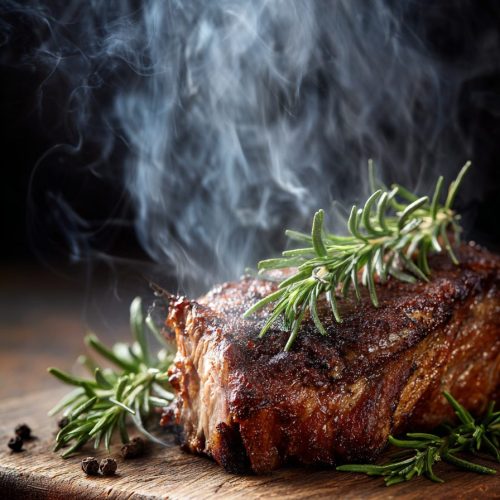
Master Recipe for Smoking Meat (Backyard Smoker Guide)
A flexible, beginner‑friendly master recipe for smoking meat at home. This low‑and‑slow method works for pork shoulder, ribs, chicken, brisket, and turkey, with a simple dry rub, optional brine and marinade, and clear temperature and timing guidelines.
Ingredients
- 1 pork shoulder, bone-in 7–8 lb, great for smoked pulled pork (or choose another meat option below)
- 2 racks pork ribs baby back or St. Louis style, alternative to pork shoulder
- 2 whole chickens about 4 lb each, spatchcocked; alternative to pork shoulder
- 1 brisket flat 5–7 lb, alternative to pork shoulder
- 1 whole turkey 10–12 lb, alternative to pork shoulder
- 1/2 cup brown sugar packed, for dry rub
- 1/4 cup kosher salt Diamond Crystal; use about 3 tbsp if using Morton, for dry rub
- 1/4 cup paprika sweet or smoked, for dry rub
- 2 tablespoons black pepper freshly ground, for dry rub
- 1 tablespoon garlic powder for dry rub
- 1 tablespoon onion powder for dry rub
- 1-2 teaspoons cayenne pepper optional, for heat in dry rub
- 1 tablespoon dried oregano or thyme for dry rub
- 1 gallon cold water for optional brine
- 1/3 cup kosher salt for optional brine
- 1/4 cup brown sugar for optional brine
- 2 bay leaves for optional brine
- 1 tablespoon whole peppercorns for optional brine
- 2-3 cloves garlic crushed, for optional brine
- 1 cup apple juice or pineapple juice for optional marinade
- 1/4 cup soy sauce for optional marinade
- 2 tablespoons Worcestershire sauce for optional marinade
- 2 tablespoons olive oil for optional marinade
- 2 tablespoons brown sugar for optional marinade
- charcoal briquettes or lump charcoal for charcoal smoker or kettle grill
- wood pellets for pellet smoker; hickory, competition blend, or apple
- wood chips or chunks such as hickory, applewood, oak, pecan, or mesquite
- water for water pan in smoker
Instructions
- Pat your chosen meat dry with paper towels. Trim any large, hard chunks of fat from brisket or pork shoulder, leaving a thin layer for moisture and flavor. For ribs, remove the thin membrane from the back. In a bowl, combine brown sugar, kosher salt, paprika, black pepper, garlic powder, onion powder, cayenne (if using), and dried oregano or thyme to make the dry rub. Sprinkle the dry rub generously over all sides of the meat, pressing it in so it sticks. Let it sit at least 30 minutes at room temperature or refrigerate, covered, for up to 12 hours.1 pork shoulder, bone-in, 2 racks pork ribs, 2 whole chickens, 1 brisket flat, 1 whole turkey, 1/2 cup brown sugar, 1/4 cup kosher salt, 1/4 cup paprika, 2 tablespoons black pepper, 1 tablespoon garlic powder, 1 tablespoon onion powder, 1-2 teaspoons cayenne pepper, 1 tablespoon dried oregano or thyme
- For smoked chicken or smoked turkey, whisk together cold water, kosher salt, brown sugar, bay leaves, whole peppercorns, and crushed garlic until the salt and sugar dissolve. Submerge the poultry in the brine, cover, and refrigerate 4–12 hours. When done, rinse lightly, pat very dry, then apply the dry rub from Step 1. Brining helps poultry stay juicy during long smoking times.2 whole chickens, 1 whole turkey, 1 gallon cold water, 1/3 cup kosher salt, 1/4 cup brown sugar, 2 bay leaves, 1 tablespoon whole peppercorns, 2-3 cloves garlic
- For chicken pieces, ribs, or smaller cuts, whisk together apple or pineapple juice, soy sauce, Worcestershire sauce, olive oil, and brown sugar. Place the meat in a zip‑top bag or shallow dish, pour the marinade over, and refrigerate 2–8 hours. Before adding the dry rub, remove the meat from the marinade and pat completely dry so the rub and smoke can adhere and form a good bark.2 racks pork ribs, 2 whole chickens, 1 cup apple juice or pineapple juice, 1/4 cup soy sauce, 2 tablespoons Worcestershire sauce, 2 tablespoons olive oil, 2 tablespoons brown sugar
- Set up your smoker or grill for indirect heat at 225–250°F. For a charcoal smoker or kettle grill, bank lit coals to one side and place a foil pan of water on the other side to create an indirect zone. For a pellet smoker, set the temperature to 225–250°F and allow it to preheat. For an electric smoker, preheat to 225–250°F and fill the water pan. Position a water pan under or near where the meat will sit to help stabilize temperature and keep the environment moist.charcoal briquettes or lump charcoal, wood pellets, water
- When the smoker reaches 225–250°F, add wood chips or chunks for smoke. For charcoal, place 2–4 wood chunks directly on the hot coals. For electric smokers, add wood to the smoker’s wood tray. For pellet smokers, your pellets supply both heat and smoke, so no extra wood is needed. Aim for thin, steady, almost bluish smoke rather than thick white clouds to avoid bitter flavors.charcoal briquettes or lump charcoal, wood pellets, wood chips or chunks
- Arrange the seasoned meat on the smoker over indirect heat, not directly above the fire. For brisket or pork shoulder, place fat side up or down according to preference; the key is consistent temperature and good airflow. Close the lid and begin cooking, resisting the urge to open the smoker frequently.1 pork shoulder, bone-in, 2 racks pork ribs, 2 whole chickens, 1 brisket flat, 1 whole turkey
- Keep the smoker between 225°F and 250°F throughout the cook. Adjust vents on charcoal smokers or the temperature settings on pellet or electric smokers as needed. Add small amounts of charcoal and fresh wood chunks occasionally to maintain gentle heat and light smoke. Avoid opening the lid too often, as this releases heat and smoke and lengthens cooking time.charcoal briquettes or lump charcoal, wood chips or chunks
- Use a good digital thermometer to track internal meat temperature. Target temperatures: pork shoulder for pulled pork, 195–205°F; brisket, 200–205°F and probe‑tender; ribs, 190–203°F or when bones twist easily and the rack bends well; chicken, 165°F in the thickest part of the breast and about 175°F in the thighs; turkey, 160–165°F in the breast and 170–175°F in the thigh. Expect approximate cooking times of 1.5–2 hours per pound for pork shoulder, 1–1.5 hours per pound for brisket, 5–6 hours for ribs, 2.5–4 hours for whole chickens, and 4–6 hours for a 10–12 lb turkey.1 pork shoulder, bone-in, 2 racks pork ribs, 2 whole chickens, 1 brisket flat, 1 whole turkey
- For large cuts like brisket and pork shoulder, expect a temperature “stall” around 150–170°F internal, where the temperature seems to stop rising. This is normal and caused by surface moisture evaporating. You can either wait it out or wrap the meat tightly in unwaxed butcher paper or heavy‑duty foil (the Texas Crutch) to help push through the stall more quickly, then return it to the smoker until it reaches your target temperature.1 pork shoulder, bone-in, 1 brisket flat
- Once the meat reaches its target internal temperature, remove it from the smoker. If not already wrapped, wrap it in foil or butcher paper and rest in a warm spot or an empty insulated cooler (no ice). Rest brisket and pork shoulder at least 1 hour, ribs and chicken 20–30 minutes, and turkey 30–45 minutes. Resting allows juices to redistribute so the meat stays moist when sliced.1 pork shoulder, bone-in, 2 racks pork ribs, 2 whole chickens, 1 brisket flat, 1 whole turkey
- Slice brisket against the grain, pull pork shoulder into shreds for pulled pork, slice ribs between the bones, and carve chicken or turkey into serving pieces. Taste a small piece and add a pinch of salt if needed. Serve with your favorite barbecue sides such as coleslaw, cornbread, pickles, or baked beans.1 pork shoulder, bone-in, 2 racks pork ribs, 2 whole chickens, 1 brisket flat, 1 whole turkey
Notes
Variations: For Sweet & Smoky Apple Ribs, use applewood and add 1/4 cup apple juice to the water pan. For Spicy Texas Brisket, increase cayenne in the rub and smoke mainly with oak plus a little mesquite. For Herb & Citrus Smoked Chicken, add lemon zest, dried rosemary, and thyme to the rub and use apple or pecan wood. For Maple Mustard Pork Shoulder, brush with a mixture of maple syrup and Dijon in the last 30–45 minutes. For a low‑sugar rub, reduce or omit the brown sugar. For Holiday Smoked Turkey, add sage and poultry seasoning to the rub and use a mix of applewood and hickory.
Storage: Refrigerate cooled smoked meat in airtight containers up to 4 days. Freeze sliced or shredded meat up to 3 months. Reheat covered in a 275–300°F oven with a splash of broth, water, or drippings until warmed through, or reheat gently in a covered skillet for sliced brisket or pulled pork.
Tips: Aim for thin blue smoke, don’t overload wood, and use separate thermometers for smoker temp and internal temp. Plan extra time in cold or windy weather, keep the process simple for your first few cooks, and never skip the resting step.
Love this recipe?Follow us at @Recipecs for more