
Would you like to save this?
Recipe For ALS Patients: Creamy High-Protein Chicken & Sweet Potato Bowl (Soft, Nourishing, Easy To Swallow)
If you’ve been searching for a comforting, nutrient-dense Recipe For ALS Patients that’s creamy, easy to swallow, and still full of flavor, this cozy chicken and sweet potato bowl may be exactly what you’ve been needing on the dinner rotation.
A Gentle, Nourishing Meal For ALS Patients (From My Kitchen To Yours)
Let me start with a little context. I’m a 50‑year‑old home cook, mom, and long-time food blogger, and over the years I’ve cooked for a lot of different needs—diabetes, heart health, food allergies, and now, more and more, I hear from families caring for loved ones with ALS.
As ALS progresses, eating can become exhausting and even scary. Chewing takes effort, swallowing can be difficult (dysphagia), and yet the need for calories, protein, and smart ALS nutrition increases—especially for muscle maintenance and energy. That’s a tough mix.
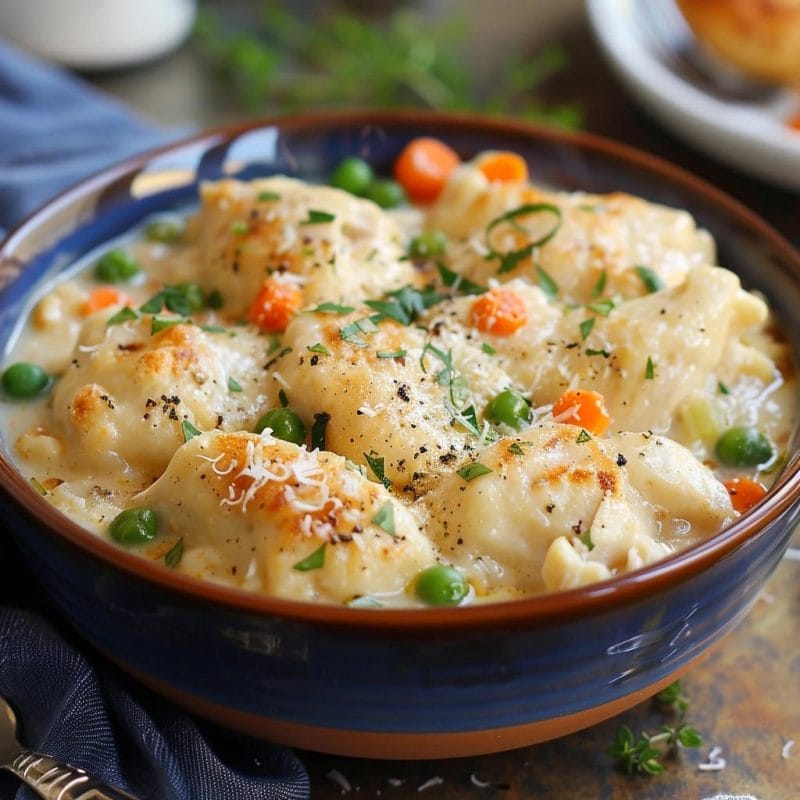
This Recipe For ALS Patients is a soft, spoonable, high-calorie, high-protein chicken and sweet potato bowl. You can serve it as a thick, hearty mash, or go one step further and blend it into a smooth, dysphagia-friendly puree. It’s designed as part of an ALS nutrition plan: nutrient dense, easy to swallow, gentle on the mouth, and still comforting enough that the whole family can share it—with small tweaks.
I like to make this on Sunday afternoons, portion it into containers, and send some home with friends who are caregivers. They tell me having one reliable, “no-drama” dinner in the fridge makes the week feel a little less heavy.
Why You’ll Love This Recipe For ALS Patients
Here’s why this dish has become a little staple in my caregiver cooking guide and meal planning for ALS:
- Soft, spoonable texture that’s easy to chew and swallow
- High in protein to support muscle maintenance and strength
- Calorie-dense without huge portions—helpful for high calorie diet ALS needs
- Gentle, neutral flavors that most sensitive palates tolerate well
- Simple ingredients you can find in any regular grocery store
- Easy to blend into a smooth, dysphagia friendly meal or pureed food recipe
- Customizable for lactose-free, gluten-free, and lower-sodium diets
- Reheats beautifully, so it’s perfect for make-ahead caregiver meal prep
- Family-friendly—add more texture or seasoning for those without swallowing issues
- Works for feeding support ALS approaches: spoon-feeding, partial tube feeding, or blenderized diet ideas
Let’s Talk Ingredients (And Why They Work For ALS Nutrition)
Below is the base recipe. I’ll give ideas for swaps and adjustments, because no two ALS patient diet plans are exactly the same. Always check with your speech-language pathologist (SLP) or dietitian about texture and specific needs.
Ingredients (Makes About 4–5 ALS-Sized Servings)
-
1 pound (about 450 g) boneless, skinless chicken thighs
- Thighs stay juicier and blend more smoothly than chicken breast; you can use breast if that’s what you have, but add a bit more liquid or fat for tenderness.
-
2 medium sweet potatoes, peeled and cubed (about 3 cups)
- Sweet potatoes give natural sweetness, vitamin A, fiber, and a lovely soft texture when cooked well.
-
1 large Yukon gold potato, peeled and cubed (about 1 ½ cups)
- Adds creaminess and mild flavor; Yukon golds mash beautifully and help prevent a “stringy” texture.
-
2 medium carrots, sliced (about 1 cup)
- Bring color, a touch of sweetness, and extra nutrients—cook until very soft for easy blending.
-
1 small onion, chopped (optional if sensitive; about ½ cup)
- Adds gentle savory flavor. If reflux or sensitivity is a concern, you can skip or use onion powder instead.
-
2 cups low-sodium chicken broth
- Start with low-sodium so you can control salt; choose a brand with simple ingredients (I like Pacific Foods or Kitchen Basics).
-
1 cup whole milk or lactose-free whole milk
- Whole milk adds calories and protein; use lactose-free or an unsweetened, high-protein plant milk if needed.
-
½ cup full-fat Greek yogurt or plain skyr
- Adds protein, creaminess, and probiotics; if dairy is an issue, you can use a dairy-free yogurt or an extra ¼ cup of oil plus ¼ cup broth instead.
-
3 tablespoons unsalted butter or olive oil
- Healthy fats help boost calories for a high calorie diet ALS often requires, and make the texture smoother.
-
½ teaspoon fine sea salt (or to taste, based on medical guidance)
-
¼ teaspoon ground black pepper (optional—skip if it causes irritation)
-
½ teaspoon dried thyme or Italian herb blend (mild is best)
-
1–2 tablespoons nutritional yeast (optional)
- Adds a “cheesy” flavor and extra B‑vitamins, especially useful in nutrient dense recipes.
-
Up to ½ cup extra broth, milk, or water as needed for blending
- Texture is everything in easy to swallow foods; keep extra liquid handy so you can adjust.
If you’re feeding someone with more advanced dysphagia who needs very smooth, cohesive textures, you may also want:
- 1–2 tablespoons unflavored thickener (like Thick-It or SimplyThick) – only if recommended by your SLP

Step-By-Step Directions (With Caregiver-Friendly Tips)
1. Prep your ingredients calmly, not frantically
Peel and cube the sweet potatoes and Yukon gold potato into even 1‑inch pieces so they cook at the same rate. Slice the carrots and chop the onion if using. Trim any visible fat or gristle from the chicken thighs so you don’t get chewy bits later.
Caregiver tip: If kitchen time is tight, you can prep these veggies a day ahead and keep them in a covered container of water in the fridge (drain before cooking).
2. Gently cook the chicken and vegetables together
In a large pot or Dutch oven, melt the butter (or warm the olive oil) over medium heat. Add the onion and cook for 3–4 minutes until soft and translucent, not browned. Add the chicken thighs, sweet potatoes, Yukon gold potatoes, and carrots. Pour in the 2 cups of broth.
Bring to a gentle simmer, then cover and cook on low heat for about 25–30 minutes, until the chicken is fully cooked and the vegetables are very soft—this “very soft” point matters a lot for an ALS patient diet.
Sensory cue: You should be able to easily pierce the carrots and potatoes with a fork and almost mash them against the side of the pot.
3. Add the milk, seasonings, and nutritional boosters
Turn the heat down to low. Stir in the milk, salt, pepper (if using), thyme or Italian herbs, and nutritional yeast. Let this warm through for about 5 minutes, but don’t let it boil hard—milk can curdle if it gets too hot.
Taste the broth. If you’re cooking for someone with a sensitive mouth or reflux, keep seasonings mild. You can always season individual servings later for other family members.
4. Cool slightly for safety before blending
Turn off the heat and let the mixture cool for 5–10 minutes. Hot liquids in a blender can be dangerous and can also over-thin the mixture, so this short pause is helpful.
Caregiver tip: Use this little window to clear the counter, prep storage containers, or just sit down and take a breath. Caregiving is exhausting. Hydrate yourself too.
5. Blend to your desired texture (from mash to silky puree)
You have a few options here, depending on swallowing needs:
-
For a soft, fork-mash texture (mild dysphagia or those who can still manage some chewing):
Transfer everything to a large bowl and use a potato masher or hand mixer. Mash until the chicken breaks apart and the vegetables are mostly smooth, with small soft pieces. -
For a smooth, dysphagia friendly meal:
Work in batches. Transfer some of the mixture—including liquid—to a blender or food processor. Add the Greek yogurt. Blend until very smooth and cohesive, adding extra broth or milk a tablespoon at a time until it reaches the texture recommended by your SLP (usually something like thick yogurt or pudding). -
For a blenderized diet / pureed food recipes:
Blend longer, thinning with liquid as needed, so it can pass through feeding tubes if that’s part of your feeding support ALS plan. Always follow your medical team’s guidance about tube-feeding textures and strain if needed.
Return each blended batch to the pot or a clean bowl and stir to combine so every portion has the same texture.
6. Adjust texture with thickener if medically indicated
If your SLP has recommended a specific consistency (like “nectar thick” or “honey thick”), you may need to add a commercial thickener. Sprinkle it in gradually, whisking well, and give it a few minutes to set. Texture can change as it sits, so check again right before serving.
7. Taste, portion, and serve with love
Taste once more (adjusting salt or herbs if allowed). Serve warm in small bowls. For caregivers feeding someone else, keep the portion on the spoon small and let the patient take their time—no rushing.
For family members without swallowing issues, you can top their bowls with a little extra shredded cheese, a drizzle of olive oil, or some crunchy croutons on the side.
Servings & Timing
- Yield: About 4–5 ALS-sized servings (or 3–4 larger family portions)
- Prep Time: 15–20 minutes
- Cook Time: 30–35 minutes
- Blending & Finishing Time: 10–15 minutes
- Total Time: About 1 hour from start to finish
If you’re doing a big caregiver cooking session, this recipe doubles quite easily; just use a large pot and blend in batches.
Easy Variations To Fit Different Needs
Because ALS patient needs can be so individual, here are several variations to tailor this Recipe For ALS Patients:
- Dairy-Free Version: Use olive oil instead of butter, an unsweetened plant milk (like soy or pea protein milk), and a dairy-free yogurt for creaminess.
- Higher-Calorie Boost: Stir in 2–3 tablespoons of cream, extra butter, or a spoonful of neutral-tasting oil right before serving for a more calorie-dense meal.
- Extra Protein Punch: Add ½ cup cottage cheese or silken tofu to the blender; both disappear into the texture but raise protein content.
- Mild Spices For Variety: For those who tolerate it, add a pinch of smoked paprika or a tiny bit of garlic powder for more flavor interest.
- Vegetarian Twist: Swap chicken for 2 cups of well-cooked red lentils or canned white beans (rinsed and simmered until very soft), then blend as directed.
- Breakfast-Style Bowl: Leave out the thyme and stir in a bit of cinnamon and nutmeg; the sweet potato base becomes almost like a savory-sweet porridge.
Storage & Reheating (Caregiver-Friendly Tips)
Storing:
- Cool the mixture completely before refrigerating.
- Portion into small, labeled containers—1 cup or less is often plenty for an ALS meal, especially if eating is tiring.
- Keep in the fridge for up to 3 days. For longer storage, freeze for up to 2–3 months.
Freezing:
- Use freezer-safe containers or silicone muffin cups for individual portions.
- Freeze, then pop out and store portions in a labeled freezer bag.
Reheating:
- Reheat gently on the stove over low heat or in the microwave at 50–70% power, stirring frequently.
- Add a splash of broth or milk as needed to bring the texture back—refrigeration can make the mixture thicker.
- If your loved one uses a thickener, you might need to check and re-thicken after reheating, based on your SLP’s guidance.
Make-Ahead Advice:
This is a great “batch cooking” recipe for meal planning for ALS. Make a big pot, blend, portion, and freeze. That way, on a day when energy or emotions are low, nourishing food is one less hard decision.
Notes From My Kitchen (And From Caregivers Who’ve Made This)
- Texture is more important than flavor here. If your ALS patient can’t safely swallow small chunks, blend longer. When in doubt, smoother is usually safer—but always confirm with your SLP.
- If dry mouth is an issue, slightly thinner, very moist textures often feel more comfortable. Add a bit more liquid and a drizzle of oil.
- For weight maintenance or gain (which many ALS nutrition plans call for), don’t fear the healthy fats. Extra butter, cream, olive oil, avocado oil—these are your friends.
- Keep a “neutral batch” and season individual bowls. One pot can serve both the ALS patient and the rest of the family with quick tweaks at the table.
- If swallowing is very tiring later in the day, consider serving smaller, more frequent portions—almost like snack-sized meals. This recipe reheats so nicely that it works well for that pattern.
- Emotionally, giving someone a warm, savory bowl that feels like “real food” (not just a supplement drink) can be deeply comforting. Several caregivers have told me that alone makes this recipe worth keeping.
FAQs About This Recipe For ALS Patients
1. Can I make this recipe completely smooth for severe dysphagia?
Yes. Blend in small batches with plenty of liquid until completely smooth, and strain through a fine mesh sieve if needed. Follow your SLP’s instructions for thickness levels.
2. How can I increase calories without making the portion too big?
Add extra butter, cream, oil, nut butter (if tolerated), or powdered milk. These tweaks raise calories without raising volume much—very helpful for a high calorie diet ALS patients often need.
3. Is this recipe suitable for feeding tubes?
It can be, but textural needs for tubes vary a lot. Blend very smooth, thin with appropriate liquid, strain, and clear with your medical team or dietitian before using it in a tube-feeding regimen.
4. What if my loved one is sensitive to dairy?
Use plant-based milk, dairy-free yogurt, and olive oil instead of butter. You may need to adjust seasonings slightly, but the base flavor still works well.
5. Can I swap the chicken for another protein?
Yes. Very tender turkey, ground chicken cooked until soft, lentils, or white beans all work; just be sure they’re fully cooked and very soft, then blend thoroughly.
6. My ALS patient gets tired chewing—should I still aim for some texture?
If chewing is tiring or risky, smoother is safer. Your SLP can tell you whether a fork-mash texture is okay or whether you should stick with a cohesive puree.
7. Can I add more vegetables for extra nutrients?
You can add peeled zucchini, a handful of spinach, or extra carrots—just cook them very soft. Avoid stringy or fibrous vegetables like celery unless you blend extremely well.
8. How do I season it without causing heartburn or irritation?
Stick with mild herbs (thyme, parsley, basil) and avoid spicy peppers, strong garlic, or lots of black pepper. A bit of nutritional yeast or mild cheese adds flavor without harshness for many people.
A Gentle Bowl Of Comfort—for You And Your Loved One
This creamy chicken and sweet potato bowl isn’t flashy, but that’s exactly the point. It’s a practical, comforting Recipe For ALS Patients that respects swallowing challenges, supports muscle maintenance, and tries to make life a little easier for the caregivers cooking it.
If you make this recipe, I’d truly love to hear how it went and what tweaks worked for your family. Leave a comment with your questions or variations, and if you’d like more soft food recipes, dysphagia friendly meals, or blenderized diet ideas, let me know—that’s exactly the kind of support I want this space to offer.

Creamy High-Protein Chicken & Sweet Potato Bowl (ALS-Friendly, Soft & Easy to Swallow)
Ingredients
- 1 pound boneless, skinless chicken thighs trimmed of visible fat or gristle
- 2 medium sweet potatoes peeled and cubed (about 3 cups)
- 1 large Yukon gold potato peeled and cubed (about 1 1/2 cups)
- 2 medium carrots sliced (about 1 cup)
- 1 small onion chopped (about 1/2 cup, optional if sensitive)
- 2 cups low-sodium chicken broth
- 1 cup whole milk or lactose-free whole milk
- 1/2 cup full-fat Greek yogurt or plain skyr for creaminess and extra protein
- 3 tablespoons unsalted butter or olive oil
- 1/2 teaspoon fine sea salt or to taste, based on medical guidance
- 1/4 teaspoon ground black pepper optional, skip if irritating
- 1/2 teaspoon dried thyme or mild Italian herb blend
- 1 tablespoon nutritional yeast 1–2 tablespoons, optional, for gentle cheesy flavor and B vitamins
- 1/2 cup extra broth, milk, or water use as needed to adjust blending texture
- 1 tablespoon unflavored thickener such as Thick-It or SimplyThick, 1–2 tablespoons, only if recommended by SLP
Instructions
- Peel and cube the sweet potatoes and Yukon gold potato into even 1-inch pieces so they cook evenly. Slice the carrots and chop the onion if using. Trim any visible fat or gristle from the chicken thighs so there are no chewy bits later.1 pound boneless, skinless chicken thighs, 2 medium sweet potatoes, 1 large Yukon gold potato, 2 medium carrots, 1 small onion
- In a large pot or Dutch oven, melt the butter (or warm the olive oil) over medium heat. Add the onion and cook for 3–4 minutes until soft and translucent, not browned. Add the chicken thighs, sweet potatoes, Yukon gold potato, and carrots, then pour in 2 cups of low-sodium chicken broth. Bring to a gentle simmer, cover, and cook on low heat for 25–30 minutes, until the chicken is fully cooked and the vegetables are very soft and easily mashed with a fork.1 pound boneless, skinless chicken thighs, 2 medium sweet potatoes, 1 large Yukon gold potato, 2 medium carrots, 1 small onion, 2 cups low-sodium chicken broth, 3 tablespoons unsalted butter or olive oil
- Reduce the heat to low. Stir in the milk, salt, pepper (if using), dried thyme or Italian herb blend, and nutritional yeast if using. Warm gently for about 5 minutes without boiling, so the milk does not curdle. Keep flavors mild if the patient has a sensitive mouth or reflux; you can season individual servings for others later.1 cup whole milk or lactose-free whole milk, 1/2 teaspoon fine sea salt, 1/4 teaspoon ground black pepper, 1/2 teaspoon dried thyme or mild Italian herb blend, 1 tablespoon nutritional yeast
- Turn off the heat and let the mixture cool for 5–10 minutes. This makes blending safer and helps prevent the mixture from becoming too thin from blending very hot liquids.
- For a soft, fork-mash texture, transfer the chicken and vegetables with their cooking liquid to a large bowl and mash with a potato masher or use a hand mixer until mostly smooth with only very soft small pieces. For a smooth dysphagia-friendly puree, work in batches in a blender or food processor, adding the Greek yogurt or skyr and blending until very smooth and cohesive, adding extra broth, milk, or water a tablespoon at a time until it reaches the texture recommended by the SLP (often like thick yogurt or pudding). For a blenderized diet or tube-feeding use, blend longer and thin as needed, straining if required and only as approved by the medical team.1/2 cup full-fat Greek yogurt or plain skyr, 1/2 cup extra broth, milk, or water
- If a specific consistency such as nectar-thick or honey-thick is prescribed, gradually whisk in unflavored thickener according to package directions and your SLP’s guidance. Let the mixture rest a few minutes to fully thicken, then re-check the texture before serving.1 tablespoon unflavored thickener
- Taste and adjust salt or herbs if allowed. Serve warm in small bowls. For ALS patients, offer small spoonfuls and allow plenty of time between bites. For family members without swallowing issues, you can add toppings like a little shredded cheese, a drizzle of olive oil, or croutons on the side, keeping the ALS portion mild and smooth.
- Cool completely, then portion into small, labeled containers (about 1 cup each is often enough for an ALS meal). Refrigerate for up to 3 days or freeze for 2–3 months. Reheat gently on the stove over low heat or in the microwave at 50–70% power, stirring often. Add a splash of broth or milk to loosen if it thickens in the fridge. If using thickener, check and adjust thickness again after reheating.