Would you like to save this?
Rack Of Pork Recipe (Perfectly Juicy, Crispy, and Festive)
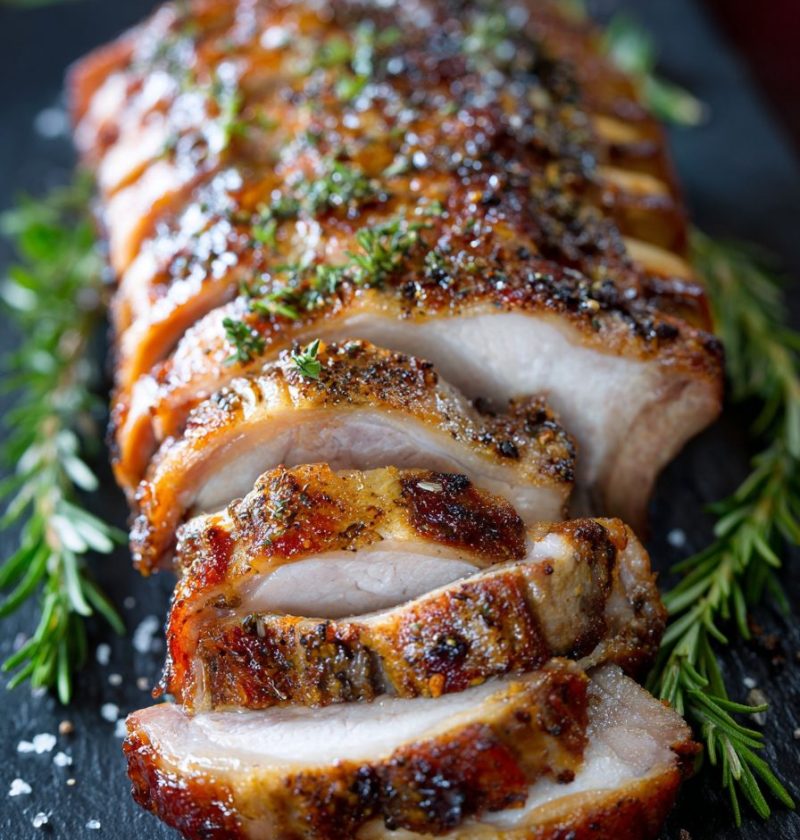
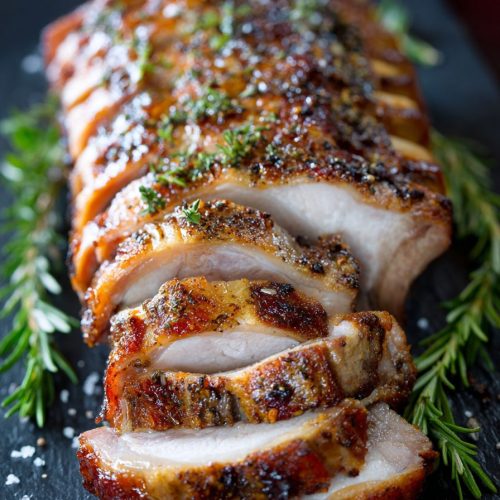
If you’re hunting for a foolproof, crowd-pleasing Rack Of Pork Recipe that’s tender, juicy, and crowned with a crispy fat cap, you’ve just found your new “company’s coming” favorite.
A Comforting, Elegant Rack Of Pork Recipe You Can Actually Pull Off
A rack of pork—sometimes labeled as a bone in pork loin rack—is one of those cuts that looks like it came straight out of a fancy steakhouse kitchen, but it’s surprisingly straightforward to cook at home. This oven roasted rack of pork gets a fragrant garlic rosemary herb crust, turns golden and crisp on the outside, and stays beautifully rosy and juicy inside.
I’m a 50‑year‑old home cook, and I’ve been roasting pork for family holidays and lazy Sunday dinners for a couple of decades now. Over the years, I’ve tested more versions than I care to admit. This is the Rack Of Pork Recipe my grown kids still ask for when they come home, and the one my neighbors text me about every Christmas Eve.
What makes this a little special?
- It’s a true holiday pork roast recipe that still works on a regular weeknight when you feel like celebrating.
- The seasoning is simple—garlic, rosemary, thyme, salt, and pepper—but layered in a way that gives you that steakhouse flavor.
- The fat cap gets shatteringly crisp if you follow a few key tricks I’ll share with you.
And, because many of us think “pork = dry,” we’ll talk about rack of pork cooking time, temperature, and resting—so your tender roasted pork loin comes out juicy, not chalky.
Why You’ll Love This Rack Of Pork Recipe
Let’s get right to the good stuff. Here’s why this Rack Of Pork Recipe has become a keeper in my kitchen:
- Show-stopping presentation – The bones on that bone in pork loin rack make it look like something from a restaurant, but it’s all roasted on one pan.
- Simple, reliable seasoning – A classic garlic rosemary pork rack rub that uses pantry ingredients but tastes like a special occasion.
- Juicy every time – We use high heat plus a moderate roast and a proper rest for an ultra tender roasted pork loin.
- Crispy fat cap you’ll fight over – The crispy fat cap pork roast top becomes golden, crackly, and full of flavor.
- Perfect for holidays and Sundays – An ideal festive pork main course for Christmas, Easter, or a cozy Sunday pork roast meal.
- Hands-off cooking – Once it’s rubbed and seared, the oven does most of the work so you can finish sides or chat with guests.
- Easy to scale – Works just as well for a small family dinner pork roast as it does for a big gathering—just adjust the size of the rack.
- Beginner-friendly – Clear cues, temperatures, and timing so even a newer cook can nail this special occasion pork recipe.
Ingredients For Herb-Crusted Oven Roasted Rack Of Pork
Here’s what you’ll need for this herb crusted pork rack. I’ll give a few suggestions and substitutions as we go—because we’ve all had that “out of rosemary” moment.
- 1 (4–6 pound) bone in pork loin rack, frenched if possible
- Look for 6–8 ribs for a medium-size roast; ask the butcher to french the bones for a prettier look if you like.
- 2–3 tablespoons olive oil
- Extra-virgin for flavor, but any neutral oil works for searing.
- 6 cloves garlic, finely minced
- Fresh garlic really matters here; jarred is okay in a pinch but not my first choice.
- 2 tablespoons fresh rosemary, finely chopped
- If using dried, use 2 teaspoons and crush it between your fingers to release aroma.
- 1 tablespoon fresh thyme leaves, chopped
- Or 1 teaspoon dried thyme.
- 1 tablespoon kosher salt
- Use a bit less if you’re using fine table salt; it’s “saltier” per teaspoon.
- 2 teaspoons freshly ground black pepper
- 1 teaspoon smoked paprika (optional but lovely)
- Adds a touch of color and subtle smokiness.
- 1 teaspoon Dijon mustard
- Helps the herb rub cling to the meat and adds a gentle tang.
- 1–2 teaspoons brown sugar (optional)
- Very small amount; it helps caramelize the herb crusted pork rack without making it sweet.
- 1 small onion, quartered
- 1–2 carrots, cut into chunks
- 2 celery stalks, cut into chunks
- These vegetables form a simple rack and flavor base under the pork.
- 1 cup low-sodium chicken broth or dry white wine
- Keeps the pan from smoking and gives you a flavorful base for a quick pan sauce if you want.
Ingredient tips:
- If you can, choose pork that’s pink, not pale, with a nice fat cap on top—fat = flavor and helps protect the meat from drying out.
- Let the pork sit out at room temperature for about 45–60 minutes before roasting so it cooks more evenly.

Step-by-Step Directions: How To Roast A Rack Of Pork
We’re making an oven roasted rack of pork that’s as stress-free as possible. Read through once, then you’ll breeze right through.
-
Bring the pork to room temperature
Take your bone in pork loin rack out of the fridge 45–60 minutes before cooking. Pat it very dry with paper towels—especially the fat cap—so it browns well. -
Preheat and prepare your pan
Preheat the oven to 450°F (230°C). Line a large roasting pan or sturdy baking sheet with foil for easy cleanup; place a roasting rack on top if you have one. If you don’t, we’ll “build” a veggie rack. -
Season the vegetables
Scatter the onion, carrot, and celery chunks in the bottom of the pan. Drizzle with a little olive oil, a pinch of salt, and pepper. These will flavor your pan juices and keep the roast off the direct heat. -
Mix the herb rub
In a small bowl, combine minced garlic, rosemary, thyme, salt, pepper, smoked paprika, Dijon mustard, brown sugar (if using), and 2 tablespoons olive oil. Stir until it forms a thick, fragrant paste. -
Score the fat cap (gently!)
Using a sharp knife, lightly score the fat cap in a crosshatch pattern, cutting just through the fat but not deep into the meat. This helps render the fat and makes that crispy fat cap pork roast you’re dreaming about. -
Rub the pork generously
Place the pork rack on a cutting board, fat side up. Rub the herb mixture all over the meat, pressing it into the scored fat and down the sides and between the bones. Be generous—you want good coverage. -
Start with high heat for a good crust
Nestle the seasoned pork on top of the vegetables, bones facing down, fat side up. Pour the broth or wine into the bottom of the pan (not over the meat; you don’t want to wash off that rub).
Roast at 450°F (230°C) for 15–20 minutes until the top starts to brown. This is your searing stage. -
Reduce heat and roast to temperature
Without opening the oven if you can help it, reduce the temperature to 325°F (165°C). Continue roasting until the internal temperature reaches 135–140°F (57–60°C) in the thickest part (avoid touching the bone with your thermometer).- As a rough guide for rack of pork cooking time, plan on about 18–22 minutes per pound after the initial high-heat phase, but always trust your thermometer over the clock.
-
Rest the roast—don’t skip this
Transfer the pork rack to a cutting board, tent loosely with foil, and let it rest for 15–20 minutes. The temperature will rise to about 145°F (63°C), which is the sweet spot for a juicy pork roast dinner. Resting allows the juices to redistribute, so be patient. -
Make a quick pan sauce (optional but lovely)
While the meat rests, skim excess fat from the pan juices. Place the pan over medium heat on the stove (if your pan is stovetop-safe) or scrape everything into a skillet. Add a splash more broth or wine, scrape up browned bits, and simmer for a few minutes. Taste and adjust seasoning. You can swirl in a tablespoon of butter for extra richness. -
Slice and serve
Using a sharp carving knife, slice between the bones into individual chops or into double chops for heartier portions. Serve with the pan juices or sauce spooned over the top. Sit back and listen to the compliments roll in.
Servings & Timing
- Yield: Serves 6–8 people (about 1 rib per person, depending on appetite)
- Prep Time: 20–25 minutes (plus 45–60 minutes to bring meat to room temp)
- Cook Time: 1½–2 hours, depending on size (roughly 18–22 minutes per pound after searing)
- Rest Time: 15–20 minutes
- Total Time: About 2½–3 hours from fridge to table
For planning: a 5‑pound rack of pork recipe usually fits nicely into a holiday schedule—get it in the oven, make your sides while it roasts, and you’re ready for a relaxed family dinner pork roast.
Fun Variations On This Pork Rack
Once you’ve made this version, you can easily tweak it. Here are a few of my favorites:
- Maple-Mustard Pork Rack: Swap the brown sugar with 2 tablespoons maple syrup and double the Dijon for a sweet-savory glaze.
- Garlic Herb Butter Crust: Replace olive oil with softened butter in the rub for an extra-rich herb crusted pork rack.
- Mediterranean Pork Roast: Add lemon zest, oregano, and a pinch of red pepper flakes for a bright, bold twist.
- Apple & Fennel Pork Rack: Toss sliced fennel and apple wedges with the vegetables under the roast for a fall-inspired holiday pork roast recipe.
- Smoky BBQ Pork Rack: Add chili powder and regular paprika, and serve with a light brush of your favorite barbecue sauce at the very end.
Storage, Reheating & Make-Ahead Tips
A Rack Of Pork Recipe like this often leaves a few slices for later (lucky you).
-
Storing leftovers:
- Cool completely, then store sliced pork in an airtight container in the fridge for 3–4 days.
- For longer storage, wrap tightly and freeze for up to 2–3 months.
-
Reheating:
- For best results, reheat gently. Place slices in a covered dish with a splash of broth and warm at 300°F (150°C) for about 10–15 minutes, just until heated through.
- You can also reheat individual slices in a covered skillet over low heat with a bit of broth or butter.
-
Make-ahead tips:
- You can season the pork rack with the herb rub up to 24 hours in advance. Wrap tightly and refrigerate, then bring to room temperature before roasting.
- You can prep the vegetables earlier in the day, keep them in the fridge, and assemble everything right before roasting.
Notes From My Kitchen (Little Things That Make a Big Difference)
- Dry equals crisp: The drier that fat cap is before you add the rub, the better your chances at a beautifully crisp top. Don’t be shy with those paper towels.
- Thermometer = your best friend: Our ovens run hot or cool more than we think. A simple digital probe thermometer takes all the guesswork out of your rack of pork cooking time.
- Don’t fear a blush of pink: Pork is safe at 145°F with a slight blush inside—that’s when it’s juicy and tender. Overcooking is what gives pork a bad reputation.
- Let it rest, even if everyone is hungry: I know, the smell is ridiculous, but resting truly transforms this from just “good” to restaurant-level.
- Season all sides: It’s tempting to just focus on the fat cap, but massaging that herb mixture down the sides and around the bones adds so much flavor to every bite.
- Pan choice matters: A heavy roasting pan or sturdy sheet pan holds heat more evenly, which helps with that gorgeous, even browning. Thin pans can scorch your veggies and juices.
FAQs About Making Rack Of Pork
1. How do I know how long to cook my rack of pork?
Use time as a rough guide and temperature as your truth. Plan on about 18–22 minutes per pound at 325°F after the initial high-heat blast, but pull it at 135–140°F and let it rest to 145°F.
2. Can I make this Rack Of Pork Recipe without fresh herbs?
Yes. Use about one-third the amount of dried herbs (so 2 teaspoons dried rosemary, 1 teaspoon dried thyme) and crush them in your fingers before mixing to release their oils.
3. My pork always turns out dry—what am I doing wrong?
Most likely, it’s overcooking or skipping the rest. Take the roast out of the oven earlier than you think, around 135–140°F, and let it rest 15–20 minutes before slicing.
4. Do I need to brown the pork in a skillet first?
No. The high-heat start at 450°F essentially sears the outside for you; that’s what gives you that roasted, caramelized crust without extra fuss.
5. Can I cook vegetables in the same pan?
Absolutely. The onion, carrot, and celery are a good base, but you can also tuck in baby potatoes or parsnips around the roast—just cut them in similar sizes so they cook evenly.
6. What’s the difference between a pork loin rack and pork tenderloin?
They’re different cuts. A bone in pork loin rack is larger, meatier, and better suited for roasting as a big centerpiece, while pork tenderloin is small, very lean, and cooks much faster.
7. Can I use this recipe for a boneless pork loin roast?
Yes, it works well. The flavor and method are similar; just start checking the temperature a little earlier since boneless roasts sometimes cook slightly faster.
8. Is this Rack Of Pork Recipe good for a small crowd?
Definitely. A smaller 4‑rib roast works beautifully for 3–4 people and still gives that festive special occasion pork recipe feel.
Wrapping It Up (And Passing the Platter)
This Rack Of Pork Recipe gives you everything you want in a festive pork main course—a beautifully browned crust, a savory garlic-herb aroma, and slices of pork that are tender, juicy, and worthy of your favorite serving platter. It’s the kind of Sunday pork roast meal that turns into a tradition without you even planning it.
If you try this, I’d love to hear how it went—tell me what you served on the side, whether it was a quiet family dinner pork roast or a full holiday spread. And if you’re in the mood for more cozy main dishes, you might enjoy exploring similar roasts, like beef rib roasts or glazed hams, next.
Rack Of Pork (Perfectly Juicy, Crispy, and Festive)
Ingredients
- 1 bone-in pork loin rack (4–6 pounds, 6–8 ribs) frenched if possible, with a good fat cap
- 2-3 tablespoons olive oil extra-virgin preferred
- 6 cloves garlic finely minced
- 2 tablespoons fresh rosemary finely chopped (or 2 teaspoons dried)
- 1 tablespoon fresh thyme leaves chopped (or 1 teaspoon dried)
- 1 tablespoon kosher salt use a bit less if using fine table salt
- 2 teaspoons freshly ground black pepper
- 1 teaspoon smoked paprika optional, for color and subtle smokiness
- 1 teaspoon Dijon mustard
- 1-2 teaspoons brown sugar optional, helps caramelize the crust
- 1 small onion quartered
- 1-2 carrots cut into chunks
- 2 celery stalks cut into chunks
- 1 cup low-sodium chicken broth or dry white wine
Instructions
- Take the bone-in pork loin rack out of the refrigerator 45–60 minutes before cooking. Pat it very dry all over, especially the fat cap, with paper towels to help it brown and crisp.
- Preheat the oven to 450°F (230°C). Line a large roasting pan or sturdy baking sheet with foil for easier cleanup. Place a roasting rack on top if you have one; otherwise you will use the vegetables as a rack.
- Scatter the onion, carrot, and celery chunks in the bottom of the prepared pan. Drizzle with a little olive oil and season lightly with salt and pepper. Spread into an even layer to form a bed for the pork.
- In a small bowl, combine the minced garlic, chopped rosemary, thyme, kosher salt, black pepper, smoked paprika (if using), Dijon mustard, brown sugar (if using), and about 2 tablespoons olive oil. Stir until a thick, fragrant paste forms.
- Place the pork rack on a cutting board, fat side up. Using a sharp knife, lightly score the fat cap in a crosshatch pattern, cutting through the fat but not into the meat. This helps the fat render and crisp in the oven.
- Rub the herb paste all over the pork rack, pressing it into the scored fat cap, sides, and around the bones so the meat is well coated on all surfaces.
- Nestle the seasoned pork rack on top of the vegetables in the pan, bones facing down and fat side up. Pour the chicken broth or wine into the bottom of the pan, being careful not to pour it over the meat. Roast at 450°F (230°C) for 15–20 minutes, until the top begins to brown and the crust starts to set.
- Without opening the oven if possible, reduce the oven temperature to 325°F (165°C). Continue roasting until the internal temperature in the thickest part of the meat (not touching bone) reaches 135–140°F (57–60°C). As a guide, allow about 18–22 minutes per pound after the initial high-heat phase, but rely on a thermometer for accuracy.
- Transfer the pork rack to a cutting board and tent loosely with foil. Let it rest for 15–20 minutes. The internal temperature will rise to around 145°F (63°C) and the juices will redistribute, keeping the meat moist.
- While the pork rests, skim excess fat from the pan juices. Place the roasting pan over medium heat if it is stovetop-safe, or scrape the vegetables and juices into a skillet. Add a splash more broth or wine, scrape up the browned bits, and simmer for a few minutes to reduce slightly. Taste and adjust seasoning, swirling in a tablespoon of butter if desired.
- Using a sharp carving knife, slice the rack between the bones into individual chops or double chops. Serve hot with the pan juices or sauce spooned over the top, along with the roasted vegetables from the pan if you like.