Would you like to save this?
Monkey Bread Recipe
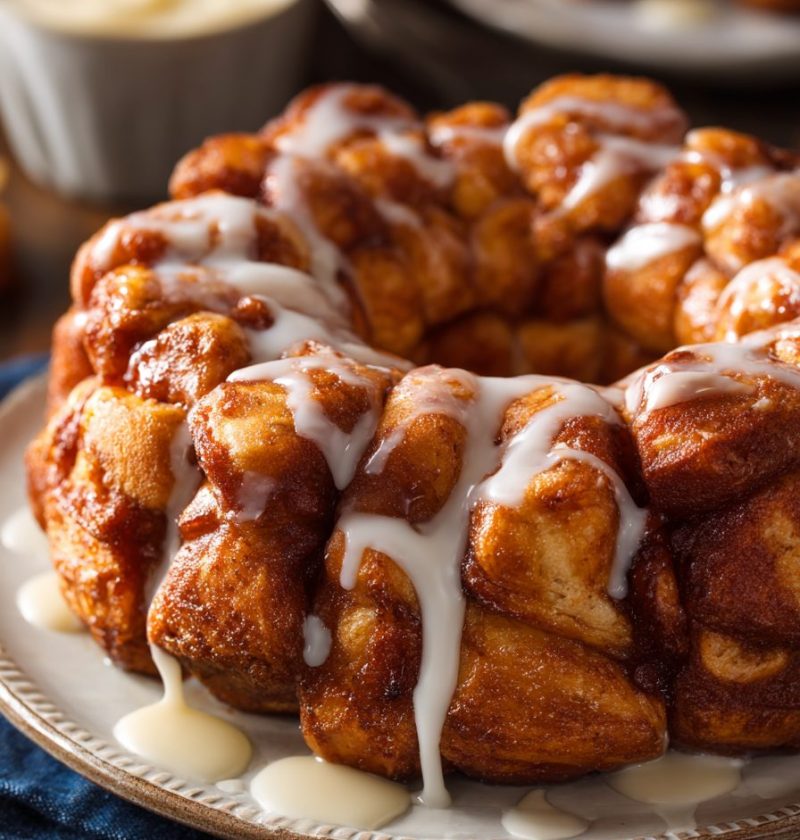
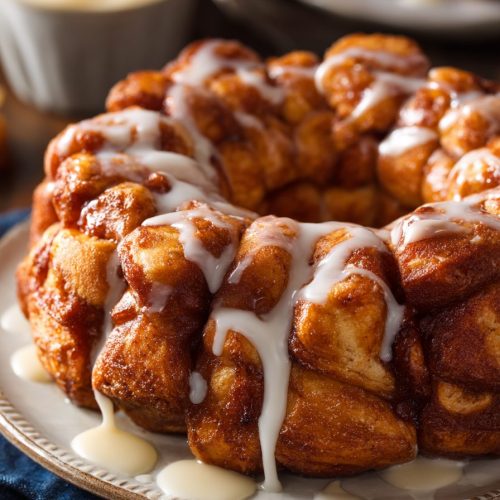
This homemade Monkey Bread Recipe bakes up into a golden, gooey, pull apart bread loaded with cinnamon sugar, caramel sauce, and tender yeast dough—perfect for weekends, brunch, or a cozy dessert with the family.
What Is Monkey Bread and Why We Love It So Much
If you’ve never had monkey bread before, think of it as a big, shareable cinnamon sugar bread you pull apart with your fingers. Little Balls of soft yeast dough are rolled in butter and cinnamon sugar, layered in a pan, and baked until they’re sticky, caramelized, and completely irresistible.
This classic monkey bread recipe is a staple at many holiday tables in the United States—especially Christmas morning or Easter brunch. In my house, it started as a special “snow day breakfast” treat when my kids were little. Now the kids are grown, but they still request this sweet breakfast bread every time they come home.
What makes this homemade monkey bread special is that we’re making it from scratch with a simple yeast dough instead of canned biscuits. That gives better flavor, better texture, and honestly, it makes your whole kitchen smell like a bakery. You’ll get that perfect balance: soft and pillowy on the inside, with a sticky caramel monkey bread crust on the outside.
Is it healthy? Well, this is definitely a treat. But using real butter, real sugar, and a homemade dough means you control the ingredients—no mystery flavors, no cans, just classic, home-baked goodness. And as someone who’s been baking for more than 30 years, I can tell you: the joy it brings to a family breakfast is absolutely worth it.
Why You’ll Love This Monkey Bread Recipe
- Made from scratch but beginner-friendly – Simple yeast dough, clear steps, and plenty of tips.
- Better than canned shortcut versions – Rich flavor, pillowy texture, and no “chemical” aftertaste.
- Perfect for brunch or holidays – This pull apart bread makes a beautiful centerpiece on any table.
- Kid-approved and family friendly – Little hands love helping roll the dough in cinnamon sugar.
- Gooey cinnamon sugar in every bite – No dry spots; the caramel sauce soaks right through.
- Customizable – Turn it into a nutty, chocolatey, or orange-scented baked monkey bread with easy tweaks.
- Make-ahead friendly – You can assemble the night before and bake in the morning.
- Crowd-pleasing dessert or breakfast – Works as a brunch monkey bread, dessert, or late-night treat.
You know what? This is one of those recipes that disappears faster than you think—so you might want to plan on seconds.
Ingredients for Classic Monkey Bread Recipe
For this easy monkey bread, we’ll make a soft yeast dough, a cinnamon sugar coating, and a quick buttery caramel sauce.
Dough Ingredients
- 3 ¼ cups (390 g) all-purpose flour, plus extra for kneading
- Use a good-quality unbleached flour if you can; it gives a nicer chew.
- 2 ¼ teaspoons (1 packet, 7 g) instant yeast
- Instant or “rapid rise” yeast mixes right into the flour—no proofing needed.
- ¼ cup (50 g) granulated sugar
- 1 teaspoon fine sea salt
- ¾ cup (180 ml) whole milk, warmed to 105–115°F
- Warm to the temperature of a hot bath—if it feels too hot on your finger, let it cool a bit.
- ¼ cup (60 ml) water, warmed to 105–115°F
- 4 tablespoons (56 g) unsalted butter, melted and slightly cooled
- 1 large egg, room temperature
- Room temperature helps the dough rise more evenly.
Cinnamon Sugar Coating
- 1 cup (200 g) granulated sugar
- 2 teaspoons ground cinnamon
- ½ teaspoon ground nutmeg (optional)
- Just a pinch gives a cozy bakery flavor, but you can skip if you like.
- ½ cup (113 g) unsalted butter, melted
Caramel Sauce (for that gooey finish)
- ½ cup (1 stick, 113 g) unsalted butter
- 1 cup (215 g) packed light brown sugar
- 2 tablespoons heavy cream or whole milk
- Cream makes it richer; milk works fine too.
- 1 teaspoon pure vanilla extract
- ¼ teaspoon fine sea salt
If you’d like to add texture, you can toss ½ cup chopped pecans or walnuts between the dough layers. That turns this into a lovely party pull apart bread for those who love nuts.

Step-by-Step Directions for Gooey Cinnamon Monkey Bread
1. Prepare your pan and ingredients
- Grease a 10–12 cup Bundt pan very well with butter or nonstick spray, making sure to coat all the nooks and crannies.
- This is important—monkey bread loves to stick.
- In a small bowl, mix the cinnamon sugar: stir together 1 cup sugar, cinnamon, and nutmeg (if using).
- Place the melted butter (for coating) in another small bowl.
Set both bowls near your work area; you’ll be rolling and dipping the dough balls shortly.
2. Make the yeast dough
- In a large mixing bowl (or the bowl of a stand mixer), whisk together flour, instant yeast, sugar, and salt.
- In a separate bowl or large measuring cup, combine warm milk, warm water, melted butter, and the egg, whisking until smooth.
- Pour the wet ingredients into the dry ingredients. Stir with a wooden spoon until a shaggy dough forms.
If using a stand mixer, attach the dough hook and mix on low speed until the dough comes together.
3. Knead the dough
-
Turn the dough out onto a lightly floured surface and knead for 6–8 minutes, until smooth, soft, and elastic.
- The dough should be slightly tacky but not sticking stubbornly to your hands.
- If it’s very sticky, sprinkle in 1–2 tablespoons of flour, a little at a time.
-
Place the dough in a greased bowl, turning once to coat the top. Cover with a clean kitchen towel or plastic wrap.
4. Let it rise
- Let the dough rise in a warm, draft-free place for about 60–75 minutes, or until doubled in size.
- A turned-off oven with the light on works well.
- You’ll know it’s ready when you gently poke it and the indentation slowly springs back.
During this time, you can prep your caramel sauce ingredients and tidy the kitchen a bit—future you will be grateful.
5. Shape the dough balls
- Punch down the risen dough gently to release air. Turn it out onto a lightly floured surface.
- Pat or roll it into a rectangle about 8×10 inches. It doesn’t have to be perfect.
- Using a bench scraper or knife, cut the dough into about 40–48 small pieces—roughly the size of large grapes or small walnuts.
6. Coat with butter and cinnamon sugar
- Working with a few pieces at a time, roll each piece into a ball.
- Dip each dough ball into the melted butter, letting the excess drip off.
- Roll the buttered dough ball in the cinnamon sugar mix until well coated.
- Place coated dough balls into the prepared Bundt pan. Scatter in nuts between layers if you’re using them.
You don’t need to arrange them perfectly. Just try to spread them out fairly evenly so they bake at the same rate.
7. Second rise
- Once all the dough balls are in the pan, cover the pan loosely with plastic wrap or a towel.
- Let the dough rise again for 30–40 minutes, until puffy and about 1–1½ inches from the top of the pan.
While it rises, preheat your oven to 350°F (175°C).
8. Make the caramel sauce
- In a small saucepan over medium heat, melt ½ cup butter.
- Stir in the brown sugar and salt. Cook, stirring often, for 2–3 minutes, until the sugar is mostly dissolved and the mixture looks glossy.
- Remove from heat and stir in the cream and vanilla.
The sauce will be thick but pourable. If it seems grainy, give it another minute over low heat, stirring gently.
9. Assemble and bake
- Gently pour the warm caramel sauce evenly over the risen dough in the pan.
- Bake at 350°F (175°C) for 30–35 minutes, until the top is deep golden brown and the caramel is bubbling around the edges.
- If the top is browning too quickly, cover loosely with foil for the last 5–10 minutes.
You’ll smell when it’s close to done—it will smell like cinnamon rolls and caramel had a party in your oven.
10. Cool, invert, and serve
- Remove the pan from the oven and let it cool on a rack for 10 minutes.
- Run a thin knife or spatula around the edges if needed.
- Place a large serving plate over the pan and carefully invert the whole thing in one quick motion.
- Let the pan sit upside down for a minute, then lift it off.
The caramel will slowly drip down over the sides, coating your gooey cinnamon bread. Serve warm and let everyone pull pieces apart with their hands—or with forks, if you’re feeling fancy.
Servings & Timing
- Yield: About 10–12 servings
- Prep Time: 25–30 minutes active time
- Rise Time: 1 hour 30 minutes (first and second rise combined)
- Bake Time: 30–35 minutes
- Total Time: About 2½ hours (mostly hands-off)
It sounds long, but most of that is rising and baking. The actual hands-on work is very manageable—even on a lazy Sunday morning.
Fun Variations on This Monkey Bread Recipe
You can easily turn this classic into your own signature pull apart bread:
- Sticky Pecan Monkey Bread: Add ¾ cup toasted chopped pecans between the layers and a sprinkle on top before serving.
- Orange Cinnamon Monkey Bread: Add 1 tablespoon orange zest to the dough and 1 tablespoon to the caramel sauce.
- Chocolate Chip Monkey Bread: Toss mini chocolate chips between the cinnamon sugar–coated dough balls (about 1 cup total).
- Salted Caramel Monkey Bread: Sprinkle flaky sea salt over the finished bread for a sweet-salty finish.
- Apple Cinnamon Monkey Bread: Add small diced sautéed apples (cooked briefly in butter and sugar) between layers.
- Glazed Monkey Bread: Drizzle with a simple powdered sugar glaze after baking (½ cup powdered sugar + 1–2 tablespoons milk).
These little twists keep the basic method the same, so once you’ve mastered the original, you can play around all you like.
Storage, Reheating, and Make-Ahead Tips
Monkey bread is at its very best warm from the oven, but leftovers still taste great with a little care.
- Room Temperature: Keep cooled monkey bread covered at room temp for up to 1 day.
- Refrigerator: For longer storage, wrap well or store in an airtight container for up to 4 days.
- Freezer: Wrap individual portions tightly in plastic and then in a freezer bag. Freeze for up to 2 months.
Reheating
- Microwave: Warm individual pieces on a microwave-safe plate for 15–25 seconds, just until soft and gooey again.
- Oven: For larger portions, cover loosely with foil and warm at 300°F (150°C) for 10–12 minutes.
Make-Ahead Instructions
For busy mornings—think Christmas or Thanksgiving:
- Overnight rise: Assemble the coated dough balls in the Bundt pan, cover tightly, and refrigerate overnight before the second rise.
- In the morning, let the pan sit at room temp for 45–60 minutes, then pour on the caramel sauce and bake as directed.
This make-ahead method is one of my favorite “secret weapons” during holiday season. You get fresh baked monkey bread without doing all the work before coffee.
Notes From My Kitchen (A Few Helpful Lessons)
- Yeast temperature matters. Water or milk that’s too hot can kill yeast. Aim for warm—not steaming. If you have a thermometer, 105–115°F is your friend.
- Don’t rush the rise. If your kitchen is cool, rising can take a bit longer. Give the dough time; good yeast dough is patient dough.
- Check the middle for doneness. If you’re unsure, use a skewer or butter knife and gently peek at the center. The dough should look set, not raw or gummy.
- Use a reliable Bundt pan. A heavy, non-stick Bundt pan (like from Nordic Ware) helps prevent sticking and gives better browning.
- Watch the caramel. If it boils hard for a long time on the stove, it can thicken too much and turn grainy. Gentle heat and stirring are key.
Honestly, the first time I made monkey bread from scratch years ago, I underbaked it slightly—the edges looked perfect, but the center was still doughy. Since then, I’ve learned to trust both the bake time and the smell, and to give it that extra few minutes when in doubt.
Frequently Asked Questions About Monkey Bread
1. Can I make this Monkey Bread Recipe with canned biscuit dough instead of yeast dough?
Yes, you can, but the flavor and texture will be different. This version is written for homemade yeast dough, which gives a softer, bakery-style crumb and richer taste.
2. How do I know when the monkey bread is done baking?
The top should be deep golden brown and you should see bubbling caramel around the edges. If you gently pull apart one piece at the edge with a fork, the dough inside should look fully cooked, not raw.
3. My dough isn’t rising—what went wrong?
Most often, the yeast was old or the liquid was too hot or too cold. Check the expiration date on your yeast and make sure your milk and water are just warm, not hot.
4. Can I make this monkey bread without a Bundt pan?
Yes, you can use a well-greased 9×13-inch baking dish or two 8-inch round cake pans. The look will be different, but it will still be a delicious pull apart cinnamon sugar bread.
5. Is this recipe freezer-friendly for baking later?
You can freeze the unbaked assembled monkey bread after the dough balls are shaped and coated. Thaw overnight in the fridge, let it rise at room temperature, then add caramel and bake as directed.
6. Can I reduce the sugar?
You can slightly cut back the sugar in the cinnamon coating or caramel, but remember that monkey bread is meant to be a sweet breakfast bread. Reducing it too much will change the classic flavor and texture.
7. What if I don’t have instant yeast—can I use active dry yeast?
Yes. Use the same amount, but dissolve it first in the warm milk and water with a pinch of sugar. Let it sit 5–10 minutes until foamy, then proceed with the recipe.
8. Can I reheat a whole monkey bread ring at once?
You can. Cover the whole ring with foil and warm at 300°F (150°C) for about 15–20 minutes, until heated through and gooey again.
Wrapping It Up: A Cozy, Shareable Treat
This homemade Monkey Bread Recipe gives you everything you love in gooey cinnamon bread—soft, tender yeast dough, caramel-soaked edges, and that fun pull apart bread experience that makes breakfast or dessert feel like a celebration. It’s cozy, nostalgic, and wonderfully messy in the best way.
If you try this classic monkey bread recipe, let me know how it turns out—tell me if your family demolished it as fast as mine does. And if you’re on a roll with sweet breakfast recipes, you might enjoy making cinnamon rolls, sweet rolls, or a simple coffee cake next time.
Monkey Bread Recipe
Ingredients
- 3 1/4 cups all-purpose flour plus extra for kneading
- 2 1/4 teaspoons instant yeast 1 packet (7 g)
- 1/4 cup granulated sugar
- 1 teaspoon fine sea salt
- 3/4 cup whole milk warmed to 105–115°F (hot bath temperature)
- 1/4 cup water warmed to 105–115°F
- 4 tablespoons unsalted butter melted and slightly cooled (for dough)
- 1 large egg room temperature
- 1 cup granulated sugar for cinnamon sugar coating
- 2 teaspoons ground cinnamon
- 1/2 teaspoon ground nutmeg optional
- 1/2 cup unsalted butter melted (for coating dough balls)
- 1/2 cup unsalted butter 1 stick (for caramel sauce)
- 1 cup light brown sugar packed, for caramel sauce
- 2 tablespoons heavy cream or whole milk for caramel sauce
- 1 teaspoon pure vanilla extract
- 1/4 teaspoon fine sea salt for caramel sauce
- 1/2 cup chopped pecans or walnuts optional, for layering between dough balls
Instructions
- Grease a 10–12 cup Bundt pan very well with butter or nonstick spray, making sure to coat all the nooks and crannies. In a small bowl, stir together 1 cup granulated sugar, ground cinnamon, and nutmeg (if using). Place the 1/2 cup melted butter for coating dough balls in another small bowl and set both near your work area.1 cup granulated sugar, 2 teaspoons ground cinnamon, 1/2 teaspoon ground nutmeg, 1/2 cup unsalted butter
- In a large mixing bowl or the bowl of a stand mixer, whisk together the all-purpose flour, instant yeast, 1/4 cup granulated sugar, and 1 teaspoon fine sea salt.3 1/4 cups all-purpose flour, 2 1/4 teaspoons instant yeast, 1/4 cup granulated sugar, 1 teaspoon fine sea salt
- In a separate bowl or large measuring cup, combine the warm milk, warm water, melted 4 tablespoons butter, and the egg. Whisk until smooth.3/4 cup whole milk, 1/4 cup water, 4 tablespoons unsalted butter, 1 large egg
- Pour the wet ingredients into the dry ingredients. Stir with a wooden spoon until a shaggy dough forms. If using a stand mixer, attach the dough hook and mix on low speed until the dough comes together.
- Turn the dough out onto a lightly floured surface and knead for 6–8 minutes, until smooth, soft, and elastic. The dough should be slightly tacky but not overly sticky. If very sticky, sprinkle in 1–2 tablespoons of flour as needed. Place the dough in a greased bowl, turning once to coat the top. Cover with a clean kitchen towel or plastic wrap.
- Let the dough rise in a warm, draft-free place for about 60–75 minutes, or until doubled in size. A turned-off oven with the light on works well. The dough is ready when a gentle poke slowly springs back.
- Punch down the risen dough gently to release air and turn it onto a lightly floured surface. Pat or roll it into a rough 8x10-inch rectangle. Using a bench scraper or knife, cut the dough into about 40–48 small pieces, each about the size of a large grape or small walnut.
- Working with a few pieces at a time, roll each piece into a ball. Dip each dough ball into the melted butter for coating, letting excess drip off, then roll in the cinnamon sugar mixture until well coated. Place coated dough balls into the prepared Bundt pan, scattering chopped nuts between layers if using.1 cup granulated sugar, 2 teaspoons ground cinnamon, 1/2 teaspoon ground nutmeg, 1/2 cup unsalted butter, 1/2 cup chopped pecans or walnuts
- Once all the dough balls are in the pan, cover the pan loosely with plastic wrap or a towel. Let rise for 30–40 minutes, until puffy and about 1–1 1/2 inches from the top of the pan. While the dough rises, preheat the oven to 350°F (175°C).
- In a small saucepan over medium heat, melt 1/2 cup unsalted butter. Stir in the packed light brown sugar and 1/4 teaspoon fine sea salt. Cook, stirring often, for 2–3 minutes, until the sugar is mostly dissolved and the mixture looks glossy. Remove from heat and stir in the cream (or milk) and vanilla. The sauce should be thick but pourable.1/2 cup unsalted butter, 1 cup light brown sugar, 2 tablespoons heavy cream or whole milk, 1 teaspoon pure vanilla extract, 1/4 teaspoon fine sea salt
- Gently pour the warm caramel sauce evenly over the risen dough in the Bundt pan. Bake at 350°F (175°C) for 30–35 minutes, until the top is deep golden brown and the caramel is bubbling around the edges. If the top browns too quickly, cover loosely with foil for the last 5–10 minutes.
- Remove the pan from the oven and let cool on a rack for 10 minutes. Run a thin knife or spatula around the edges if needed. Place a large serving plate over the pan and carefully invert in one quick motion. Let the pan sit upside down for a minute, then lift it off and allow the caramel to drip down the sides. Serve warm, letting guests pull apart pieces with their hands or with forks.