Would you like to save this?
Mayak Eggs Recipe (Korean Marinated Eggs You’ll Want on Everything)
If you’ve been craving a savory little something to perk up your rice bowl, this Mayak Eggs Recipe—Korean marinated eggs with a sweet soy garlic bath—is going to become your new obsession. No oven, simple ingredients, and the kind of flavor that makes you say, “Okay, I need another one…right now.”
What Are Mayak Eggs, Anyway?
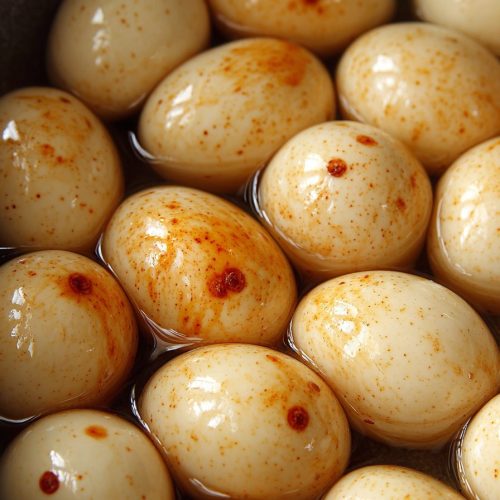
Mayak eggs are Korean marinated eggs (also called soy sauce eggs) that soak in a savory-sweet soy garlic egg marinade until the whites are deeply seasoned and the yolks stay soft and jammy. They’re a beloved Korean side dish, or banchan, and they’re fantastic as a Korean egg appetizer, on top of a rice bowl, tucked into a lunchbox, or just snagged straight from the fridge when you need a salty little pick‑me‑up.
The name “mayak” loosely translates to “drug eggs” in Korean—NOT because there’s anything weird in them, but because they’re famously addictive. My kids tease me that these are “mom’s snack eggs,” because I’ll open the fridge for something else and somehow one of these ends up on a spoon over a hot bowl of rice.
What I love about this Korean banchan recipe is how flexible it is. You can make it spicier, sweeter, or more garlicky, and you can toss these soft boiled marinated eggs on top of everything from ramen to avocado toast. Plus, they’re a great Korean meal prep eggs option: the longer they sit in the marinade, the better they taste. Health‑wise, you’re getting protein, some healthy fats from the yolks, and zero deep frying. Not bad for something that tastes this indulgent.
Why You’ll Love This Mayak Eggs Recipe
- Big flavor, tiny effort – The marinade does all the work while you relax.
- Perfect meal prep – Make a batch on Sunday and enjoy Korean home cooking vibes all week.
- Protein-packed snack – Each egg is a quick, satisfying bite that keeps you full.
- Customizable heat level – Go mild or spicy with just a tweak of the peppers.
- No oven, no fuss – Just a pot, a bowl, and some eggs.
- Ideal rice bowl topping – Turns plain rice into a full-on restaurant-style meal.
- Kid-friendly (with tweaks) – Skip the chili for little ones and they’ll still love the sweet soy egg flavor.
- Great gateway Korean dish – If you’re new to Korean cooking, this easy Korean egg dish is a gentle and delicious start.
Ingredients for the Best Mayak Eggs
You don’t need anything fancy to make this soy garlic egg marinade. Most of it you may already have in your pantry.
For the Eggs
- 8 large eggs (use the freshest you can; older eggs can be trickier to peel)
For the Soy Garlic Marinade
- ½ cup low-sodium soy sauce
- ½ cup water
- 3 tbsp sugar (white sugar or light brown sugar both work; brown adds a deeper flavor)
- 2 tbsp honey (for that glossy sweetness—maple syrup works in a pinch)
- 2 tbsp rice vinegar (seasoned or unseasoned; apple cider vinegar is a backup option)
- 1 tbsp sesame oil (toasted sesame oil for that nutty aroma)
- 4 cloves garlic, finely minced (use fresh—jarred garlic doesn’t give the same punch)
- 2 green onions, thinly sliced (both white and green parts)
- 1–2 Korean green chili peppers or jalapeños, thinly sliced (for heat; remove seeds for milder spice)
- 1 small red chili pepper, thinly sliced (optional, mainly for color and a little kick)
- 1 tbsp toasted sesame seeds (white or a mix of white and black)
Ingredient Tips & Simple Substitutions
- Soy sauce: Low-sodium is easier to control; if you only have regular soy sauce, use ⅓ cup soy sauce + ⅔ cup water instead of ½ and ½.
- Sweeteners: You can use all sugar or all honey. Just keep the total sweetness around 5–6 tablespoons for that classic sweet soy egg recipe taste.
- Vinegar: Rice vinegar is traditional, but white wine vinegar or apple cider vinegar can step in without throwing things off.
- Chilies: If you can find Korean Cheongyang peppers, they’re lovely, but jalapeños, serranos, or even a pinch of red pepper flakes work fine.
- Sesame oil: Look for Kadoya or a good toasted sesame oil in the Asian aisle—fragrance really matters here.
Servings & Timing
- Yield: About 8 marinated eggs (4 servings as a side, 8 as a snack topping)
- Prep Time: 15 minutes (including making the marinade)
- Cook Time: 7 minutes for soft-boiled eggs + time to boil water
- Marinating Time: Minimum 4 hours, ideal 8–24 hours
- Total Time: About 4 hours 30 minutes (mostly hands-off)
If you’re like me and love a jammy yolk, that 6½–7 minute cook time is the sweet spot. Longer, and you lean toward more set, which is also delicious—just less gooey.
Directions: How to Make Mayak Eggs at Home
1. Bring a pot of water to a boil
Fill a medium pot with enough water to cover your eggs by about an inch. Bring it to a rolling boil over medium-high heat.
Tip: While the water heats, set up a large bowl of ice water. This ice bath makes the eggs easier to peel and helps keep those yolks beautifully jammy.
2. Gently lower the eggs into the water
Use a slotted spoon to lower the eggs, one by one, into the boiling water so they don’t crack. Start your timer right away.
- For soft, jammy yolks: cook 6½–7 minutes.
- For slightly firmer but still soft yolks: cook 8 minutes.
I usually go with 7 minutes because I like a center that’s soft but not runny.
3. Shock the eggs in an ice bath
When the timer goes off, quickly transfer the eggs to your bowl of ice water. Let them sit at least 10 minutes.
This stops the cooking, sets the whites, and helps prevent that green ring around the yolks. Don’t rush this part—cool eggs peel nicer.
4. Peel the eggs carefully
Gently tap the eggs on the counter to crack the shell all over, then peel under a thin stream of running water if you need to.
Start peeling at the wider end, where there’s usually a little air pocket. If the shell fights you, slip a spoon between the shell and the white and nudge it along.
5. Mix the soy garlic egg marinade
In a medium bowl or measuring cup, whisk together: soy sauce, water, sugar, honey, and rice vinegar until the sugar dissolves.
Add sesame oil, garlic, green onions, sliced chilies, and sesame seeds. Give it a little taste—this should be quite strong and salty‑sweet. Remember, the eggs will mellow it out.
6. Combine eggs and marinade
Place the peeled eggs in a glass container or a small jar that fits them snugly (a wide-mouth mason jar works well).
Pour the marinade over the eggs, making sure they’re fully submerged. If they’re peeking out, you can:
- Add a bit more water and soy sauce (keep roughly equal parts).
- Lay a piece of parchment directly on top.
- Or place a small saucer on top to weigh them down.
7. Marinate and chill
Cover and refrigerate for at least 4 hours, but 8–24 hours gives the best flavor.
The longer the eggs sit, the more that savory egg marinade soaks in. If you leave them more than 2 days, they’ll get darker and saltier—still good, just a bit more intense.
8. Serve your Mayak eggs
To serve, cut the marinated eggs in half (a sharp, non-serrated knife works best) and spoon some of the marinade, garlic, and chilies over the top.
I like to nestle them onto hot rice, drizzle more marinade, and finish with extra sesame seeds. They’re also amazing on ramen, noodles, or even smashed on toast with avocado.
Fun Variations to Try
You know what? Once you make these once, you’ll probably start tinkering. Here are some easy twists:
- Spicy Gochujang Mayak Eggs – Stir 1–2 teaspoons of gochujang (Korean chili paste) into the marinade for deeper, spicier flavor.
- Garlic-Lover’s Version – Double the garlic and add ½ teaspoon garlic powder for a bolder Korean marinated eggs experience.
- Citrus Soy Eggs – Swap 2 tablespoons of water with fresh orange or yuzu juice for a bright, aromatic twist.
- Low-Sugar Mayak Eggs – Use a sugar substitute like allulose or monk fruit and a splash more vinegar to balance the flavor.
- Ramen-Shop Style – Add a 2-inch piece of kombu (dried kelp) to the marinade and remove after a few hours for a subtle umami boost.
- Extra-Sesame Version – Stir in 1 tablespoon tahini or ground sesame seeds to give the marinade a nutty, richer body.
Storage, Meal Prep, & Reheating (If Needed)
These Korean meal prep eggs are very fridge-friendly.
-
Fridge Storage:
Store the eggs in their marinade in an airtight container in the refrigerator for up to 4–5 days. After about day 3, they’ll be stronger in color and saltiness, which some people actually prefer. -
Freezer:
I don’t recommend freezing Mayak eggs. The egg whites get rubbery and the texture suffers. These are much better enjoyed fresh from the fridge. -
Reheating or Serving Warm:
Typically, Korean marinated eggs are served cold or at room temperature. If you want them slightly warm, take an egg out of the marinade and let it sit on the counter for 15–20 minutes. I don’t suggest microwaving—heat can turn the whites tough and the yolk chalky. -
Make-Ahead Advice:
For entertaining or busy weeks, boil and peel the eggs a day ahead and keep them plain in the fridge. Then mix the marinade and add the eggs the night before serving. That way you control exactly how strong you want them to taste for your event or meal.
Notes from My Kitchen (And My 50-Year-Old Shoulders)
I’ve tested this Mayak Eggs Recipe a few different ways, and here are a few little things I’ve learned that make a big difference:
- Timers are your friend. Those 30–60 seconds extra in boiling water really do change the yolk. I set a timer on my phone and don’t guess.
- Jammy vs. firmer yolks. If you plan to pack these as a Korean egg appetizer for picnics or kids’ lunch boxes, a slightly firmer 8-minute yolk is less messy. For home rice bowls? Jammy all the way.
- Balance the flavor. If your marinade tastes too salty on its own, that’s okay; it’s meant to be bold. But if it tastes harsh, add a teaspoon of sugar or a bit more water.
- Use glass if you can. The soy sauce can tint some plastic containers and hang onto the smell. A glass jar or Pyrex dish is easier to clean and keep fresh-smelling.
- Don’t skip the green onion and chili. They’re not just for looks. They turn the soy garlic egg marinade into more of a “salsa” you can spoon over rice or tofu. I always end up fishing them out with a spoon.
And yes, if you’re wondering—these make exactly the sort of easy Korean egg dish you’ll find yourself making on repeat when you’re tired but still want something “real” for dinner.
FAQs About Mayak Eggs
1. Can I use medium or extra-large eggs instead of large?
Yes. For medium eggs, shave about 30 seconds off the boiling time; for extra-large, add 30–45 seconds, especially if you still want jammy centers.
2. How salty should the marinade be?
Pretty salty and sweet when tasted on its own—that’s normal. The eggs are bland inside at first, so the strong marinade balances them once they soak.
3. My eggs are hard to peel. What went wrong?
Usually that means either very fresh eggs (which cling to the shell more) or not enough cooling time. The full ice bath and peeling under a little running water help a lot.
4. How long should I marinate the eggs?
Four hours will give you a lighter flavor; 8–24 hours gives deeper color and taste. Past 48 hours, they can get quite salty, so use them sliced over rice or noodles.
5. Can I reuse the marinade?
You can reuse it once within 2–3 days to marinate another batch of eggs, but always keep it refrigerated and bring it back to a brief boil if you’re concerned, then cool fully before adding more eggs.
6. Are Mayak eggs spicy?
They don’t have to be. If you skip the chilies, they taste mostly sweet, garlicky, and savory; add more peppers or a spoon of gochujang if you like heat.
7. Can I use these as a rice bowl topping only, or are there other uses?
They’re wonderful on rice bowls, but also great in ramen, chopped over salads, tucked into kimbap, or mashed on toast with a little mayo and the marinade drizzled on top.
8. Are these similar to Japanese ramen eggs (ajitsuke tamago)?
They’re cousins, you could say. Both are soft boiled marinated eggs, but Mayak eggs usually have more garlic, chilies, green onion, and a sweeter, punchier marinade.
Bringing It All Together
This Mayak Eggs Recipe is the kind of little kitchen trick that makes weekday meals feel special—a simple Korean side dish with a soy garlic egg marinade that’s packed with personality. It’s fast, flexible, and turns plain rice or noodles into something that tastes like it came from your favorite Korean restaurant.
If you give these Korean marinated eggs a try, let me know how they turned out and how long you managed to keep them in the fridge before everyone ate them. And if you’re in the mood for more easy Korean home cooking, pair these with a simple kimchi fried rice or a miso soup and call it a night.
Mayak Eggs (Korean Marinated Eggs)
Ingredients
- 8 large eggs the fresher the better; older eggs can be harder to peel
- 1/2 cup low-sodium soy sauce or use 1/3 cup regular soy sauce + 2/3 cup water instead of 1/2 cup each soy and water if not low-sodium
- 1/2 cup water
- 3 tablespoons sugar white or light brown; brown adds deeper flavor
- 2 tablespoons honey maple syrup works in a pinch
- 2 tablespoons rice vinegar seasoned or unseasoned; apple cider vinegar or white wine vinegar also work
- 1 tablespoon toasted sesame oil
- 4 cloves garlic finely minced; use fresh for best flavor
- 2 green onions thinly sliced, both white and green parts
- 1-2 Korean green chili peppers or jalapeños thinly sliced; remove seeds for milder spice
- 1 small red chili pepper thinly sliced, optional, for color and a little extra kick
- 1 tablespoon toasted sesame seeds white or a mix of white and black
- ice for an ice bath to cool the eggs
Instructions
- Fill a medium pot with enough water to cover the eggs by about 1 inch and bring to a rolling boil over medium-high heat. While the water heats, prepare a large bowl of ice water and set aside; this will be used to cool the eggs quickly and keep the yolks jammy.
- Using a slotted spoon, gently lower the eggs one by one into the boiling water so they don’t crack. Start a timer immediately. Cook for 6½–7 minutes for soft, jammy yolks, or about 8 minutes for slightly firmer but still soft yolks.
- When the timer goes off, transfer the eggs immediately to the bowl of ice water. Let them sit for at least 10 minutes to stop the cooking and make them easier to peel.
- Gently tap each egg on the counter to crack the shell all over, then peel carefully. Start from the wider end where the air pocket usually is. Peel under a thin stream of running water if needed to help remove stubborn bits of shell.
- In a medium bowl or measuring cup, whisk together the soy sauce, water, sugar, honey, and rice vinegar until the sugar dissolves. Stir in the toasted sesame oil, minced garlic, sliced green onions, sliced chilies, and toasted sesame seeds. Taste; the marinade should be strongly salty-sweet and garlicky, as the eggs will mellow it out.
- Place the peeled eggs into a glass container or wide-mouth jar that holds them snugly. Pour the marinade over the eggs, making sure they are fully submerged. If necessary, add a little more soy sauce and water in equal parts, press a piece of parchment directly onto the surface, or place a small saucer on top to keep the eggs submerged.
- Cover the container and refrigerate for at least 4 hours, ideally 8–24 hours, to allow the flavor and color to penetrate the whites. The longer they sit, the deeper the flavor; after about 2 days they will become darker and quite salty.
- To serve, remove the eggs from the marinade and slice in half with a sharp, non-serrated knife. Spoon some of the marinade, garlic, green onion, and chilies over the top. Serve over hot rice, ramen, noodles, or on toast, and sprinkle with extra sesame seeds if desired.