
Would you like to save this?
Harvard Beets Recipe
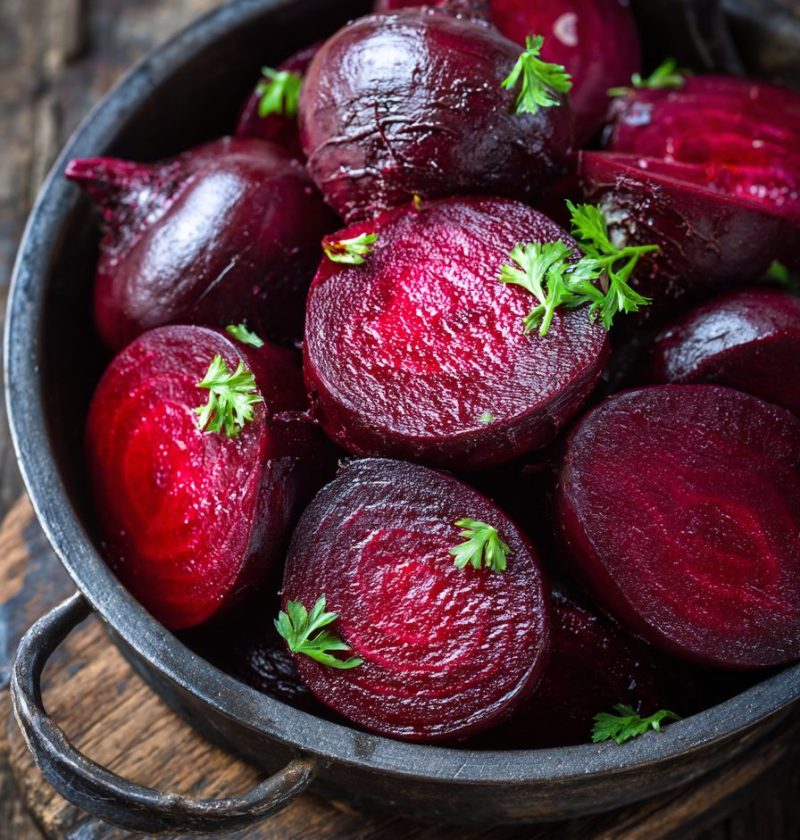
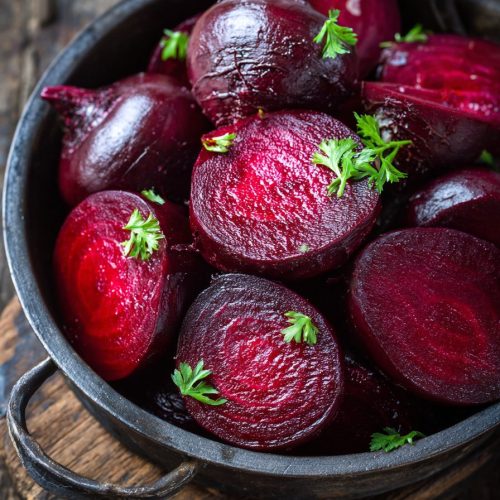
If you’ve never tried a classic Harvard Beets Recipe, you’re in for a sweet-tangy, glossy, ruby-red side dish that feels old-fashioned in the best possible way—simple, pretty on the table, and surprisingly comforting.
I grew up seeing bowls of sweet and sour beets on holiday tables, usually nudged between the mashed potatoes and the green bean casserole. This version keeps all the cozy, old-school charm of traditional Harvard beets, but it’s easy enough for a weeknight and just special enough for company.
What Are Harvard Beets, Really?
Let me explain, because the name always makes people pause. Harvard beets are a classic beet side dish made from tender cooked beets simmered in a sweet and sour glaze—usually a mix of sugar, vinegar, and a little thickening agent like cornstarch or flour. The result? Beets coated in a glossy, deep-red sauce that tastes like a cross between glazed beets and a mild pickle.
Some folks say this glazed beets recipe started at Harvard University; others swear it’s a New England thing. However they started, these vinegar sugar beets became a beloved “church supper” and potluck staple throughout the U.S. My mother served them with roast chicken, my grandmother pulled out her “fancy dish” for them at Easter, and I now make them whenever I want something colorful and a little nostalgic.
What I love about this Harvard Beets Recipe is how flexible it is. Use fresh beets if you’ve brought home a bunch from the farmers’ market, or go with canned beets when life is busy and you just want an easy beet side dish. It’s naturally gluten-free if you use cornstarch, can be made dairy-free if you skip the butter, and it fits right into everything from holiday dinners to Wednesday meatloaf.
And you know what? They’re actually good for you. Beets are loaded with fiber, folate, and antioxidants, and that vibrant color isn’t just pretty—it signals a whole range of beneficial plant compounds. So this old fashioned beets recipe tastes like comfort food but still brings some solid nutrition to the plate.
Why You’ll Love This Harvard Beets Recipe
- Quick, stovetop-only recipe – No oven required; perfect when your oven is already packed with roast turkey or casseroles.
- Simple pantry ingredients – Beets, vinegar, sugar, a little cornstarch, and butter—nothing fussy, nothing hard to find.
- Sweet and sour balance – Not too sugary, not too sharp; the beet vinegar sauce hits that Goldilocks “just right” zone.
- Works with fresh or canned beets – Use what you have on hand; this recipe is very forgiving.
- Gorgeous color on the table – Deep red, glossy, and eye-catching—like a built-in centerpiece on your dinner plate.
- Great make-ahead side – The flavor actually improves as it sits, so it’s ideal for holiday meal prep.
- Easy to adjust – Like more tang? Add vinegar. Prefer a sweeter glazed beets recipe? A little extra sugar does the trick.
- Naturally gluten-free (with cornstarch) – Simple to adapt for different dietary needs without changing the flavor.
- Pairs with almost anything – Roast chicken, ham, pork chops, beef, or even a vegetarian grain bowl—this classic beet side loves company.
Ingredients for Classic Harvard Beets
Here’s everything you’ll need to make this Harvard Beets Recipe at home. I’ll give options for both fresh and canned beets, because life isn’t always a farmers’ market day.
For the beets:
- 1 ½ pounds cooked beets, sliced or cubed
- Fresh option: About 5–6 medium fresh beets, cooked and peeled (roasted, boiled, or steamed).
- Canned option: 2 cans (15 ounces each) sliced or diced beets, well-drained. Look for “no salt added” if possible so you can control the seasoning.
For the sweet and sour glaze:
- ½ cup granulated sugar
- You can reduce to ⅓ cup for a less sweet version, or use light brown sugar for a deeper, caramel-like note.
- ⅓ cup apple cider vinegar
- This gives a gentle fruitiness. White vinegar works if that’s what’s in your pantry; red wine vinegar adds a little extra depth.
- ½ cup water
- 2 tablespoons cornstarch
- Thickens the beet vinegar sauce. You can use 2 ½ tablespoons all-purpose flour instead, though the sauce will be slightly more opaque.
- 2 tablespoons unsalted butter
- Adds a silky finish and rounds out the acidity. Use a plant-based butter for a dairy-free version.
- ½ teaspoon kosher salt, or to taste
- ¼ teaspoon black pepper, freshly ground if you can
- 1–2 teaspoons fresh lemon juice (optional)
- Brightens the flavor if you like a more pronounced tang.
- 1–2 teaspoons sugar (optional, to adjust at the end)
Optional flavor boosts (pick one or two if you like):
- 1 teaspoon orange zest – Lovely for holidays and a subtle citrus note.
- ⅛ teaspoon ground cloves or allspice – A gentle warm spice, especially good around Thanksgiving and Christmas.
- 1 tablespoon finely chopped fresh parsley – Sprinkled on top before serving for color and freshness.
Ingredient tip: If you’re cooking fresh beets, choose ones that feel firm and heavy for their size; small to medium beets are usually more tender and sweet than very large ones.

Step-by-Step Directions (Friendly but Foolproof)
1. Prep the beets
If you’re using canned beets, simply drain them well and set aside. If you’re using fresh beets, trim off the greens (save them for sautéing like spinach—so good), leaving about 1 inch of stem to reduce bleeding. Rinse the beets well.
To cook fresh beets:
Place them in a pot, cover with water, add 1 teaspoon salt, and bring to a boil. Simmer 30–45 minutes, depending on size, until a knife slides in easily. Let them cool just enough to handle, then slip off the skins under cool running water (they should peel off like a jacket). Slice or cube the beets and set aside.
2. Make the cornstarch slurry
In a small bowl, whisk 2 tablespoons cornstarch with ½ cup water until smooth—no lumps. This slurry will help thicken your sweet and sour beet vinegar sauce without clumping. Set it near the stove where you can grab it easily.
3. Start the sweet and sour base
In a medium saucepan, combine ½ cup sugar, ⅓ cup apple cider vinegar, ½ teaspoon salt, and ¼ teaspoon black pepper. If you’re using any warm spices like ⅛ teaspoon cloves or allspice, add them now so they can bloom in the liquid.
Warm this mixture over medium heat, stirring until the sugar is dissolved. You don’t need a rolling boil yet—just a light simmer.
4. Thicken the glaze
Give the cornstarch slurry a quick whisk (it can settle), then slowly pour it into the hot vinegar-sugar mixture, stirring constantly. Keep the heat on medium and stir until the sauce thickens and becomes glossy, 2–4 minutes.
You’re looking for the texture of a light gravy or a slightly thick syrup. If it gets too thick, don’t panic—just whisk in a tablespoon or two of water.
5. Add the beets to the sauce
Gently add your sliced or cubed beets to the saucepan. Stir to coat them well in the glaze. Bring everything to a gentle simmer and let it cook for about 5–10 minutes, stirring occasionally. This step warms the beets through and lets them soak up that sweet and sour flavor.
6. Finish with butter and lemon
Turn the heat down to low. Stir in 2 tablespoons butter until melted and fully incorporated. Taste the sauce carefully (it will be hot).
- Want more tang? Add 1–2 teaspoons lemon juice or a splash more vinegar.
- Need a little extra sweetness? Stir in another teaspoon of sugar.
This is where you can customize your Harvard Beets Recipe to match your family’s taste.
7. Rest and serve
You can serve the beets hot, right out of the pan, or let them sit for 10–15 minutes off the heat so the flavors marry even more. The sauce will thicken slightly as it cools.
Before serving, you can sprinkle on fresh parsley or a little orange zest for color and brightness. Spoon them into a serving bowl and try not to eat half with “taste tests” like I usually do.
Servings & Timing
- Yield: About 4–6 servings as a side dish
- Prep Time: 10 minutes (if using canned or pre-cooked beets; about 40–50 minutes more if cooking fresh beets)
- Cook Time: 10–15 minutes for the glaze and simmer
- Total Time (using canned beets): About 25 minutes
- Total Time (with fresh beets): About 1 hour 10 minutes (includes beet cooking time)
If you’re planning for a holiday meal, you can easily double this recipe and make it a day or two ahead.
Fun Variations on Harvard Beets
Once you’ve made the classic version, you might want to play a little. Here are some twists that still feel rooted in the traditional Harvard beets recipe, but with your own flair.
- Orange & Clove Holiday Beets – Add 1 teaspoon orange zest and a generous pinch of ground cloves for a Christmas-ready side.
- Honey-Balsamic Beets – Swap half the sugar for honey and use balsamic vinegar for a richer, slightly fruity sauce.
- Spicy Sweet Beets – Stir in ¼ teaspoon red pepper flakes for a gentle heat that balances the sweetness.
- Brown Butter Beets – Brown the butter in a separate pan until nutty and whisk it into the finished sauce for deeper flavor.
- Herby Spring Beets – Finish with chopped fresh dill or chives for a lighter, garden-fresh twist.
- Vegan Harvard Beets – Omit the butter or replace it with a plant-based butter for a dairy-free, fully vegan version.
Storage, Reheating & Make-Ahead Tips
One of the best things about this beet side dish is how well it keeps. Honestly, it might taste even better the next day.
- Fridge Storage:
- Store cooled beets in an airtight container in the refrigerator for 3–4 days.
- Freezer Storage:
- You can freeze Harvard beets, though the texture softens a bit. Freeze in a freezer-safe container for up to 2 months. Thaw overnight in the fridge.
- Reheating:
- Reheat gently in a saucepan over low to medium-low heat, stirring occasionally, until warmed through. If the sauce is too thick, whisk in a splash of water.
- You can also microwave them in 30-second bursts, stirring in between.
- Make-Ahead for Holidays:
- Make the full recipe 1–2 days before serving. Cool completely, cover, and refrigerate. Reheat on the stove, thin with a bit of water or broth if needed, and adjust salt, sugar, or vinegar right before serving.
The flavors deepen as they rest, which is exactly what you want when you’re juggling turkey timings and ten other dishes.
Notes from My Kitchen to Yours
- Sugar vs. vinegar balance: Traditional Harvard beets lean sweet, but taste can vary a lot by brand and age of vinegar. Start with the amounts listed, then adjust at the end like seasoning a soup.
- Beet size matters: If you’re cooking fresh beets, smaller ones are often sweeter and more tender. Larger beets work, but they can be more earthy.
- Avoid over-thickening: The beet vinegar sauce should be glossy and spoonable, not jelly-like. If it thickens too much as it cools, stir in a tablespoon of warm water at a time while reheating.
- Color staining tip: Beets can and will stain cutting boards, countertops, and clothes. Use a darker cutting board or lay down parchment. I usually wear an apron and gladly accept “pink fingers” as part of the process.
- Serving temperature: These sweet and sour beets are delicious hot, warm, or even at room temperature. That flexibility makes them perfect for buffets and potlucks.
- Pairing ideas: This glazed beets recipe is beautiful with roast chicken, ham, meatloaf, pork roast, or even pan-seared salmon. I also love scooping leftovers over quinoa or farro with some goat cheese for lunch.
FAQs About Harvard Beets
1. Can I use pickled beets instead of plain cooked beets?
You can, but the flavor will be much more tart and may be overly vinegary. If using pickled beets, reduce the vinegar in the sauce and taste as you go.
2. Are Harvard beets served hot or cold?
Traditionally, they’re served warm or hot, but they’re also good at room temperature. I wouldn’t serve them straight from the fridge; let them warm up a bit.
3. Can I make this Harvard Beets Recipe without sugar?
You can reduce the sugar or use a sweetener like honey or maple syrup, but the classic taste relies on that sweet-and-sour contrast. If using non-sugar sweeteners, start with less and adjust to taste.
4. What kind of vinegar is best for Harvard beets?
Apple cider vinegar is my favorite for a classic taste, but white vinegar, red wine vinegar, or even a mild balsamic can work. Stronger vinegars like balsamic may need slightly less sugar.
5. Can I thicken the sauce without cornstarch?
Yes. You can use all-purpose flour (about 2 ½ tablespoons), or let the sauce reduce a bit longer until it thickens naturally. Just keep the heat moderate and stir often.
6. How can I make this recipe vegan?
Simply replace the butter with a plant-based vegan butter or leave it out completely. The beets and sauce will still be delicious and glossy.
7. Do I have to peel fresh beets?
Yes, you’ll want to peel them after cooking because the skins can be tough and a bit bitter. Thankfully, once they’re cooked, the skins slip off easily.
8. Why are my beets still too firm?
If using fresh beets, they probably weren’t cooked long enough before you added them to the sauce. Next time, boil or roast until a knife slides in with very little resistance.
Bringing It All Together
This Harvard Beets Recipe is one of those old-fashioned beets dishes that quietly wins people over—no fuss, just a glossy bowl of sweet and sour beets that tastes like something your favorite aunt might bring to Sunday dinner. It’s simple, budget-friendly, colorful, and endlessly adaptable, whether you’re cooking for a weeknight meal or a big holiday crowd.
If you try this beet side dish, I’d love to hear how it goes—did you tweak the sweetness, add orange zest, or give it a spicy kick? Leave a comment, rate the recipe, or share your version. And if you’re in a beet-loving mood, try pairing these with roasted beets, beet salad, or even a beet-and-goat-cheese crostini for a full “beet feast.”
Harvard Beets
Ingredients
- 1 1/2 pounds cooked beets sliced or cubed; about 5–6 medium fresh beets cooked and peeled, or 2 (15-ounce) cans sliced or diced beets, well drained
- 1/2 cup granulated sugar reduce to 1/3 cup for a less sweet version or use light brown sugar for deeper flavor
- 1/3 cup apple cider vinegar or white vinegar; red wine vinegar also works
- 1/2 cup water
- 2 tablespoons cornstarch for thickening; or 2 1/2 tablespoons all-purpose flour
- 2 tablespoons unsalted butter use plant-based butter for a vegan/dairy-free version
- 1/2 teaspoon kosher salt or to taste
- 1/4 teaspoon black pepper freshly ground if possible
- 1 teaspoon orange zest optional, for a holiday citrus note
- 1/8 teaspoon ground cloves or allspice optional, for warm spice
- 1 tablespoon fresh parsley optional, finely chopped, for garnish
- 1 teaspoon fresh lemon juice optional, 1–2 teaspoons, to taste, for extra tang
- 1 teaspoon granulated sugar optional, 1–2 teaspoons, to adjust sweetness at the end
Instructions
- If using canned beets, drain them well and set aside. If using fresh beets, trim the greens leaving about 1 inch of stem, rinse well, then place in a pot and cover with water. Add 1 teaspoon salt and bring to a boil. Simmer 30–45 minutes, or until a knife slides in easily. Cool just enough to handle, slip off the skins under cool running water, then slice or cube and set aside.
- In a small bowl, whisk the cornstarch with the 1/2 cup water until completely smooth with no lumps. Set near the stove.
- In a medium saucepan, combine the sugar, apple cider vinegar, kosher salt, black pepper, and, if using, a pinch of ground cloves or allspice. Warm over medium heat, stirring until the sugar dissolves and the mixture comes to a light simmer.
- Whisk the cornstarch slurry again, then slowly pour it into the hot vinegar-sugar mixture while stirring constantly. Keep the heat on medium and cook, stirring, for 2–4 minutes, until the sauce thickens and looks glossy. If it becomes too thick, whisk in a tablespoon or two of water.
- Gently add the sliced or cubed beets to the thickened sauce and stir to coat evenly. Bring to a gentle simmer and cook for 5–10 minutes, stirring occasionally, until the beets are heated through and have absorbed some of the sweet-and-sour flavor.
- Reduce the heat to low and stir in the butter until fully melted and incorporated. Taste carefully. For more tang, add 1–2 teaspoons fresh lemon juice or an extra splash of vinegar. For more sweetness, stir in 1–2 teaspoons additional sugar. Adjust salt and pepper if needed.
- Remove from the heat and let the beets rest 10–15 minutes to allow the flavors to meld; the sauce will thicken slightly as it cools. Before serving, garnish with chopped fresh parsley and/or orange zest if desired. Serve warm or at room temperature.