Would you like to save this?
Garlic Hummus Recipe No Tahini
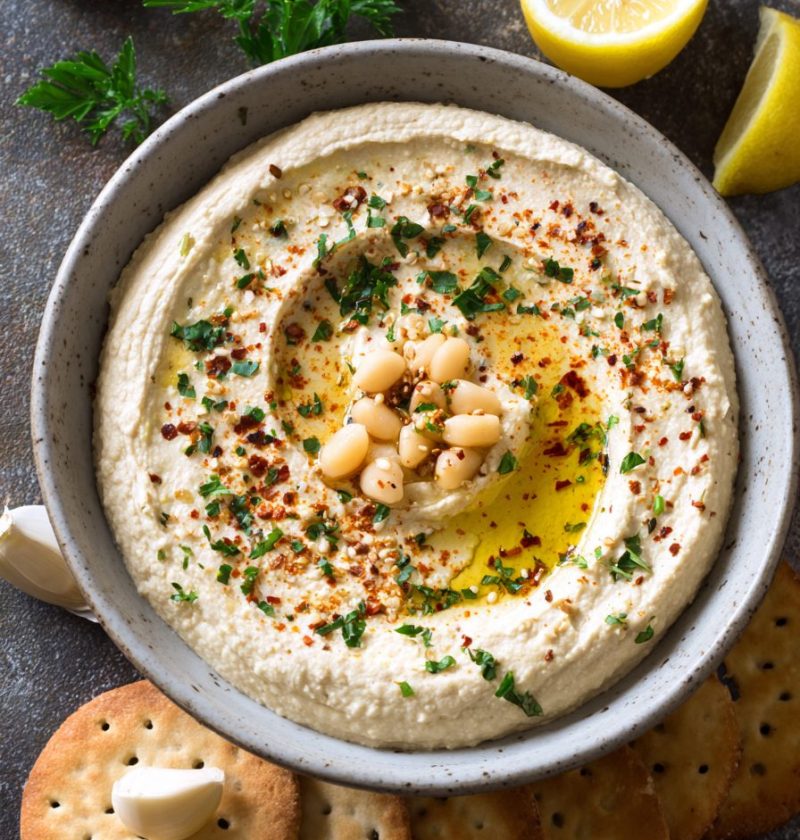
If you’ve been craving a rich, garlicky hummus but don’t have tahini on hand—or simply don’t like it—this Garlic Hummus Recipe No Tahini is creamy, bright, and so satisfying you won’t miss a thing.
What Makes This Garlic Hummus Without Tahini So Special?
Let me explain why I adore this one. This garlic hummus recipe no tahini is a smooth, flavorful Mediterranean hummus dip made with chickpeas, fresh garlic, lemon, and a few pantry staples—no sesame paste, no dairy, and you can even make it oil free if you like. It’s a healthy hummus recipe that works as a snack, a sandwich spread, or a party appetizer that disappears shockingly fast.
I started making no tahini hummus years ago when one of my kids had a sesame sensitivity. I refused to give up my beloved chickpea garlic spread, so I began testing different ways to build that nutty richness without tahini. Over time, this became my “house” hummus—friends now ask, “Are you bringing your garlic hummus?” before they even ask what they can bring.
If you’re trying to eat more plant-based, reduce processed oils, or just want a simple, easy hummus recipe with ingredients you actually recognize, this one checks all the boxes. It’s vegan, dairy free, naturally gluten free, budget-friendly, and weeknight-friendly. And best of all, it tastes like something you’d get in a good Mediterranean café.
Why You’ll Love This Garlic Hummus Recipe No Tahini
- No tahini needed – Perfect if you’re out of tahini, don’t like the flavor, or have a sesame allergy.
- Big garlic flavor – This is a true garlic hummus: bold, fragrant, and totally addictive.
- Pantry-friendly – Uses canned chickpeas and basic staples you probably already have.
- Vegan and dairy free – Naturally plant-based, but creamy enough to convert the skeptics.
- Customizable texture – Make it ultra-smooth and silky, or keep it rustic and chunky.
- Oil free hummus option – Easily skip the oil for a lighter, whole-food version.
- Quick and easy – About 10–15 minutes from pantry to pita.
- Perfect for meal prep – Keeps well in the fridge for healthy snacking all week.
- Budget-conscious – Much cheaper than store-bought hummus, especially if you use dry chickpeas.
- Crowd-pleasing – A Mediterranean hummus dip that works with veggies, crackers, wraps, and mezze platters.
Ingredients for Homemade Garlic Hummus (No Tahini)
Here’s exactly what you’ll need for this tahini free hummus. I’ll include simple substitutions and little tips I’ve picked up after many, many batches.
-
1 can (15 oz / 425 g) chickpeas, drained and rinsed
- You can also use 1 ½ cups cooked chickpeas from dry. For the creamiest hummus, cook them a little longer until they’re very soft.
-
3–4 tablespoons aquafaba (chickpea liquid)
- Use the liquid from the can (or cooking liquid) instead of water—it helps create that whipped, airy texture.
-
2–3 cloves fresh garlic, roughly chopped
- For a milder garlic hummus, start with 1 clove; for a stronger kick, go up to 4. If your cloves are huge, treat them as two.
-
3 tablespoons fresh lemon juice (about 1 large lemon)
- Fresh really matters here for that bright, clean flavor. Bottled lemon juice tends to taste flat.
-
2–3 tablespoons extra virgin olive oil (optional for richer hummus)
- For an oil free hummus option, skip this and add a little more aquafaba or cold water.
-
2–3 tablespoons plain unsweetened yogurt (optional, dairy or dairy-free)
- This is my little tahini stand-in. It adds creaminess and light tang. Use coconut yogurt or almond milk yogurt to keep it vegan.
-
½ teaspoon fine sea salt, plus more to taste
- Salt is key to bringing out the nuttiness of the chickpeas and taming the garlic.
-
¼ teaspoon ground cumin
- Subtle, but it gives that classic Middle Eastern hummus flavor.
-
⅛ teaspoon smoked paprika or sweet paprika, plus more for garnish
- Smoked paprika gives a gentle smoky note; sweet paprika is milder but still pretty.
-
2–4 tablespoons ice-cold water, as needed
- Ice-cold water helps whip the hummus and makes it smoother. I literally add a couple of ice cubes to the water sometimes.
-
Optional for serving:
- Extra olive oil for drizzling (if not oil-free)
- Chopped fresh parsley
- Toasted pine nuts or sunflower seeds
- Extra paprika or za’atar for sprinkling
A quick ingredient tip: if your chickpeas taste a little metallic out of the can, give them an extra rinse in warm water. It makes a bigger difference than you’d think.

Step-by-Step Directions (Friendly, Not Fussy)
-
Soften the garlic flavor (optional but recommended).
If you’re sensitive to strong raw garlic, place the chopped garlic in a small bowl with the lemon juice and let it sit for 5–10 minutes. The acid softens the bite while keeping the flavor. I usually do this first, then gather everything else. -
Prep the chickpeas for extra creaminess.
Drain and rinse the chickpeas. For the smoothest hummus without tahini, you can peel the skins by gently rubbing the chickpeas between your hands and picking out the loose skins. It’s a little tedious, but if you’re in the mood, it makes a noticeable difference. -
Make the flavor base.
Add the garlic and lemon juice (including any juices from that little soak), salt, cumin, and paprika to your food processor or high-speed blender. Process for about 30 seconds, scraping down the sides once. This gives you a flavorful base and breaks up the garlic. -
Add the chickpeas and blend.
Toss in the chickpeas and 2 tablespoons of aquafaba. Blend for 30–60 seconds. It will look thick and a bit sandy at first—don’t worry, we’re not done yet. Scrape down the sides so nothing hides in the corners. -
Add creaminess (yogurt and/or oil).
Add the yogurt and 1–2 tablespoons of olive oil (if using). Blend again for 1–2 minutes. At this stage, start drizzling in 1–2 tablespoons of ice-cold water while the machine runs. The hummus should begin to lighten in color and get smoother. -
Adjust texture.
Keep processing, adding more aquafaba or cold water a tablespoon at a time until your garlic hummus reaches your ideal consistency—anywhere from spreadable and thick to fluffy and dippable. I usually use about 4 tablespoons total liquid, but it varies. -
Taste and fine-tune.
Stop and taste. Does it need more salt? Is the lemon bright enough? Want more garlic kick? Adjust with a pinch more salt, an extra splash of lemon juice, or another half clove of garlic (finely grated) if you really love it strong. Blend again briefly. -
Chill for best flavor.
Scrape the hummus into a serving bowl or storage container. If you can, chill it for at least 30–60 minutes. The flavors mingle and mellow, and the texture thickens slightly. -
Garnish and serve.
Before serving, use the back of a spoon to swirl a little “well” in the center. Drizzle with olive oil if you’re not going for oil free hummus, sprinkle with paprika or za’atar, and top with chopped parsley or toasted nuts/seeds. Serve with warm pita, crunchy veggies, or spread on sandwiches.
Servings & Timing
- Yield: About 1 ¾ to 2 cups of hummus (6–8 appetizer servings)
- Prep Time: 10–15 minutes (a bit more if you peel chickpeas)
- Chill Time (recommended): 30–60 minutes
- Total Time: About 45–60 minutes with chilling, though you can absolutely serve it right away if you’re impatient.
Fun Variations on Garlic Hummus (No Tahini Style)
Once you’ve made this a time or two, you’ll probably start playing with it. Here are some ideas to get you started.
- Roasted Garlic Hummus Without Tahini – Roast a whole head of garlic wrapped in foil with a drizzle of oil at 400°F for 35–40 minutes, then squeeze the cloves into the hummus for a sweet, mellow garlic flavor.
- Spicy Harissa Garlic Hummus – Add 1–2 teaspoons harissa paste or a pinch of cayenne for a warm, smoky heat.
- Herby Green Garlic Chickpea Dip – Blend in a big handful of fresh parsley, cilantro, or basil for a bright green, herb-loaded version.
- Smoky Paprika & Lemon Hummus – Increase smoked paprika to ½ teaspoon and add lemon zest for extra tang and smokiness.
- Oil Free Hummus with Garlic – Skip the olive oil completely and replace it with more aquafaba and an extra spoonful of yogurt or a bit of mashed avocado.
- Roasted Red Pepper Garlic Hummus – Add ½ cup roasted red peppers from a jar (drained well) and reduce the added liquid slightly.
How to Store & Make Ahead
You know what? This is one of those recipes that actually gets better after a day in the fridge.
- Fridge: Store your garlic hummus in an airtight container in the refrigerator for 4–5 days. Press a small piece of parchment or plastic wrap onto the surface if you want to prevent a skin from forming.
- Freezer: Yes, you can freeze hummus. Freeze in small containers or even ice cube trays for up to 2–3 months. Thaw overnight in the fridge and stir well before serving.
- Reheating (sort of): Hummus is best served cold or at room temperature. If it thickens after chilling or freezing, stir in a teaspoon or two of water, olive oil, or lemon juice to loosen it.
- Make-ahead tip: If you’re entertaining, make this no tahini hummus 1–2 days ahead. The garlic mellows and blends with the lemon, and you can just garnish right before guests arrive.
Notes & Little Lessons From My Kitchen
- Garlic strength varies. Some bulbs are gentle, some are feisty. When I’m testing a new batch, I always start with less, blend, taste, and add more if needed. You can always add, but you can’t really “subtract” strong raw garlic.
- Texture is all about patience. The longer you let the food processor run (within reason), the smoother your hummus without tahini will be. I sometimes let mine go for a full 3 minutes, pausing to scrape the sides.
- Aquafaba is your friend. Don’t toss it! That chickpea liquid makes a huge difference, especially if you’re doing a vegan garlic hummus with an oil free twist.
- Warm chickpeas blend better. If you have time, heat the chickpeas gently in a small saucepan with a splash of water before blending. Warm chickpeas break down more easily and give a creamier result.
- Balance the flavors. Hummus should taste like more than just chickpeas—look for a balance of salt, lemon brightness, and earthy garlic. If it tastes “flat,” it almost always needs a pinch more salt or lemon.
- Serving matters. A simple drizzle of good olive oil and a sprinkle of paprika or za’atar can make this look like you picked it up at a restaurant instead of your own fridge.
FAQs About Garlic Hummus Recipe No Tahini
1. Can I make this hummus completely oil free?
Yes. Just leave out the olive oil and add a bit more aquafaba or cold water until it’s creamy. The yogurt (regular or dairy free) helps keep it rich without oil.
2. What can I use instead of yogurt?
You can skip the yogurt and use a tablespoon or two of creamy unsweetened nut butter (like cashew or almond) or just use extra aquafaba and olive oil for a leaner chickpea garlic spread.
3. Can I use dry chickpeas instead of canned?
Absolutely. Cook ¾ cup dry chickpeas until they’re very soft (almost falling apart) and use about 1 ½ cups cooked. Save some of the cooking liquid as your “aquafaba.”
4. My hummus is grainy—what went wrong?
Usually it’s either under-blending, chickpeas that are a bit too firm, or not enough liquid. Blend longer, add a bit more cold water or aquafaba, and next time cook the chickpeas a little longer or peel them.
5. Is this garlic hummus recipe no tahini safe for people with sesame allergies?
Yes, as long as you don’t add tahini and check all labels on your ingredients, this is a tahini free hummus and should be sesame-free. Of course, always confirm based on your specific allergy needs.
6. How can I make the garlic flavor milder?
Soak the chopped garlic in lemon juice (like in the directions) or quickly sauté it in a teaspoon of olive oil for 1–2 minutes just until fragrant, then cool and blend.
7. Can I make this without a food processor?
You can, but it’ll be more rustic. Use a high-speed blender (you may need more liquid and to stop and scrape often) or mash the chickpeas by hand with a potato masher for a chunky garlic chickpea dip.
8. What should I serve with this hummus without tahini?
Pita bread, cucumber slices, bell pepper strips, carrots, cherry tomatoes, crackers, warm naan, or as a spread in wraps, sandwiches, or grain bowls—it’s very forgiving.
Bringing It All Together
This Garlic Hummus Recipe No Tahini is simple, flexible, and honestly, a little life-saver when you want something wholesome and satisfying without fuss. It’s a creamy, garlicky, vegan garlic hummus that doesn’t need tahini to shine—and it turns everyday vegetables or crackers into something you actually want to snack on.
If you make this hummus without tahini, I’d love to hear how it went—leave a comment, rate the recipe, or share your own favorite variation. And if you’re on a chickpea kick, you might enjoy experimenting with roasted red pepper hummus, white bean dips, or even a sweet dessert hummus next.
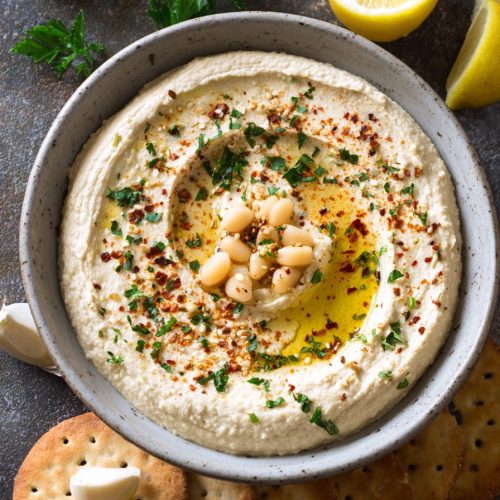
Garlic Hummus Recipe No Tahini
Ingredients
- 1 can (15 oz / 425 g) chickpeas drained and rinsed (or 1 1/2 cups cooked chickpeas)
- 3-4 tablespoons aquafaba chickpea liquid from the can or cooking liquid
- 2-3 cloves garlic fresh, roughly chopped (use 1 clove for milder flavor, up to 4 for strong garlic)
- 3 tablespoons lemon juice freshly squeezed (about 1 large lemon)
- 2-3 tablespoons extra virgin olive oil optional, for richer hummus; omit for oil-free version
- 2-3 tablespoons plain unsweetened yogurt dairy or dairy-free; optional, adds creaminess and tang
- 1/2 teaspoon fine sea salt plus more to taste
- 1/4 teaspoon ground cumin
- 1/8 teaspoon smoked paprika or sweet paprika plus more for garnish
- 2-4 tablespoons ice-cold water as needed to adjust consistency
- extra virgin olive oil for drizzling on top, optional
- fresh parsley chopped, for garnish (optional)
- toasted pine nuts or sunflower seeds for garnish (optional)
- extra paprika or za’atar for sprinkling on top (optional)
Instructions
- If you prefer a milder garlic flavor, place the chopped garlic in a small bowl with the lemon juice and let it sit for 5–10 minutes to soften the bite.2-3 cloves garlic, 3 tablespoons lemon juice
- Drain and rinse the chickpeas. For extra-smooth hummus, gently rub them between your hands to loosen the skins and discard the skins. This step is optional but improves creaminess.1 can (15 oz / 425 g) chickpeas
- Add the garlic and lemon juice (including any soaking juices), salt, cumin, and paprika to a food processor or high-speed blender. Process for about 30 seconds, scraping down the sides once, to break down the garlic and create a flavorful base.2-3 cloves garlic, 3 tablespoons lemon juice, 1/2 teaspoon fine sea salt, 1/4 teaspoon ground cumin, 1/8 teaspoon smoked paprika or sweet paprika
- Add the chickpeas and 2 tablespoons of aquafaba to the processor. Blend for 30–60 seconds. The mixture will look thick and slightly grainy at this stage. Scrape down the sides of the bowl.1 can (15 oz / 425 g) chickpeas, 3-4 tablespoons aquafaba
- Add the yogurt and 1–2 tablespoons of olive oil (if using). Blend for 1–2 minutes. While the machine is running, drizzle in 1–2 tablespoons of ice-cold water. The hummus should start to lighten in color and become smoother.2-3 tablespoons extra virgin olive oil, 2-3 tablespoons plain unsweetened yogurt, 2-4 tablespoons ice-cold water
- Continue processing, adding more aquafaba or ice-cold water a tablespoon at a time until the hummus reaches your preferred consistency—thick and spreadable or lighter and dippable.3-4 tablespoons aquafaba, 2-4 tablespoons ice-cold water
- Taste the hummus and adjust the seasoning. Add more salt, lemon juice, or a little extra finely grated garlic if desired. Blend briefly again to incorporate any adjustments.3 tablespoons lemon juice, 1/2 teaspoon fine sea salt, 2-3 cloves garlic
- Transfer the hummus to a serving bowl or airtight container. Chill in the refrigerator for 30–60 minutes to allow the flavors to meld and the texture to thicken slightly.
- Before serving, use the back of a spoon to swirl a shallow well in the center. Drizzle with olive oil if desired, then garnish with paprika or za’atar, chopped parsley, and toasted pine nuts or sunflower seeds. Serve with warm pita, vegetables, crackers, or use as a sandwich spread.extra virgin olive oil, fresh parsley, toasted pine nuts or sunflower seeds, extra paprika or za’atar