Would you like to save this?
Coconut Flour Recipe (Base Batter You Can Turn Into Bread, Muffins, Pancakes & More)
If you’ve been curious about a good coconut flour recipe that actually works every time—whether you’re doing gluten free baking, keto, low carb dessert nights, or just trying to eat a little healthier—this is the one I reach for again and again.
What Makes This Coconut Flour Recipe So Special?
Let me explain what we’re doing here, because it’s a little different than a typical single-use recipe.
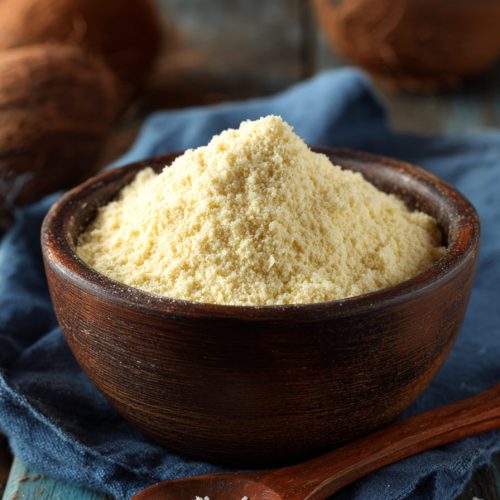
This is a flexible, high-fiber, grain free baking base batter built around healthy coconut flour. From this one batter, you can make:
- Coconut flour pancakes
- Coconut flour muffins
- Coconut flour bread
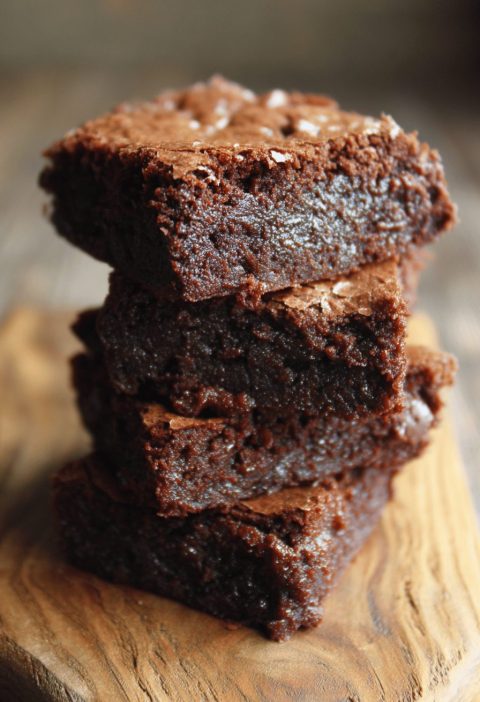
- Coconut flour brownies
- Coconut flour cake
- Even soft coconut flour cookies with a few tweaks
Think of it as your “house batter” for coconut flour—especially helpful if you’re trying to stick with keto coconut flour recipes, paleo friendly recipes, or just looking for something that doesn’t make you feel sluggish afterward.
I’m a 50-year-old home cook who has lived through the rise and fall of every diet trend since SnackWells. Coconut flour stuck around in my kitchen because it checked three boxes for me: high fiber, naturally gluten free, and a mild sweetness that makes low carb desserts feel a bit more indulgent. I use this base batter for Sunday meal prep, for my daughter’s gluten free baking experiments, and for those late-night “I just want something warm and comforting” moments.
Oh, and the most important part? It doesn’t taste like cardboard.
Why You’ll Love This Coconut Flour Recipe
- Super flexible – One base batter for pancakes, muffins, quick bread, and more; just tweak baking time and pan.
- Gluten free & grain free – Ideal for gluten free baking, paleo friendly recipes, and grain free baking without the weird texture.
- Low carb & high fiber – Coconut flour keeps net carbs lower while giving you a nice fiber boost that actually keeps you full.
- Budget-friendly – A little coconut flour goes a long way; you’ll use far less than regular flour.
- Meal-prep friendly – The batter comes together fast, and baked goods freeze beautifully.
- Beginner friendly – No fancy techniques; just whisk, rest, and bake or cook.
- Customizable flavor – Turn this into sweet coconut flour cake, savory coconut flour bread, or even low carb dessert bars.
- Kids usually approve – Mild coconut flavor and soft, cake-like crumb; great for school snacks if coconut is allowed.
- Keto and paleo adaptable – Use keto sweeteners or natural sweeteners and dairy-free milk to fit your style of eating.
Ingredients for the Base Coconut Flour Batter
This base makes about 12 muffins, 1 small loaf, or 8–10 pancakes. You can double it easily.
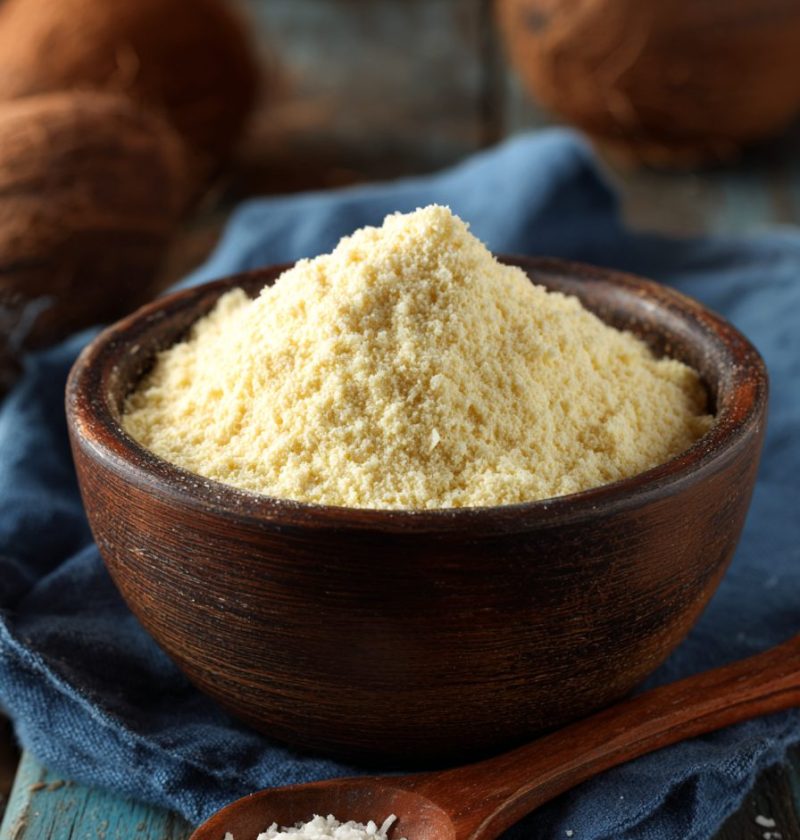
- ½ cup coconut flour (fine, high-quality; I like Bob’s Red Mill or Nutiva)
- ½ cup almond flour (for better texture; use extra coconut flour if nut-free, but see note below)
- 1 tsp baking powder (aluminum-free if you’re sensitive)
- ¼ tsp baking soda (helps with lift and browning)
- ¼ tsp fine sea salt
- 4 large eggs, room temperature
- ⅓ cup melted coconut oil (or unsalted butter or ghee, melted and slightly cooled)
- ½ cup milk of choice (whole dairy milk, unsweetened almond milk, or coconut milk all work)
- ¼–½ cup sweetener, depending on how you’ll use it:
- For low carb: granulated erythritol, allulose, or a monk fruit blend
- For regular: cane sugar, coconut sugar, or light brown sugar
- 2 tsp pure vanilla extract
- Optional but recommended: 2–3 Tbsp unsweetened shredded coconut (for texture and flavor)
Ingredient Tips & Simple Swaps
- Coconut flour – It’s super absorbent. Always measure with a light hand—spoon it into the cup and level it, don’t pack it. Too much and you’ll get dry, crumbly coconut flour bread or muffins.
- Almond flour – Helps soften the crumb and adds richness. If you’re nut-free, increase coconut flour to ⅔ cup and add 2 more tablespoons milk to balance the dryness.
- Eggs – Coconut flour needs eggs for structure. Don’t cut them back. For egg-free, use this base only as a pancake batter with flax “eggs” (it doesn’t rise as well in bread form without real eggs).
- Fat – Coconut oil adds more coconut flavor and works beautifully in keto coconut flour recipes. Butter gives a more traditional “bakery” taste.
- Sweetener – Low carb dessert folks: I find ⅓ cup allulose gives very balanced sweetness. For kids or traditional tastes, go up to ½ cup sugar.
- Milk – For paleo friendly recipes, use almond or coconut milk. For extra richness, use canned coconut milk thinned with a bit of water.

Step-by-Step Directions for the Base Coconut Flour Recipe
You’ll use the same base steps whether you’re making pancakes, muffins, or bread; the main changes are how you cook and how long.
-
Whisk the dry ingredients
In a medium bowl, whisk together the coconut flour, almond flour, baking powder, baking soda, salt, and shredded coconut (if using). Break up any little lumps of coconut flour so everything is light and even. -
Mix the wet ingredients
In a larger bowl, whisk the eggs until smooth. Add the melted coconut oil or butter, milk, vanilla, and your sweetener. Whisk until it looks glossy and well combined. If the oil starts to seize a bit, don’t panic—it will smooth out once you add the dry ingredients. -
Combine and rest the batter
Add the dry mixture to the wet mixture and whisk or stir until just combined. The batter will look thin at first. Let it rest for 5–10 minutes so the coconut flour can absorb the liquid. This rest is key; the batter thickens noticeably. -
Adjust consistency as needed
After resting, the batter should be thick but scoopable—somewhere between traditional cake batter and muffin batter.- Too thick? Whisk in 1–2 tablespoons of milk.
- Too thin? Sprinkle in 1–2 teaspoons coconut flour, whisk, and rest another 3–4 minutes.
-
Choose your format (pancakes, muffins, bread, or cake)
Now you decide:- Pancakes: Medium heat, lightly greased skillet, 2–3 Tbsp batter per pancake.
- Muffins: Line a 12-cup muffin tin and fill each cup about ¾ full.
- Bread or cake: Grease or line a 8×4-inch loaf pan or 8-inch round pan and spread the batter evenly.
-
Bake or cook
- Pancakes: Cook 2–3 minutes per side over medium-low heat, flipping when bubbles form on top and edges look set. Coconut flour pancakes brown faster, so keep the heat modest.
- Muffins: Bake at 350°F (175°C) for 18–22 minutes, or until the tops spring back and a toothpick comes out clean or with a few moist crumbs.
- Bread or cake: Bake at 350°F (175°C) for 30–38 minutes for a loaf, 22–26 minutes for a round cake. Tent with foil if the top gets too dark before the center is done.
-
Cool and set
Let muffins or bread rest in the pan for at least 10 minutes, then move to a wire rack. Coconut flour baked goods firm up as they cool, so don’t judge texture right out of the oven. For pancakes, let them sit on a plate 1–2 minutes before serving so they hold together better.
Servings & Timing
-
Yield:
- 10–12 medium coconut flour pancakes or
- 12 standard muffins or
- 1 small loaf / 8-inch cake
-
Prep Time: 15 minutes (including batter resting)
-
Cook/Bake Time:
- Pancakes: 10–15 minutes
- Muffins: 18–22 minutes
- Bread/Cake: 30–38 minutes
-
Total Time:
- Pancakes: about 25–30 minutes
- Muffins: about 35–40 minutes
- Bread/Cake: about 50–60 minutes
Easy Variations: Turn One Batter Into Many Treats
Here’s where it gets fun. Start with the same base coconut flour recipe and tweak flavors to fit your cravings or dietary needs.
-
Chocolate Coconut Flour Brownies
Add ¼ cup unsweetened cocoa powder, use the full ½ cup sweetener, and bake in an 8×8 pan for 18–22 minutes for fudgy coconut flour brownies. -
Cinnamon Swirl Breakfast Bread
Add 1–2 teaspoons cinnamon and ¼ teaspoon nutmeg to the dry ingredients; swirl 2 tablespoons melted butter mixed with 2 tablespoons sweetener into the top before baking for a cozy, coffee-shop-style loaf. -
Lemon Blueberry Muffins
Add the zest of 1 lemon, 1 tablespoon lemon juice, and fold in ½–¾ cup fresh or frozen blueberries for bright, springy coconut flour muffins. -
Savory Herb Bread (Great for Sandwiches)
Reduce sweetener to 2 tablespoons, add ½ teaspoon garlic powder, 1 teaspoon dried Italian herbs, and a handful of shredded cheese for a sandwich-ready coconut flour bread. -
Chocolate Chip Coconut Flour Cookies
Use ⅓ cup sweetener, fold in ½ cup sugar-free or regular chocolate chips, and bake 2-tablespoon scoops at 350°F for 9–11 minutes on a lined sheet; they’ll be soft and cake-like, almost like little cookie-cakes. -
Pumpkin Spice Snack Cake (Seasonal Favorite)
Replace ¼ cup of the milk with ¼ cup pumpkin puree and add 1 teaspoon pumpkin pie spice; this makes a moist, cozy, paleo friendly recipe if you use coconut sugar and non-dairy milk.
Storage & Reheating Tips
Coconut flour baked goods keep well if you treat them kindly.
-
Room Temperature:
- Store muffins, pancakes, and bread in an airtight container at room temp for up to 2 days. Place a paper towel inside to absorb excess moisture.
-
Refrigerator:
- For longer storage (5–6 days), refrigerate in a sealed container. Bring to room temperature or lightly warm before serving, so the texture softens.
-
Freezer:
- Cool completely first.
- Wrap individual slices of bread, muffins, or pancakes in parchment or plastic wrap, then place in a freezer bag.
- Freeze up to 3 months.
-
Reheating:
- Pancakes: Toast or warm in a skillet over low heat for 2–3 minutes per side.
- Muffins/Bread: Microwave for 15–20 seconds or warm in a 300°F oven for 8–10 minutes.
- Brownies/Cake: Briefly microwave (10–15 seconds) to bring back that soft, fresh-baked feel.
-
Make-Ahead Tip:
Mix the dry ingredients in a jar and label it “Coconut Flour Base Mix.” Then on busy mornings, you only need to add the wet ingredients for quick coconut flour pancakes or muffins.
Notes from My Kitchen (Little Things That Matter)
- Resting the batter is non-negotiable. Coconut flour needs that extra few minutes to hydrate; skipping this step is the fastest way to crumbly, dry results.
- Don’t fear moisture. This batter should be thicker than regular cake batter but not dry. If you’re unsure, err slightly on the wetter side—too dry equals dense, chalky bakes.
- Oven differences are real. My older oven runs hot, so I usually start checking muffins at 16–17 minutes. If your oven runs cooler, you might need the full baking time.
- Flavor improves the next day. Especially for bread and cake versions, the coconut and vanilla deepen overnight. If you like baking ahead for the week, this recipe actually rewards you.
- Kids & coconut flour. When my kids were younger, I kept the sweetener at the higher end and always added chocolate chips or blueberries at first. Once they loved the texture, I slowly reduced the sugar.
You know what? If your first batch isn’t perfect, don’t toss coconut flour aside. Sometimes it takes a single adjustment—one more tablespoon of milk or an extra minute of rest—to turn “pretty good” into “oh wow.”
FAQs About This Coconut Flour Recipe
1. Why is my coconut flour bread so dry or crumbly?
You probably used too much coconut flour or didn’t let the batter rest long enough. Measure lightly, rest the batter, and don’t be afraid to add a splash more milk.
2. Can I make this recipe nut-free and skip almond flour?
Yes, increase coconut flour to ⅔ cup and add 2–3 extra tablespoons milk, but expect a slightly denser crumb; resting time becomes even more important.
3. Can I replace the eggs with flax or chia eggs?
For pancakes, yes—use 1 tablespoon ground flax + 3 tablespoons water per egg and keep them small. For bread or cake, they won’t rise as well and texture will be more fragile.
4. Is coconut flour good for keto and low carb desserts?
Yes, it’s lower in net carbs and higher in fiber than many flours. Pair it with keto sweeteners and you’ve got a solid keto coconut flour base.
5. Why does my batter look so thick compared to regular cake batter?
That’s normal. Coconut flour absorbs a lot of liquid. You want it thick but scoopable—more like muffin batter than pourable cake batter.
6. Can I use this base as coconut flour cookie dough?
With tweaks, yes. Add chocolate chips, chill the dough 20–30 minutes, then bake small scoops; they’ll be more cake-like than chewy, but still tasty coconut flour cookies.
7. Does this taste strongly of coconut?
It has a gentle coconut flavor, but with vanilla, spices, or chocolate, most people notice the texture and sweetness more than the coconut itself.
8. Can I double or triple the recipe for meal prep?
Absolutely. Just be sure to use a large bowl, measure carefully, and you may need a bit more liquid since bigger batches thicken more as they rest.
Wrapping It Up: Your New Go-To Coconut Flour Recipe
This coconut flour recipe has become my “little black dress” of gluten free baking—simple, reliable, and easy to dress up as pancakes for breakfast, muffins for snacks, or a cozy loaf for coffee breaks. It’s low carb friendly, paleo adaptable, and kind to blood sugar without feeling like a compromise.
If you try this base batter, let me know in the comments what you turned it into—pancakes, coconut flour bread, brownies, or something totally creative. And if you’re curious about more grain free baking ideas, you might enjoy experimenting with almond flour cookies or a simple one-bowl oat flour cake next.
Coconut Flour Recipe (Base Batter for Bread, Muffins, Pancakes & More)
Ingredients
- 1/2 cup coconut flour fine, high-quality; spooned and leveled, not packed
- 1/2 cup almond flour for better texture; see note for nut-free option
- 1 teaspoon baking powder aluminum-free if sensitive
- 1/4 teaspoon baking soda
- 1/4 teaspoon fine sea salt
- 2 tablespoons unsweetened shredded coconut optional but recommended; for texture and flavor (use 2–3 Tbsp)
- 4 large eggs room temperature
- 1/3 cup coconut oil melted and slightly cooled; or use unsalted butter or ghee
- 1/2 cup milk of choice whole dairy milk, unsweetened almond milk, or coconut milk
- 1/3 cup sweetener ¼–½ cup to taste; use erythritol, allulose, or monk fruit for low carb, or cane sugar, coconut sugar, or light brown sugar
- 2 teaspoons pure vanilla extract
Instructions
- In a medium bowl, whisk together the coconut flour, almond flour, baking powder, baking soda, fine sea salt, and unsweetened shredded coconut (if using). Break up any lumps so the mixture is light and even.1/2 cup coconut flour, 1/2 cup almond flour, 1 teaspoon baking powder, 1/4 teaspoon baking soda, 1/4 teaspoon fine sea salt, 2 tablespoons unsweetened shredded coconut
- In a larger bowl, whisk the eggs until smooth. Add the melted and slightly cooled coconut oil (or butter/ghee), milk of choice, vanilla extract, and sweetener. Whisk until glossy and well combined. If the fat looks like it’s seizing, it will smooth out once the dry ingredients are added.4 large eggs, 1/3 cup coconut oil, 1/2 cup milk of choice, 1/3 cup sweetener, 2 teaspoons pure vanilla extract
- Add the dry ingredient mixture to the wet mixture and whisk or stir just until combined. The batter will look thin at first. Let it rest for 5–10 minutes so the coconut flour can absorb the liquid; it will thicken noticeably.1/2 cup coconut flour, 1/2 cup almond flour, 1 teaspoon baking powder, 1/4 teaspoon baking soda, 1/4 teaspoon fine sea salt, 2 tablespoons unsweetened shredded coconut, 4 large eggs, 1/3 cup coconut oil, 1/2 cup milk of choice, 1/3 cup sweetener, 2 teaspoons pure vanilla extract
- After resting, the batter should be thick but scoopable, somewhere between cake and muffin batter. If it is too thick, whisk in 1–2 tablespoons of milk. If it is too thin, sprinkle in 1–2 teaspoons coconut flour, whisk, and let rest another 3–4 minutes.1/2 cup coconut flour, 1/2 cup milk of choice
- Decide how you want to use the batter: - For pancakes: Preheat a lightly greased skillet over medium to medium-low heat. - For muffins: Line a 12-cup muffin tin and fill each cup about 3/4 full with batter. - For bread or cake: Grease or line an 8×4-inch loaf pan or an 8-inch round cake pan, then spread the batter evenly in the pan.
- Cook or bake according to chosen format: - Pancakes: Spoon 2–3 tablespoons batter per pancake onto the hot, lightly greased skillet. Cook 2–3 minutes per side over medium-low heat, flipping when bubbles form and edges look set. Coconut flour pancakes brown quickly, so keep heat modest. - Muffins: Bake at 350°F (175°C) for 18–22 minutes, until tops spring back and a toothpick comes out clean or with a few moist crumbs. - Bread or cake: Bake at 350°F (175°C) for 30–38 minutes for a loaf or 22–26 minutes for an 8-inch round cake. Tent with foil if the top is browning too fast before the center is done.
- For muffins, bread, or cake, let them cool in the pan for at least 10 minutes, then transfer to a wire rack to cool further. Coconut flour baked goods firm up as they cool, so don’t judge the texture straight from the oven. For pancakes, let them sit on a plate for 1–2 minutes before serving so they hold together better.
- Use the same base batter and adjust flavors as desired: add cocoa powder and extra sweetener for brownies; add cinnamon and a swirl of sweetened butter for cinnamon bread; fold in lemon zest and blueberries for muffins; reduce sweetener and add herbs and cheese for savory bread; add chocolate chips for soft cookies; or add pumpkin puree and pumpkin spice for a seasonal snack cake.