Would you like to save this?
Cassava Flour Recipe (That Actually Works Every Time!)
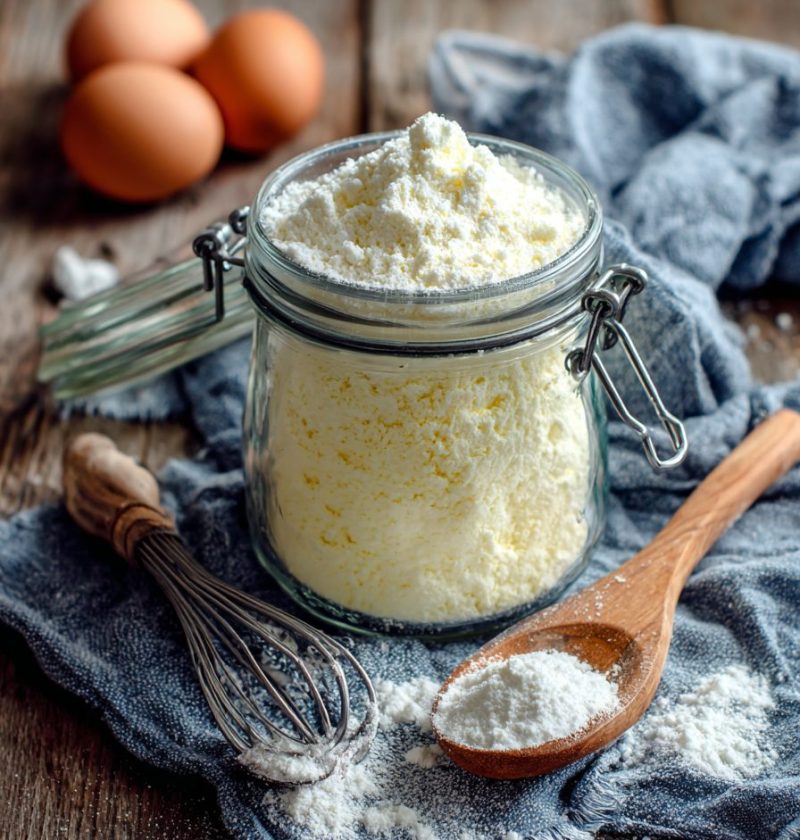
If you’ve got a bag of cassava flour sitting in your pantry and you’re not quite sure what to do with it, this all-purpose cassava flour recipe guide will be your new kitchen buddy—simple, gluten-free, and wonderfully versatile.
What Is Cassava Flour (And Why Are We Loving It)?
Cassava flour comes from the whole root of the cassava plant (also called yuca), which is naturally gluten free, grain free, and neutral in flavor. That makes it a fantastic base for everything from cassava flour bread and cassava flour pancakes to cassava flour tortillas and even a tender cassava flour pizza crust.
As a 50-year-old home cook who’s lived through the “low-fat ’90s,” the “everything-with-wheat” years, and now the gluten-free and paleo era, I can tell you: this healthy cassava flour recipe framework has been one of the most useful in my kitchen. It’s flexible enough to give you fluffy cassava flour muffins, crisp cassava flour crackers, soft tortillas, and a lovely little cassava flour dessert—all from one simple base dough.
We’ll start with a master cassava flour dough that you can shape into flatbread, tortillas, biscuits, or even a basic crust. Along the way, I’ll sprinkle in tips for turning it into easy cassava flour recipes like waffles, brownies, cookies, and more.
And yes—the focus today is a truly dependable, easy cassava flour recipe that doesn’t taste “healthy-weird.” Just real, tasty, family-friendly food.
Why You’ll Love This Cassava Flour Recipe
You know what? Let me just lay it out clearly. This cassava flour recipe has become a workhorse in my kitchen for a whole bunch of reasons:
- Gluten free and grain free – Perfect for celiac, gluten sensitivity, paleo, or “just trying to cut down on wheat” folks.
- Neutral, familiar flavor – Cassava flour tastes mild, closer to wheat flour than many gluten-free options, so no strong “nutty” or “bean-y” taste.
- One dough, many uses – Turn it into cassava flour flatbread, tortillas, biscuits, or a quick pizza crust with small tweaks.
- Flexible for dietary needs – Easily make it a vegan cassava flour recipe or dairy free cassava recipe with simple swaps.
- Great texture – Soft and pliable as a dough, and bakes up tender, not crumbly like some gluten-free mixes.
- Pantry-friendly ingredients – Everything is shelf-stable and easy to store, so you can whip this up on a busy weeknight.
- Kid and husband approved – No speeches needed about “health benefits.” It just tastes good.
- Beginner friendly – If you’re new to paleo cassava baking or gluten free cassava recipes, this one won’t scare you away.
The Master Cassava Flour Dough Recipe
This is the base cassava flour recipe I use most often. Think of it as a “hub”: from here, you can go flatbread, biscuits, tortillas, crackers, or even a quick cassava flour pie crust.
I’m writing it as a savory base first. After that, I’ll explain how to tweak it for sweet recipes like cassava flour cake, banana bread, brownies, or cookies.
Ingredients For The Master Cassava Flour Dough
For about 8 flatbreads or 10–12 small tortillas:
-
2 cups (240 g) cassava flour
- Use a good quality brand like Otto’s Naturals or Bob’s Red Mill for consistent results. Cassava flour absorbs liquid differently from brand to brand, so start with the lower end of liquid and add more if needed.
-
1 teaspoon fine sea salt
- Regular table salt is fine too, but sea salt gives a cleaner taste.
-
1 teaspoon baking powder (aluminum-free, if possible)
- This helps with lightness, especially if you’re making biscuits or a slightly puffier flatbread.
-
2 tablespoons olive oil or avocado oil
- For a richer flavor, melted ghee or butter works beautifully (not vegan, though).
-
1 ¼ to 1 ½ cups warm water
- Start with 1 ¼ cups and add more a tablespoon at a time. Warm, not boiling—think “very warm bath water.”
-
Optional for extra tenderness (choose one):
- 2 tablespoons full-fat coconut milk (for a dairy free cassava recipe)
- or 2 tablespoons plain yogurt (adds a gentle tang; use dairy-free yogurt if needed)
For sweet variations, you’ll add:
- 2–4 tablespoons sugar, coconut sugar, or maple syrup
- 1–2 teaspoons vanilla extract, depending on what you’re making
Directions: How To Make The Master Cassava Flour Dough
-
Mix the dry ingredients
In a large mixing bowl, whisk together cassava flour, salt, and baking powder. Break up any clumps—cassava flour can be a little “clumpy,” so whisking is important for an even texture. -
Add the fat
Pour in the olive oil (or avocado oil, melted butter, or ghee). Use a fork or your fingers to rub it into the flour mixture, almost like you’re making biscuit dough. You’re aiming for a sandy, slightly damp texture. -
Pour in the warm water gradually
Add 1 ¼ cups warm water first. Stir with a wooden spoon or spatula. The dough will start to pull together. If it feels dry, add more water 1 tablespoon at a time.- Tip: Cassava flour absorbs water slowly. Give the dough 1–2 minutes to hydrate before you decide if it needs more water.
-
Adjust for smooth, pliable dough
When the dough comes together, switch to your hands. You’re looking for a smooth, soft ball that doesn’t crack when you press it and isn’t sticky like glue.- Too dry and crumbly? Add a teaspoon of water at a time.
- Too sticky? Sprinkle in 1–2 teaspoons cassava flour, just enough so it pulls away from your hands.
-
Rest the dough (don’t skip this)
Cover the bowl with a clean kitchen towel and let the dough rest for 10–15 minutes at room temperature. This rest lets the cassava flour fully absorb the water and makes the dough easier to roll or shape. -
Shape based on what you’re making
- For flatbread or tortillas: Divide dough into 8–10 pieces, roll into balls, and keep covered so they don’t dry out.
- For biscuits: Pat the dough out on a lightly floured surface and cut with a biscuit cutter or glass.
- For a thin cassava flour pizza crust or pie crust: Press the dough directly into a greased pan with your hands.
-
Cook on the stovetop (for flatbread/tortillas)
Heat a dry cast-iron skillet or nonstick pan over medium to medium-high heat. Roll each ball between parchment paper until thin—about 1/8 inch.- Cook each piece 1–2 minutes per side, until you see small bubbles and golden spots. Adjust heat if they brown too fast.
-
Bake as needed (for biscuits, crust, or crackers)
- Biscuits: Bake at 400°F (200°C) for 12–15 minutes, until lightly golden.
- Pizza or pie crust: Pre-bake at 375°F (190°C) for 10–12 minutes before adding toppings or filling.
- Crackers: Roll very thin, brush lightly with oil, sprinkle with salt, and bake at 350°F (175°C) for 12–18 minutes until crisp.
You’ll start to “feel” the dough after you’ve made it once or twice. Cassava flour looks fussy at first, but once you understand how it behaves, it’s very predictable.
Servings & Timing
-
Yield:
- About 8 medium flatbreads or 10–12 small tortillas
- Or 8–10 biscuits
- Or one 9–10-inch pizza or pie crust
-
Prep Time: 15 minutes
-
Rest Time: 10–15 minutes
-
Cook/Bake Time: 10–15 minutes
-
Total Time: 35–45 minutes (depending on what you’re making)
How To Turn This Dough Into Different Cassava Flour Recipes
Here’s where the fun starts. This is how I use the same basic cassava flour recipe to cover half my weekly meal plan.
-
Cassava Flour Flatbread
Keep the recipe as written, shape into 6–8 thicker rounds (about ¼ inch thick), and cook in a skillet. Brush with garlic butter or olive oil and herbs. Great with soups or curries. -
Cassava Flour Tortillas
Roll the dough balls thinner (tortilla-thin) and cook quickly over medium heat. Stack them in a clean towel to stay soft. These are perfect for tacos, fajitas, or breakfast wraps. -
Cassava Flour Pizza Crust
Add 1 extra tablespoon oil to the dough for richness. Press into an oiled pizza pan, pre-bake 10–12 minutes, then add toppings and bake again until cheese is melted and edges are crisp. -
Cassava Flour Crackers
Add extra seasonings (garlic powder, dried herbs, everything bagel seasoning), roll very thin, score with a knife, and bake until crisp. A great gluten free cassava recipe for snacking. -
Cassava Flour Biscuits
Add 2–3 extra tablespoons fat (butter, ghee, or coconut oil). Pat out, cut into rounds, and bake. For a dairy free cassava recipe, use coconut oil and a splash of coconut milk.
Sweet Variations: Desserts & Breakfast Treats
If you’re like me and love a little something sweet with your afternoon coffee, cassava flour can handle that too.
Here are a few quick ways to adapt this into a cassava flour dessert or breakfast:
-
Cassava Flour Pancakes
- Use 1 ½ cups cassava flour, 2 teaspoons baking powder, 2 tablespoons sugar, 2 eggs (or flax eggs), 1 ½–2 cups milk (or non-dairy), a splash of vanilla. Cook on a greased griddle.
-
Cassava Flour Waffles
- Take the pancake batter above and add 2 extra tablespoons oil or melted butter. Cook in a well-greased waffle iron until crisp at the edges.
-
Cassava Flour Muffins or Cassava Flour Cake
- Use 2 cups cassava flour, 2 teaspoons baking powder, ½ teaspoon baking soda, ½ teaspoon salt, ¾–1 cup sugar, 3 eggs, ½ cup oil or melted butter, 1 cup milk (dairy or non-dairy), and flavorings (lemon zest, blueberries, cocoa powder, etc.). Bake in a greased muffin tin at 350°F (175°C) for 18–22 minutes, or as a cake for 25–30 minutes.
-
Cassava Flour Banana Bread
- Replace part of the liquid and sweetener with 2–3 very ripe mashed bananas. Add cinnamon, vanilla, and a pinch of nutmeg. Bake in a loaf pan until a toothpick comes out clean.
-
Cassava Flour Cookies or Brownies
- For cookies, use cassava flour like you would a standard gluten-free blend, with extra fat for tenderness. For brownies, keep the batter a bit looser and don’t overbake—they continue to set as they cool.
These aren’t strict formulas, but they give you a starting point. Think of cassava flour as somewhere between wheat flour and tapioca starch: absorbent, but also flexible.
Variations: Make It Your Own
Play with these ideas once you’re comfortable with the base cassava flour recipe:
- Herb & Garlic Flatbread – Add 1–2 teaspoons Italian seasoning, garlic powder, and a pinch of black pepper to the dry mix.
- Spicy Tortillas – Stir ½ teaspoon smoked paprika and ¼ teaspoon chili powder into the dough.
- Cheesy Cassava Flour Biscuits – Fold in ½–1 cup shredded cheddar or dairy-free cheese.
- Cinnamon Sugar Sweet Dough – For a cassava flour dessert, add 3–4 tablespoons sugar and 1 teaspoon cinnamon; brush cooked flatbreads with butter and sprinkle with cinnamon sugar.
- Vegan Cassava Flour Recipe – Use olive oil or coconut oil, water or plant-based milk, and skip any eggs or dairy.
- Paleo Cassava Baking – Sweeten with maple syrup or coconut sugar, and use coconut milk or almond milk plus ghee or coconut oil.
Storage & Reheating
I’ve tested this quite a bit because I love cooking once and eating twice (or three times).
-
Room Temperature (short term)
- Cooked flatbreads, tortillas, and crackers keep well in an airtight container at room temperature for about 1 day.
-
Refrigerator
- Store cooked items (flatbread, tortillas, biscuits, pizza crust) in a sealed container or zip-top bag for 3–4 days.
- The raw dough can be wrapped tightly and kept in the fridge for up to 2 days, though it may firm up—just let it sit at room temp for 15 minutes before using.
-
Freezer
- Cooked tortillas and flatbreads freeze beautifully. Place parchment between each piece, seal in a freezer bag, and freeze up to 2 months.
- You can also freeze shaped biscuits or crust unbaked; bake from frozen, adding a few extra minutes.
-
Reheating
- Reheat flatbreads and tortillas in a dry skillet over medium heat for 30–60 seconds per side.
- Biscuits and pizza crust do best warmed in a 325°F (160°C) oven for 8–10 minutes.
- If reheating from frozen, thaw in the fridge or on the counter, then warm in a skillet or oven to refresh the texture.
-
Make-Ahead Tip
- Make a double batch of dough, shape and cook your tortillas or flatbreads, and freeze them. On busy nights, you’ve got an instant base for tacos, quesadillas, or quick cassava flour pizzas.
Notes From My Kitchen (And My Messy Countertops)
- Hydration is everything – Cassava flour is thirsty. The most common issue is dough that’s too dry. If it cracks when you roll it, it needs more water.
- Don’t be afraid of sticky – It’s better to start slightly sticky and add a dusting of flour as you work than to have a dry, crumbly dough.
- Resting helps a lot – I know it’s tempting to rush, but those 10–15 minutes of rest really improve the texture and rollability.
- Brands differ – If you switch brands of cassava flour and your gluten free cassava recipe suddenly feels “off,” adjust the water first. That usually fixes it.
- Taste and season – Especially for crackers and flatbread, don’t be shy with salt and herbs. Cassava flour is mild and loves flavor.
- Photo tip – If you’re snapping pictures for Instagram or your own blog, brush the flatbread with a touch of oil when it comes off the pan. It gives a gorgeous, warm sheen.
FAQs About Cassava Flour Recipes
1. Is cassava flour the same as tapioca flour or tapioca starch?
No. Cassava flour uses the whole peeled root that’s dried and ground, while tapioca flour/starch is just the starchy extract. They behave differently in recipes.
2. Can I substitute cassava flour 1:1 for wheat flour?
Sometimes, but not always. Cassava flour is more absorbent, so you usually need a bit less flour or a bit more liquid. Start with about 75–80% of the wheat flour amount and adjust.
3. Is this cassava flour recipe paleo?
Yes, the basic savory dough (with water, oil, salt, cassava flour) is a paleo cassava baking staple. Just skip dairy and refined sugar for strict paleo.
4. Can I make this a vegan cassava flour recipe?
Absolutely. Use oil instead of butter, and water or plant-based milk instead of dairy. For sweet recipes, replace eggs with flax eggs or a trusted egg replacer.
5. Why is my cassava flour dough cracking when I roll it out?
It’s usually too dry or hasn’t rested long enough. Knead in a teaspoon of warm water at a time until it’s pliable, and let it rest for 10 minutes.
6. My tortillas turned out tough—what happened?
They may have cooked too long or on too high heat. Cassava flour tortillas need just 1–2 minutes per side on medium heat. Overcooking dries them out.
7. Can I use this dough as a cassava flour pie crust?
Yes. Press it into a greased pie dish, prick with a fork, and pre-bake before filling. For sweet pie, add 1–2 tablespoons sugar and a bit of vanilla to the dough.
8. Is cassava flour healthy?
It’s naturally gluten free and grain free, and it’s easy to digest for many people. It’s still a source of carbohydrates, though, so treat it like you would bread or other baked goods.
Wrapping It Up (And Passing You The Spatula)
This master cassava flour recipe has carried me through taco nights, quick lunches, cozy weekend breakfasts, and more than a few “Mom, we’re out of bread!” emergencies. It’s flexible, reliable, and it opens the door to all kinds of gluten free cassava recipes—tortillas, flatbreads, biscuits, pizza crusts, muffins, and even desserts.
If you try this cassava flour recipe, I’d genuinely love to hear how you used it—flatbread, cassava flour waffles, cassava flour cookies, or something totally creative. Leave a comment, share your tweaks, or bookmark this for your next baking session. And if you’re in the experimenting mood, go ahead and play with a cassava flour brownie or cassava flour crepe next—you might surprise yourself.
Master Cassava Flour Dough (All‑Purpose Gluten‑Free Base)
Ingredients
- 2 cups cassava flour about 240 g; use a consistent brand such as Otto’s Naturals or Bob’s Red Mill
- 1 teaspoon fine sea salt or regular table salt
- 1 teaspoon baking powder aluminum-free if possible
- 2 tablespoons olive oil or avocado oil, melted butter, or ghee
- 1 1/4 cups warm water plus up to 1 1/2 cups total as needed; water should feel like a very warm bath
- 2 tablespoons full-fat coconut milk optional, for extra tenderness; or use plain (dairy or dairy-free) yogurt
- 2 tablespoons sugar optional, for sweet variations; can use coconut sugar or maple syrup (up to 4 tbsp total)
- 1 teaspoon vanilla extract optional, for sweet variations; use up to 2 teaspoons depending on recipe
Instructions
- In a large mixing bowl, whisk together the cassava flour, salt, and baking powder. Break up any clumps so the mixture is evenly combined.2 cups cassava flour, 1 teaspoon fine sea salt, 1 teaspoon baking powder
- Pour in the olive oil (or avocado oil, melted butter, or ghee). Use a fork or your fingers to rub it into the flour mixture until it resembles a sandy, slightly damp texture.2 tablespoons olive oil
- Add 1 1/4 cups warm water to the bowl. Stir with a wooden spoon or spatula until the dough starts to come together. If it seems dry, add more water 1 tablespoon at a time. Let the dough sit for 1–2 minutes to allow the cassava flour to hydrate before adjusting.1 1/4 cups warm water
- Use your hands to bring the dough into a ball. It should be smooth, soft, and pliable, not cracking when pressed and not sticky like glue. If it is dry or crumbly, knead in a teaspoon of warm water at a time. If it is too sticky, sprinkle in 1–2 teaspoons cassava flour until it pulls away from your hands.
- Cover the bowl with a clean kitchen towel and let the dough rest at room temperature for 10–15 minutes. This allows the cassava flour to fully absorb the liquid and improves the texture.
- For flatbread or tortillas: Divide the dough into 8–10 pieces, roll into balls, and keep covered so they do not dry out. For biscuits: Pat the dough out on a lightly floured surface and cut with a biscuit cutter or glass. For a pizza or pie crust: Press the dough directly into a greased pan with your hands.
- Heat a dry cast-iron or nonstick skillet over medium to medium-high heat. Roll each dough ball between pieces of parchment paper to about 1/8 inch thick. Cook each piece for 1–2 minutes per side, until small bubbles form and golden spots appear, adjusting heat so they do not brown too quickly.
- For biscuits: Bake at 400°F (200°C) for 12–15 minutes, until lightly golden. For pizza or pie crust: Press into a greased 9–10 inch pan and pre-bake at 375°F (190°C) for 10–12 minutes before adding toppings or filling. For crackers: Roll the dough very thin, brush lightly with oil, sprinkle with salt, score into cracker shapes, and bake at 350°F (175°C) for 12–18 minutes until crisp.