Would you like to save this?
Buldak Ramen Recipe
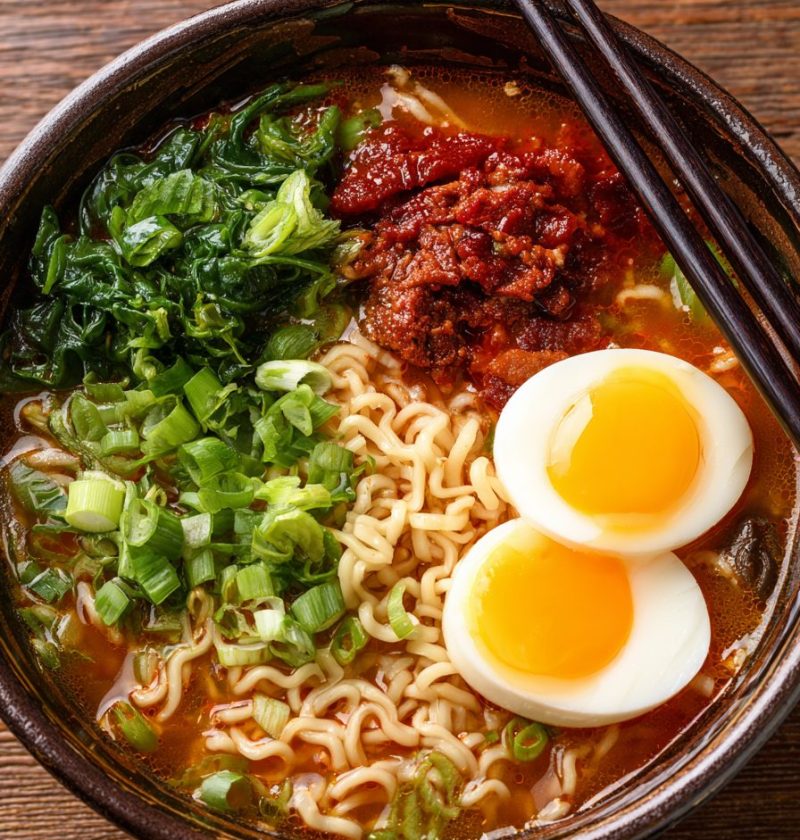
If you’ve been craving that spicy, cheesy, restaurant-style Korean fire noodle flavor at home, this Buldak Ramen Recipe is your new weeknight thrill ride—bold, saucy, and ready in under 20 minutes.
What Is Buldak Ramen, Really? (And Why Everyone’s Obsessed)
Buldak ramen, often called Korean fire noodles, started as an instant noodle craze and turned into a full-blown comfort food staple. Think chewy Korean instant ramen coated in a glossy, fiery red sauce that’s smoky, slightly sweet, and wonderfully spicy. Then, if you’re like me, you blanket it with melty cheese and call it dinner.
This homemade buldak ramen recipe gives you that same tongue-tingling heat you get from the famous Samyang packets—but with better balance, more flavor, and a few smart shortcuts. I love making this on Friday nights when I don’t feel like “real” cooking, but still want something fun and a little dramatic. It’s the kind of spicy Korean ramen that wakes everybody up around the table… and yes, we keep a big pitcher of ice water close by.
I also like that with a homemade Korean ramen sauce, I can control the heat level, sneak in a few extra veggies, and top it exactly how I want—cheese buldak ramen one day, a more classic, saucy buldak stir fried noodles version the next.
Why You’ll Love This Buldak Ramen Recipe
- Quick and weeknight friendly – On the table in about 15–20 minutes, start to finish.
- Customizable heat level – Make it fiery like classic Korean fire noodles or tone it down for spice-sensitive eaters.
- Way more flavor than a packet – Smoky gochujang, garlic, and a touch of sweetness give richer, rounder flavor than store-bought sauce.
- Budget-friendly comfort food – Uses basic pantry ingredients and inexpensive Korean instant ramen or any ramen noodles you have.
- Cheese-lover friendly – Easily turn it into cheese buldak ramen with a gooey mozzarella or cheddar topping.
- Flexible toppings bar – Load it up with eggs, scallions, kimchi, or veggies—perfect for cleaning out the fridge.
- Scales up easily – Make a single bowl or a big skillet to feed a crowd of spicy food fans.
- Great “takeout at home” recipe – Satisfies that late-night, spicy noodle craving without leaving the house.
Ingredients for Homemade Buldak Ramen
Here’s everything you’ll need to make this spicy buldak ramen at home. This version makes 2 generous servings, but you can easily double it.
For the noodles
- 2 packs (3–4 oz each) ramen noodles
- Korean instant ramen is ideal (like Samyang plain noodles or Shin ramen without the seasoning packet), but any plain ramen noodles or even fresh wheat noodles work.
- 2 cups water, plus more as needed for boiling
For the buldak sauce
- 2 tablespoons gochujang (Korean red chili paste)
- Look for brands like Chung Jung One or CJ; choose “medium” heat if you’re nervous about spice.
- 1–2 tablespoons gochugaru (Korean red chili flakes)
- Use 1 tablespoon for medium heat, 2 for that true Korean fire noodles kick.
- 2 tablespoons soy sauce (low-sodium if you’re salt-sensitive)
- 1 tablespoon brown sugar (light or dark; honey also works)
- 1 tablespoon mirin or rice vinegar
- Mirin gives sweetness; rice vinegar gives tang—either is fine.
- 2 tablespoons water or chicken broth (for a richer sauce)
- 2 cloves garlic, finely minced
- 1 teaspoon ginger, grated or minced
- 1 tablespoon neutral oil (canola, avocado, or grapeseed)
For the cheese topping (optional but highly recommended)
- ½–1 cup shredded mozzarella cheese
- Low-moisture mozzarella melts beautifully; you can mix in a bit of cheddar or pepper jack for extra flavor.
- 1 tablespoon butter (for extra richness, optional)
Optional toppings & mix-ins
Use these to build your buldak ramen toppings bar and add texture, color, and a little relief from the heat:
- 1–2 green onions, thinly sliced
- 1–2 soft-boiled or jammy eggs (6–7 minutes in boiling water, then ice bath)
- Kimchi, chopped
- Sesame seeds (toasted, if possible)
- Nori strips (roasted seaweed)
- Thinly sliced cabbage, bok choy, or spinach (quickly stir-fried or blanched)
- Cooked chicken, shrimp, or tofu for extra protein
Ingredient tips from my kitchen:
- Use gochujang and gochugaru that are fresh; older jars can lose some punch and taste flat.
- If you’re new to Korean pantry items, many large grocery stores now carry them near the Asian section. H-Mart or other Korean markets will have the best selection and prices.

Step-by-Step Directions: How to Make Buldak Ramen at Home
This recipe moves quickly, so it helps to have everything measured and ready before you start. Once the noodles hit the pot, you’re only a few minutes away from slurping.
-
Boil the noodles
Bring a medium pot of water to a boil. Add the ramen noodles and cook according to package directions, but undercook by about 1 minute so they stay chewy when stir-fried in the buldak sauce. -
Reserve some noodle water
Before draining, scoop out ¼ cup of the starchy cooking water and set aside. This helps loosen the sauce later and gives it a glossy finish. -
Drain and lightly toss the noodles
Drain the noodles well. Toss them with a tiny drizzle of oil if you’re worried about sticking, then set them aside while you make the sauce. Don’t rinse; that starch clinging to the noodles helps the sauce adhere. -
Mix the buldak sauce base
In a small bowl, whisk together gochujang, gochugaru, soy sauce, brown sugar, mirin or rice vinegar, and 2 tablespoons water or chicken broth. It should be thick but pourable. Taste carefully—this is concentrated—then adjust sweetness or spice now. -
Sauté the aromatics
In a large nonstick skillet or wok, heat the neutral oil over medium heat. Add minced garlic and ginger. Cook for 30–45 seconds, just until fragrant. Don’t let them burn; if they start to brown too quickly, lower the heat. -
Build the spicy sauce in the pan
Pour the buldak sauce mixture into the skillet with the aromatics. Stir and let it simmer gently for 1–2 minutes, until it thickens slightly and smells smoky and rich. If it looks too thick, add a splash of the reserved noodle water. -
Add the noodles to the sauce
Add the drained ramen noodles directly into the skillet. Use tongs or chopsticks to toss them in the sauce until every strand is coated and glossy. If things feel too dry or sticky, add another splash or two of noodle water. -
Finish with butter (optional but wonderful)
Stir in the butter until it melts into the sauce. This softens the edges of the heat and adds a restaurant-style richness. You know what? This tiny bit of fat makes a surprising difference. -
Add the cheese topping
Reduce the heat to low. Spread or mound the noodles in the skillet. Sprinkle mozzarella cheese evenly over the top. Cover the pan with a lid and let it sit for 1–3 minutes, just until the cheese melts into a stretchy, gooey blanket. -
Garnish and serve immediately
Remove from heat and top with sliced green onions, sesame seeds, nori strips, and any other buldak ramen toppings you love—eggs, kimchi, or cooked protein. Serve straight from the skillet or portion into bowls. Eat hot while the cheese is still melty and dramatic.
Servings & Timing
- Yield: Serves 2 generously (or 3 smaller portions)
- Prep Time: 5–10 minutes (chopping, mixing sauce)
- Cook Time: 8–10 minutes
- Total Time: About 15–20 minutes
Perfect for those evenings when you want something bold and comforting without spending all night in the kitchen.
Fun Variations on This Buldak Ramen Recipe
Once you nail the base recipe, you can play around with different spins:
- Extra-Cheesy Buldak Ramen – Stir a slice of American cheese directly into the noodles, then add the mozzarella on top for that ultra-creamy Korean convenience store style.
- Creamy “Rosé” Buldak Ramen – Add ¼–½ cup heavy cream or half-and-half to the sauce for a pink, creamy spicy Korean ramen that’s gentler on the palate.
- Veggie-Packed Buldak Stir Fried Noodles – Toss in stir-fried bell peppers, onions, mushrooms, and bok choy for a more substantial, veggie-forward meal.
- Protein-Boosted Buldak Ramen – Add leftover rotisserie chicken, pan-fried tofu, or shrimp right into the sauce with the noodles.
- Less-Spicy Family Version – Cut gochugaru in half and add an extra tablespoon of brown sugar; serve with extra cheese and a dollop of plain yogurt or sour cream on the side.
- Brothy Buldak Ramen – Add extra chicken broth and a little more soy sauce to turn this into a spicy, soupy bowl instead of saucy stir-fried noodles.
Storage & Reheating Tips
Now, truthfully, buldak ramen is at its glorious best right after you cook it—cheese melting, sauce clinging, noodles bouncy. But if you do have leftovers:
- Fridge:
- Store cooled noodles in an airtight container in the refrigerator for up to 2 days.
- Freezer:
- I don’t recommend freezing; the noodles tend to turn mushy and the texture just isn’t as pleasant.
- Reheating:
- Add a splash of water or chicken broth to a skillet, then add the noodles and warm over medium heat, tossing often until hot. Top with fresh cheese if you like and let it melt.
- Make-ahead:
- You can make the buldak sauce mixture up to 3–4 days ahead. Store it in a jar in the fridge, then just boil noodles, warm the sauce, and combine when ready to eat.
Notes from My Kitchen (What I Learned Testing This Recipe)
- Control the spice early. It’s much easier to add more heat than to fix a sauce that turned nuclear. Start with less gochugaru, especially if you’re new to Korean fire noodles.
- Cheese is your friend. Cheese buldak ramen isn’t just tasty; the fat in the cheese actually helps soften the burn. If the sauce feels too intense, add more cheese instead of more sugar.
- Use good noodles. The better the noodle, the better the final dish. Chewy, springy noodles hold up to the strong sauce. Fresh or higher-quality instant ramen is worth it.
- Don’t skip the aromatics. Yes, you can just mix gochujang and water and call it a day, but taking 2 extra minutes to cook garlic and ginger makes this taste like real homemade Korean ramen, not just “fancier instant ramen.”
- Sauce thickness matters. If your sauce is too thin, the flavor won’t cling; too thick and the noodles clump. That reserved noodle water is your secret fixer—add it a tablespoon at a time until it looks silky.
- Taste as you go. I always say, “The cook should be the first taster.” Dip a noodle in the sauce before adding cheese; adjust salt, sugar, or chili then.
FAQs About Buldak Ramen
1. How spicy is this buldak ramen recipe, really?
With 2 tablespoons gochujang and 1 tablespoon gochugaru, it’s a solid medium-high heat—spicy but not unbearable for most chili lovers. For true Korean fire noodles level, bump the gochugaru to 2 tablespoons.
2. Can I make this without gochugaru?
Yes. Use just gochujang and reduce soy sauce slightly if it tastes too salty. You won’t get the exact same flavor, but you’ll still have a tasty spicy Korean ramen.
3. What can I use instead of gochujang?
Gochujang is pretty unique, but in a pinch, mix chili paste (like sambal oelek) with a little miso and honey. It won’t be perfectly authentic but will still be delicious.
4. Can I use regular instant ramen packets?
Absolutely. Cook the noodles and discard the seasoning packets (or save them for another recipe). Use the noodles as the base for this homemade buldak ramen sauce.
5. How do I make this less spicy for kids?
Cut the gochugaru by half (or omit it), use mild gochujang, add extra brown sugar, and be generous with cheese. Serving with milk or yogurt on the side helps too.
6. Is this recipe vegetarian or vegan?
As written, it’s vegetarian if you use vegetable broth and skip any meat toppings. For vegan, use vegan gochujang (some brands contain wheat or animal-derived ingredients), skip the butter and cheese, and use tofu or veggies as toppings.
7. Can I add more vegetables?
Yes, and I encourage it. Stir-fry vegetables like cabbage, onions, carrots, mushrooms, or spinach in the pan before adding the sauce, then toss everything together with the noodles.
8. Why are my noodles mushy after reheating?
Noodles continue to absorb sauce and liquid as they sit. For leftovers, reheat gently with a splash of liquid and know the texture won’t be quite as bouncy as fresh. If texture really bothers you, make only what you’ll eat fresh.
Wrapping It Up: Your New Go-To Spicy Noodle Night
This buldak ramen recipe brings that bold, Korean fire noodles flavor straight into your kitchen with just a handful of pantry ingredients and a skillet. It’s fast, fun, cozy, and just dramatic enough to feel special—especially when you pull that lid off and the cheese is all melted and stretchy.
Give it a try the next time you’re craving something spicy and comforting. When you make it, I’d love to hear how hot you went with the sauce and what buldak ramen toppings you added—leave a comment, rate the recipe, or share your own twist. And if you enjoy this, you might like exploring more easy Korean-inspired recipes, like kimchi fried rice, spicy gochujang chicken, or a simple veggie-packed ramen bowl.
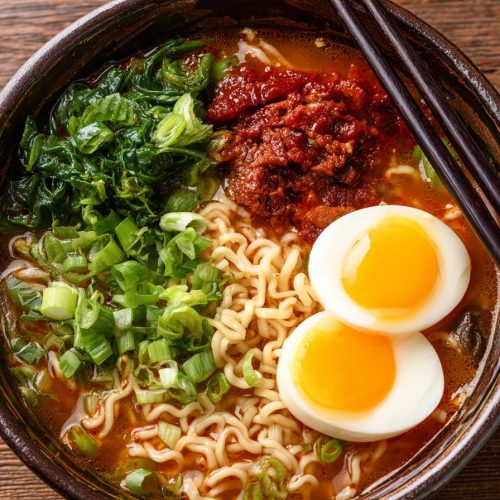
Buldak Ramen (Korean Fire Noodles with Cheese)
Ingredients
- 2 packs ramen noodles 3–4 oz each; Korean instant ramen or any plain ramen noodles
- 2 cups water plus more as needed for boiling noodles
- 2 tablespoons gochujang Korean red chili paste
- 1-2 tablespoons gochugaru Korean red chili flakes; 1 tbsp for medium heat, 2 tbsp for very spicy
- 2 tablespoons soy sauce low-sodium if desired
- 1 tablespoon brown sugar light or dark; or use honey
- 1 tablespoon mirin or rice vinegar
- 2 tablespoons water or chicken broth for the sauce base
- 2 cloves garlic finely minced
- 1 teaspoon ginger grated or minced
- 1 tablespoon neutral oil such as canola, avocado, or grapeseed
- 1/2-1 cup shredded mozzarella cheese low-moisture; can mix with cheddar or pepper jack
- 1 tablespoon butter optional, for extra richness
- 1-2 green onions thinly sliced, for garnish
- 1-2 soft-boiled or jammy eggs optional topping
- kimchi chopped, optional topping
- sesame seeds toasted, for garnish
- nori strips roasted seaweed, for garnish
- cabbage, bok choy, or spinach thinly sliced; quickly stir-fried or blanched, optional
- cooked chicken, shrimp, or tofu optional, for extra protein
Instructions
- Bring a medium pot of water to a boil. Add the ramen noodles and cook according to package directions, but undercook by about 1 minute so they stay chewy when stir-fried in the buldak sauce.2 packs ramen noodles, 2 cups water
- Before draining the noodles, scoop out 1/4 cup of the starchy cooking water and set aside. Drain the noodles well. Toss with a tiny drizzle of oil if you’re worried about sticking, but do not rinse.
- In a small bowl, whisk together the gochujang, gochugaru, soy sauce, brown sugar, mirin or rice vinegar, and 2 tablespoons of water or chicken broth. The mixture should be thick but pourable. Taste carefully and adjust sweetness or spice as needed.2 tablespoons gochujang, 1-2 tablespoons gochugaru, 2 tablespoons soy sauce, 1 tablespoon brown sugar, 1 tablespoon mirin or rice vinegar, 2 tablespoons water or chicken broth
- In a large nonstick skillet or wok, heat the neutral oil over medium heat. Add the minced garlic and ginger and cook for 30–45 seconds, just until fragrant, adjusting the heat to prevent burning.2 cloves garlic, 1 teaspoon ginger, 1 tablespoon neutral oil
- Pour the buldak sauce mixture into the skillet with the aromatics. Stir and let it simmer gently for 1–2 minutes, until slightly thickened and smelling smoky and rich. If it looks too thick, add a splash of the reserved noodle water.
- Add the drained ramen noodles to the skillet. Toss with tongs or chopsticks until every strand is coated and glossy, adding more reserved noodle water as needed if the noodles seem dry or sticky. Stir in the butter until melted for extra richness.2 packs ramen noodles, 1 tablespoon butter
- Reduce the heat to low and mound or spread the noodles evenly in the skillet. Sprinkle the shredded mozzarella cheese over the top. Cover with a lid and let cook for 1–3 minutes, until the cheese melts into a gooey blanket.1/2-1 cup shredded mozzarella cheese
- Remove from the heat. Top with sliced green onions, sesame seeds, nori strips, and any additional toppings you like such as soft-boiled eggs, kimchi, vegetables, or cooked protein. Serve immediately while hot and the cheese is still melty.1-2 green onions, 1-2 soft-boiled or jammy eggs, kimchi, sesame seeds, nori strips, cabbage, bok choy, or spinach, cooked chicken, shrimp, or tofu