Would you like to save this?
Pan Seared Ribeye Steak Recipe
If you’ve been craving a steakhouse-worthy dinner without leaving home, this Pan Seared Ribeye Steak Recipe is the one to keep close—golden crust, tender center, and plenty of garlicky butter in under 20 minutes.
A Simple Steak Dinner That Feels a Little Fancy
There’s something deeply satisfying about making a beautiful pan seared ribeye at home. It feels special, but it’s surprisingly straightforward. A ribeye is one of the richest, most flavorful cuts of beef because of its marbling—that lovely web of fat running through the meat that melts as it cooks. That’s what gives you a juicy ribeye steak with that buttery bite people usually associate with a pricey steakhouse meal.
I make this ribeye Steak Recipe when I want dinner to feel like an occasion, even if it’s just a Wednesday and I’m still wearing my house slippers. It’s also one of my favorite meals for date night at home, birthdays, or when the weather is too hot to turn on the oven. You get all the pleasures of a restaurant style steak with just a skillet, a few good ingredients, and a little confidence.
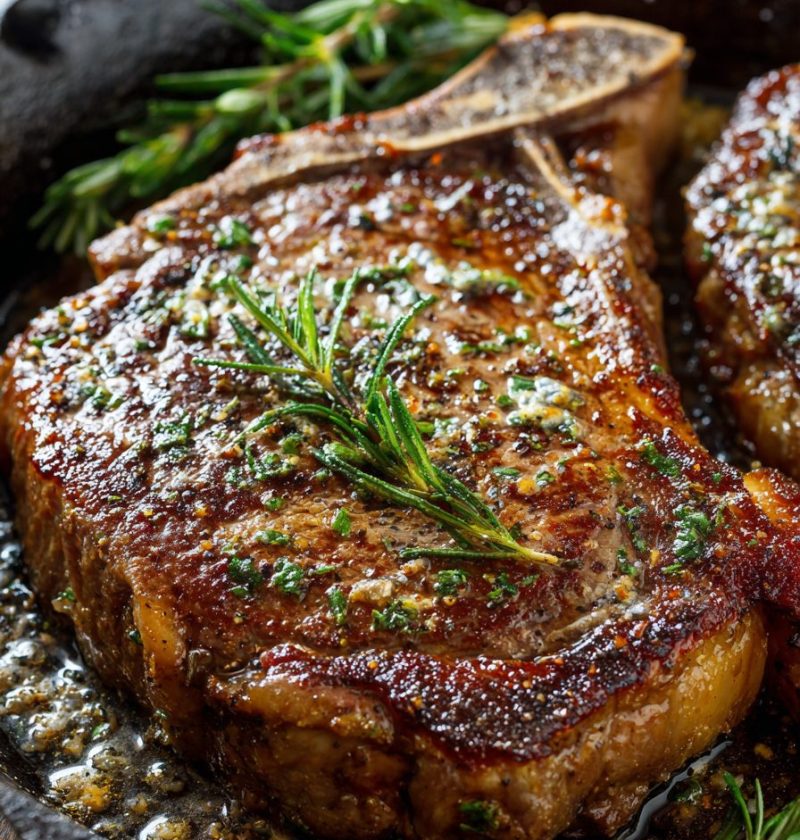
What makes this recipe shine is the method. We’re building a crisp, browned exterior—that dreamy crispy steak crust—while keeping the inside tender and rosy. A cast iron skillet works especially well because it holds heat like a champ, but any heavy skillet can do the job. Add butter, garlic, and herbs at the end, and you’ve got a garlic butter steak that tastes luxurious without being complicated.
And from a practical angle, this is one of those high-impact, low-fuss meals. Data from home cooking trend reports keeps showing that readers want fast dinners with strong protein, fewer ingredients, and restaurant-quality results at home. This stovetop Steak Recipe checks every box.
Why You’ll Love This Recipe
- Ready in about 15 minutes of active cooking
- Creates a gorgeous steakhouse-style crust at home
- Uses simple ingredients you may already have
- Perfect for a quick weeknight steak dinner recipe
- Naturally low in carbs and high in protein
- Easy to adapt for one steak or a full ribeye steak dinner
- Works beautifully as a cast iron ribeye
- Gives you a tender, flavorful steak without a grill
- That garlic-butter finish tastes downright special
- Ideal for beginners learning how to cook ribeye in skillet
Ingredients
Here’s what you’ll need for this homemade ribeye steak:
- 2 ribeye steaks, 10 to 12 ounces each, about 1 to 1 1/2 inches thick
(Choose steaks with good marbling for the most tender and flavorful result. USDA Choice works well; Prime is even richer.) - 1 1/2 teaspoons kosher salt
(Diamond Crystal is a favorite for consistent seasoning; if using table salt, use a little less.) - 1 teaspoon freshly ground black pepper
- 1 tablespoon avocado oil or canola oil
(Use a high-smoke-point oil; olive oil can burn too quickly in a very hot skillet.) - 2 tablespoons unsalted butter
- 3 garlic cloves, lightly smashed
- 2 to 3 sprigs fresh thyme or rosemary
(Either herb works; thyme is a bit softer and more classic, rosemary gives a bolder aroma.) - Optional: flaky sea salt for finishing
A few ingredient notes that matter more than people think:
- Let the steaks sit at room temperature for 30 to 45 minutes before cooking. This helps them cook more evenly.
- Pat them very dry with paper towels. Moisture is the enemy of a deeply seared Steak Recipe.
- If your ribeyes are very thick—closer to 2 inches—you may need a few extra minutes and lower heat after the sear.

Directions
-
Bring the steaks closer to room temperature.
Take the ribeyes out of the fridge 30 to 45 minutes before cooking. This small step helps the center cook more gently and evenly. Pat both sides dry really well with paper towels—don’t skip that, because dry meat forms the best crust. -
Season generously.
Sprinkle the steaks all over with kosher salt and black pepper. Ribeye can handle a good amount of seasoning because it’s a rich cut. Press the seasoning lightly into the surface so it adheres well. -
Heat your skillet until it’s properly hot.
Place a cast iron or heavy stainless steel skillet over medium-high to high heat for 3 to 5 minutes. You want it hot enough that a drop of water would sizzle right away. This is the foundation of any good pan seared steak. -
Add oil and sear the first side.
Pour in the oil, then carefully place the steaks in the skillet. They should sizzle the second they hit the pan. Leave them alone for 2 to 4 minutes, depending on thickness. Resist the urge to move them around. That stillness helps build the crispy steak crust. -
Flip and sear the second side.
Turn the steaks with tongs and cook another 2 to 4 minutes. If the steaks have a fat cap on the side, hold them upright with tongs for 30 to 60 seconds so that fat renders a bit. It adds flavor and gives the pan even more richness. -
Lower the heat and add butter, garlic, and herbs.
Reduce the heat to medium-low. Add the butter, smashed garlic, and thyme or rosemary. Once the butter melts and foams, tilt the pan slightly and spoon that butter over the steaks again and again for 1 to 2 minutes. This basting step is where your steak with butter turns truly memorable. -
Check the temperature.
For accuracy, use an instant-read thermometer. Pull the steaks at:- 120–125°F for rare
- 130–135°F for medium-rare
- 140–145°F for medium
Remember, the temperature rises a bit while resting. For most ribeye lovers, medium-rare gives the best balance of texture and fat rendering.
-
Rest before slicing.
Transfer the steaks to a cutting board or plate and let them rest for 5 to 10 minutes. This gives the juices time to settle back into the meat. Slice against the grain if serving sliced, and finish with flaky salt if you like.
Servings & Timing
- Yield: 2 servings
- Prep Time: 10 minutes
- Rest Time Before Cooking: 30 to 45 minutes
- Cook Time: 8 to 10 minutes
- Rest Time After Cooking: 5 to 10 minutes
- Total Time: About 55 to 65 minutes, with most of that being hands-off resting time
If you’re in a pinch, you can shorten the pre-cook rest a little, but honestly, the better texture is worth the wait.
Variations
- Classic garlic butter upgrade: Add a pinch of crushed red pepper to the butter for a subtle kick.
- Steakhouse mushroom version: Serve with quickly sautéed cremini mushrooms and shallots.
- Blue cheese finish: Crumble a little blue cheese over the hot steak during the resting period.
- Herb swap: Use sage instead of thyme for a deeper, earthy flavor in cooler months.
- Cajun-style ribeye: Season with a light Cajun spice blend before searing for a bolder Southern spin.
- No butter version: Use extra oil and finish with a squeeze of lemon for a dairy-free take.
Storage & Reheating
If you have leftovers—and that’s a big if around here—store them in an airtight container in the refrigerator for up to 3 days.
For the freezer, wrap sliced or whole cooked steak tightly in plastic wrap and place in a freezer-safe bag or container. Freeze for up to 2 months. Thaw overnight in the refrigerator before reheating.
To reheat without drying it out:
- Warm gently in a skillet over low heat with a teaspoon of butter or a splash of broth
- Or slice thinly and use cold in steak salads, wraps, or grain bowls
Make-ahead note: you can season the steaks a few hours ahead and refrigerate them uncovered on a plate or rack. That actually helps dry the surface for an even better sear. Just let them sit out briefly before cooking.
Notes
After testing this easy steak recipe a few different ways, here’s what made the biggest difference:
First, dry steak really does sear better. I know it sounds fussy, but moisture creates steam, and steam won’t give you that beautiful caramelized exterior.
Second, not every stove runs the same. Gas ranges often heat quickly and aggressively, while electric cooktops can take a little longer to stabilize. So trust your senses as much as the clock. You want a strong sizzle, but not scorched butter or smoke pouring out like a chimney.
Third, ribeye has more internal fat than leaner cuts, which is lovely for flavor but can cause flare-ups in a screaming hot pan. That’s why I prefer a hot sear followed by slightly lower heat for butter basting. It’s a small shift, but it keeps the steak rich, not burnt.
And one more thing: if you want that true restaurant style steak look, don’t overcrowd the pan. Two steaks are fine in a large skillet. More than that, and you’ll cool the pan too much.
FAQs
What is the best pan for a Pan Seared Ribeye Steak Recipe?
A cast iron skillet is the gold standard because it holds heat so well and helps create a deep crust. A heavy stainless steel pan also works nicely.
How do I get a crispy crust on ribeye?
Pat the steak dry, heat the pan thoroughly, and don’t move the steak while it sears. Those three steps make the biggest difference in creating a crispy steak crust.
Can I make this ribeye steak recipe without cast iron?
Yes, absolutely. A heavy-bottomed stainless steel skillet is the next best choice for a solid skillet steak recipe.
How long should I cook ribeye in a skillet?
For a 1 to 1 1/2-inch ribeye, plan on about 4 to 8 minutes total searing time, plus 1 to 2 minutes of butter basting. Exact timing depends on thickness and your preferred doneness.
Should I use butter from the start?
Not usually. Butter can burn if added too early in a very hot skillet. It’s better to sear first with oil, then add butter near the end for basting.
What internal temperature is best for tender ribeye steak?
Medium-rare, around 130–135°F after resting, is ideal for most people. It gives you a tender ribeye steak with good fat rendering and plenty of juiciness.
Can I use boneless or bone-in ribeye?
Yes to both. Boneless cooks a little more evenly in a skillet, while bone-in offers extra flavor and a dramatic presentation.
Why is my pan seared steak tough?
It may have been overcooked, not rested, or cut the wrong way when sliced. Also, if the steak is too thin, it can overcook before a good crust forms.
Conclusion
This Pan Seared Ribeye Steak Recipe brings together everything we want in a great steak—deep crust, rich flavor, and that luscious garlic-butter finish—all from the stovetop. It’s quick enough for a weeknight, yet special enough for company.
If you give this classic ribeye steak a try, I’d love to hear how it turned out. Leave a comment below, share your favorite sides, or bookmark this recipe for the next time you need a foolproof quick steak recipe that feels like a treat.