Would you like to save this?
Peanut Butter Powder Recipe (Easy, Healthy & Perfect for Meal Prep)
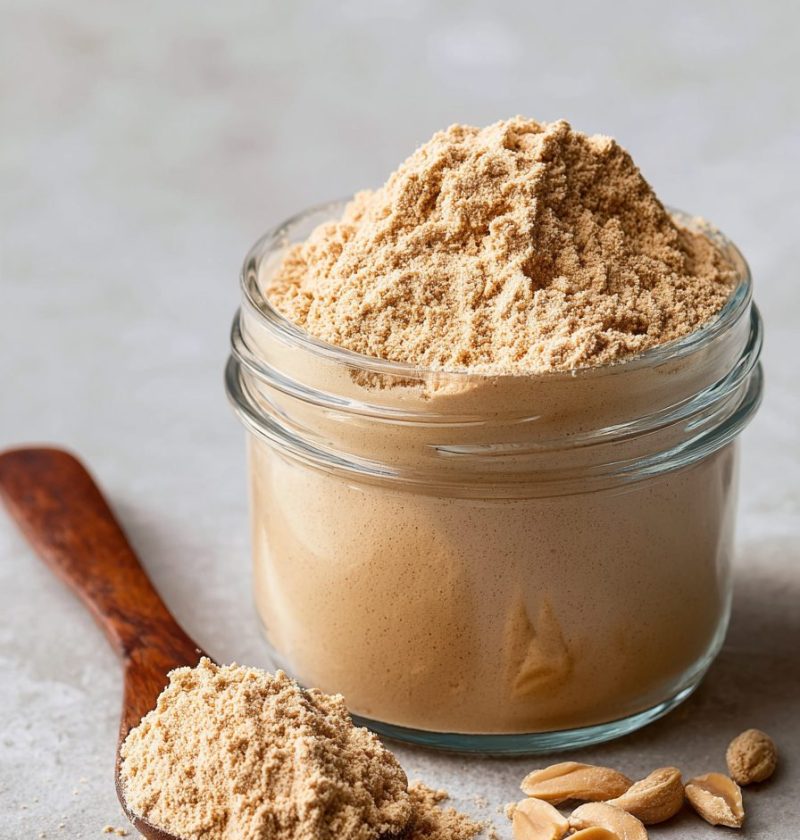
If you love the taste of Peanut Butter but don’t love the extra fat and calories, this Peanut Butter Powder Recipe is going to be your new pantry superstar—light, nutty, and ready for smoothies, baking, and quick spreads.
What Is Peanut Butter Powder, Really?
Let’s start with the basics. Peanut butter powder is made from roasted peanuts that have most of their natural oils pressed out, then ground into a fine, shelf-stable powder. My homemade Peanut Butter Powder Recipe uses just a few simple ingredients to give you a versatile, low fat peanut butter powder you can stir into yogurt, blend into smoothies, or turn into a creamy spread with a splash of water.
I started making homemade peanut butter powder years ago when my kids were teenagers and inhaling protein shakes after school. I wanted that classic peanut flavor without turning every shake into a calorie bomb. Store-bought healthy peanut butter powder works in a pinch, but making your own diy peanut butter mix gives you control over the sweetness, salt, and texture—and it’s usually cheaper per serving.
Plus, it feels a little bit magical turning roasted peanuts into a peanut butter smoothie powder you can use in a dozen different ways. There’s something very “home economics class 1989” about it, and I mean that in the best possible way.
Why You’ll Love This Peanut Butter Powder Recipe
- Big peanut flavor, fewer calories – You get that classic roasted peanut taste with a fraction of the fat of regular peanut butter.
- High protein pantry staple – This acts like a protein peanut butter powder you can scoop into oatmeal, yogurt, and shakes.
- Budget-friendly – Way more cost-effective than many store brands, especially if you buy peanuts in bulk.
- Customizable sweetness & salt – Make it unsweetened, lightly sweet, or dessert-level sweet—your call.
- Perfect for meal prep & smoothies – Stir and go; it dissolves smoothly in liquids when mixed well.
- Great for baking – Use it as peanut butter baking powder in muffins, pancakes, cookies, and high-protein snacks.
- Long shelf life – Since most of the oil is removed, it stores beautifully in your pantry.
- Naturally gluten-free – As long as your peanuts and add-ins are certified gluten-free, you’re good.
- No weird additives – Just real ingredients you can pronounce and adjust.
Ingredients for Homemade Peanut Butter Powder
Here’s what you’ll need to make this simple, wholesome peanut butter powder recipe at home. Measurements yield about 2 cups of finished powder (depending on how finely you grind it).
- 2 cups roasted peanuts (about 280–300 g; use unsalted, skinless, dry-roasted peanuts for best results)
- 1–2 tablespoons coconut sugar or light brown sugar (optional, for a lightly sweetened version)
- ½–¾ teaspoon fine sea salt (start with ½ teaspoon and adjust after tasting)
- 1–2 teaspoons cornstarch or arrowroot starch (optional, helps keep the powder free-flowing)
A few quick notes, like we’re chatting in my kitchen:
-
Peanuts:
- Look for dry-roasted and unsalted. If you only find salted peanuts, skip the added salt completely and taste before adding any.
- If you can find blanched peanuts (no skins), they’ll create a lighter-colored powder, but regular roasted peanuts with skins removed work fine.
-
Sweetener:
- Coconut sugar gives a gentle caramel note and keeps it more on the “natural” side.
- Light brown sugar or cane sugar works as well. Want a zero-sugar version? Just leave it out.
-
Salt:
- Don’t skip the salt unless you really have to—it brings the peanut flavor forward.
- Use fine sea salt or table salt, not flaky, so it blends evenly.
-
Starch:
- Cornstarch or arrowroot helps absorb tiny bits of remaining oil and keeps the powder from clumping.
- If you’d rather not use starch, you can leave it out; just expect the powder to be a little denser and more prone to clumps.

How to Make Peanut Butter Powder (Step-by-Step Directions)
You’ll need a high-speed blender or a good food processor for this recipe. A basic one can work, but the stronger the motor, the smoother your healthy peanut butter powder will be.
-
Prep your peanuts
Spread the roasted peanuts on a tray and quickly pick out any super-dark or burnt ones; they can make your peanut butter powder taste bitter. If your peanuts have skins, rub them in a clean kitchen towel to remove as many skins as possible—they can add a slightly gritty texture. -
Grind the peanuts to a paste
Add the peanuts to your blender or food processor. Pulse in short bursts at first, then process continuously. The peanuts will go from coarse crumbs to a sandy meal, then to a thick paste (like natural peanut butter).- Stop to scrape down the sides a couple of times so nothing hides under the blades.
- This stage usually takes 2–4 minutes, depending on your machine.
-
Press out the oil (first pass)
Here’s the part that makes this a true low fat peanut butter powder. Scoop the peanut paste into a fine-mesh nut milk bag, a few layers of cheesecloth, or a very thin clean cotton kitchen towel.- Gather the cloth and twist and squeeze over a bowl.
- You’ll see peanut oil slowly dripping out—this is what lowers the fat content.
- Keep pressing until you feel the paste is quite firm and dry.
-
Break up and re-blend
Transfer the pressed peanut “cake” back into your food processor or blender. Break it into smaller chunks with your hands first—this makes it much easier on the machine.- Process again, this time until the mixture turns into a fine, crumbly meal.
- It won’t turn into a paste again because most of the oil is gone. That’s exactly what we want.
-
Add salt, sweetener, and starch
Sprinkle in the salt, coconut sugar (or chosen sweetener), and cornstarch or arrowroot.- Pulse several times, then process for about 30–60 seconds so everything is well blended.
- Taste a pinch. Adjust salt and sweetness now, not later.
-
Turn crumbly meal into a fine powder
Continue to process until the texture looks like fine flour. If your blender is strong (like a Vitamix), this may take just 30–45 seconds; in a food processor, it may take a couple of minutes.- If the mixture is clumping around the sides, stop and fluff it with a fork or spatula, then keep going.
- You’re done when it feels very light and powdery between your fingers.
-
Sift for an ultra-smooth texture (optional but lovely)
For a super-smooth peanut butter baking powder or powdered peanut butter spread, push the mixture through a fine-mesh sieve into a bowl.- Any larger pieces left in the sieve can go back into the processor for another round.
- This extra step makes the powder dissolve more easily in smoothies and sauces.
-
Cool and store
Let the powder sit out on the counter for 20–30 minutes to cool completely and release any residual warmth from blending (warmth can create condensation in jars).- Once cool, transfer your homemade peanut butter powder to an airtight glass jar or container.
- Label with the date so you remember when you made it—trust me, future you will appreciate this.
How Much Does This Make? (Servings & Timing)
- Yield: About 2 cups peanut butter powder (around 24–32 servings, depending on how you scoop)
- Serving size (suggested): 2 tablespoons powder
- Prep Time: 20 minutes
- Press Time: 10 minutes (hands-on but relaxed—good podcast time)
- Total Time: About 30–35 minutes
To make a powdered peanut butter spread, start with:
- 2 tablespoons peanut butter powder
- 1½–2 tablespoons water
Stir until smooth, adding water gradually until you reach your desired consistency. Adjust with a pinch more salt or a tiny bit of sweetener if you like.
Easy Variations & Flavor Twists
Once you’ve nailed the base Peanut Butter Powder Recipe, you can have a little fun:
- Chocolate Peanut Butter Powder – Add 2–3 tablespoons unsweetened cocoa powder and a touch more sweetener for a chocolatey smoothie booster.
- Vanilla Protein Peanut Butter Powder – Blend in ¼ cup vanilla protein powder and reduce the sweetener slightly; it’s great for shakes and baked oats.
- Cinnamon Swirl Peanut Powder – Add 1–2 teaspoons ground cinnamon for a cozy flavor that’s fantastic in oatmeal.
- Spicy Thai-Style Peanut Powder – Mix in ½–1 teaspoon chili powder or cayenne (go light) for an easy base for savory sauces.
- Salted Caramel Peanut Powder – Use coconut sugar plus a pinch of extra sea salt and a tiny dash of vanilla powder.
- Sugar-Free Peanut Butter Powder – Skip all sweeteners and keep it simple with peanuts, salt, and starch.
Storage & Make-Ahead Tips
Because we’ve removed most of the oil, this homemade peanut butter powder is quite shelf-stable—but a little care keeps it fresher longer.
-
Room Temperature:
- Store in an airtight jar in a cool, dark pantry for up to 3 months.
- If your kitchen runs warm, keep it away from the stove or sunny windows.
-
Refrigerator:
- For longer freshness, refrigerate in a well-sealed jar for 4–6 months.
- Let it come to room temp before using if you notice any clumping.
-
Freezer:
- You can freeze peanut butter powder for up to 1 year.
- Use a freezer-safe container or bag; press out excess air before sealing.
- Thaw the amount you need at room temperature. Break up any clumps with a fork or by shaking the jar.
-
Make-Ahead:
- This recipe is perfect for weekend meal prep.
- Make a double batch and keep one jar plain and another flavored (like chocolate or cinnamon) so you have options on busy mornings.
Notes, Tips & Little Lessons Learned
-
Your machine matters:
My old food processor from the early 2000s could do this, but it needed more breaks. A high-speed blender makes faster, finer powder, but use small batches if your blender is tall and narrow, so everything stays in the blade path. -
Don’t rush the oil pressing:
The more oil you squeeze out, the “lighter” your low fat peanut butter powder will be. If you stop early, you’ll just have a more calorie-dense powder that clumps faster. Still tasty, but different. -
Taste as you go:
Peanuts vary—some are sweeter, some more bitter. Always taste a small pinch after mixing in salt and any sweetener. Adjust right there while it’s in the processor. -
Clumps aren’t a disaster:
If you see little clumps after storing, just shake the jar, give it a quick whisk, or pulse it again for a few seconds. No need to toss it. -
Use a digital scale if you can:
A scale helps you get consistent results, especially if you want to repeat a version you love (like the chocolate version you suddenly put on everything). -
For smoothies:
Add the powder after your liquid in the blender to keep it from sticking to the bottom. I usually go: milk (or plant milk), peanut butter powder, fruit, ice.
FAQs About Homemade Peanut Butter Powder
1. How do I turn this peanut butter powder into a spread?
Stir about 2 tablespoons powder with 1½–2 tablespoons water until smooth. Adjust the water gradually until it’s as thick or thin as you like.
2. Is this really lower in fat than regular peanut butter?
Yes. By pressing out much of the oil, this peanut butter powder has significantly less fat per serving than traditional peanut butter, while still offering protein and flavor.
3. Can I use this in baking like regular peanut butter?
You can’t swap it 1:1 for peanut butter, but you can add it to batters and doughs as a dry ingredient—great for cookies, muffins, pancakes, and energy bars. Just remember, it absorbs liquid, so recipes may need a little extra milk or water.
4. What’s the difference between this and store-bought powdered peanut butter?
Store brands are usually made with a commercial press that removes even more oil, and they often have added sugars and stabilizers. This homemade version is more customizable and often fresher tasting.
5. My powder tastes slightly bitter—what happened?
Usually that means the peanuts were over-roasted or some burnt pieces slipped in. Next time, pick out very dark peanuts before blending. You can also balance mild bitterness with a bit more sweetener and a pinch of extra salt.
6. Can I make this with other nuts?
Yes! The same method works with almonds, cashews, or hazelnuts, but the flavor and fat content will differ. For example, cashew powder is creamier, almond powder a little grainier.
7. Is peanut butter powder safe for kids?
As long as there are no peanut allergies, yes. It’s great for kid-friendly smoothies, yogurt bowls, or stirred into oatmeal—but always check with a pediatrician if you’re unsure, especially for very young children.
8. How much powder equals 2 tablespoons of regular peanut butter?
It varies by brand and recipe, but a good starting point is 2 tablespoons powder + 1½ tablespoons water to mimic the thickness of standard peanut butter. Adjust water until you like the consistency.
Wrapping It Up (And Serving Suggestions!)
This simple Peanut Butter Powder Recipe gives you all that nostalgic, nutty flavor in a lighter, more flexible form—ready to stir into smoothies, upgrade your oatmeal, or whisk into a quick sauce for weeknight noodles. It’s one of those quiet pantry heroes that makes healthy eating feel less like a project and more like a treat.
If you try this recipe, I’d love to hear how you use it—smoothies, baking, snack boxes, all of it. Leave a comment with your favorite twist, or bookmark this and share it with a peanut-butter-loving friend who’s always on the lookout for healthier swaps. And if you’re hungry for more, check out my other make-ahead breakfast and snack recipes next—they play very nicely with peanut butter powder.
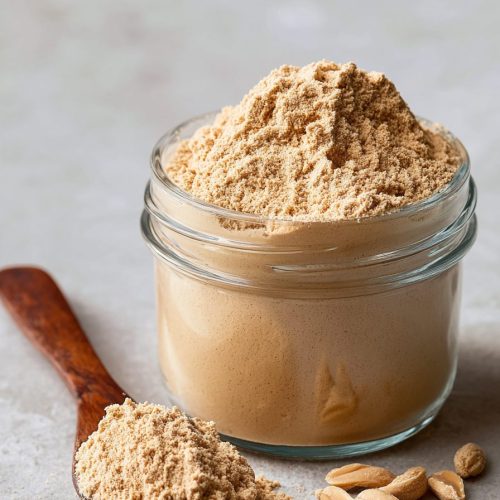
Peanut Butter Powder (Easy, Healthy & Perfect for Meal Prep)
Ingredients
- 2 cups roasted peanuts 280–300 g; unsalted, skinless, dry‑roasted for best results
- 1 tablespoon coconut sugar or light brown sugar up to 2 tablespoons, optional, for a lightly sweetened version
- 1/2 teaspoon fine sea salt up to 3/4 teaspoon; adjust to taste
- 1 teaspoon cornstarch or arrowroot starch up to 2 teaspoons; optional, helps keep the powder free‑flowing
- 2 tablespoons peanut butter powder for spread; from the finished recipe below
- 1 1/2 tablespoons water up to 2 tablespoons, for mixing into a spread
Instructions
- Spread the roasted peanuts on a tray and quickly pick out any super‑dark or burnt ones so they don’t make the peanut butter powder taste bitter. If your peanuts have skins, rub them in a clean kitchen towel to remove as many skins as possible; this helps create a smoother, less gritty powder.2 cups roasted peanuts
- Add the prepped peanuts to a high‑speed blender or good food processor. Pulse in short bursts at first, then process continuously. The peanuts will go from coarse crumbs to sandy meal, then to a thick paste similar to natural peanut butter. Stop to scrape down the sides as needed. This stage usually takes 2–4 minutes, depending on your machine.2 cups roasted peanuts
- Scoop the peanut paste into a fine‑mesh nut milk bag, several layers of cheesecloth, or a very thin clean cotton kitchen towel. Gather the cloth and twist and squeeze firmly over a bowl. Peanut oil will start to drip out; continue pressing until the paste feels quite firm and dry. This step removes much of the fat and is key for a lighter peanut butter powder.2 cups roasted peanuts
- Transfer the pressed peanut “cake” back into your blender or food processor. Break it into smaller chunks with your hands so it’s easier to process. Blend again until the mixture turns into a fine, crumbly meal. It should no longer form a paste, since most of the oil has been removed.2 cups roasted peanuts
- Sprinkle in the fine sea salt, coconut sugar or light brown sugar (if using), and cornstarch or arrowroot starch. Pulse several times, then process for about 30–60 seconds so everything is evenly distributed. Taste a pinch of the mixture and adjust salt and sweetness now, while it’s still in the processor.2 cups roasted peanuts, 1 tablespoon coconut sugar or light brown sugar, 1/2 teaspoon fine sea salt, 1 teaspoon cornstarch or arrowroot starch
- Continue processing until the texture resembles a very fine flour. In a high‑speed blender this may take 30–45 seconds; in a food processor it can take a couple of minutes. If the mixture clumps on the sides, stop and fluff it with a fork or spatula, then resume processing. The powder is ready when it feels light and powdery between your fingers.2 cups roasted peanuts, 1 tablespoon coconut sugar or light brown sugar, 1/2 teaspoon fine sea salt, 1 teaspoon cornstarch or arrowroot starch
- For an ultra‑smooth peanut butter powder, pass the mixture through a fine‑mesh sieve into a bowl. Any larger bits left in the sieve can go back into the blender or processor for another round. This optional step helps the powder dissolve more easily in smoothies, sauces, and baking recipes.2 cups roasted peanuts, 1 tablespoon coconut sugar or light brown sugar, 1/2 teaspoon fine sea salt, 1 teaspoon cornstarch or arrowroot starch
- Spread or leave the peanut butter powder in the bowl and let it sit at room temperature for 20–30 minutes to cool completely and release any residual warmth from blending. Once cool, transfer to an airtight glass jar or container and label with the date. Store in a cool, dark pantry, the refrigerator, or freezer depending on how long you plan to keep it.2 cups roasted peanuts, 1 tablespoon coconut sugar or light brown sugar, 1/2 teaspoon fine sea salt, 1 teaspoon cornstarch or arrowroot starch
- To turn the powder into a spread, stir 2 tablespoons peanut butter powder with 1½–2 tablespoons water in a small bowl until smooth. Add the water gradually until you reach your desired consistency. Adjust with a pinch more salt or a little extra sweetener if desired.2 tablespoons peanut butter powder, 1 1/2 tablespoons water