Would you like to save this?
Lettuce Wrap Recipe With Gochujang Sauce
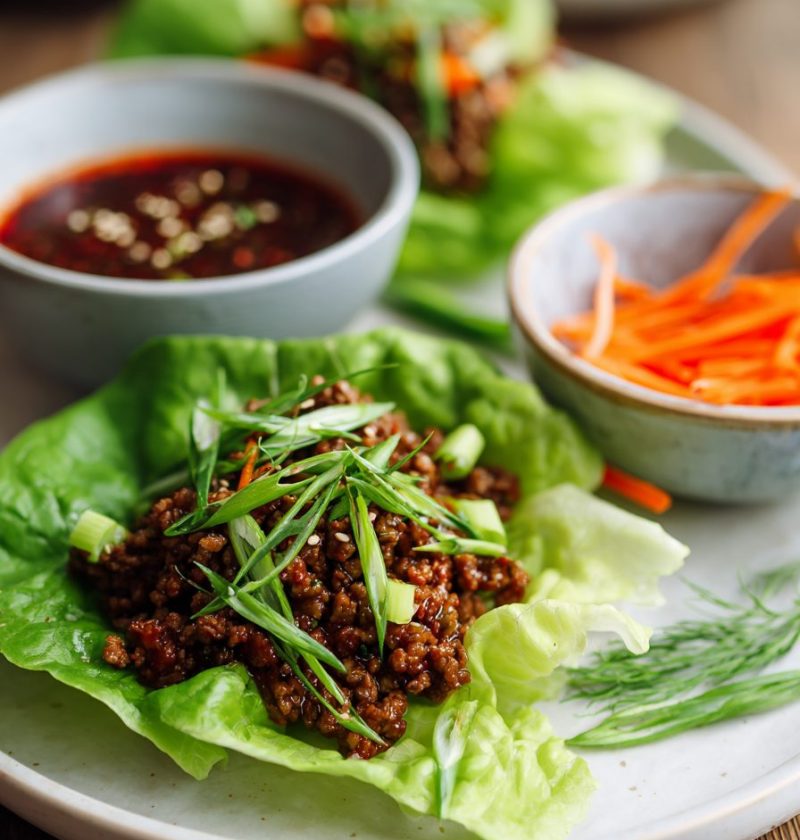
If you love bold flavor but want something light, fresh, and weeknight-friendly, this Lettuce Wrap Recipe With Gochujang Sauce is going to become your new go-to: crisp lettuce, juicy seasoned filling, and a spicy-sweet Korean-inspired sauce that wakes everything right up.
What Makes These Korean-Inspired Lettuce Wraps So Special?
This lettuce wrap recipe with gochujang sauce is my middle-of-the-week compromise between “I want takeout” and “I should probably eat a vegetable.”
We’re talking Korean-inspired lettuce wraps built around a deeply flavorful filling (you can use ground Chicken, turkey, beef, or even tofu) and a punchy, homemade gochujang sauce that hits all the notes: spicy, slightly sweet, garlicky, and just tangy enough. It’s like your favorite restaurant-style Asian lettuce wrap recipe, but lighter and more customizable.
I started making these lettuce wraps years ago when my kids were in high school and we had about twelve minutes between after-school activities and homework meltdowns. I needed something fast, filling, and healthy that still felt a little fun. Wrapping your own food at the table? That always helps.
This version is:
- Protein-packed
- Naturally gluten-free with the right ingredients
- Low carb, depending on what you serve alongside
- And honestly, just really satisfying
Gochujang, if you’re newer to it, is a Korean fermented chili paste. It’s the heart of the spicy gochujang lettuce wraps you see in Korean BBQ restaurants. Here we turn it into a silky gochujang dipping sauce that coats the filling and also works as a drizzle over the top.
It’s one of those meals that feels a bit festive, a bit hands-on, and still comes together quickly enough for a Tuesday night.
Why You’ll Love This Lettuce Wrap Recipe With Gochujang Sauce
- Big flavor, light meal – You get all the richness of Korean spicy lettuce wraps in a fresh, lettuce-forward format.
- 20–25 minutes on the table – Truly an easy lettuce wrap recipe; perfect for busy weeknights.
- Customizable protein – Use ground chicken, turkey, beef, pork, or crumbled tofu; it all works with the gochujang lettuce wrap sauce.
- Naturally low carb – Lettuce stands in for tortillas or rice, but you can absolutely add rice if your family wants it.
- Meal prep friendly – The filling and homemade gochujang sauce keep well, so you can assemble wraps fresh each day.
- Family-friendly heat levels – Make the sauce spicy for the grown-ups and milder for kids with one simple tweak.
- Great “build-your-own” dinner – Put everything in the middle of the table and let everyone make their own Korean lettuce wraps.
- Healthy but not boring – Loads of fresh veggies and lean protein, but every bite is coated in a bold Asian sauce for lettuce wraps.
Ingredients For Korean Lettuce Wraps With Gochujang Sauce
You don’t need anything fancy, just a few staples from the Asian aisle and some fresh produce. Here’s what you’ll need.
For the Lettuce Wrap Filling
- 1 lb (450 g) ground chicken
- You can swap with ground turkey, pork, or beef. For a vegetarian version, use extra-firm tofu (crumbled) or plant-based crumbles.
- 1 tbsp neutral oil (avocado oil, canola, or grapeseed)
- Helps with browning; sesame oil is too strong for this step but we’ll use it in the sauce.
- 1 small yellow onion, finely diced
- Adds sweetness and depth; a shallot works if that’s what you have.
- 3 cloves garlic, minced
- Fresh garlic really matters here—jarred is okay in a pinch, but fresh will taste brighter.
- 1 tsp fresh ginger, grated
- A little goes a long way; you can use ginger paste from a tube for convenience.
- 1 medium carrot, finely shredded or julienned
- Adds color and crunch; you can grab pre-shredded carrots if you’re in a rush.
- 1 cup finely chopped mushrooms (cremini or button)
- They soak up flavor and give that satisfying, slightly meaty texture—even if you’re using lean protein.
- 2 green onions, thinly sliced (white and green parts separated)
- Whites go in the pan, greens on top as a garnish.
- 2 tbsp low-sodium soy sauce or tamari
- Tamari keeps it gluten-free; taste the salt level and adjust as needed.
- 1 tbsp rice vinegar
- Adds brightness and balances the richness.
- 1 tsp toasted sesame oil
- A few drops give that classic “Asian restaurant” aroma.
For the Gochujang Sauce (The Star!)
This is your spicy Korean sauce that doubles as a gochujang dipping sauce and coating for the filling.
- 3 tbsp gochujang (Korean red chili paste)
- Look for brands like Chung Jung One or CJ Haechandle in the Asian aisle or at H Mart; spice levels vary a bit by brand.
- 2 tbsp low-sodium soy sauce or tamari
- Creates a savory base and thins the paste into a sauce.
- 1–2 tbsp honey or maple syrup
- Start with 1 tbsp if you like it spicier; the sweetness rounds out the heat.
- 1 tbsp rice vinegar
- Gives a gentle tang that keeps the sauce from feeling heavy.
- 1 tbsp toasted sesame oil
- Adds aroma and helps the sauce cling to the filling.
- 2–3 tbsp water
- Thins the sauce to drizzling consistency; add more if you like a looser dipping sauce.
- 1 clove garlic, very finely minced or grated
- Raw garlic adds a sharp kick that’s lovely with lettuce.
- 1 tsp grated ginger (optional but recommended)
- Makes it taste more like a restaurant-style gochujang lettuce wrap sauce.
- 1–2 tsp sesame seeds (for texture, optional)
For Serving
- 1 large head of butter lettuce, Boston, or Bibb lettuce
- Choose leaves that are cup-shaped and sturdy; wash and pat very dry so they don’t tear.
- Extra sliced green onions
- Sesame seeds (for garnish)
- Lime wedges or lemon wedges (optional but a nice twist)
- Cooked rice or cauliflower rice (optional, if you want something more filling)
Tip from a mom who’s been the “short order cook” more than once: set out a small bowl of plain rice and some mild soy sauce on the side for kids who may want a less-spicy version.
Directions: How To Make Lettuce Wraps With Gochujang Sauce
1. Prep your veggies and sauce ingredients
Chop your onion, garlic, ginger, carrot, mushrooms, and green onions first. Having everything ready makes the cooking part quick and relaxed.
In a small bowl, add gochujang, soy sauce, honey, rice vinegar, sesame oil, water, garlic, ginger, and sesame seeds. Whisk until it’s smooth and glossy.
Taste a tiny bit. Want it sweeter? Add a bit more honey. Too thick? Whisk in another splash of water. Set it aside—this is your spicy Korean sauce that brings the whole dish together.
2. Cook the aromatics
Heat 1 tbsp neutral oil in a large skillet over medium-high heat.
Add the diced onion and the white parts of the green onion. Sauté for about 3–4 minutes, until they soften and start to look a little translucent.
Stir in the garlic and ginger and cook for another 30 seconds, just until fragrant. Don’t walk away here—garlic burns fast and turns bitter.
3. Brown the protein
Add your ground chicken (or chosen protein) to the skillet. Use a wooden spoon to break it up into small crumbles as it cooks.
Cook for 5–7 minutes, until the meat is no longer pink and has some light browning in spots. A little caramelization = more flavor. If there’s a lot of excess fat, you can spoon some off.
4. Add veggies and seasonings
Add the shredded carrot and chopped mushrooms to the pan. Stir everything together and cook for another 3–4 minutes, until the veggies soften and the mushrooms release their moisture.
Pour in 2 tbsp soy sauce or tamari, 1 tbsp rice vinegar, and 1 tsp sesame oil. Toss to coat, then lower the heat to medium.
At this point, the filling should be well-seasoned but not saucy yet. That’s where the gochujang magic comes in.
5. Add the gochujang lettuce wrap sauce
Give your gochujang sauce a quick stir and pour about two-thirds of it over the filling in the skillet.
Stir well so every bit of meat and vegetable is coated in that spicy-sweet Korean sauce. Let it simmer for 2–3 minutes; the sauce will thicken slightly and cling to the filling.
Taste and adjust:
- Want more heat or flavor? Add the rest of the sauce.
- Want it milder? Save the extra sauce for drizzling at the table.
Stir in the green parts of the green onions (reserve a handful for garnish if you’d like), then take the skillet off the heat.
6. Prep your lettuce cups
While the filling cools just a bit, gently separate your lettuce leaves. Rinse them and pat them very dry with a clean towel or paper towels.
Arrange the leaves on a platter with the filling in a bowl, plus any extras like sesame seeds, extra sauce, lime wedges, and rice.
Dry lettuce is key here—wet leaves make the wraps soggy and slippery.
7. Assemble and serve
To assemble a wrap, spoon a couple of tablespoons of the warm filling into the center of a lettuce leaf.
Drizzle with a little extra gochujang dipping sauce, sprinkle with sesame seeds and green onions, and give it a tiny squeeze of lime if you’re using it.
Fold it like a taco and eat with your hands. It’s a little messy, but that’s half the fun.
Servings & Timing
- Yield: About 4 servings (12–16 lettuce wraps, depending on leaf size)
- Prep Time: 10–15 minutes
- Cook Time: 12–15 minutes
- Total Time: About 25–30 minutes
If you’re serving hungry teenagers or adults with big appetites, I recommend adding rice or a simple cucumber salad on the side.
Variations: Make This Recipe Your Own
A good lettuce wrap recipe is like a blank canvas—here are some fun ways to play with it:
- Veggie-packed version – Add finely chopped zucchini, bell peppers, or water chestnuts for extra crunch and color.
- Vegetarian / vegan – Use crumbled extra-firm tofu or plant-based ground “meat” and swap the honey for maple syrup.
- Extra spicy gochujang lettuce wraps – Stir a pinch of Korean red pepper flakes (gochugaru) or a dab of chili crisp into the sauce.
- Saucy rice bowl – Skip the lettuce and spoon the filling over hot rice with steamed veggies for a quick Korean-inspired rice bowl.
- Peanut twist – Add 1–2 tbsp of creamy peanut butter to the gochujang sauce for a nutty, slightly richer Asian sauce for lettuce wraps.
- Low-carb meal prep – Serve over cauliflower rice with extra lettuce on the side and pack in containers for the week.
Storage & Reheating Tips
The beauty of these Korean lettuce wraps is that they store very well—as long as you keep the components separate.
- Storing the filling:
- Cool completely, then store the cooked filling in an airtight container in the fridge for up to 4 days.
- Storing the gochujang sauce:
- Store any leftover sauce in a small jar or container in the fridge for up to 1 week. It may thicken; thin with a teaspoon of water if needed.
- Storing the lettuce:
- Wash and dry the leaves, then wrap them loosely in paper towels and place in a zip-top bag or container. They’ll keep 2–3 days in the crisper drawer.
Reheating:
- Reheat the filling in a skillet over medium heat with a splash of water, or microwave in 30-second bursts, stirring in between, until warmed through.
- Don’t reheat the lettuce, of course—assemble the wraps with fresh, cold leaves for the best contrast.
Make-ahead advice:
- You can fully cook the filling and make the sauce a day or two ahead.
- Right before serving, just reheat the filling, refresh your lettuce, and dinner is basically done.
Notes From My Kitchen (And My 50-Year-Old Tastebuds)
A few things I’ve learned after making this lettuce wrap recipe with gochujang sauce more times than I can count:
- Balance is everything. Gochujang can be strong. Taste the sauce before adding all of it; you’re looking for a balance of spicy, sweet, salty, and tangy.
- Don’t skip drying the lettuce. I know, it’s one more step, but dry leaves make the biggest difference in how tidy and crisp the wraps feel.
- Use medium heat, not screaming hot. If the pan is too hot when you add the sauce, it can reduce too quickly and taste a bit harsh. A gentle simmer is perfect.
- Adjust for your crowd. When my kids were younger, I used a little less gochujang in the filling and kept extra on the side. Everyone got the level of heat they were comfortable with.
- A little sesame oil goes a long way. I adore that nutty flavor, but more than a tablespoon in the sauce can overpower everything.
- Leftovers are amazing. The flavors actually deepen by day two. I sometimes turn leftover filling into a quick “fried rice” using leftover rice and a fried egg on top.
And one more tiny thing: don’t stress about making it “perfect.” These are meant to be casual, hands-on, and a little rustic.
FAQs About Lettuce Wrap Recipe With Gochujang Sauce
1. How spicy is this recipe?
It’s moderately spicy as written—like a medium salsa. You can reduce the gochujang or add more honey to make it milder.
2. Can I make this gluten-free?
Yes. Use tamari instead of soy sauce and double-check that your gochujang is labeled gluten-free, since some brands contain wheat.
3. What type of lettuce works best for Korean lettuce wraps?
Butter lettuce, Bibb, or Boston lettuce are ideal; they’re tender but sturdy and naturally form little cups. Romaine hearts can work in a pinch.
4. Can I use beef instead of chicken?
Absolutely. Ground beef makes fantastic Korean spicy lettuce wraps. Just drain excess fat so the filling doesn’t become greasy.
5. How can I reduce the carbs even more?
Skip the rice and serve the filling in lettuce cups only, or pair it with cauliflower rice. The recipe is already pretty low carb as-is.
6. Is there a substitute for gochujang?
Gochujang has a unique flavor, but if you truly can’t find it, a mix of chili paste (like sambal oelek), a bit of miso, and honey can mimic some of the taste. Still, if you can, try to track down real gochujang for this recipe.
7. Can I freeze the filling?
Yes, the cooked filling freezes well for up to 2–3 months. Thaw overnight in the fridge, then reheat in a skillet with a splash of water.
8. What can I do if the sauce is too salty?
Add a bit more honey and water and a squeeze of lime or lemon. You can also stir in a spoonful of plain yogurt or sour cream for a creamy, milder dip on the side.
Wrapping It Up (Pun Absolutely Intended)
These Korean-inspired lettuce wraps are everything I want from a weeknight dinner: they’re fast, full of flavor, and feel just a little bit special. The crisp lettuce, the savory filling, and that bold homemade gochujang sauce come together in a way that feels both comforting and fresh.
If you try this Lettuce Wrap Recipe With Gochujang Sauce, let me know how it went—leave a comment with your twists, or tell me which protein your family liked best. And if you’re in the mood for more Asian-inspired weeknight ideas, this one pairs beautifully with simple cucumber salads, pickled veggies, or miso soup for a cozy, takeout-at-home kind of night.
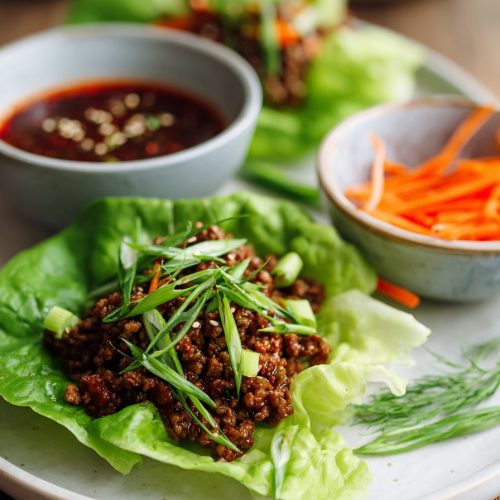
Lettuce Wraps with Gochujang Sauce
Ingredients
- 1 lb ground chicken or ground turkey, pork, beef, or crumbled extra-firm tofu
- 1 tablespoon neutral oil such as avocado, canola, or grapeseed
- 1 small yellow onion finely diced
- 3 cloves garlic minced
- 1 teaspoon fresh ginger grated
- 1 medium carrot finely shredded or julienned
- 1 cup mushrooms cremini or button, finely chopped
- 2 green onions thinly sliced, white and green parts separated
- 2 tablespoons low-sodium soy sauce or tamari for gluten-free
- 1 tablespoon rice vinegar
- 1 teaspoon toasted sesame oil
- 3 tablespoons gochujang Korean red chili paste
- 2 tablespoons low-sodium soy sauce or tamari, for the sauce
- 1-2 tablespoons honey or maple syrup to taste, for the sauce
- 1 tablespoon rice vinegar for the sauce
- 1 tablespoon toasted sesame oil for the sauce
- 2-3 tablespoons water to thin the sauce as needed
- 1 clove garlic very finely minced or grated, for the sauce
- 1 teaspoon fresh ginger grated, optional, for the sauce
- 1-2 teaspoons sesame seeds optional, for the sauce
- 1 large head butter lettuce, Bibb, or Boston lettuce leaves separated, washed, and thoroughly dried
- extra sliced green onions for serving
- sesame seeds for garnish
- lime or lemon wedges optional, for serving
- cooked rice or cauliflower rice optional, for serving
Instructions
- Finely dice the onion, mince the garlic, grate the ginger, shred or julienne the carrot, finely chop the mushrooms, and thinly slice the green onions, keeping the white and green parts separate. In a small bowl, whisk together the gochujang, 2 tablespoons soy sauce or tamari, 1–2 tablespoons honey or maple syrup, 1 tablespoon rice vinegar, 1 tablespoon toasted sesame oil, 2–3 tablespoons water, 1 minced clove of garlic, 1 teaspoon grated ginger (if using), and 1–2 teaspoons sesame seeds until smooth and glossy. Adjust sweetness or thickness with more honey or water as desired and set aside.
- Heat 1 tablespoon neutral oil in a large skillet over medium-high heat. Add the diced yellow onion and the white parts of the green onions and sauté for 3–4 minutes, until softened and translucent. Stir in the minced garlic and grated ginger and cook for about 30 seconds, just until fragrant.
- Add the ground chicken (or your chosen protein) to the skillet. Cook for 5–7 minutes, breaking it up with a wooden spoon into small crumbles, until no longer pink and lightly browned in spots. If there is a lot of excess fat, carefully spoon some off.
- Add the shredded carrot and chopped mushrooms to the skillet. Stir and cook for 3–4 minutes, until the vegetables soften and the mushrooms release their moisture. Pour in 2 tablespoons low-sodium soy sauce or tamari, 1 tablespoon rice vinegar, and 1 teaspoon toasted sesame oil. Toss to coat and reduce the heat to medium. The filling should be well-seasoned but not very saucy at this stage.
- Stir the reserved gochujang sauce and pour about two-thirds of it over the filling in the skillet. Mix well so all the meat and vegetables are evenly coated. Let simmer for 2–3 minutes on medium heat until the sauce thickens slightly and clings to the filling. Taste and add more of the remaining sauce if you want extra heat or flavor, or reserve it for drizzling at the table. Stir in most of the green parts of the green onions, reserving some for garnish if desired, then remove the skillet from the heat.
- While the filling cools slightly, gently separate the lettuce leaves, rinse them, and pat them very dry with a clean kitchen towel or paper towels. Arrange the dry lettuce leaves on a platter. Transfer the warm filling to a serving bowl and place it on the platter along with any remaining gochujang sauce, sesame seeds, extra sliced green onions, lime or lemon wedges, and cooked rice or cauliflower rice if using.
- To eat, place a lettuce leaf in your hand and spoon a couple of tablespoons of the warm filling into the center. Drizzle with extra gochujang sauce if desired, then sprinkle with sesame seeds and sliced green onions and add a small squeeze of lime or lemon. Fold like a taco and enjoy immediately. Repeat with remaining lettuce and filling.