Would you like to save this?
Playdough Recipe Without Cream Of Tartar (Soft, Simple, and Kid-Approved!)
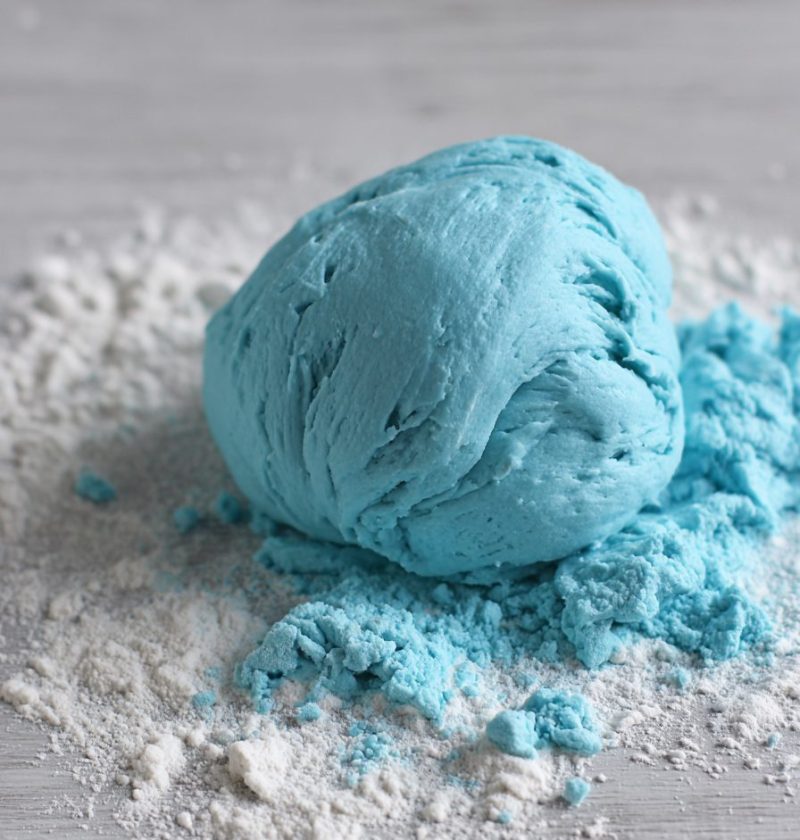
If you’ve been hunting for a Playdough Recipe Without Cream Of Tartar that’s soft, colorful, and easy enough to pull together on a busy afternoon, you’re in exactly the right spot.
As a 50-year-old mom-turned-grandma who’s made more batches of homemade playdough than I can count (some wonderful, some…questionable), I know the panic of realizing you’re out of cream of tartar just as the kids are already pushing chairs up to the counter. This recipe is for those days—and honestly, it’s so good you might find yourself using it even when you do have cream of tartar on hand.
This homemade playdough without cream of tartar uses pantry staples, cooks quickly on the stovetop, and stays soft for days when stored well. We’ll talk about versions with vinegar instead of cream of tartar, a playdough recipe using baking powder, and even a soft, almost-edible variation for toddlers who still “taste-test” everything.
What Makes This Playdough Recipe Without Cream Of Tartar Special?
Let me explain why I love this one so much.
Most classic playdough recipes lean on cream of tartar to help with texture and shelf life. It adds acidity and keeps the dough stretchy instead of crumbly. But the truth is, you can absolutely make a no cream of tartar playdough that’s just as soft and long-lasting by swapping in other acidic ingredients, or by tweaking the salt and oil balance.
This recipe gives you options:
- A basic stovetop playdough without cream of tartar using vinegar
- A variation using lemon juice instead of cream of tartar
- And a simple playdough ingredients no cream of tartar version that uses baking powder
The result? A smooth, squishy, rollable dough perfect for Cookie cutters, plastic knives, and those little hands that just need something to knead while you finish your cup of coffee.
And yes—this is a homemade non-toxic playdough with no cream of tartar. It’s not a snack, but if a tiny bit gets sampled, you’re not calling poison control; you’re handing them some water and gently redirecting them back to the rolling pin.
Why You’ll Love This Easy Playdough Without Cream Of Tartar
- No special ingredients – Everything comes straight from your pantry: flour, salt, oil, and either vinegar, lemon juice, or baking powder.
- Budget-friendly activity – Costs pennies per batch compared to store-bought playdough, especially if you have multiple kids or a classroom.
- Soft and squishy – This soft playdough without cream of tartar stays pliable and smooth when stored properly.
- Custom colors and scents – Use food coloring, gel coloring, or even a drop of kid-safe essential oil for a sensory experience.
- Stovetop method = better texture – A quick cook on the stove helps the dough firm up and last longer than many no-cook versions.
- No cream of tartar, no problem – The playdough recipe with vinegar instead of cream of tartar works beautifully, plus I’ll show lemon juice and baking powder options.
- Kid helper–friendly – Children can help measure, stir (with supervision), and knead once it cools.
- Great for rainy days or screen breaks – Keeps little hands busy and minds calm—perfect for after school or slow weekends.
- Easy to double or triple – Make big batches for birthday parties, playgroups, or preschool classrooms.
Ingredients for Homemade Playdough Without Cream Of Tartar
This base recipe makes about 2 standard-sized balls of playdough (or 3 smaller ones).
Dry Ingredients:
- 2 cups all-purpose flour
- (Plain, unbleached flour works best—bread flour can make it a bit tough.)
- 3/4 cup table salt
- (Yes, that’s a lot of salt; it helps preserve the dough and gives it structure.)
- 2 teaspoons baking powder
- (This helps soften and mimic what cream of tartar usually does.)
Wet Ingredients (Vinegar Version – My Go-To):
- 1 and 1/2 cups water
- 2 tablespoons white vinegar
- (This replaces the cream of tartar—apple cider vinegar works too and adds a faint fruity note.)
- 2 tablespoons vegetable oil
- (Canola, sunflower, or light olive oil are all fine; this keeps the dough soft and easy to knead.)
- Food coloring (4–10 drops, depending on how bright you want it)
- (Liquid or gel both work—gel gives more vivid colors.)
Optional Add-Ins:
- 1–2 teaspoons cornstarch for extra silky texture
- 1 teaspoon glycerin (found near first-aid or cake-decorating supplies) for extra shine and stretch
- A few drops of kid-safe essential oil (like lavender) or vanilla extract for a light scent
- Edible glitter or very fine salt for a sparkly look (if you’re not worried about a bit of mess)

Step-by-Step Directions (Stovetop Playdough Without Cream Of Tartar)
-
Mix your dry ingredients.
In a medium bowl, whisk together the flour, salt, and baking powder until everything looks even. This helps avoid salty pockets in your finished dough. -
Combine the wet ingredients in a saucepan.
In a medium, heavy-bottomed pot, add the water, vinegar, and vegetable oil. If you’re using liquid food coloring for one big color, add it now so the color mixes easily. -
Warm the wet mixture.
Place the saucepan over medium-low heat and warm it gently for 1–2 minutes, just until it feels warm to the touch but not boiling. This helps the dough come together smoothly without lumps. -
Add the dry ingredients to the pan.
Pour the dry mixture into the warm liquid while stirring constantly with a sturdy spatula or wooden spoon. The mixture will look lumpy at first—keep stirring. -
Cook and stir until it thickens.
Continue cooking over medium-low heat, scraping the bottom and sides of the pan. Within 3–5 minutes, the dough will thicken, pull away from the sides, and form a ball. When it starts to clump and no longer looks sticky or glossy, it’s ready. -
Check the texture.
When the dough forms a soft ball and doesn’t smear across the pan, turn off the heat. If it still looks sticky, cook for another 30–60 seconds, stirring well. It’s better to slightly overcook than undercook here. -
Cool before kneading.
Turn the dough out onto a clean countertop, silicone mat, or parchment paper. It will be warm—let it cool for about 5–10 minutes until it’s comfortable to handle. This is a good time to rinse your pot; playdough residue comes off easiest while still warm. -
Knead until smooth.
Once cool enough, knead the dough with clean hands for 2–3 minutes. If it feels sticky, sprinkle on a teaspoon or two of flour and knead it in. If it feels dry or crumbly, add a few drops of oil and keep kneading. -
Add color (if doing multiple colors).
For several colors from one batch, divide the dough into balls. Press a small dent in each ball, add a couple drops of gel or liquid coloring, and fold the dough over itself until the color is even. You may want to wear disposable gloves for deep or dark colors. -
Play, store, and enjoy.
Let the kids go wild with cookie cutters, plastic knives, and stamps. When you’re done, store the playdough in airtight containers or zip-top bags with as much air pressed out as possible.
Servings & Timing
- Yield: About 2 large balls of playdough (enough for 2–4 kids to share)
- Prep Time: 5–10 minutes (gathering ingredients, measuring)
- Cook Time: 5–7 minutes on the stovetop
- Cool Time: 10 minutes
- Total Time: About 20–25 minutes from start to playtime
Easy Variations: Mix It Up for Different Needs
You know what? Once you master this base playdough recipe no cream of tartar, it’s kind of fun to experiment. Here are some of my favorite twists:
-
Playdough recipe with lemon juice instead of cream of tartar
Swap the 2 tablespoons of vinegar for 2–3 tablespoons of lemon juice; it adds a light citrus scent and works beautifully as the acid. -
Playdough recipe using baking powder only
Skip the vinegar or lemon and increase baking powder to 1 tablespoon; you’ll get a softer, slightly puffier dough that’s lovely for very young kids. -
Edible playdough without cream of tartar (for curious toddlers)
Replace the 2 cups of flour with 1 and 1/2 cups flour + 1/2 cup fine oat flour, use extra-virgin olive oil, and skip essential oils—still salty, but a bit more gentle if they sneak a taste. -
Salt dough without cream of tartar (for ornaments and keepsakes)
Use 2 cups flour, 1 cup salt, and just enough water to form a firm dough (no oil); shape, then bake low and slow at 200°F until completely dry. -
Glitter or confetti playdough
Knead in fine glitter, sugar sprinkles, or tiny confetti sequins (for older kids who won’t eat it) for a party-appropriate sensory experience. -
Scented seasonal versions
Add a teaspoon of ground cinnamon for “snickerdoodle” playdough in fall, or a drop of peppermint extract and blue coloring in winter for a “frosty” batch.
Storage & Make-Ahead Tips
A good homemade playdough without cream of tartar can last surprisingly long if stored well.
-
Room Temperature Storage:
Keep the playdough in an airtight container or sealed bag at room temperature for 5–7 days, sometimes longer if your home isn’t very humid. -
Refrigerator Storage:
If your kitchen is warm, store it in the fridge; let it come to room temp before play, and knead it a bit to soften. It can last 2–3 weeks this way. -
Freezer Storage (Short-Term):
You can freeze the dough in a well-sealed bag for 1–2 months. Thaw overnight in the fridge, then bring it to room temperature and knead to restore softness. -
Reviving Dry Playdough:
If it starts to dry out around the edges, knead in a few drops of vegetable oil or water—just a little at a time—until it bounces back. -
Make-Ahead for Parties or Classrooms:
Make the playdough up to 3 days ahead, store it tightly sealed, and knead it briefly right before setting it out for kids. If you’re making different colors, label the bags so you remember what’s what.
Notes from My Kitchen (and My Grandkids’ Play Table)
-
Salt balance matters.
That hefty amount of salt does two big jobs: it acts as a preservative and gives structure, especially since we’re working with a playdough recipe for kids no cream of tartar. Don’t cut it way back or the dough can get sticky and spoil faster. -
Heat is your friend.
When you think the dough is thick enough, give it another 20–30 seconds of cooking. Under-cooked dough stays sticky; a little extra time on low heat improves the texture and shelf life. -
Different flours behave differently.
If your dough feels too sticky, especially in humid climates, don’t hesitate to sprinkle in an extra tablespoon or two of flour as you knead. -
Color first, glitter last.
Mix colors thoroughly before adding glitter or any textured add-ins so you don’t smear glitter all over your counters while you’re still kneading color in. -
Let kids help.
Measuring flour and salt, choosing colors, and kneading cooled dough are all simple jobs kids love. It turns a simple easy playdough without cream of tartar recipe into a full hands-on activity.
FAQs About Playdough Recipe Without Cream Of Tartar
1. Can I really make good playdough with no cream of tartar?
Yes. Using vinegar, lemon juice, or baking powder provides enough acidity and structure to create soft, stretchy playdough that holds up well.
2. Is this homemade non toxic playdough no cream of tartar safe if kids taste it?
It’s non-toxic and made from food ingredients, but it’s very salty and not meant as a snack. A tiny taste is usually fine; encourage them to spit it out and offer water.
3. My playdough is sticky—what did I do wrong?
It’s probably slightly undercooked or your flour absorbed less moisture. Cook it a bit longer next time, and for this batch, knead in a teaspoon of flour at a time until it feels smooth.
4. What if my playdough is too dry and crumbly?
Add a few drops of vegetable oil or a tiny splash of water and knead thoroughly. It usually smooths out after a minute or two.
5. Can I skip the stovetop and make a no-cook version?
You can, but stovetop playdough without cream of tartar tends to last longer and feels smoother. No-cook versions are great in a pinch but usually don’t keep as well.
6. How long will this playdough last?
Stored in an airtight container at room temperature, it usually lasts about a week. In the fridge, 2–3 weeks is common, depending on your climate and how often it’s used.
7. Can I use this as salt dough without cream of tartar for ornaments?
For ornaments, use the salt dough variation I listed above (more salt, no oil) and bake it low and slow until it’s completely hardened.
8. Is this recipe good for toddlers?
Yes, especially the softer, baking-powder-only or “edible playdough without cream of tartar” variation. Always supervise, since toddlers love to chew things that aren’t food.
Wrapping It Up (And Packing It Into Airtight Containers)
This Playdough Recipe Without Cream Of Tartar is simple, budget-friendly, and genuinely fun—for kids and for the grown-ups supervising from the kitchen table with a mug of tea. With basic pantry ingredients and a few minutes on the stovetop, you get soft, colorful, homemade playdough that keeps little hands busy and big imaginations humming.
If you try this recipe—or tweak it into your own favorite version of homemade playdough without cream of tartar—I’d love to hear how it goes. Leave a comment with your kids’ (or students’) favorite colors or variations, and if you found this helpful, you might also enjoy exploring more kid-friendly kitchen projects and DIY sensory play ideas.
Playdough Recipe Without Cream Of Tartar
Ingredients
- 2 cups all-purpose flour plain, unbleached flour works best
- 3/4 cup table salt helps preserve the dough and adds structure
- 2 teaspoons baking powder softens the dough and mimics cream of tartar
- 1 1/2 cups water
- 2 tablespoons white vinegar or apple cider vinegar; replaces cream of tartar
- 2 tablespoons vegetable oil such as canola, sunflower, or light olive oil
- food coloring 4–10 drops, liquid or gel, to desired brightness
- 1 to 2 teaspoons cornstarch optional, for extra silky texture
- 1 teaspoon glycerin optional, for extra shine and stretch
- kid-safe essential oil or vanilla extract optional, a few drops for light scent
- edible glitter or very fine salt optional, for sparkly playdough
Instructions
- In a medium bowl, whisk together the flour, salt, and baking powder until evenly combined. This helps prevent salty pockets in the finished dough.2 cups all-purpose flour, 3/4 cup table salt, 2 teaspoons baking powder
- In a medium, heavy-bottomed saucepan, add the water, vinegar, and vegetable oil. If you are making one single color and using liquid food coloring, add the coloring now so it distributes easily.1 1/2 cups water, 2 tablespoons white vinegar, 2 tablespoons vegetable oil, food coloring
- Place the saucepan over medium-low heat and warm for 1–2 minutes, just until the mixture feels warm to the touch but is not boiling. Gently heating helps the dough come together smoothly without lumps.
- Pour the dry mixture into the warm liquid while stirring constantly with a sturdy spatula or wooden spoon. The mixture will look lumpy at first; keep stirring to combine well.2 cups all-purpose flour, 3/4 cup table salt, 2 teaspoons baking powder
- Continue to cook over medium-low heat, scraping the bottom and sides of the pan as you stir. After about 3–5 minutes, the dough will thicken, pull away from the sides, and form a ball. When it starts to clump and no longer looks sticky or glossy, it is ready.
- When the dough forms a soft ball and does not smear across the pan, turn off the heat. If it still looks sticky, cook for another 30–60 seconds, stirring constantly. It is better to slightly overcook than undercook for the best texture.
- Turn the dough out onto a clean countertop, silicone mat, or sheet of parchment paper. Allow it to cool for about 5–10 minutes until it is comfortable to handle.
- With clean hands, knead the warm dough for 2–3 minutes until smooth and uniform. If it feels sticky, sprinkle on a teaspoon or two of flour and knead in. If it feels dry or crumbly, add a few drops of oil and continue kneading.
- For several colors from one batch, divide the cooled dough into portions. Press a small dent in each portion, add a couple of drops of gel or liquid food coloring, then fold and knead until the color is evenly distributed. Disposable gloves help avoid staining hands with darker colors.food coloring
- If desired, knead in cornstarch for extra silkiness, glycerin for shine and stretch, a few drops of kid-safe essential oil or vanilla for scent, and edible glitter or fine salt for sparkle. Add these after the color is fully mixed so they do not spread everywhere while you knead.1 to 2 teaspoons cornstarch, 1 teaspoon glycerin, kid-safe essential oil or vanilla extract, edible glitter or very fine salt
- Allow children to play with the finished playdough using cookie cutters, plastic knives, and stamps. When finished, store the playdough in airtight containers or zip-top bags with as much air pressed out as possible.
Notes
- Lemon Juice Version: Replace the 2 tablespoons of vinegar with 2–3 tablespoons of lemon juice for a light citrus scent and similar acidity.
- Baking Powder–Only Version: Omit vinegar or lemon and increase baking powder to 1 tablespoon for a softer, slightly puffier dough, ideal for very young kids.
- Softer, Almost-Edible Version: Use 1 1/2 cups all-purpose flour plus 1/2 cup fine oat flour instead of 2 cups flour, choose extra-virgin olive oil, and skip essential oils; still salty but a bit gentler if toddlers taste it.
- Salt Dough for Ornaments: Use 2 cups flour, 1 cup salt, and just enough water to make a firm dough; omit oil. Shape and bake at 200°F (about 95°C) until completely dry.
Storage:
- Room temperature: Store in airtight containers or sealed bags for 5–7 days, longer in a cool, dry climate.
- Refrigerator: Store in the fridge for 2–3 weeks; bring to room temperature and knead to soften before use.
- Freezer: Freeze well-sealed for 1–2 months. Thaw in the fridge, then bring to room temperature and knead.
Reviving: If dough dries out, knead in a few drops of vegetable oil or water. If sticky, knead in a little extra flour.
Notes:
- The higher salt content acts as a preservative and provides structure, especially in a no–cream of tartar recipe.
- Slightly overcooking the dough on low heat improves texture and shelf life.
- Different flours absorb moisture differently; add extra flour by the tablespoon if the dough feels sticky, especially in humid climates.
- Mix color thoroughly before adding glitter or textured add-ins so glitter does not smear around while you knead.