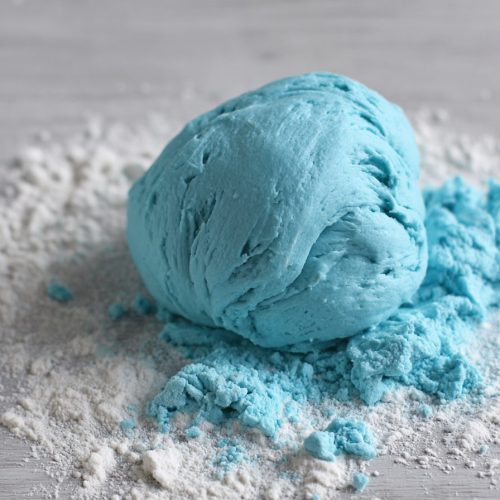
Playdough Recipe Without Cream Of Tartar
A soft, colorful, non-toxic homemade playdough made without cream of tartar, using simple pantry ingredients like flour, salt, oil, and either vinegar, lemon juice, or baking powder. Perfect for kids’ sensory play and easy to customize with colors and scents.
Ingredients
- 2 cups all-purpose flour plain, unbleached flour works best
- 3/4 cup table salt helps preserve the dough and adds structure
- 2 teaspoons baking powder softens the dough and mimics cream of tartar
- 1 1/2 cups water
- 2 tablespoons white vinegar or apple cider vinegar; replaces cream of tartar
- 2 tablespoons vegetable oil such as canola, sunflower, or light olive oil
- food coloring 4–10 drops, liquid or gel, to desired brightness
- 1 to 2 teaspoons cornstarch optional, for extra silky texture
- 1 teaspoon glycerin optional, for extra shine and stretch
- kid-safe essential oil or vanilla extract optional, a few drops for light scent
- edible glitter or very fine salt optional, for sparkly playdough
Instructions
- In a medium bowl, whisk together the flour, salt, and baking powder until evenly combined. This helps prevent salty pockets in the finished dough.2 cups all-purpose flour, 3/4 cup table salt, 2 teaspoons baking powder
- In a medium, heavy-bottomed saucepan, add the water, vinegar, and vegetable oil. If you are making one single color and using liquid food coloring, add the coloring now so it distributes easily.1 1/2 cups water, 2 tablespoons white vinegar, 2 tablespoons vegetable oil, food coloring
- Place the saucepan over medium-low heat and warm for 1–2 minutes, just until the mixture feels warm to the touch but is not boiling. Gently heating helps the dough come together smoothly without lumps.
- Pour the dry mixture into the warm liquid while stirring constantly with a sturdy spatula or wooden spoon. The mixture will look lumpy at first; keep stirring to combine well.2 cups all-purpose flour, 3/4 cup table salt, 2 teaspoons baking powder
- Continue to cook over medium-low heat, scraping the bottom and sides of the pan as you stir. After about 3–5 minutes, the dough will thicken, pull away from the sides, and form a ball. When it starts to clump and no longer looks sticky or glossy, it is ready.
- When the dough forms a soft ball and does not smear across the pan, turn off the heat. If it still looks sticky, cook for another 30–60 seconds, stirring constantly. It is better to slightly overcook than undercook for the best texture.
- Turn the dough out onto a clean countertop, silicone mat, or sheet of parchment paper. Allow it to cool for about 5–10 minutes until it is comfortable to handle.
- With clean hands, knead the warm dough for 2–3 minutes until smooth and uniform. If it feels sticky, sprinkle on a teaspoon or two of flour and knead in. If it feels dry or crumbly, add a few drops of oil and continue kneading.
- For several colors from one batch, divide the cooled dough into portions. Press a small dent in each portion, add a couple of drops of gel or liquid food coloring, then fold and knead until the color is evenly distributed. Disposable gloves help avoid staining hands with darker colors.food coloring
- If desired, knead in cornstarch for extra silkiness, glycerin for shine and stretch, a few drops of kid-safe essential oil or vanilla for scent, and edible glitter or fine salt for sparkle. Add these after the color is fully mixed so they do not spread everywhere while you knead.1 to 2 teaspoons cornstarch, 1 teaspoon glycerin, kid-safe essential oil or vanilla extract, edible glitter or very fine salt
- Allow children to play with the finished playdough using cookie cutters, plastic knives, and stamps. When finished, store the playdough in airtight containers or zip-top bags with as much air pressed out as possible.
Notes
Variations:
- Lemon Juice Version: Replace the 2 tablespoons of vinegar with 2–3 tablespoons of lemon juice for a light citrus scent and similar acidity.
- Baking Powder–Only Version: Omit vinegar or lemon and increase baking powder to 1 tablespoon for a softer, slightly puffier dough, ideal for very young kids.
- Softer, Almost-Edible Version: Use 1 1/2 cups all-purpose flour plus 1/2 cup fine oat flour instead of 2 cups flour, choose extra-virgin olive oil, and skip essential oils; still salty but a bit gentler if toddlers taste it.
- Salt Dough for Ornaments: Use 2 cups flour, 1 cup salt, and just enough water to make a firm dough; omit oil. Shape and bake at 200°F (about 95°C) until completely dry.
Storage:
- Room temperature: Store in airtight containers or sealed bags for 5–7 days, longer in a cool, dry climate.
- Refrigerator: Store in the fridge for 2–3 weeks; bring to room temperature and knead to soften before use.
- Freezer: Freeze well-sealed for 1–2 months. Thaw in the fridge, then bring to room temperature and knead.
Reviving: If dough dries out, knead in a few drops of vegetable oil or water. If sticky, knead in a little extra flour.
Notes:
- The higher salt content acts as a preservative and provides structure, especially in a no–cream of tartar recipe.
- Slightly overcooking the dough on low heat improves texture and shelf life.
- Different flours absorb moisture differently; add extra flour by the tablespoon if the dough feels sticky, especially in humid climates.
- Mix color thoroughly before adding glitter or textured add-ins so glitter does not smear around while you knead.
- Lemon Juice Version: Replace the 2 tablespoons of vinegar with 2–3 tablespoons of lemon juice for a light citrus scent and similar acidity.
- Baking Powder–Only Version: Omit vinegar or lemon and increase baking powder to 1 tablespoon for a softer, slightly puffier dough, ideal for very young kids.
- Softer, Almost-Edible Version: Use 1 1/2 cups all-purpose flour plus 1/2 cup fine oat flour instead of 2 cups flour, choose extra-virgin olive oil, and skip essential oils; still salty but a bit gentler if toddlers taste it.
- Salt Dough for Ornaments: Use 2 cups flour, 1 cup salt, and just enough water to make a firm dough; omit oil. Shape and bake at 200°F (about 95°C) until completely dry.
Storage:
- Room temperature: Store in airtight containers or sealed bags for 5–7 days, longer in a cool, dry climate.
- Refrigerator: Store in the fridge for 2–3 weeks; bring to room temperature and knead to soften before use.
- Freezer: Freeze well-sealed for 1–2 months. Thaw in the fridge, then bring to room temperature and knead.
Reviving: If dough dries out, knead in a few drops of vegetable oil or water. If sticky, knead in a little extra flour.
Notes:
- The higher salt content acts as a preservative and provides structure, especially in a no–cream of tartar recipe.
- Slightly overcooking the dough on low heat improves texture and shelf life.
- Different flours absorb moisture differently; add extra flour by the tablespoon if the dough feels sticky, especially in humid climates.
- Mix color thoroughly before adding glitter or textured add-ins so glitter does not smear around while you knead.
Love this recipe?Follow us at @Recipecs for more