Would you like to save this?
Shortbread Cookies Recipe
Buttery, crisp, and melt-in-your-mouth tender, this Shortbread Cookies Recipe is a simple, eggless classic you can bake with just butter, sugar, and flour—and it never goes out of style.
A Cozy Introduction to Classic Shortbread Cookies
Shortbread cookies are one of those old-fashioned treats that feel like a warm hug from the oven. This is a traditional shortbread recipe with a few small upgrades: real vanilla, a pinch of salt for balance, and just the right mixing method so you get that crisp edge and tender crumb everyone loves.
I’ve been baking homemade shortbread cookies since the late ’90s, when my kids were little and we were forever making “holiday tins” for teachers and neighbors. These buttery shortbread cookies were always the first to disappear—sometimes before they even made it into the tins. Even now, in my 50s, when life feels a bit busier and the holiday season rushes by, I come back to this simple shortbread recipe because it’s reliable, comforting, and easy on my brain.
What makes this Shortbread Cookies Recipe special?
- It uses only a handful of pantry ingredients.
- No eggs, no fancy gadgets, and no complicated chilling schedule.
- The cookies bake up into crisp, buttery cookies with a delicate, sandy texture that practically melts on your tongue.
- The dough works beautifully as a slice and bake cookie dough, which is a lifesaver for gifting or busy weeks.
Shortbread is wonderful all year long, but I especially love it as a holiday Cookie Recipe and for afternoon tea. It plays nicely with coffee, tea, hot cocoa, or even a glass of milk while you’re paying bills at the kitchen table. You know what? Sometimes the simplest buttery dessert recipe is exactly what your day needs.
Why You’ll Love This Shortbread Cookies Recipe
Let me explain why this one earns a permanent spot in your recipe box:
- Only 5 main ingredients – Just butter, sugar, flour, salt, and vanilla; a true butter sugar flour cookie classic.
- Eggless cookie recipe – Perfect if you’re baking for someone with egg allergies, or simply out of eggs.
- Foolproof texture – Crisp edges, tender crumb cookies in the center, and that melt-in-mouth feel.
- Make-ahead friendly – The shortbread cookie dough can chill in the fridge for up to 3 days or freeze for months.
- Slice and bake or press in pan – Shape them as classic Scottish shortbread cookies, wedges, or rounds.
- Great for gifting – They hold their shape, stack beautifully, and stay fresh for days in cookie boxes.
- Customizable flavors – Turn this basic cookie recipe into lemon, chocolate, or nutty variations with tiny tweaks.
- No mixer drama – A hand mixer works great, or you can use a sturdy wooden spoon if you’re feeling old-school.
Ingredients for Buttery Shortbread Cookies
Here’s everything you need to make this classic shortbread cookies recipe. I’ve included a few notes and simple substitutions where they actually help.
-
1 cup (2 sticks / 226 g) unsalted butter, softened
Use good-quality butter; European-style brands (like Kerrygold or Plugrá) give an extra buttery flavor and richness. Butter should be soft but not greasy or melted. -
2/3 cup (80 g) powdered sugar (confectioners’ sugar)
This gives a fine, tender crumb and that “melt in mouth cookies” feel. You can use 1/2 cup (100 g) granulated sugar instead for a slightly crunchier cookie. -
2 cups (240 g) all-purpose flour, spooned and leveled
Don’t pack the flour. Spoon it into the cup and level with a knife to avoid dry, crumbly dough. -
1/4 teaspoon fine sea salt
If you use salted butter, reduce this to a pinch. The salt keeps the sweetness in check. -
1 teaspoon pure vanilla extract
This turns basic vanilla shortbread cookies into something special. Use real vanilla, not imitation, if you can. -
Optional: 1–2 tablespoons cornstarch (8–16 g)
For extra tender crumb cookies, swap 2 tablespoons of the flour for cornstarch. This is a little trick I picked up from some old Scottish shortbread recipes. -
Optional: coarse sugar, for sprinkling
Turbinado or sparkling sugar on top gives a pretty finish and gentle crunch.
If you’re baking a lot during the holidays, this easy shortbread cookies ingredient list is a dream. No eggs, no leaveners. Just pure, simple, buttery goodness.

Step-by-Step Directions (So Simple, You’ll Memorize Them)
1. Prep your pan and oven
Preheat your oven to 325°F (165°C). Line a baking sheet with parchment paper, or lightly butter an 8- or 9-inch round Cake pan or square pan if you’re making wedge-style Scottish shortbread cookies.
Baking at a slightly lower temperature helps the cookies bake evenly and stay pale and tender, instead of browning too fast.
2. Cream the butter and sugar
In a large mixing bowl, beat the softened butter and powdered sugar together for 2–3 minutes, until the mixture looks pale and creamy.
You can use a hand mixer on medium speed. If mixing by hand, use a sturdy spoon and a bit of elbow grease—it’ll warm you up as much as the oven does.
3. Add vanilla and salt
Beat in the vanilla extract and salt until combined.
This step helps distribute the salt evenly so every bite of your buttery shortbread cookies tastes balanced, not flat or overly sweet.
4. Add the dry ingredients
In a separate bowl, whisk together the flour (and cornstarch, if using).
Gradually add the flour mixture to the butter mixture, mixing on low speed or stirring with a spoon, just until the dough comes together and looks like soft, slightly crumbly clumps. It should hold together when you squeeze a bit in your hand.
If the dough looks very dry and won’t clump, your flour may have been packed. Sprinkle in 1–2 teaspoons of milk or cream, one at a time, until it holds together.
5. Shape the dough – two options
You have two easy ways to shape this simple shortbread recipe, and both work well:
A. Slice and bake cookies
- Turn the dough out onto a lightly floured counter.
- Gently press and roll into a log about 2 inches in diameter.
- Wrap tightly in plastic wrap and chill for at least 30–45 minutes, or up to 3 days.
- When ready to bake, slice into 1/4–1/3-inch thick rounds.
B. Pan-style shortbread wedges or bars
- Press the dough evenly into your prepared pan.
- Use the bottom of a measuring cup to smooth the surface.
- With a sharp knife, lightly score wedges (if using a round pan) or bars (if using a square pan). This gives you easy cutting lines later.
You know what? If your dough feels a bit rustic and uneven, that’s part of the charm. This is homemade shortbread cookies, not a factory line.
6. Dock and sprinkle
Whether you’re baking slices or a pan of shortbread, use a fork to gently prick holes on the top of the dough. This helps steam escape and keeps your shortbread flat and even.
If you like, sprinkle the tops with coarse sugar for sparkle.
7. Bake until just set
Bake at 325°F (165°C):
- Slice and bake cookies: 14–18 minutes
- Pan shortbread: 25–35 minutes
You’re looking for pale, set cookies with just a hint of light golden color on the edges. They shouldn’t turn deep brown—otherwise you lose that classic tender texture.
8. Cool and cut
For pan-style shortbread, re-cut along your score marks while the cookies are still warm, then let them cool completely in the pan. They firm up as they cool.
For sliced cookies, let them cool on the baking sheet for 5–10 minutes, then move them to a wire rack.
Once cool, your crisp buttery cookies are ready for tea time, cookie platters, or a quiet moment with a book.
Servings & Timing
- Yield: About 24–30 cookies, depending on thickness and shape
- Prep Time: 15–20 minutes
- Chill Time (for slice-and-bake): 30–45 minutes (or up to 3 days in the fridge)
- Bake Time: 14–35 minutes (based on style and size)
- Total Time: About 1 hour 15 minutes, most of it hands-off cooling and baking
If you’re baking for a gathering, you can easily double this Shortbread Cookies Recipe and bake multiple pans at once—just keep an eye on the edges so they don’t brown too fast.
Easy Variations to Try (Shortbread, But Make It Fun)
Once you’ve made this once or twice, you’ll see how well it works as a base buttery dessert recipe. Here are some fun twists:
- Lemon Zest Shortbread – Add 1 tablespoon fresh lemon zest and 1 teaspoon lemon juice for bright, citrusy teatime cookies.
- Chocolate Chip Shortbread – Fold in 1/2–3/4 cup mini chocolate chips for a kid-friendly version of classic shortbread cookies.
- Almond Shortbread – Swap half the vanilla for almond extract and press a sliced almond on top of each cookie.
- Espresso Shortbread – Mix 1–2 teaspoons instant espresso powder into the flour for grown-up coffee-flavored melt in mouth cookies.
- Cinnamon Sugar Shortbread – Sprinkle the top with a mix of cinnamon and sugar before baking for cozy, snickerdoodle-style flavor.
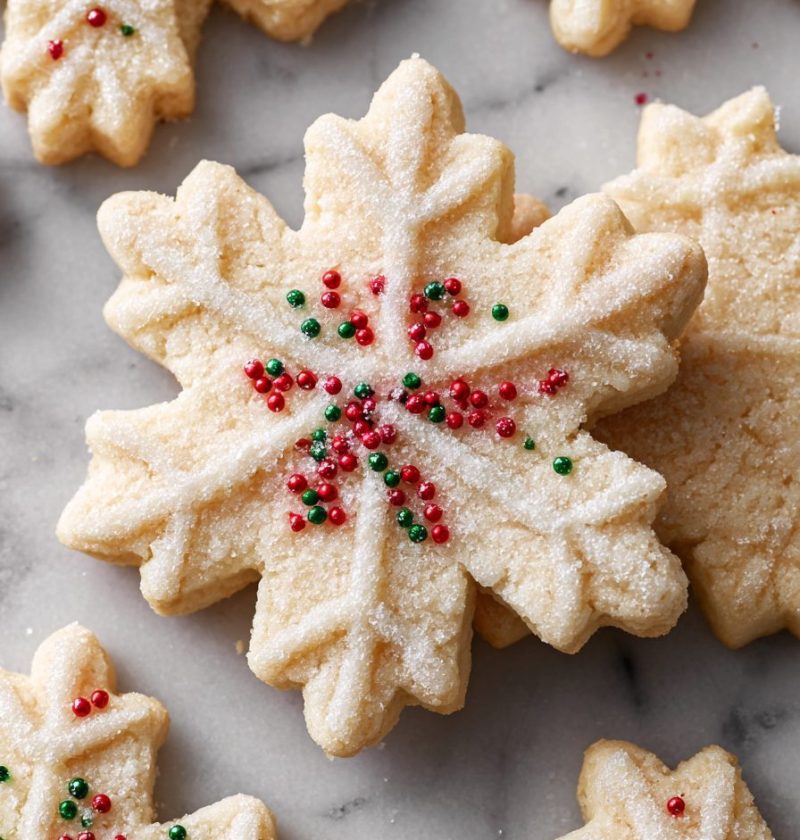
- Holiday Sprinkle Shortbread – Gently press colorful sprinkles into the tops before baking—perfect for a holiday cookie recipe kids can help decorate.
How to Store, Freeze, and Make Ahead
Shortbread is wonderfully low maintenance, which is one reason I reach for it during busy seasons.
Storing baked shortbread cookies
- Keep baked cookies in an airtight container at room temperature for 5–7 days.
- Separate layers with parchment to protect the delicate edges.
- They actually taste even better on day two as the flavors settle.
Freezing baked cookies
- Freeze in a well-sealed container or freezer bag for up to 2 months.
- Thaw at room temperature, uncovered, so excess moisture doesn’t make them soft.
Freezing shortbread cookie dough
- For slice and bake cookies, freeze the dough log tightly wrapped in plastic and foil for up to 2 months.
- Let it sit in the fridge overnight before slicing, or soften at room temperature just until a sharp knife can cut through it.
Make-ahead tips
- Mix the shortbread cookie dough on a quiet Sunday, wrap and chill it, then bake fresh cookies later in the week whenever you want warm easy shortbread cookies.
- For holiday gift boxes, bake 2–3 days ahead—shortbread travels and stores much better than many softer cookies.
Notes from My Kitchen (Little Things That Make a Big Difference)
- Temperature of butter matters. If your butter is too cold, the dough may be dry and patchy. Too warm and the cookies can spread. You want it soft enough to press a finger in, but it should still hold its shape.
- Measure flour gently. Heavy-handed measuring is the number one reason shortbread cookies turn dense and chalky. Spoon and level, or use a scale if you have one.
- Don’t overmix the dough. Once the flour goes in, mix just until it comes together. Overworking, especially by machine, develops gluten and makes tougher cookies.
- Pale is good. I know it’s tempting to bake “just a little longer,” but for shortbread, pale and set is better than golden brown. A deeper color turns the flavor more toasted and less buttery.
- Use parchment for neat edges. If you’re pressing dough into a pan, line it with parchment and leave some overhang so you can lift the whole slab out for easy cutting.
- Flavor blooms over time. These traditional shortbread cookies often taste even better the next day, making them ideal for make-ahead trays and tins.
I tested this Shortbread Cookies Recipe many times over the years, playing with sugar types and baking times. Powdered sugar plus a gentle bake at 325°F keeps coming out on top for that tender, classic texture.
Frequently Asked Questions (FAQs)
1. Can I use salted butter instead of unsalted?
Yes—just reduce the added salt to a small pinch. Taste the dough; if it seems salty, add a tiny bit more sugar.
2. Why did my shortbread cookies spread in the oven?
Your butter may have been too soft or warm, or the dough wasn’t chilled. Next time, chill the shaped dough for 20–30 minutes before baking.
3. Why is my shortbread dry and crumbly?
Usually it’s from too much flour. Measure gently or use a scale, and if the dough still won’t hold together, add 1–2 teaspoons milk or cream.
4. Can I make this shortbread gluten-free?
Yes, use a good-quality 1:1 gluten-free baking flour blend; the texture will be a bit more delicate but still delicious.
5. Is this really an eggless cookie recipe?
Yes, there are no eggs in classic shortbread cookies, which makes them great for people with egg allergies or those short on fridge staples.
6. Can I add nuts or dried fruit?
Absolutely—chopped pecans, almonds, pistachios, or finely chopped dried cranberries work well; keep add-ins to about 1/2–3/4 cup total.
7. How do I keep my shortbread crisp?
Store the cookies in an airtight container away from moisture and don’t crowd them with very moist cookies (like chewy Brownies) in the same tin.
8. Can I double this Shortbread Cookies Recipe?
Yes, it doubles very well. Just use multiple pans and rotate them halfway through baking so everything cooks evenly.
A Sweet Little Wrap-Up
This Shortbread Cookies Recipe is simple enough for a Tuesday afternoon, but special enough for Christmas tins, bridal showers, or a quiet tea party with a friend. With its buttery flavor, delicate crunch, and short ingredient list, it’s the kind of basic cookie recipe that anchors a whole collection of treats.
If you make these shortbread cookies, I’d love to hear how they turned out—tell me your favorite variation, or how you served them. And if you’re in the mood to keep baking, try pairing them with a batch of chocolate cookies or a chewy bar recipe for a mixed cookie tray that really feels like home.
Shortbread Cookies
Ingredients
- 1 cup unsalted butter 2 sticks / 226 g, softened (not melted)
- 2/3 cup powdered sugar 80 g; also called confectioners’ sugar
- 2 cups all-purpose flour 240 g, spooned and leveled
- 1/4 teaspoon fine sea salt use just a pinch if using salted butter
- 1 teaspoon pure vanilla extract
- 1 tablespoon cornstarch 8–16 g, optional; swap 1–2 tbsp of the flour for cornstarch for extra tenderness
- coarse sugar such as turbinado or sparkling sugar, optional for sprinkling
- 1 teaspoon milk or cream optional; use 1–2 teaspoons only if dough is too dry to clump
Instructions
- Preheat your oven to 325°F (165°C). Line a baking sheet with parchment paper for slice-and-bake cookies, or lightly butter (or line with parchment) an 8- or 9-inch round or square baking pan if making pan-style wedges or bars.
- In a large mixing bowl, beat the softened unsalted butter and powdered sugar together for 2–3 minutes, until the mixture looks pale, smooth, and creamy. Use a hand mixer on medium speed or a sturdy wooden spoon if mixing by hand.1 cup unsalted butter, 2/3 cup powdered sugar
- Beat in the vanilla extract and fine sea salt until fully combined, so the flavor and seasoning are evenly distributed throughout the dough.1/4 teaspoon fine sea salt, 1 teaspoon pure vanilla extract
- In a separate bowl, whisk together the all-purpose flour and cornstarch (if using). Gradually add this dry mixture to the butter mixture, mixing on low speed or stirring by hand just until the dough comes together into soft, slightly crumbly clumps that hold when pressed in your hand. If the dough is very dry and won’t clump, sprinkle in 1–2 teaspoons of milk or cream, a little at a time, just until it holds together.2 cups all-purpose flour, 1 tablespoon cornstarch, 1 teaspoon milk or cream
- For slice-and-bake cookies: Turn the dough out onto a lightly floured surface. Gently press and roll it into a log about 2 inches (5 cm) in diameter. Wrap the log tightly in plastic wrap and chill for 30–45 minutes, or up to 3 days, until firm. When ready to bake, slice the chilled dough into 1/4–1/3-inch thick rounds and place them on the prepared baking sheet, spacing them slightly apart.
- For pan-style wedges or bars: Press the dough evenly into the prepared round or square pan. Use the bottom of a measuring cup or glass to smooth the surface. With a sharp knife, lightly score the dough into wedges (for a round pan) or bars (for a square pan) so it will be easier to cut clean pieces after baking.
- Use a fork to gently prick (dock) the tops of the cookies or the surface of the pan of dough to help steam escape and keep the shortbread flat and even. If desired, sprinkle the tops lightly with coarse sugar for sparkle and extra crunch.coarse sugar
- Bake at 325°F (165°C) until pale and set with just a hint of light golden color at the edges. For slice-and-bake cookies, bake 14–18 minutes. For pan shortbread, bake 25–35 minutes. Do not let the cookies turn deep brown; they should remain mostly pale for a tender, classic shortbread texture.
- For pan-style shortbread, remove from the oven and immediately re-cut along the score lines while still warm. Let cool completely in the pan so the cookies can firm up, then lift out (if using parchment) and separate the pieces. For sliced cookies, let them cool on the baking sheet for 5–10 minutes, then transfer to a wire rack to cool completely before serving.
Notes
Time: Prep 15–20 minutes; chill for slice-and-bake 30–45 minutes; bake 14–35 minutes depending on style; total about 1 hour 15 minutes, much of it hands-off.
Storage: Store baked shortbread in an airtight container at room temperature for 5–7 days, separating layers with parchment. They often taste even better on day two as the flavor develops.
Freezing: Freeze baked cookies for up to 2 months and thaw at room temperature, uncovered. For make-ahead, shape the dough into a log for slice-and-bake, wrap tightly, and freeze up to 2 months; thaw in the fridge until sliceable.
Tips: Use properly softened butter (soft but not greasy), measure flour by weight or by spoon-and-level to avoid dry, crumbly cookies, and avoid overmixing once the flour is added. Shortbread should be pale, not deeply browned.
Variations:
- Lemon Zest Shortbread: Add 1 tbsp lemon zest and 1 tsp lemon juice with the vanilla.
- Chocolate Chip Shortbread: Fold 1/2–3/4 cup mini chocolate chips into the finished dough.
- Almond Shortbread: Replace half the vanilla with almond extract; press a sliced almond on each cookie before baking.
- Espresso Shortbread: Add 1–2 tsp instant espresso powder to the flour.
- Cinnamon Sugar Shortbread: Sprinkle tops with cinnamon sugar before baking.
- Holiday Sprinkle Shortbread: Press colorful sprinkles into the tops before baking.