Would you like to save this?
Sushi Bowl Recipe (Easy, Fresh & Better Than Takeout!)
If you love sushi but don’t always feel like rolling tiny, fussy maki at your kitchen counter, this Sushi Bowl Recipe is about to be your new weeknight favorite—fresh, healthy, no baking, and totally customizable.
What Is a Sushi Bowl, Anyway?
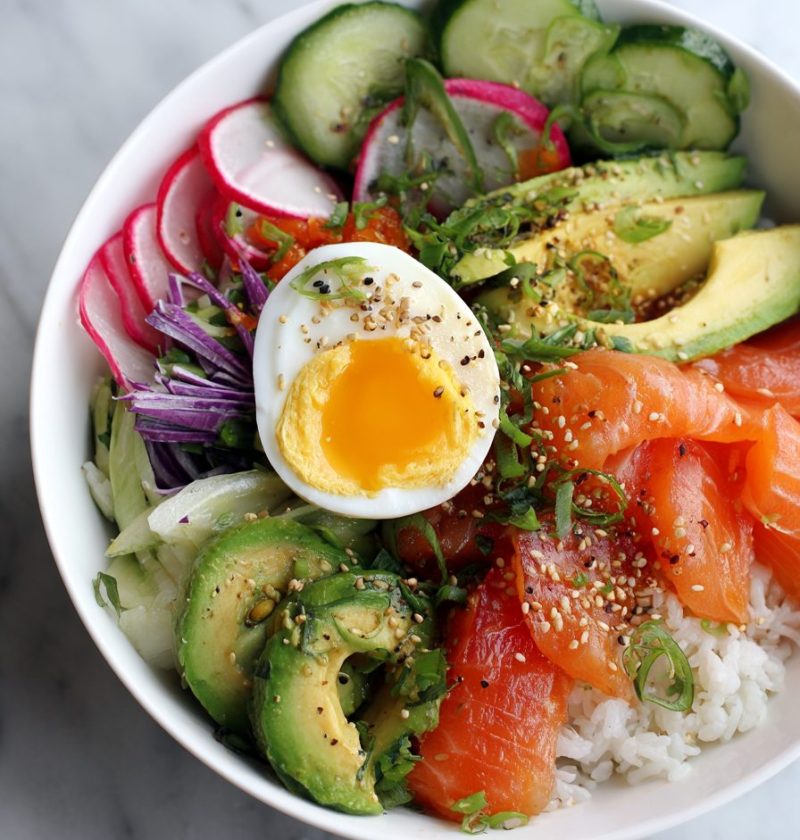
Think of this Sushi Bowl Recipe as a deconstructed sushi roll that jumped into a cozy bowl and decided to stay awhile. Instead of rolling nori sheets, you layer seasoned sushi rice, fresh fish or veggies, crunchy cucumber, creamy avocado, and classic toppings like seaweed, soy sauce, and sesame seeds. It’s a sushi rice bowl with all the flavors you love—just easier to make and way more forgiving.
I started making deconstructed sushi bowls when my kids were teenagers and always “starving” at 5 p.m. We didn’t have a good sushi place nearby, and I certainly wasn’t rolling 40 pieces of salmon sushi at home on a Tuesday. So I took the same flavors—rice, fish, soy sauce, wasabi, and a little mayo—and built them in layers. Suddenly, everyone had a big, colorful poke‑style sushi bowl in front of them, and dinner was quiet…because they were too busy eating.
This version leans healthy, with lots of veggies, protein-rich fish (or tofu), and just enough spicy sauce to make it interesting. Whether you prefer a salmon sushi bowl, tuna sushi bowl, or a totally vegetarian sushi bowl, this flexible Japanese rice bowl is easy to tweak to your taste and your pantry.
Why You’ll Love This Sushi Bowl Recipe
- All the sushi flavor, zero rolling: No bamboo mat, no fragile nori rolls—just scoop, layer, and eat.
- Quick weeknight dinner: With a little prep, this quick sushi bowl can hit the table in about 30 minutes.
- Super customizable: Make a seafood sushi bowl, a spicy sushi bowl, or a veggie-packed version for plant-based friends.
- Great for meal prep: The rice and toppings can be prepped ahead, making sushi bowl meal prep perfect for busy weeks.
- Naturally balanced and healthy: Carbs from rice, protein from fish or tofu, good fats from avocado, plus plenty of veggies.
- Budget-friendly “takeout”: Homemade sushi bowls cost a fraction of restaurant poke or sushi.
- Gluten-free friendly: Use tamari instead of soy sauce and you’ve got an easy gluten-free dinner.
- Fun build-your-own bar: Set out toppings and let everyone build their own sushi bowl with avocado, cucumber, seaweed, and more.
Ingredients for the Best Sushi Bowl Recipe
You don’t need fancy tools, but you do need fresh ingredients. Here’s what I recommend for 4 generous bowls.
For the Sushi Rice
- 2 cups uncooked short-grain sushi rice
- (Look for bags labeled “sushi rice” or “short-grain Japanese rice.” It should look short and slightly plump.)
- 2 ¼ cups water
- 3 tablespoons rice vinegar (unseasoned, if possible)
- 1 ½ tablespoons sugar
- 1 teaspoon fine sea salt
For the Protein (Choose 1–2)
- 8 ounces sushi-grade salmon, skin removed, cut into small cubes
- (Ask your fishmonger for “sashimi grade” or use frozen sushi-grade from brands like Costco’s or online seafood sources.)
- 8 ounces sushi-grade tuna, cut into cubes
- (You can do half salmon sushi bowl, half tuna sushi bowl—kids love choosing.)
- OR 14 ounces extra-firm tofu, pressed and cubed, for a vegetarian sushi bowl
- Optional: 8 ounces cooked shrimp or crab meat for extra seafood sushi bowl variety
For the Marinade / Sauce
- 3 tablespoons low-sodium soy sauce (or tamari for gluten-free)
- 1 tablespoon rice vinegar
- 1 tablespoon toasted sesame oil
- 1–2 teaspoons sriracha or other hot sauce (more for a spicy sushi bowl)
- 1 tablespoon mayonnaise (Kewpie if you can find it; it’s extra creamy)
- 1 teaspoon honey or sugar (balances the saltiness)
Fresh Veggies & Toppings
- 1 large avocado, sliced or cubed
- 1 cup cucumber, thinly sliced or cut into matchsticks
- (Persian or English cucumbers work best—fewer seeds, crisp texture.)
- 1 cup shredded carrots or thinly sliced
- 1 cup edamame, cooked and cooled (shelled)
- 2 sheets nori seaweed, cut into thin strips or crumbled
- (You can also use seaweed snack strips; they’re convenient and tasty.)
- 2–3 green onions, thinly sliced
- 1 tablespoon toasted sesame seeds (white, black, or a mix)
- Pickled ginger, for serving (optional but very “sushi restaurant”)
- Wasabi paste, for serving (optional, for heat lovers)
Optional Garnishes
- Extra soy sauce or tamari, for drizzling
- Furikake seasoning (a Japanese rice seasoning with seaweed, sesame, etc.)
- Lime or lemon wedges, for a bright finish
You know what? If this list feels long, remember: you don’t need everything. A truly easy sushi bowl can be just rice, fish, soy sauce, cucumber, and avocado. The rest are fun extras.
Directions: How To Make a Deconstructed Sushi Bowl
1. Rinse and Cook the Rice
Rinse the sushi rice under cold water in a fine-mesh strainer, swishing with your hand, until the water runs mostly clear. This removes extra starch and keeps your rice from turning gummy.
Add the rinsed rice and 2 ¼ cups water to a pot or rice cooker. If using a pot, bring to a gentle simmer, cover, and cook on low for 15–18 minutes, until the water is absorbed. Turn off the heat and let it sit, covered, for another 10 minutes. This rest gives you fluffy, tender sushi rice.
2. Season the Sushi Rice
While the rice cooks, stir together rice vinegar, sugar, and salt in a small bowl until the sugar dissolves.
Transfer the hot rice to a wide bowl (a shallow dish cools it faster). Gently drizzle the vinegar mixture over the rice and fold with a rice paddle or spatula—use a cutting and turning motion rather than stirring aggressively. You want to keep those grains intact.
Let the seasoned rice cool to warm or room temperature. Sushi rice that’s too hot can wilt your toppings.
3. Prep the Protein
If you’re making a salmon sushi bowl or tuna sushi bowl, cut the sushi-grade fish into small bite-sized cubes. If using tofu, press it between paper towels or a clean kitchen towel for 15–20 minutes to remove excess moisture, then cube it.
You can sear tofu in a little oil if you like a browned edge, or keep it plain for a lighter healthy sushi bowl.
4. Mix the Marinade / Sauce
In a medium bowl, whisk together soy sauce, rice vinegar, sesame oil, sriracha, mayonnaise, and honey. Taste and adjust—add more heat for a spicy sushi bowl, or another pinch of sugar if you like a sweeter sauce.
Set aside a tablespoon or two of this mixture for drizzling over finished bowls later.
5. Marinate the Protein (If Using Raw Fish or Tofu)
Add the cubed salmon, tuna, or tofu to the sauce and gently stir to coat. Let it marinate in the fridge for 10–15 minutes while you prep the veggies. This is where that poke-style sushi bowl flavor comes in—savory, slightly tangy, and rich.
If you’re using cooked shrimp or crab, you can toss them lightly in the sauce just before serving so they don’t get rubbery.
6. Chop the Veggies and Toppings
While the protein chills, slice your avocado, cucumbers, carrots, and green onions. Cook the edamame if it isn’t already (a quick 3–4 minutes in boiling water, then rinse with cold water).
Cut or tear the seaweed sheets into thin strips. I like to stack them, roll them up like a cigar, then slice—easy little ribbons. Or crumble seaweed snacks with your hands for a more rustic look.
7. Assemble Your Sushi Bowls
Divide the sushi rice among 4 bowls. Fluff it lightly with a fork or rice paddle before scooping.
Top each rice base with marinated fish or tofu, arranging it slightly off-center. Then nestle in piles of cucumber, avocado, carrots, and edamame. Don’t worry about fancy styling; colorful clusters naturally look pretty.
Sprinkle with green onions, sesame seeds, and seaweed. Drizzle a little of the reserved sauce and/or a touch of soy sauce on top. Add pickled ginger and a tiny dab of wasabi on the side if you like that sushi restaurant feel.
8. Taste and Adjust at the Table
Give the bowl one last look—does it need more crunch? Add more cucumber or carrots. A little more salt? Splash on soy sauce. More richness? Extra drizzle of sesame oil or mayo-based spicy sauce does the trick.
Serve right away while the rice is still slightly warm and the toppings are cool and fresh. That contrast is lovely.
Servings & Timing
- Yield: About 4 generous sushi bowls
- Prep Time: 20–25 minutes (a bit of chopping and sauce mixing)
- Cook Time: 20 minutes for the rice
- Total Time: About 40–45 minutes (less if you multitask and prep while the rice cooks)
If you’re meal-prepping or you’ve made sushi bowls before, you can easily shorten the hands-on time to around 25–30 minutes.
Variations: Make This Sushi Bowl Recipe Your Own
- Spicy Tuna Sushi Bowl: Use only tuna, double the sriracha in the sauce, and add a little extra mayo for that creamy, spicy sushi vibe.
- Vegetarian Sushi Bowl: Skip the fish and use tofu or edamame as the main protein; load up on avocado, cucumber, and carrots.
- Brown Rice Sushi Bowl: Use short-grain brown rice and cook it longer for a heartier, high-fiber base—still season with vinegar, sugar, and salt.
- Sushi Bowl with Mango: Add diced ripe mango or pineapple for a sweet, tropical twist that pairs beautifully with salmon or shrimp.
- Low-Carb Sushi Bowl: Swap half (or all) of the sushi rice with cauliflower rice; warm it slightly and season it the same way for familiar flavors with fewer carbs.
- Soy-Free Sushi Bowl: Use coconut aminos instead of soy sauce and a little extra salt to balance the sweetness.
Storage & Reheating Tips
Because this is a sushi-style dish, storage needs a little extra care.
- Rice: Store leftover sushi rice in an airtight container in the fridge for up to 2 days. It may firm up; sprinkle with a teaspoon of water, cover, and gently reheat in the microwave just until warm—not hot.
- Fish: Raw marinated fish is best eaten the same day. If you must keep it, refrigerate it in a sealed container and eat within 24 hours. After that, it’s a food safety risk.
- Veggies & Toppings: Store chopped cucumbers, carrots, edamame, and green onions separately in the fridge for 3–4 days. Avocado should be sliced fresh; it browns quickly.
- Meal Prep Strategy: For sushi bowl meal prep, keep rice, protein, and veggies in separate containers. Assemble bowls just before eating so the textures stay nice.
- Freezer: I don’t recommend freezing this recipe—rice texture suffers and raw fish doesn’t freeze/refreeze safely once thawed for eating.
Notes From My Kitchen (A 50-Year-Old Home Cook’s Perspective)
- Rice texture matters: When I rushed the resting time once, my sushi rice turned out a bit firm in the middle. Giving that extra 10 minutes off the heat really makes a difference.
- Don’t drown the rice: It’s tempting to pour a ton of soy sauce on your bowl, but remember the sauce and seasoned rice already add flavor. Start small, then add more if needed.
- Fish quality is key: If you’re nervous about raw fish, that’s completely understandable. Start with cooked shrimp or seared salmon. Or do a half-and-half bowl: some raw, some cooked, and see what you enjoy.
- Kids’ version: When my kids were younger, I’d skip the spicy sauce for theirs and serve it on the side. I also cut everything a little smaller, almost like rainbow confetti on top of the rice—they loved that.
- Leftover-friendly: Leftover rice from a previous night? Revive it with a splash of water and a quick steam, then season with vinegar, sugar, and salt. It’s not “perfect” sushi rice, but it works beautifully for a quick sushi bowl.
- Seaweed shortcuts: If wrestling with full nori sheets feels annoying, use roasted seaweed snack packs. Just crumble them right over the bowl—easy, crunchy, salty.
FAQs About Sushi Bowl Recipes
1. Can I use regular long-grain rice instead of sushi rice?
You can, but the texture won’t be as sticky or authentic. Short-grain sushi rice or at least medium-grain rice gives you that classic sushi feel.
2. Is it safe to eat raw fish at home in a sushi rice bowl?
Use sushi-grade fish from a trusted source, keep it cold, and eat it the same day. If you have any doubts, use cooked shrimp, crab, or tofu instead.
3. Can I make this Sushi Bowl Recipe ahead for lunches?
Yes—with a twist. Prep and store the rice, veggies, and sauce separately. Add avocado and any raw fish right before eating, especially if you’re packing it for work.
4. How do I keep avocado from browning?
Toss avocado with a little lemon or lime juice and store it tightly covered, touching plastic wrap or in a small jar with minimal air. Still, it’s best sliced fresh.
5. What can I use instead of soy sauce?
Coconut aminos give a milder, slightly sweeter flavor. Tamari is great if you’re gluten-free and want that classic soy taste.
6. Do I have to marinate the fish or tofu?
No, but it adds flavor. If you’re short on time, just drizzle the sauce over the top of your bowl instead of marinating.
7. Can I serve this sushi bowl warm?
Yes! I like the rice slightly warm and the toppings cool. Just don’t heat the raw fish; keep that part chilled.
8. How do I make the bowl extra spicy?
Add more sriracha or a spoonful of chili crisp to the sauce, and serve extra on the side. A tiny dab of wasabi stirred into soy sauce also gives a nice kick.
Wrapping It Up (And Grabbing a Spoon)
This Sushi Bowl Recipe gives you everything you love about sushi—tender seasoned rice, fresh toppings, salty soy sauce, nutty sesame seeds—without any fussy rolling or special tools. It’s a quick sushi bowl that’s flexible enough for busy weeknights, cozy weekends, and even a “build-your-own” bar for friends.
Give it a try this week, then come back and tell me: are you Team Salmon, Team Tuna, or Team Vegetarian Sushi Bowl? If you enjoyed this, you might also like playing around with other easy Japanese rice bowl ideas or poke-style seafood bowls—once you start, it’s hard to go back to plain rice.
Sushi Bowl (Easy, Fresh & Better Than Takeout!)
Ingredients
- 2 cups short-grain sushi rice uncooked; look for bags labeled “sushi rice” or “short-grain Japanese rice”
- 2 1/4 cups water
- 3 tablespoons rice vinegar unseasoned, if possible, for rice
- 1 1/2 tablespoons sugar for seasoning the sushi rice
- 1 teaspoon fine sea salt for seasoning the sushi rice
- 8 ounces sushi-grade salmon skin removed, cut into small cubes
- 8 ounces sushi-grade tuna cut into small cubes
- 14 ounces extra-firm tofu pressed to remove excess moisture and cubed; use instead of fish for vegetarian bowls
- 8 ounces cooked shrimp or crab meat optional, for extra seafood variety
- 3 tablespoons low-sodium soy sauce or tamari for gluten-free; for marinade/sauce
- 1 tablespoon rice vinegar for marinade/sauce
- 1 tablespoon toasted sesame oil
- 1-2 teaspoons sriracha or other hot sauce more for a spicier bowl
- 1 tablespoon mayonnaise Kewpie if available; for marinade/sauce
- 1 teaspoon honey or sugar to balance the saltiness in the sauce
- 1 large avocado sliced or cubed
- 1 cup cucumber thinly sliced or cut into matchsticks; Persian or English cucumbers work best
- 1 cup carrots shredded or thinly sliced
- 1 cup edamame cooked, cooled, and shelled
- 2 sheets nori seaweed cut into thin strips or crumbled; seaweed snack strips also work
- 2-3 green onions thinly sliced
- 1 tablespoon toasted sesame seeds white, black, or a mix
- pickled ginger optional, for serving
- wasabi paste optional, for serving
- extra soy sauce or tamari optional, for drizzling at the table
- furikake seasoning optional Japanese rice seasoning with seaweed and sesame
- lime or lemon wedges optional, for serving
Instructions
- Rinse the sushi rice under cold water in a fine-mesh strainer, swishing with your hand, until the water runs mostly clear to remove excess starch. Add the rinsed rice and 2 1/4 cups water to a pot or rice cooker. If using a pot, bring to a gentle simmer, cover, and cook on low for 15–18 minutes, until the water is absorbed. Turn off the heat and let it sit, covered, for another 10 minutes to finish steaming.2 cups short-grain sushi rice, 2 1/4 cups water
- While the rice cooks, stir together 3 tablespoons rice vinegar, 1 1/2 tablespoons sugar, and 1 teaspoon fine sea salt in a small bowl until the sugar dissolves. Transfer the hot cooked rice to a wide bowl. Drizzle the vinegar mixture over the rice and gently fold using a cutting and turning motion to avoid smashing the grains. Let the seasoned rice cool to warm or room temperature so it doesn’t wilt the toppings.3 tablespoons rice vinegar, 1 1/2 tablespoons sugar, 1 teaspoon fine sea salt
- Cut the sushi-grade salmon and tuna into small bite-sized cubes. If using tofu, press it between paper towels or a clean kitchen towel for 15–20 minutes to remove excess moisture, then cube it. If desired, lightly sear the tofu in a little oil for browned edges, or leave it plain for a lighter bowl. If using cooked shrimp or crab, ensure it is fully cooked, cooled, and cut into bite-sized pieces if large.8 ounces sushi-grade salmon, 8 ounces sushi-grade tuna, 14 ounces extra-firm tofu, 8 ounces cooked shrimp or crab meat
- In a medium bowl, whisk together soy sauce (or tamari), 1 tablespoon rice vinegar, toasted sesame oil, sriracha or other hot sauce, mayonnaise, and honey or sugar. Taste and adjust: add more sriracha for a spicier sauce or a pinch more sweetener if you prefer it slightly sweeter. Set aside 1–2 tablespoons of this mixture for drizzling over the finished bowls.3 tablespoons low-sodium soy sauce, 1 tablespoon rice vinegar, 1 tablespoon toasted sesame oil, 1-2 teaspoons sriracha or other hot sauce, 1 tablespoon mayonnaise, 1 teaspoon honey or sugar
- Add the cubed salmon, tuna, or tofu to the bowl with the sauce and gently stir to coat all sides. Marinate in the refrigerator for 10–15 minutes while you prepare the vegetables and toppings. If using cooked shrimp or crab, toss it lightly with some of the sauce just before serving to avoid a rubbery texture.8 ounces sushi-grade salmon, 8 ounces sushi-grade tuna, 14 ounces extra-firm tofu, 8 ounces cooked shrimp or crab meat
- Slice or cube the avocado. Thinly slice or julienne the cucumber and carrots. If needed, cook the edamame in boiling water for 3–4 minutes, then drain and rinse with cold water. Thinly slice the green onions. Cut or tear the nori sheets into thin strips or crumble seaweed snack sheets into small pieces.1 large avocado, 1 cup cucumber, 1 cup carrots, 1 cup edamame, 2 sheets nori seaweed, 2-3 green onions
- Fluff the seasoned sushi rice and divide it evenly among 4 bowls as the base. Top each bowl with a portion of marinated fish or tofu, arranging it slightly off-center. Add generous piles of cucumber, avocado, carrots, and edamame around the bowl. Sprinkle with sliced green onions, toasted sesame seeds, and nori strips. Drizzle a little of the reserved sauce and/or extra soy sauce on top. Add pickled ginger, a small dab of wasabi, and lime or lemon wedges on the side if desired.2 cups short-grain sushi rice, 8 ounces sushi-grade salmon, 8 ounces sushi-grade tuna, 14 ounces extra-firm tofu, 8 ounces cooked shrimp or crab meat, 1 large avocado, 1 cup cucumber, 1 cup carrots, 1 cup edamame, 2 sheets nori seaweed, 2-3 green onions, 1 tablespoon toasted sesame seeds, pickled ginger, wasabi paste, extra soy sauce or tamari, lime or lemon wedges
- Taste and adjust each bowl at the table: add more cucumber or carrots for crunch, extra soy sauce or tamari for saltiness, or a drizzle of sesame oil or sauce for richness. Sprinkle with furikake if using. Serve right away while the rice is slightly warm and the toppings are cool and fresh.extra soy sauce or tamari, furikake seasoning