Would you like to save this?
Pesto Recipe Without Pine Nuts (Rich, Fresh & So Easy)
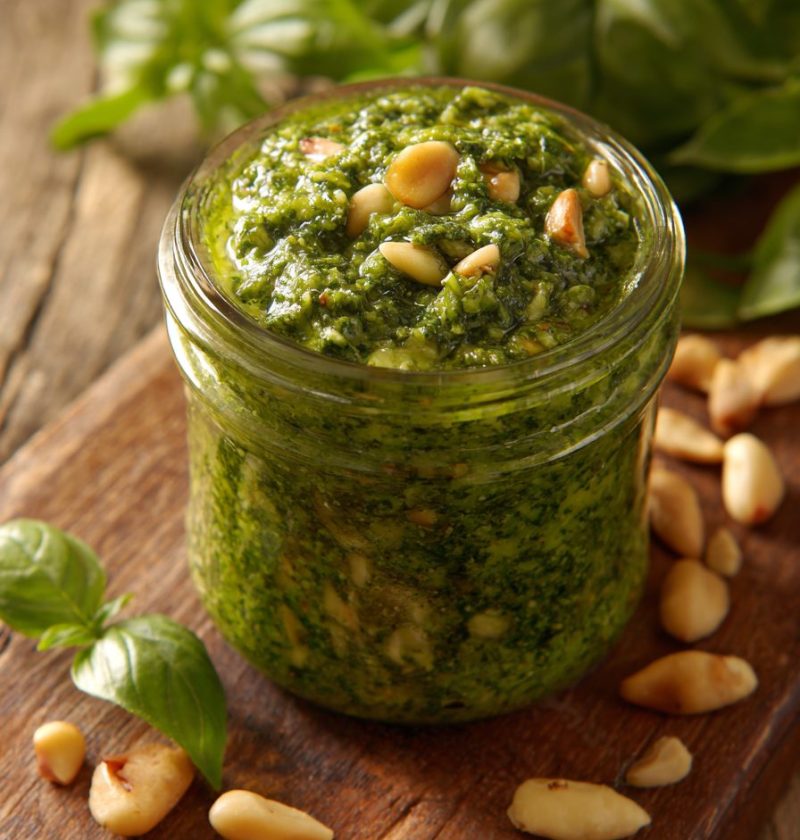
If you’ve ever craved fresh basil pesto but needed to skip the pine nuts, this Pesto Recipe Without Pine Nuts is for you—bright, garlicky, silky, and ready in 10 minutes with pantry-friendly ingredients.
What Makes This Pesto Recipe Without Pine Nuts So Special?
Let me explain what we’re making here. This is a classic-style basil pesto without pine nuts that still gives you everything you love about pesto: vibrant green color, bold flavor, and that creamy, cling-to-the-pasta texture.
Instead of pricey pine nuts, we use more accessible nuts (or seeds) that you may already have: walnuts, almonds, or even sunflower seeds. I’ve also tested nut free pesto recipes for folks with allergies and a dairy free pesto without pine nuts for my vegan friends and lactose-free readers.
I’m a 50-year-old home cook who’s been making pesto since the days of those tiny food processors that sounded like they might fly off the counter. This version grew out of two things:
- My daughter’s nut allergy
- And, honestly, the sticker shock from pine nuts at the grocery store
So over the years, I’ve played around with basil pesto without pine nuts, trying pesto with walnuts instead of pine nuts, pesto with almonds instead of pine nuts, and a few budget-friendly twists. The result is this easy pesto without pine nuts that tastes restaurant-worthy yet feels weeknight-regular.
I love serving this homemade pesto without pine nuts in late summer when basil is overflowing at the farmers’ market, but it’s just as comforting spooned over winter roasted veggies when you need a taste of something green and hopeful.
Why You’ll Love This Pesto Recipe Without Pine Nuts
- No pine nuts, same classic flavor – You get that traditional basil punch without the cost or allergy worries.
- Ready in about 10 minutes – Toss everything in the food processor and you’re basically done.
- Budget-friendly – Walnuts, almonds, or sunflower seeds are usually far cheaper than pine nuts.
- Super versatile – Use it as a basil sauce without pine nuts for pasta, sandwiches, pizza, grilled chicken, or roasted veggies.
- Easy to make dairy-free or vegan – Just swap the cheese for nutritional yeast or a vegan parmesan-style cheese.
- Nut-free options included – Allergy in the family? I’ve got seed-based variations that still taste amazing.
- Freezer-friendly – Make a batch now and stash it away for busy nights.
- Small-batch or big-batch friendly – You can easily double it for meal prep or scale down for just one dinner.
- No special tools needed – A standard food processor or a strong blender is all you need.
- Bright, fresh flavor – It brings that “I made something from scratch” feeling to even the simplest bowl of pasta.
Ingredients For Basil Pesto Without Pine Nuts
Here’s the base recipe I use most often. I’ll note some simple swaps as we go.
- 2 packed cups fresh basil leaves (about 2 oz / 60 g, stems removed; look for bright green, not blackened leaves)
- 1/2 cup walnuts or sliced almonds
- For a nut-free pesto recipe: use 1/2 cup raw sunflower seeds or pumpkin seeds (pepitas) instead.
- 2–3 cloves garlic, roughly chopped (start with 2 if you’re sensitive to garlic; 3 if you like it bold)
- 1/2 cup freshly grated Parmesan cheese
- For dairy free pesto without pine nuts or vegan pesto without pine nuts: use 1/4–1/3 cup nutritional yeast or a vegan parmesan-style cheese.
- 1/2 cup extra-virgin olive oil, plus more as needed
- Use a mellow, good-quality olive oil; very peppery oils can overwhelm the basil.
- 2–3 tablespoons freshly squeezed lemon juice (about 1 medium lemon; brightens the flavor and helps keep the color)
- 1/2 teaspoon fine sea salt, plus more to taste
- 1/4 teaspoon freshly ground black pepper
- 2–3 tablespoons cold water (optional, to adjust thickness if needed)
A quick note on ingredients:
- If your basil looks a little limp, rinse it, pat it dry, and let it sit on a towel for a few minutes to perk up.
- Toasting the nuts is optional but adds richness. If you have 3–4 extra minutes, it’s worth it.
- Pre-grated Parmesan from the refrigerated section works in a pinch, but freshly grated from a block will melt into the pesto better and taste cleaner.
Directions: How To Make Pesto Without Pine Nuts
-
Lightly toast the nuts or seeds (optional but recommended).
Add the walnuts, almonds, or seeds to a dry skillet over medium heat. Stir often for 3–5 minutes, until they smell nutty and just start to darken in spots. Immediately transfer them to a plate to cool so they don’t burn. This step builds flavor but you can skip it if you’re in a rush. -
Prep the basil and garlic.
Rinse the basil leaves under cool water, then pat very dry with a clean kitchen towel or paper towel. Excess water can make your pesto watery and dull in flavor. Roughly chop the garlic so it breaks down more evenly in the processor. -
Pulse the nuts and garlic.
Add the cooled nuts (or seeds) and chopped garlic to a food processor bowl. Pulse 6–8 times until everything looks like fine crumbs—not a paste yet. This keeps you from ending up with random big nut chunks later. -
Add basil and seasonings.
Add the basil leaves, salt, and black pepper to the food processor. Pulse again, scraping down the sides once or twice, until the basil is finely chopped and mixed with the nut mixture. It will look a bit like green confetti. -
Stream in the olive oil.
With the processor running on low, slowly pour in the olive oil through the feed tube. Watch the texture; you want a thick but pourable sauce. If it’s looking too thick or chunky, pause and scrape the sides, then continue. If it still seems too dense, add 1–2 tablespoons of cold water and process again. -
Add Parmesan (or vegan alternative) and lemon juice.
Add the grated Parmesan (or nutritional yeast/vegan cheese) and 2 tablespoons of lemon juice. Pulse until well combined and mostly smooth. Taste. If you want more brightness, add the remaining lemon juice. Adjust salt and pepper as needed—remember pasta water will usually be salty, too. -
Adjust consistency.
For pasta, I like this pesto just a bit looser. If it feels too thick, add another splash of olive oil or water and pulse again. For a thicker spread (for sandwiches or pizza), leave it as is. The sauce should cling to a spoon but still fall off slowly. -
Serve or store.
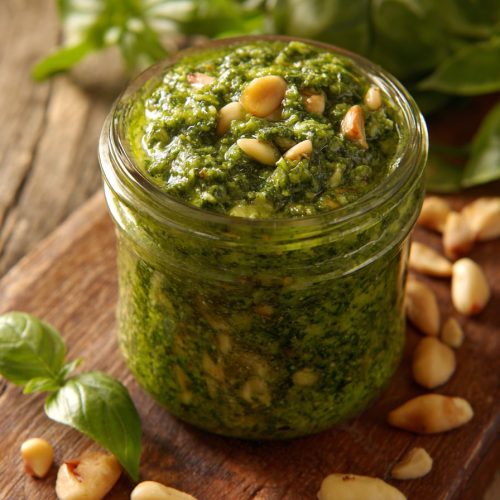
Use immediately, or transfer to a jar. To help maintain that pretty green color, smooth the top and pour a very thin layer of olive oil over the surface before sealing.You know what? The hardest part is not eating it straight off the spoon.
Servings & Timing
- Yield: About 1 1/4 cups of pesto (enough for 12–16 oz pasta, depending on how saucy you like it)
- Prep Time: 10–15 minutes
- Cook Time: 3–5 minutes (for toasting nuts, optional)
- Total Time: 15–20 minutes
If you’ve got your ingredients ready, this feels like one of those “blink and it’s done” recipes.
Fun Variations To Try With This Basil Sauce Without Pine Nuts
Once you’ve made this a couple of times, you’ll probably start playing around. Here are some of my favorite twists:
- Walnut & Spinach Pesto – Use half basil and half baby spinach for a milder, slightly sweeter sauce that’s great for kids.
- Almond & Lemon Zest Pesto – Add 1 teaspoon of finely grated lemon zest when you add the lemon juice for a brighter, almost “sunny” flavor.
- Nut-Free Green Goddess Pesto – Use sunflower seeds and mix in a small handful of fresh parsley and chives for a more herby, complex sauce.
- Vegan Pesto Without Pine Nuts – Skip the dairy and use nutritional yeast or vegan parmesan; add an extra tablespoon of olive oil for richness.
- Spicy Pesto – Add a pinch of red pepper flakes or a small piece of fresh jalapeño for gentle heat.
- Roasted Garlic Pesto – Swap the raw garlic for a few cloves of roasted garlic for a sweet, mellow flavor that’s lovely on pizza.
How To Store, Freeze, and Reheat (If Needed)
Pesto is one of those things that actually gets better after a short rest—the flavors mingle and soften a bit.
Fridge Storage
- Store pesto in an airtight container or small jar.
- Pour a thin layer of olive oil over the top to prevent browning.
- Keep in the refrigerator for up to 5 days.
- Stir before using; the oil may separate slightly.
Freezer Storage
- For easy portions, spoon pesto into an ice cube tray or silicone mini mold.
- Freeze until solid, then pop out the cubes and store in a freezer bag, pressing out excess air.
- Frozen pesto keeps well for up to 3 months (I’ve used it at 4–5 months and it was still very good).
Thawing & “Reheating”
- Thaw cubes in the fridge overnight or at room temperature for 20–30 minutes.
- For pasta, you can add still-partially-frozen pesto cubes to a warm bowl and stir in a splash of hot pasta cooking water; the heat will gently loosen it.
- Don’t microwave for long or cook it on high heat—strong heat can dull the fresh basil flavor and darken the color.
Make-Ahead Tips
- For a party or meal prep, you can make this pesto 1–2 days ahead and store in the fridge.
- If you’re planning a big pasta night, toss the pesto with a bit of pasta cooking water just before serving so it tastes freshly made.
Notes From My Kitchen (Little Things That Make a Big Difference)
- Taste your basil. Some bunches are sweet and soft; others can be a bit peppery or even slightly bitter. If yours tastes very strong, add a small handful of spinach or parsley to balance it out.
- Salt slowly. Parmesan is salty, and so is most pasta water. I start with 1/2 teaspoon of salt in the pesto, then adjust after I mix it with the pasta.
- Use hot pasta water. When you’re tossing pesto with hot pasta, reserve 1/2 cup of the starchy cooking water. Add a splash or two to the pesto-coated pasta; it helps the sauce emulsify and cling beautifully.
- Keep it green. Lemon juice, a quick processing time, and that little layer of olive oil on top all help your basil pesto without pine nuts stay bright and pretty.
- Go gentle with the processor. Over-processing can make the olive oil taste a little harsh. Pulse and check; you don’t need it totally silky.
- Allergy note. If you’re cooking for someone with a serious nut allergy, triple-check that your seeds or other ingredients weren’t processed in a shared facility with nuts, and wash your equipment well if you’ve used nuts before.
FAQs About Pesto Recipe Without Pine Nuts
1. Can I make this pesto completely nut-free?
Yes. Use sunflower seeds or pumpkin seeds instead of nuts. They give you a creamy, rich texture without any tree nuts.
2. How do I make this pesto vegan?
Replace the Parmesan with nutritional yeast or a vegan parmesan-style cheese and add an extra tablespoon of olive oil if you want more richness.
3. My pesto turned dark and a bit brown—what happened?
Basil darkens when it oxidizes. Next time, dry the basil well, add lemon juice, and cover the surface with a thin layer of olive oil before storing. It’s still safe to eat; it just lost some of that bright green color.
4. Can I use dried basil instead of fresh?
No, dried basil won’t work for this kind of pesto. You really need fresh basil leaves to get the right flavor and texture for this basil sauce without pine nuts.
5. What’s the best pasta shape for pesto?
Short shapes like fusilli, rotini, or penne grab the sauce nicely, but spaghetti and linguine work too. The key is tossing the pasta with pesto and a splash of cooking water while it’s still hot.
6. Is it okay to freeze pesto with cheese in it?
Yes. Pesto with Parmesan freezes well. The texture might separate slightly on thawing, but a quick stir fixes it.
7. Can I make this in a blender instead of a food processor?
You can, but you may need to scrape the sides more often and add a bit more olive oil or water to help it move. A smaller blender jar works better than a big one for this amount.
8. How much pesto should I use per serving of pasta?
A good starting point is about 2–3 tablespoons of pesto per serving (around 2 ounces dry pasta), then adjust based on how saucy you like it.
Bringing It All Together
This Pesto Recipe Without Pine Nuts proves you don’t need fancy ingredients to get that classic, fresh basil flavor at home. It’s quick, flexible, and friendly to different diets—nut-free, dairy-free, and vegan options are all built right in.
If you make this basil pesto without pine nuts, I’d love to hear how you used it—over pasta, on pizza, tucked into sandwiches, or spooned over grilled veggies. Leave a comment with your tweaks, or share a photo of your homemade pesto without pine nuts and let’s swap ideas for new variations next time.
Pesto Recipe Without Pine Nuts
Ingredients
- 2 cups fresh basil leaves packed, about 2 oz / 60 g, stems removed; leaves should be bright green
- 1/2 cup walnuts or sliced almonds or use raw sunflower seeds or pumpkin seeds (pepitas) for a nut-free version
- 2 cloves garlic roughly chopped; use 3 cloves if you like it extra garlicky
- 1/2 cup Parmesan cheese freshly grated; or use 1/4–1/3 cup nutritional yeast or vegan parmesan for dairy-free/vegan
- 1/2 cup extra-virgin olive oil plus more as needed; use a mellow, good-quality oil
- 2 tablespoons freshly squeezed lemon juice from about 1 medium lemon; add up to 3 tablespoons to taste
- 1/2 teaspoon fine sea salt plus more to taste
- 1/4 teaspoon freshly ground black pepper
- 2 tablespoons cold water optional, 2–3 tablespoons as needed to adjust thickness
Instructions
- Add the walnuts, almonds, or seeds to a dry skillet over medium heat. Stir often for 3–5 minutes, until they smell nutty and just start to darken in spots. Immediately transfer to a plate to cool so they don’t burn. You can skip this step if you’re short on time, but it adds extra flavor.1/2 cup walnuts or sliced almonds
- Rinse the basil leaves under cool water, then pat very dry with a clean kitchen towel or paper towel so excess water doesn’t dilute the pesto. Roughly chop the garlic so it breaks down evenly in the food processor.2 cups fresh basil leaves, 2 cloves garlic
- Add the cooled nuts or seeds and the chopped garlic to the bowl of a food processor. Pulse 6–8 times until the mixture looks like fine crumbs, not a paste. This prevents large nut pieces in the finished pesto.1/2 cup walnuts or sliced almonds, 2 cloves garlic
- Add the basil leaves, salt, and black pepper to the processor. Pulse again, scraping down the sides once or twice, until the basil is finely chopped and well mixed with the nut mixture. It should look like green confetti.2 cups fresh basil leaves, 1/2 teaspoon fine sea salt, 1/4 teaspoon freshly ground black pepper
- With the food processor running on low, slowly pour in the olive oil through the feed tube. Process until you have a thick but pourable sauce. If it looks too thick or chunky, stop to scrape down the sides, then continue. If it still seems very dense, add 1–2 tablespoons of cold water and process again.1/2 cup extra-virgin olive oil, 2 tablespoons cold water
- Add the grated Parmesan (or nutritional yeast/vegan parmesan) and 2 tablespoons of lemon juice to the processor. Pulse until well combined and mostly smooth. Taste and add up to 1 more tablespoon of lemon juice for extra brightness. Adjust salt and pepper to taste.1/2 cup Parmesan cheese, 2 tablespoons freshly squeezed lemon juice, 1/2 teaspoon fine sea salt, 1/4 teaspoon freshly ground black pepper
- For pasta, loosen the pesto slightly with a bit more olive oil or cold water so it coats the noodles easily. For a thicker spread for sandwiches or pizza, leave it thicker. The pesto should cling to a spoon but still slowly fall off.1/2 cup extra-virgin olive oil, 2 tablespoons cold water
- Use the pesto immediately or transfer it to a small jar or airtight container. Smooth the top and pour a very thin layer of olive oil over the surface to help keep the color bright. Seal and refrigerate or freeze as desired.1/2 cup extra-virgin olive oil
Notes
- Walnut & Spinach Pesto: Use half basil and half baby spinach for a milder, slightly sweeter pesto.
- Almond & Lemon Zest Pesto: Use almonds and add 1 teaspoon finely grated lemon zest with the lemon juice.
- Nut-Free Green Goddess Pesto: Use sunflower seeds, and add a small handful of parsley and chives for an herby, complex flavor.
- Vegan Pesto: Replace Parmesan with nutritional yeast or vegan parmesan and add an extra tablespoon of olive oil for richness.
- Spicy Pesto: Add a pinch of red pepper flakes or a small piece of jalapeño before blending.
- Roasted Garlic Pesto: Use roasted garlic cloves instead of raw for a milder, sweeter flavor. STORAGE:
- Fridge: Store in an airtight container with a thin layer of olive oil on top for up to 5 days. Stir before using.
- Freezer: Freeze in ice cube trays or small portions, then transfer to a freezer bag. Use within 3 months (up to 4–5 months is usually still very good). Thaw in the fridge or at room temperature, or melt gently with a splash of hot pasta water. TIPS:
- Taste your basil; if it’s very strong or bitter, add a small handful of spinach or parsley to balance.
- Salt gradually; Parmesan and pasta water are both salty.
- When tossing with pasta, reserve about 1/2 cup hot pasta water to help the pesto emulsify and coat the pasta.
- Lemon juice, minimal processing time, and an oil layer on top help keep the pesto bright green.
- Avoid over-processing; it can make the olive oil taste harsh.
- For severe nut allergies, use seeds that are certified nut-free and ensure your equipment is thoroughly cleaned.