Would you like to save this?
Kimchi Fried Rice Recipe
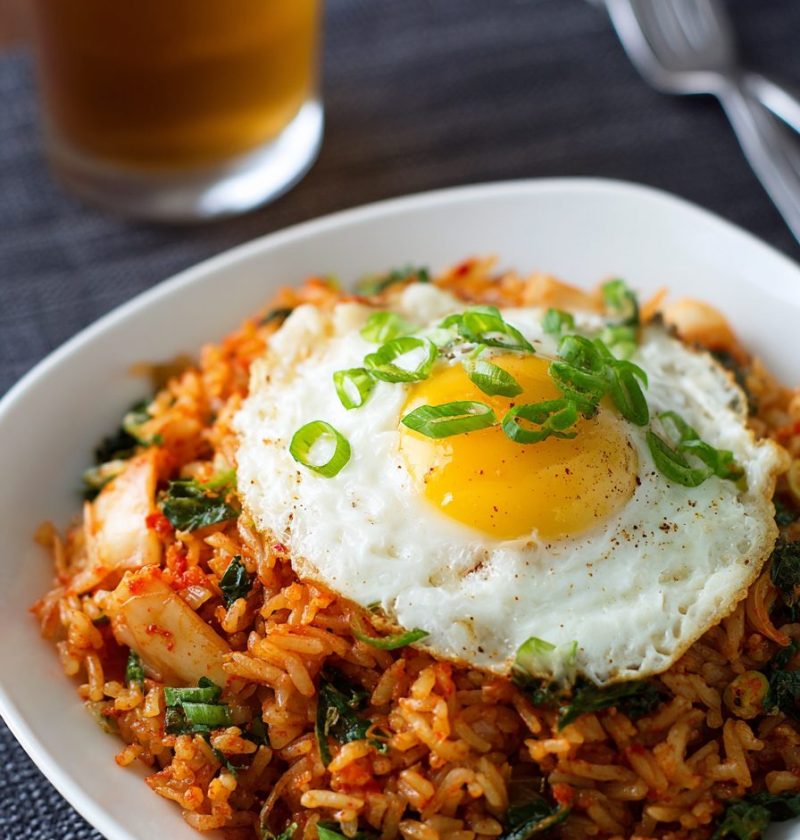
If you need a fast, bold, deeply satisfying dinner, this Kimchi Fried Rice Recipe brings spicy, savory comfort to the table in under 30 minutes.
A cozy Korean-inspired rice dish that earns a spot in your weekly rotation
There’s something so comforting about a skillet of hot rice crackling on the stove, especially when it’s packed with tangy kimchi, a little garlic, and that irresistible savory flavor that makes you go back for “just one more bite.” This kimchi fried rice recipe is a simple Korean-inspired meal made with day-old rice, chopped kimchi, aromatics, and a few pantry staples. It’s quick, affordable, and wonderfully adaptable.
I love making this on weeknights when the fridge looks a little bare but I still want dinner to feel like a real meal, not an afterthought. And honestly, this is one of those dishes that tastes like you fussed, even though you really didn’t. The fermented cabbage gives this spicy rice dish its signature punch, while the rice turns beautifully chewy and crisp in the pan. It’s classic korean comfort food—warm, flavorful, practical, and full of character.
From a nutrition standpoint, kimchi can bring beneficial probiotics, garlic and onion add depth without much effort, and using leftover rice helps reduce food waste. That’s a little kitchen win in my book. Whether you call it korean fried rice, a kimchi rice bowl, or your new favorite homemade fried rice, this one deserves a place on your menu.
Why you’ll love this recipe
- Ready in about 25 minutes from start to finish
- A smart way to use leftover rice and extra kimchi
- Bold, tangy, spicy flavor with very little prep
- Easy to customize with bacon, spam, tofu, or a fried egg
- Budget-friendly and made from pantry and fridge staples
- Great for lunch, dinner, or late-night cravings
- Tastes even better with cold day-old rice
- Naturally packed with big flavor—no fussy sauce required
- Works as a main dish or a side for Korean-style meals
- Delivers that restaurant-style asian rice dish feel at home
Ingredients
Here’s what you’ll need for this easy fried rice recipe:
- 3 cups cooked cold rice (preferably day-old short-grain rice; jasmine rice also works)
- 1 1/2 cups kimchi, chopped into bite-size pieces
- 2 tablespoons kimchi juice (from the jar, for extra flavor)
- 1 tablespoon neutral oil (such as avocado oil, canola oil, or vegetable oil)
- 1 tablespoon toasted sesame oil
- 1/2 medium yellow onion, finely diced
- 2 cloves garlic, minced
- 2 green onions, sliced, plus more for garnish
- 1 tablespoon gochujang (Korean chili paste; use 2 teaspoons for milder heat)
- 1 tablespoon soy sauce (or tamari for gluten-free)
- 1 teaspoon sugar (balances the tang nicely)
- 1/2 cup frozen peas and carrots, thawed (optional, but handy for texture and color)
- 2 eggs (optional, for topping or scrambling into the rice)
- 1 teaspoon sesame seeds, for garnish
- 1 sheet roasted seaweed, sliced thin (optional)
- 1 teaspoon unsalted butter (optional, stirred in at the end for a glossy finish)
Ingredient tips:
- Rice: Cold rice is the secret. Fresh hot rice tends to steam and clump, while chilled rice fries up into separate, chewy grains.
- Kimchi: Use well-fermented kimchi for the best flavor. A sour, mature kimchi makes a stronger, richer fermented cabbage rice dish.
- Gochujang: Brands like CJ Haechandle and Sempio are easy to find in many U.S. grocery stores now.
- Soy sauce: Use low-sodium soy sauce if your kimchi is especially salty.
- Eggs: A crispy fried egg on top turns this into a full savory rice meal.
- Protein add-ins: Diced spam, cooked bacon, rotisserie Chicken, or crispy tofu all work beautifully.

Directions
-
Break up the rice first.
Put your cold rice in a bowl and gently break apart any clumps with clean hands or a fork. This helps it cook evenly and keeps the finished rice from turning gummy. -
Prep the sauce mixture.
In a small bowl, stir together the kimchi juice, gochujang, soy sauce, and sugar. This takes 30 seconds, and it helps the flavor spread evenly through the rice later. -
Cook the aromatics.
Heat a large skillet or wok over medium-high heat. Add the neutral oil, then the onion. Cook for 2 to 3 minutes until softened. Stir in the garlic and white parts of the green onion, and cook for about 30 seconds, just until fragrant. -
Add the kimchi and let it caramelize a bit.
Toss in the chopped kimchi and cook for 2 to 4 minutes. Let it sizzle. That little bit of browning softens the sharp edges and deepens the flavor in a way that makes a big difference. -
Stir in the rice.
Add the cold rice and press it into the kimchi mixture with a spatula. Keep stirring and folding until the grains are coated and separated. If it looks dry, don’t worry—the sauce is coming next. -
Pour in the sauce and finish cooking.
Add the sauce mixture and the peas and carrots, if using. Stir-fry for another 3 to 5 minutes until the rice is hot, glossy, and lightly crisp in spots. Drizzle in the sesame oil during the last minute of cooking. -
Handle the eggs your way.
You can either push the rice to one side and scramble the eggs directly in the pan, or fry the eggs separately and place them on top before serving. I’m partial to the runny-yolk method—it makes the whole kimchi rice bowl feel extra special. -
Finish and serve.
Turn off the heat and stir in a little butter if you want a richer finish. Top with green onion, sesame seeds, and sliced seaweed. Serve hot, straight from the pan, while the edges are still a little crisp.
Servings & timing
- Yield: 4 servings
- Prep Time: 10 minutes
- Cook Time: 15 minutes
- Total Time: 25 minutes
That makes this a truly practical quick rice recipe for busy nights, lazy weekends, or those “what on earth am I making for dinner?” moments.
Variations
This dish is forgiving, which is one reason home cooks love it.
- Bacon Kimchi Fried Rice: Cook 4 strips of chopped bacon first, then use a bit of the rendered fat for extra smoky flavor.
- Spam Version: Add 1 cup diced browned spam for a classic Korean-American comfort food twist.
- Vegetarian Style: Skip the meat and add tofu, mushrooms, or edamame for a hearty meatless meal.
- Extra-Spicy Batch: Add more gochujang or a pinch of Korean chili flakes for a hotter easy kimchi rice.
- Cheesy Comfort Bowl: Top with shredded mozzarella and let it melt over the hot rice for a fun fusion finish.
- Cauliflower Rice Blend: Replace half the rice with cauliflower rice for a lighter take with more vegetables.
Storage & reheating
Store leftover kimchi fried rice in an airtight container in the refrigerator for up to 4 days. If you want to freeze it, cool it completely first, then pack it into freezer-safe containers or zip-top bags for up to 2 months.
To reheat, warm it in a skillet over medium heat with a small splash of water or a touch of oil. The microwave works too—heat in 30-second bursts, stirring between each one, until hot. If you’re reheating from frozen, thaw overnight in the fridge for the best texture.
For make-ahead plans, you can chop the kimchi, mix the sauce, and cook the rice a day ahead. Then when dinner rolls around, it comes together lightning fast.
Notes
A few little things I learned after making this more times than I can count:
First, old rice really is better. I know that sounds backwards, but fresh rice has too much moisture. If all you have is freshly cooked rice, spread it on a baking sheet and chill it for 20 to 30 minutes before cooking.
Second, don’t skimp on the kimchi juice. That liquid is flavor gold. It seasons the rice, adds acidity, and helps create that signature taste people expect from a good korean fried rice.
Third, let the rice sit undisturbed for short stretches. Not forever—just 20 to 30 seconds here and there. That’s how you get those lovely toasty bits on the bottom. It’s a little like making hash browns; patience pays off.
And one more thing: taste before adding extra salt. Between soy sauce and kimchi, this dish usually has plenty.
FAQs
What kind of rice is best for kimchi fried rice?
Day-old short-grain rice is ideal because it stays pleasantly chewy and doesn’t fall apart. Jasmine rice works well too if that’s what you have on hand.
Can I use fresh rice instead of leftover rice?
Yes, but cool it first. Spread fresh rice on a tray and refrigerate it for about 20 to 30 minutes so it dries out a bit.
Is kimchi fried rice very spicy?
It can be mild to medium, depending on your kimchi and how much gochujang you use. Start with less chili paste if you’re sensitive to heat.
Can I make this vegetarian?
Absolutely. Use vegetarian kimchi, swap soy sauce for tamari if needed, and add tofu or mushrooms for more substance.
What protein goes best with this dish?
Fried eggs are the classic topping, but bacon, spam, shredded Chicken, ground turkey, and crispy tofu all pair well with this homemade fried rice.
Why is my fried rice soggy?
Usually it’s because the rice was too fresh or the pan wasn’t hot enough. Cold rice and high heat make a big difference.
Can I make this without gochujang?
Yes. It won’t have quite the same depth, but you can use a little sriracha or even a pinch of red pepper flakes plus extra soy sauce.
How do I make it less salty?
Use low-sodium soy sauce, add more plain rice, or stir in a handful of unsalted vegetables to balance the saltiness.
Conclusion
This Kimchi Fried Rice Recipe is fast, deeply flavorful, and flexible enough to match whatever you’ve got in the fridge. It’s one of those reliable meals that feels cozy, practical, and a little exciting all at once. If you make it, I’d love for you to leave a comment and share how you served it—and if you’re in the mood for more easy dinner ideas, check out my other Korean-inspired and asian rice dish recipes too.