Would you like to save this?
Serrano Pepper Recipe (My Go-To Spicy Green Sauce for Everything)
If you love a little heat and a lot of fresh flavor, this easy Serrano Pepper Recipe is your new best friend—vibrant, zippy, and ready in 15 minutes with no cooking at all.
What This Serrano Pepper Recipe Is All About
Let me introduce you to the serrano pepper recipe I keep in my fridge almost year-round: a bright, blended serrano pepper sauce that works as a salsa, marinade, dip, dressing, and even a spicy drizzle on eggs.
We’re using fresh serrano chiles, lime, garlic, and herbs to create a sauce that tastes like a cross between a serrano pepper salsa and a smooth serrano pepper hot sauce. It’s lighter and fresher than bottled hot sauce, but a bit more polished than a chunky salsa. Think of it as your “house sauce” for tacos, grilled meats, roasted veggies, and tortilla chips.
I started making this when my neighbor showed up with a whole bag of Mexican serrano peppers from her garden. I couldn’t bear to let them go to waste, so I tested batch after batch—some too hot, some too tangy—until this version hit that sweet spot of spicy, fresh, and family-friendly (well, my spice-loving family anyway).
It’s naturally gluten-free, dairy-free, vegan, and low in calories. There’s no cooking, no roasting, no fuss. Just a blender, some fresh ingredients, and you’re done. If you’re looking for an easy serrano pepper recipe that you can use 100 different ways, this is it.
Why You’ll Love This Serrano Pepper Recipe
- Ready in 15 minutes – No oven, no grill, no skillet; just a cutting board and a blender.
- Customizable heat level – Use fewer serranos or remove the seeds for a milder serrano chili recipe.
- Super versatile – Works as serrano pepper sauce, serrano pepper dip, marinade, or even a serrano pepper garnish drizzle.
- Fresh and healthy – Packed with vitamin C, fresh herbs, and heart-healthy olive oil.
- Budget-friendly – Serrano peppers are usually cheap and abundant, especially in summer and early fall.
- Perfect for meal prep – Keeps well in the fridge, so you always have homemade serrano sauce ready to go.
- Naturally vegan and gluten-free – Great for feeding a crowd with mixed dietary needs.
- Restaurant-level flavor at home – Tastes like that “secret green sauce” from your favorite taco truck.
Ingredients for My Everyday Serrano Pepper Sauce
This base recipe makes about 1 ½ cups of sauce—enough for several meals. You can easily double it if you’re cooking for a crowd or planning a serrano pepper appetizer platter.
- 8–10 fresh serrano peppers
- Stems removed; you can keep seeds for more heat or remove them for a milder sauce. Choose firm, glossy, bright green serranos with no soft spots.
- 3 cloves garlic
- Fresh garlic gives the sauce its backbone. If your cloves are huge, use 2.
- ½ cup fresh cilantro leaves and tender stems
- Lightly packed. If you’re a cilantro skeptic, use half cilantro and half flat-leaf parsley.
- ¼ cup fresh flat-leaf parsley (optional but recommended)
- Helps round out the “green” flavor and keeps it from tasting too soapy if you’re sensitive to cilantro.
- ½ cup neutral or light olive oil
- I like a mild extra-virgin olive oil; a strong, peppery one can overpower the peppers. Avocado oil works well too.
- ⅓ cup fresh lime juice
- Usually 2–3 limes. Bottled lime juice will work in a pinch, but fresh is worth it here.
- 2 tablespoons white vinegar or apple cider vinegar
- Adds a little bite and helps the sauce last longer—like a light serrano pepper seasoning brine.
- ½ teaspoon ground cumin
- Gives a warm, earthy note that pairs beautifully with Mexican serrano peppers.
- ½ teaspoon kosher salt, plus more to taste
- Start here and adjust; if you’re using fine table salt, reduce slightly.
- ¼ teaspoon sugar or Honey (optional but helpful)
- Just a touch balances the acidity and heat; it won’t make the sauce taste sweet.
- 2–4 tablespoons water
- To thin the sauce to your preferred consistency—you might not need it all.
Ingredient tips:
- If you can’t find serranos, you can use jalapeños, but the flavor will be a bit mellower. That turns this into more of a jalapeño-chile version of the same serrano pepper salsa concept.
- For an extra herbal kick, a few mint leaves are lovely—especially if you’re serving this with grilled lamb or fish.
Directions: How to Make This No-Cook Serrano Pepper Sauce

-
Prep the serrano peppers
Rinse the serrano peppers under cool water and pat them dry. Cut off the stems, then slice each serrano pepper lengthwise. If you want a milder sauce, scrape out the seeds and white ribs with a small spoon; if you love spicy serrano peppers, leave them in. Roughly chop the peppers into 2–3 pieces so they blend more easily. -
Load up the blender
Add the chopped serrano peppers, garlic cloves, cilantro, and parsley (if using) to a blender or food processor. A high-powered blender like a Vitamix or Ninja will give you a smoother serrano pepper sauce, while a regular blender or food processor will leave it slightly more textured—both are good. -
Add liquids and seasonings
Pour in the olive oil, lime juice, and vinegar. Sprinkle in the cumin, salt, and sugar or honey if using. Don’t add the water just yet; we’ll use it to control the final texture. -
Blend until mostly smooth
Secure the lid and blend on medium-high until the mixture looks like a bright green sauce—about 30–60 seconds. Scrape down the sides as needed. Taste with a small spoon (careful, it’ll be spicy) and check the flavor. If it’s too thick, add 1–2 tablespoons of water and blend again. -
Adjust to taste
This is where you personalize your serrano pepper cooking. Need more acidity? Add another splash of lime juice or vinegar. Too sharp? Add a pinch more sugar or a drizzle of honey. Not salty enough? Add another pinch of salt. If the heat is stronger than you’d like, you can blend in a bit more oil, a little extra cilantro, or even half an avocado for a creamier serrano pepper dip version. -
Chill and let the flavors mingle
Pour the sauce into a clean jar or container with a tight lid. Refrigerate for at least 30 minutes before serving. This short rest helps the flavors meld and actually takes a bit of the sharpness off the raw garlic and peppers. -
Serve as sauce, salsa, or marinade
Use it as a serrano pepper relish spooned over tacos, grilled Chicken, fish, roasted vegetables, or grain bowls. Thin it with a bit more lime juice and olive oil for a Salad dressing, or serve thick as a serrano pepper appetizer dip with chips, crudités, or warm tortillas.
Servings & Timing
- Yield: About 1 ½ cups of sauce (roughly 12 servings of 2 tablespoons each)
- Prep Time: 15 minutes
- Rest Time: 30 minutes in the fridge (recommended but not mandatory)
- Total Time: About 45 minutes including chilling
Fun Variations on This Serrano Pepper Recipe
Once you’ve made the base version, you can play with it depending on your mood, the season, or what’s in the fridge. Here are a few of my favorites:
-
Roasted Serrano Peppers Version
Roast or broil the serrano peppers until charred and blistered, then peel off most of the skins before blending—this gives a smoky roasted serrano peppers flavor that’s fantastic with grilled steak or shrimp. -
Grilled Serrano Pepper Marinade
Add 2 tablespoons soy sauce or tamari, 1 tablespoon honey, and an extra splash of vinegar to turn this into a bold serrano pepper marinade for Chicken, pork, or tofu; marinate for 30 minutes to 4 hours. -
Creamy Serrano Pepper Dip
Blend in ½ cup Greek yogurt or Mexican crema and a small avocado for a richer serrano pepper dip that’s perfect for chips, wings, or veggie platters. -
Bright Serrano Pepper Salsa Verde
Toss in 2–3 raw tomatillos (husks removed and rinsed) and reduce the oil slightly for a more traditional serrano pepper salsa that pairs beautifully with tacos and enchiladas. -
Pickled Serrano Peppers Twist
Use some brine from pickled serrano peppers (or jalapeños) in place of the vinegar and water; this adds a tangy, almost serrano pepper relish note. -
Cilantro-Free Version
Skip the cilantro and use all parsley plus a handful of fresh basil or mint for folks who don’t enjoy cilantro but still want that fresh, green serrano pepper seasoning vibe.
Storage & Reheating (Well, “Re-serving”)
-
Refrigerator:
Store your serrano pepper sauce in a glass jar or airtight container in the fridge for up to 7 days. The color may deepen a bit, but that’s normal. Give it a good stir or shake before using, as the oil can separate. -
Freezer:
You can freeze this sauce. I like to spoon it into silicone ice cube trays and freeze, then pop the cubes into a freezer bag. They’ll keep for up to 2–3 months. Thaw in the fridge overnight or at room temperature for about 30 minutes. -
Reheating/Serving:
There’s no heating needed, but if the sauce thickens in the fridge, let it sit on the counter for 10–15 minutes and stir in a teaspoon or two of warm water or lime juice to loosen it. -
Make-Ahead Tip:
This is a perfect make-ahead serrano pepper side dish component for taco night, big game days, or BBQs. Make it the day before; the flavor is actually better on day two.
Notes from My Kitchen (What I Learned Testing This)
-
Watch the garlic:
One batch I made had too much raw garlic, and it completely took over once it sat overnight. Stick to 2–3 cloves, and if you’re sensitive, blanch the peeled cloves in boiling water for 1 minute to tame their bite. -
Control the heat with seeds and ribs:
Most of the heat in spicy serrano peppers lives in the seeds and white inner ribs. For a more approachable authentic serrano recipe, remove them from at least half the peppers the first time you make it. -
Blender vs. food processor:
A blender gives you that smoother serrano pepper hot sauce texture. A food processor leaves it chunkier, like a cross between salsa and chutney—almost a serrano pepper relish. -
Salt matters:
Different salts really do taste different. I use Diamond Crystal kosher salt for testing. If you’re using Morton kosher or fine sea salt, start with a little less and adjust. -
Let it rest:
Right after blending, the flavors can taste a bit loud and separate. After 30 minutes in the fridge, everything “settles down” into a more cohesive serrano pepper sauce.
FAQs About This Serrano Pepper Recipe
1. How spicy is this sauce?
It’s medium-hot if you leave most of the seeds in, but you can make it mild by removing seeds and ribs from all the peppers or using fewer serranos.
2. Can I make this with jalapeños instead?
Yes, you can swap some or all of the serranos with jalapeños for a less spicy serrano chili recipe variation; the flavor will be slightly grassier and milder.
3. What can I serve this with?
Use it as a serrano pepper side dish accent on tacos, burrito bowls, grilled chicken, steak, fish, roasted veggies, scrambled eggs, quesadillas, or simply as a chip-and-dip situation.
4. Can I turn this into a thicker dip?
Absolutely—add Greek yogurt, sour cream, or avocado and pulse until creamy for a heartier serrano pepper dip perfect for parties.
5. How do I use it as a marinade?
Pour the sauce over chicken, fish, shrimp, or tofu; add a bit of extra oil and salt, and marinate in the fridge for 30 minutes to 4 hours before grilling or baking. That’s your easy serrano pepper main course shortcut.
6. Is this recipe authentic Mexican?
It’s inspired by Mexican serrano peppers and flavors you’ll find in Mexican salsas and sauces, but it’s more of a flexible, modern homemade serrano sauce than a strict traditional recipe.
7. Can I make it without cilantro?
Yes—use parsley, basil, or a mix of parsley and mint. You’ll still get a bright green serrano pepper garnish-style sauce without the cilantro taste.
8. My sauce came out bitter—what happened?
Over-blending herbs, using old garlic, or a very strong olive oil can cause bitterness. Next time, use a milder oil, fresher garlic, and pulse a bit less; you can also balance bitterness with a pinch of sugar and extra lime.
Bringing It All Together
This simple Serrano Pepper Recipe has become one of those “house recipes” I lean on whenever dinner feels a little boring. It’s fresh, it’s flexible, and it turns basic grilled chicken, a tray of roasted veggies, or a bowl of scrambled eggs into something that tastes like you put real thought into it.
If you try this serrano pepper sauce, let me know how you used it—tacos, grain bowls, wings, or your own twist. And if you’re in a spicy mood, you might also enjoy exploring other serrano pepper dishes like roasted serrano peppers or pickled serrano peppers for your fridge “flavor toolbox.”
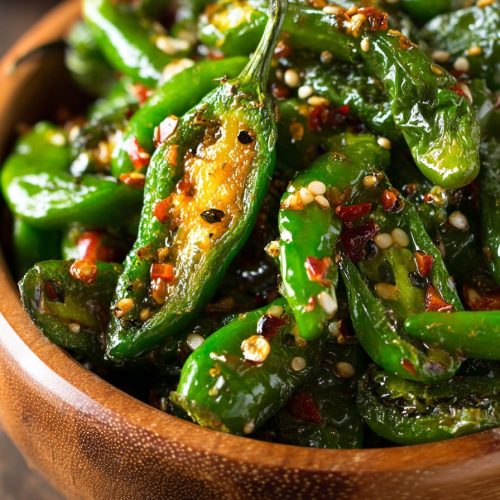
Serrano Pepper Sauce (No-Cook Spicy Green Sauce for Everything)
Ingredients
- 8–10 fresh serrano peppers stems removed; keep seeds for more heat or remove for milder sauce
- 3 cloves garlic use 2 cloves if very large
- 1/2 cup fresh cilantro leaves and tender stems lightly packed; use half cilantro and half parsley if sensitive to cilantro
- 1/4 cup fresh flat-leaf parsley optional but recommended, helps balance the flavor
- 1/2 cup neutral or light olive oil mild extra-virgin or avocado oil works well
- 1/3 cup fresh lime juice about 2–3 limes, freshly squeezed
- 2 tablespoons white vinegar or apple cider vinegar
- 1/2 teaspoon ground cumin
- 1/2 teaspoon kosher salt plus more to taste; use slightly less if using fine salt
- 1/4 teaspoon sugar or honey optional, helps balance acidity and heat
- 2–4 tablespoons water to thin to desired consistency, as needed
Instructions
- Rinse the serrano peppers under cool water and pat dry. Remove the stems, then slice each pepper lengthwise. For a milder sauce, scrape out the seeds and white ribs; for a hotter sauce, leave them in. Roughly chop the peppers into 2–3 pieces each so they blend more easily.8–10 fresh serrano peppers
- Add the chopped serrano peppers, garlic cloves, cilantro, and parsley (if using) to a blender or food processor. A high-powered blender will give a smoother sauce; a regular blender or food processor will leave a bit more texture.8–10 fresh serrano peppers, 3 cloves garlic, 1/2 cup fresh cilantro leaves and tender stems, 1/4 cup fresh flat-leaf parsley
- Pour in the olive oil, lime juice, and vinegar. Add the ground cumin, kosher salt, and sugar or honey if using. Do not add the water yet; you will use it later to adjust the consistency.1/2 cup neutral or light olive oil, 1/3 cup fresh lime juice, 2 tablespoons white vinegar or apple cider vinegar, 1/2 teaspoon ground cumin, 1/2 teaspoon kosher salt, 1/4 teaspoon sugar or honey
- Secure the lid and blend on medium-high until the mixture becomes a bright green sauce, about 30–60 seconds. Scrape down the sides as needed. If the sauce is too thick, add 1–2 tablespoons of water and blend again until you reach your preferred texture.2–4 tablespoons water
- Taste the sauce carefully. For more acidity, add a bit more lime juice or vinegar. If it tastes too sharp, add a small pinch of sugar or a drizzle of honey. If it needs more salt, add another pinch. If the heat is too strong, blend in a little more oil or cilantro and parsley. For a creamier dip-style sauce, you can blend in half an avocado.
- Transfer the sauce to a clean jar or airtight container. Refrigerate for at least 30 minutes before serving to let the flavors meld and to slightly mellow the sharpness of the raw garlic and peppers.
- Serve as a sauce, salsa, or marinade. Spoon over tacos, grilled chicken or fish, roasted vegetables, grain bowls, or eggs. Thin with a bit more lime juice and olive oil for a salad dressing, or keep it thicker to use as a dip with tortilla chips or veggies.