Would you like to save this?
Napa Cabbage Recipe (Easy, Cozy, and So Versatile!)
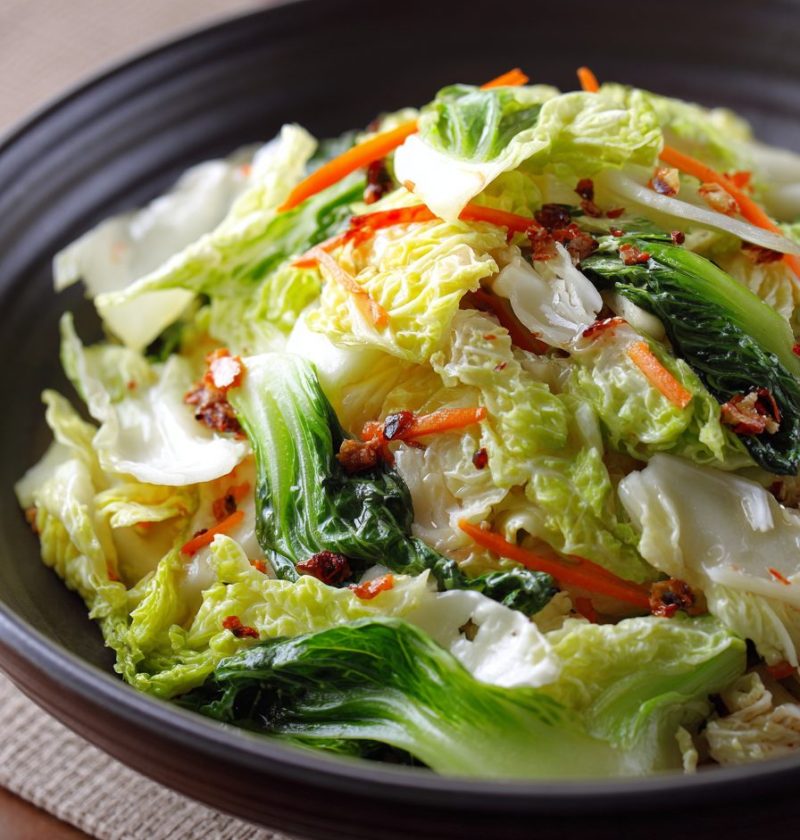
If you’ve got a head of napa cabbage sitting in your fridge and you’re not sure what to do with it, this cozy, garlicky Napa Cabbage Recipe is going to become your new weeknight secret weapon.
I’m sharing my favorite way to turn humble napa cabbage into a fast, flavorful skillet dish that works as a light main or a simple napa cabbage side dish—and I’ll also walk you through how to turn the same base into a napa cabbage stir fry, napa cabbage Soup, or even a crunchy napa cabbage salad.
What Makes This Napa Cabbage Recipe Special?
Napa cabbage (sometimes called Chinese cabbage) is one of those vegetables that folks walk past at the grocery store because they’re not quite sure how to use it. That used to be me, too.
Then, one January—years ago, when my kids were still in high school—I bought a big, beautiful head of napa cabbage on a whim because it was on sale. It turned into a garlicky, soy-kissed skillet dish that we all scraped clean. Since then, this has been my “clean out the fridge” meal that somehow tastes restaurant-worthy every single time.
This recipe is:
- Mostly hands-off
- Done in under 30 minutes
- Easy to customize (vegetarian, with pork, or with tofu)
- Light but deeply satisfying
Napa cabbage is naturally sweeter and more tender than regular green cabbage. It softens quickly, which makes it fantastic for quick napa cabbage recipes—think napa cabbage stir fry, sautéed napa cabbage with garlic, or a simple braised napa cabbage with soy sauce. Plus, it’s loaded with vitamins A and C, low in calories, and very gentle on the stomach, which my 50-year-old self appreciates more than my 20-year-old self ever did.
We’re starting with a basic, healthy cabbage recipe: garlicky napa cabbage with soy sauce, sesame, and scallions. From there, I’ll show you how to turn it into:
- A heartier napa cabbage noodle dish
- A vegetarian cabbage recipe with tofu
- A simple napa cabbage soup
- A spicy napa cabbage side dish inspired by Korean napa cabbage flavors
It’s the kind of recipe you can memorize and then riff on forever.
Why You’ll Love This Napa Cabbage Recipe
- Fast weeknight hero – Ready in about 20 minutes, start to finish.
- Flexible protein – Works beautifully as napa cabbage with tofu, pork, Chicken, Shrimp, or just as-is.
- Veggie-forward & healthy – Light, nutrient-dense, and naturally lower in calories without feeling “diet-y.”
- Beginner-friendly – No fancy techniques; if you can stir and slice, you can cook this.
- One-pan clean-up – Everything cooks in one skillet or wok.
- Perfect “use it up” recipe – Toss in mushrooms, carrots, peppers, or leftover protein.
- Family-approved – Mild enough for picky eaters; you can make your own portion spicy.
- Great with rice or noodles – Turns into a full napa cabbage noodle dish with very little extra work.
- Easily customizable – Make it a Korean-style spicy napa cabbage, a gentle braised napa cabbage, or a light napa cabbage soup.
Ingredients for Garlicky Napa Cabbage Skillet
This is the core Napa Cabbage Recipe. From here, you can adjust for stir fry, salad, or soup.
- 1 medium head napa cabbage (about 1½–2 pounds), trimmed and sliced
- Look for a tight, heavy head with crisp, pale green leaves and no brown spots.
- 2 tablespoons neutral oil (avocado, canola, or grapeseed)
- 1 tablespoon toasted sesame oil
- 4 cloves garlic, minced
- Fresh is best here; jarred tends to burn faster and taste a little harsh.
- 1 tablespoon freshly grated ginger (optional but recommended)
- 3 green onions (scallions), sliced – whites and greens separated
- 3 tablespoons low-sodium soy sauce
- For gluten-free, use tamari or coconut aminos.
- 1 tablespoon rice vinegar
- 1–2 teaspoons sugar, honey, or maple syrup
- Just enough to balance the soy and vinegar—don’t skip this, it makes a big difference.
- ¼–½ teaspoon red pepper flakes or gochugaru (Korean chili flakes), to taste
- ¼ cup water or low-sodium vegetable broth
- 1–2 teaspoons sesame seeds, for topping
- Freshly ground black pepper, to taste
Optional protein add-ins (pick one, or skip):
- 8 oz extra-firm tofu, pressed and cubed (for a vegetarian cabbage recipe)
- 8 oz ground pork, turkey, or Chicken (for napa cabbage with pork or meat)
- 1½ cups cooked shredded chicken (great for leftovers)
To serve (optional):
- Steamed white or brown rice
- Cooked noodles (ramen, udon, or rice noodles for a napa cabbage noodle dish)
- A drizzle of chili crisp, sriracha, or gochujang for spicy napa cabbage
A quick note on napa cabbage prep: rinse the whole head, then cut lengthwise into quarters, remove the core, and slice crosswise into 1-inch strips. The thicker white ribs take a little longer to cook than the leafy tops, so I separate those in two piles.
Directions: How To Make This Simple Napa Cabbage Recipe
-
Prep your cabbage and aromatics
Slice the napa cabbage, keeping the thick white stems and the softer leaves in separate piles. Mince the garlic, grate the ginger, and slice the scallions, keeping the white parts separate from the green tops. This little bit of organization makes the whole cooking process feel calmer. -
If using meat or tofu, cook it first
Heat a large skillet or wok over medium-high heat. Add 1 tablespoon neutral oil.- For tofu: Sear the cubed tofu on all sides until golden and crisp, about 6–8 minutes. Remove to a plate.
- For ground pork or other meat: Cook, breaking it up with a spoon, until browned and cooked through. Drain excess fat if needed and leave it in the pan.
-
Bloom the garlic and aromatics
Add the remaining 1 tablespoon neutral oil to the pan (if it looks dry). Reduce heat slightly to medium. Add minced garlic, grated ginger, and the white parts of the scallions. Stir constantly for 30–45 seconds, just until fragrant.
Tip: If the garlic starts to brown quickly, lower the heat—burnt garlic will make your sauce bitter. -
Cook the napa cabbage stems first
Add the white, crunchy napa cabbage ribs to the pan and toss to coat with the aromatic oil. Sprinkle with a small pinch of salt. Cook 2–3 minutes, stirring often, until they just start to soften but still have some bite. This step keeps your final dish from turning mushy. -
Add the leafy tops and seasoning
Add the napa cabbage leaves and toss well. They’ll look like way too much, but they wilt quickly. Pour in the soy sauce, rice vinegar, sugar or honey, red pepper flakes (or gochugaru), and ¼ cup water or broth. Stir everything together and let the cabbage cook down for 3–5 minutes, stirring occasionally, until tender but not limp. -
Finish with sesame oil and scallion greens
When the napa cabbage is cooked to your liking (I like it just-soft with a little crunch), turn off the heat. Stir in the toasted sesame oil, the green parts of the scallions, and black pepper. Taste and adjust: add a little more soy for salt, vinegar for brightness, or a pinch more sugar if it tastes too sharp. -
Return tofu or meat to the pan (if using)
If you cooked tofu or pork earlier, gently fold it back into the napa cabbage mixture and warm through for 1–2 minutes. -
Serve and garnish
Spoon your garlic napa cabbage over hot rice or noodles, or serve it as a side. Sprinkle with sesame seeds and, if you like heat, a drizzle of chili oil or dollop of gochujang on top.
Servings & Timing
- Yield: Serves 3–4 as a main, 4–6 as a side
- Prep Time: 10–15 minutes (mostly slicing and mincing)
- Cook Time: 10–15 minutes
- Total Time: About 25–30 minutes
If you’re turning this into a napa cabbage noodle dish or adding protein, tack on about 5 extra minutes.
Easy Variations (One Base, Many Dinners)
You know what I love about this recipe? It’s like a friendly template. Here are a few tasty ways to bend it to your mood:
-
Spicy Korean-Style Napa Cabbage
Add 1–2 tablespoons gochujang and 1–2 teaspoons gochugaru to the sauce for a deeper, Korean napa cabbage flavor; finish with a sprinkle of roasted seaweed. -
Napa Cabbage with Tofu (Vegetarian Main)
Use crispy tofu as your protein, bump up the garlic, and add mushrooms or snap peas for a heartier vegetarian cabbage recipe. -
Napa Cabbage Noodle Dish
Toss the finished cabbage with 8–10 oz cooked noodles and splash in a little extra soy sauce and sesame oil so everything glazes the noodles. -
Simple Napa Cabbage Soup
Start by simmering 4 cups vegetable or chicken broth. Add the cooked garlic-ginger napa cabbage, a handful of thinly sliced carrots, and maybe some cooked chicken or tofu for a quick napa cabbage soup. -
Garlic-Butter Napa Cabbage
Use 1 tablespoon butter plus 1 tablespoon olive oil instead of neutral oil; skip the vinegar and chili and finish with extra black pepper for a cozy, almost European-style sautéed napa cabbage. -
Braised Napa Cabbage with Pork
Brown ground pork, then add napa cabbage, soy sauce, and ½ cup broth; cover and simmer gently for 10–15 minutes for a more tender, braised napa cabbage dish.
Storage & Reheating Tips
This recipe holds up surprisingly well for a cabbage dish, especially if you don’t overcook it the first time.
- Fridge: Store leftovers in an airtight container for up to 3–4 days.
- Freezer: Not my favorite for this one—napa cabbage gets quite soft—but if you need to, freeze for up to 2 months. Expect a softer, more stew-like texture after thawing.
- Reheating:
- Stovetop: Warm gently over medium heat in a skillet with a splash of water or broth.
- Microwave: Reheat in 30–45 second bursts, stirring between, just until hot.
- Make-ahead:
- You can slice the napa cabbage and mix the sauce ingredients ahead of time. Store them separately in the fridge for up to 2 days and cook fresh when you’re ready.
- For meal prep, this makes a great base in rice bowls—just add a soft-boiled egg, tofu, or leftover rotisserie chicken.
Notes From My Kitchen (Little Things That Help)
- Don’t overcook the cabbage. Napa cabbage cooks fast. Stop while it’s still a bit crisp—residual heat will keep it softening.
- Balance is everything. Taste the sauce at the end. A tiny splash more vinegar or a pinch of sugar can take it from “good” to “oh, that’s nice.”
- Use a big pan. A wide skillet or wok helps the napa cabbage sauté instead of steam. Crowding the pan makes it watery.
- Broth > water, if you have it. Using vegetable or chicken broth instead of water adds extra depth, especially if you’re skipping meat.
- Add crunch right before serving. A few raw sliced scallions, sesame seeds, or even crushed peanuts give a fresh contrast to the soft cabbage.
- Play with aromatics. Sometimes I add a tiny splash of fish sauce for extra umami, or a bit of grated orange zest when I’m feeling fancy.
I’ve tested this basic napa cabbage recipe more times than I can count—on busy Wednesdays, lazy Sundays, and nights when I just don’t want to think. Every time, it’s forgiving and comforting, which is exactly what I want from a weeknight meal.
FAQs About Napa Cabbage Recipes
1. What’s the difference between napa cabbage and regular green cabbage?
Napa cabbage is more tender, with a mild, slightly sweet flavor, and it cooks much faster than green or red cabbage. It’s perfect for quick stir-fries, soups, and salads.
2. Can I use this recipe for a napa cabbage salad instead of cooking it?
Yes—slice the napa cabbage very thin, skip the cooking steps, and toss it with a similar mix of soy sauce, rice vinegar, a little oil, and sesame seeds for a crunchy napa cabbage salad.
3. How do I make this spicier?
Add extra red pepper flakes, gochugaru, or a spoonful of gochujang, or finish with chili crisp. For a really spicy napa cabbage, taste and adjust the heat at the end so you don’t overdo it.
4. Is this napa cabbage recipe vegetarian or vegan?
As written (without meat and with tofu or no protein), it’s vegetarian and easily vegan—just use a plant-based sweetener like sugar or maple syrup and make sure your noodles or broth are vegan if you add them.
5. Can I use soy sauce alternatives if I’m gluten-free or watching sodium?
Yes, tamari is a great gluten-free substitute, and you can use a low-sodium version. Start with a bit less and add more to taste.
6. Can I prep napa cabbage ahead of time?
Absolutely. You can wash, dry, and slice napa cabbage up to 2 days ahead and store it in a sealed container lined with a paper towel to absorb extra moisture.
7. What proteins go well with napa cabbage?
Tofu, pork, chicken, shrimp, and even thinly sliced beef all pair well. Napa cabbage with pork is especially popular in many Asian cabbage recipes.
8. Can I add other vegetables to this napa cabbage stir fry?
Yes—thinly sliced carrots, bell peppers, mushrooms, snow peas, or baby bok choy all work nicely. Just add the harder vegetables (like carrots) a bit earlier so they have time to soften.
Conclusion: A Simple Napa Cabbage Recipe You’ll Actually Use
This napa cabbage recipe is the kind of back-pocket dish that quietly saves dinner: cozy, quick, and flexible enough to match what you already have in the fridge. Whether you turn it into a napa cabbage stir fry, a gentle napa cabbage soup, or a spicy Korean-style skillet, it’s a wonderful way to make this underrated vegetable a regular on your table.
If you try this, I’d love to hear how you made it your own—did you go tofu, pork, noodles, extra garlic? Leave a comment, rate the recipe, or explore more easy Asian cabbage recipes next time you’re wondering what to cook with that beautiful head of napa.
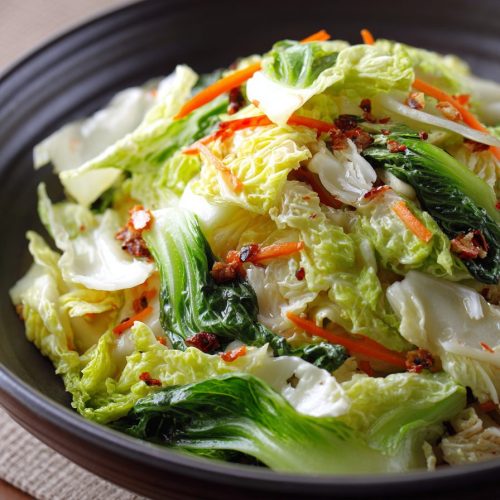
Garlicky Napa Cabbage Skillet
Ingredients
- 1 medium napa cabbage head about 1½–2 pounds, trimmed and sliced; keep white ribs and leafy tops separate
- 2 tablespoons neutral oil such as avocado, canola, or grapeseed; divided
- 1 tablespoon toasted sesame oil
- 4 cloves garlic minced
- 1 tablespoon fresh ginger finely grated, optional but recommended
- 3 green onions (scallions) sliced; whites and greens separated
- 3 tablespoons low-sodium soy sauce or tamari/coconut aminos for gluten-free
- 1 tablespoon rice vinegar
- 1-2 teaspoons sugar, honey, or maple syrup to taste, just enough to balance the soy and vinegar
- 1/4-1/2 teaspoon red pepper flakes or gochugaru to taste, for gentle heat
- 1/4 cup water or low-sodium vegetable broth
- 1-2 teaspoons sesame seeds for topping
- freshly ground black pepper to taste
- 8 ounces extra-firm tofu pressed and cubed; optional protein add-in
- 8 ounces ground pork, turkey, or chicken optional protein add-in
- 1 1/2 cups cooked shredded chicken optional protein add-in
- steamed white or brown rice optional, for serving
- cooked noodles such as ramen, udon, or rice noodles; optional, for serving as a noodle dish
- chili crisp, sriracha, or gochujang optional, for serving if you like it spicy
Instructions
- Rinse the napa cabbage. Cut it lengthwise into quarters, remove the core, then slice crosswise into 1-inch strips. Separate the thicker white ribs into one pile and the leafy tops into another. Mince the garlic, grate the ginger, and slice the scallions, keeping the white parts separate from the green tops.1 medium napa cabbage head, 4 cloves garlic, 1 tablespoon fresh ginger, 3 green onions (scallions)
- Heat a large skillet or wok over medium-high heat. Add 1 tablespoon neutral oil. For tofu: add the cubed tofu and sear on all sides until golden and crisp, 6–8 minutes; transfer to a plate. For ground pork or other meat: cook, breaking it up with a spoon, until browned and cooked through. Drain excess fat if needed and leave the meat in the pan.2 tablespoons neutral oil, 8 ounces extra-firm tofu, 8 ounces ground pork, turkey, or chicken, 1 1/2 cups cooked shredded chicken
- If the pan looks dry, add the remaining 1 tablespoon neutral oil and reduce the heat to medium. Add the minced garlic, grated ginger, and white parts of the scallions. Stir constantly for 30–45 seconds, just until fragrant, adjusting the heat down if the garlic starts to brown.2 tablespoons neutral oil, 4 cloves garlic, 1 tablespoon fresh ginger, 3 green onions (scallions)
- Add the white, crunchy napa cabbage ribs to the pan and toss to coat in the aromatic oil. Sprinkle with a small pinch of salt if desired. Cook for 2–3 minutes, stirring often, until they just begin to soften but still have some bite.1 medium napa cabbage head
- Add the napa cabbage leafy tops and toss well; the volume will look large but will wilt quickly. Pour in the soy sauce, rice vinegar, sugar or other sweetener, red pepper flakes or gochugaru, and water or broth. Stir to combine and cook for 3–5 minutes, stirring occasionally, until the cabbage is tender but not mushy.1 medium napa cabbage head, 3 tablespoons low-sodium soy sauce, 1 tablespoon rice vinegar, 1-2 teaspoons sugar, honey, or maple syrup, 1/4-1/2 teaspoon red pepper flakes or gochugaru, 1/4 cup water or low-sodium vegetable broth
- Turn off the heat. Stir in the toasted sesame oil, the green parts of the scallions, and freshly ground black pepper. Taste and adjust: add more soy for salt, vinegar for brightness, or a pinch more sugar if the flavor is too sharp.1 tablespoon toasted sesame oil, 3 green onions (scallions), 1-2 teaspoons sugar, honey, or maple syrup, freshly ground black pepper
- If you cooked tofu or meat earlier, gently fold it back into the napa cabbage mixture. Warm through for 1–2 minutes so the flavors meld.8 ounces extra-firm tofu, 8 ounces ground pork, turkey, or chicken, 1 1/2 cups cooked shredded chicken
- Serve the garlicky napa cabbage over hot rice or noodles, or as a side dish. Sprinkle with sesame seeds and, if desired, finish with chili crisp, sriracha, or a small spoonful of gochujang for extra heat.1-2 teaspoons sesame seeds, steamed white or brown rice, cooked noodles, chili crisp, sriracha, or gochujang
Notes
- Spicy Korean-style: Add 1–2 tablespoons gochujang and 1–2 teaspoons gochugaru to the sauce; finish with roasted seaweed.
- Napa cabbage with tofu: Use crispy tofu as the protein; add mushrooms or snap peas for more substance.
- Noodle dish: Toss finished cabbage with 8–10 oz cooked noodles and a splash more soy sauce and sesame oil.
- Simple soup: Simmer 4 cups vegetable or chicken broth; add the cooked garlic-ginger napa cabbage, sliced carrots, and cooked chicken or tofu.
- Garlic-butter version: Use 1 tablespoon butter plus 1 tablespoon olive oil instead of neutral oil; skip vinegar and chili and finish with extra black pepper.
- Braised with pork: Brown ground pork, then add napa cabbage, soy sauce, and ½ cup broth; cover and simmer 10–15 minutes. Storage: Refrigerate in an airtight container for up to 3–4 days. Freezing is possible up to 2 months but will yield a softer texture. Reheat gently on the stovetop with a splash of water or broth, or in the microwave in 30–45 second bursts. Make-ahead: You can slice the cabbage and pre-mix the sauce ingredients up to 2 days ahead, storing separately. Great as a base for rice bowls with a soft-boiled egg, tofu, or leftover chicken. Tips: Do not overcook the cabbage—stop while it’s still slightly crisp. Taste and balance the sauce at the end with small adjustments of vinegar, soy, and sugar. Use a wide skillet or wok so the cabbage sautés instead of steaming. Broth adds more depth than water. Add crunchy toppings like raw scallions, sesame seeds, or crushed peanuts right before serving. A splash of fish sauce or a bit of citrus zest can add extra complexity.