Would you like to save this?
Spicy Ramen Recipe (Better Than Takeout in 25 Minutes)
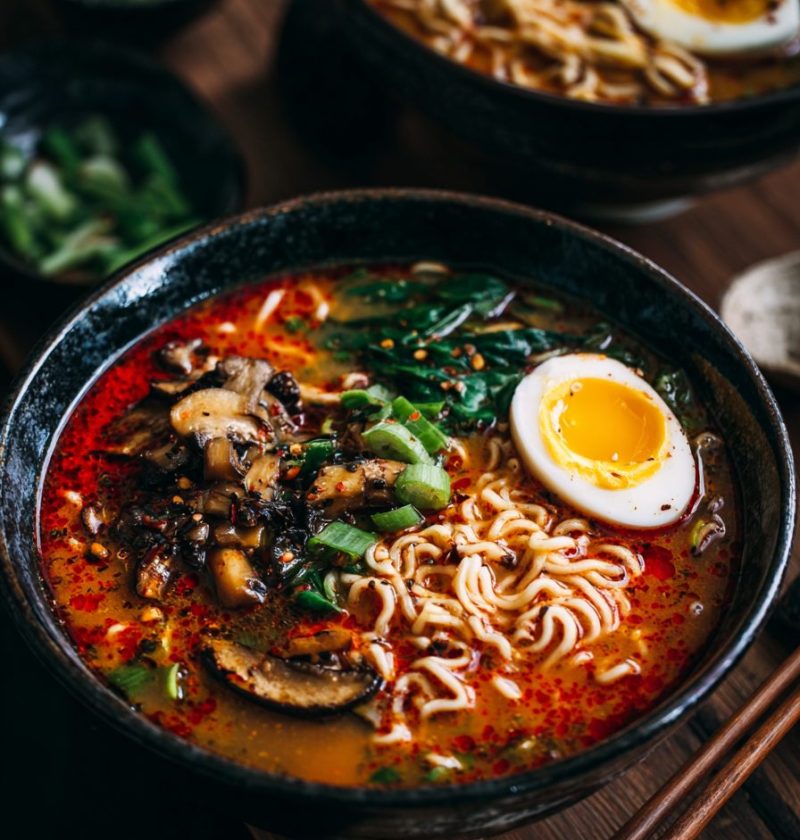
If you love a cozy bowl of noodles with a kick, this Spicy Ramen Recipe is your new weeknight best friend—quick, customizable, and loaded with bold flavor.
I’ve been cooking for my family for over three decades, and let me tell you, a good spicy ramen is the kind of comfort food that makes everyone at the table go quiet for a minute…just slurping and sighing happily. This spicy ramen recipe gives you a rich, flavorful ramen broth, bouncy noodles, and your favorite toppings without needing a plane ticket to Japan or an expensive restaurant bill. It’s a spicy noodle soup that feels restaurant-quality but is very home-cook friendly.
You can keep it simple for a busy Tuesday, or dress it up with jammy eggs, fresh greens, and a drizzle of chili oil when you want something a little special. Think of it as a homemade ramen base you can tweak depending on your mood, the weather, or whatever’s lingering in your fridge.
What Makes This Spicy Ramen Recipe So Special?
This isn’t just “instant noodles with hot sauce.” We’re building a deeply flavorful, spicy broth with layers: garlic, ginger, sesame, chili, and a touch of umami from soy sauce and miso. It hits that sweet spot between hot and comforting—like a hug that also wakes you up.
A few reasons this spicy ramen is one of my go-to quick dinners:
- It uses basic pantry ingredients (soy sauce, broth, chili paste), but tastes like you simmered it all afternoon.
- You can make it mild, medium, or “I’m breathing fire” level hot, just by adjusting the chili.
- It’s a great way to use leftover Chicken, pork, tofu, or veggies.
- It’s ready in about 25 minutes, which is faster than delivery in most places.
I tend to make this spicy Japanese-style ramen when the weather cools down, or when one of my kids texts, “Mom, I’m coming over—do you have soup?” It’s my version of a cozy care package in a bowl.
Why You’ll Love This Spicy Ramen Recipe
- Ready in about 25 minutes – A quick ramen meal that beats takeout on both speed and flavor.
- Deep, flavorful ramen broth – Tastes like a long-simmered spicy broth without actually simmering all day.
- Easy to customize – Toss in leftover chicken, tofu, shrimp, or just keep it as a simple spicy noodle soup.
- Adjustable heat level – Make it mild for kids or ultra-hot for spice lovers; the chili ramen base is very flexible.
- Uses simple ingredients – Mostly pantry staples you probably already have (soy sauce, garlic, broth, chili paste).
- Great for meal prep – Make the broth ahead, then just reheat and add fresh noodles and toppings.
- Nutritious and satisfying – Add veggies, a soft-boiled egg, and lean protein for a balanced bowl of homemade ramen.
- Perfect comfort food ramen – Ideal for cold nights, sick days, or anytime you want a big, steamy bowl of something cozy.
- Budget-friendly – Cheaper than restaurant Japanese ramen but with the same rich, spicy soup vibe.
Ingredients for the Best Spicy Ramen
Here’s what you’ll need for this spicy Japanese noodle soup. Don’t stress if you can’t find every single thing; I’ll share easy substitutions too.
For the Spicy Ramen Broth
- 1 tablespoon neutral oil (canola, avocado, or vegetable oil)
- 1 tablespoon toasted sesame oil (for that classic ramen aroma and flavor)
- 4 cloves garlic, minced (fresh is best for a punchy flavor)
- 1 tablespoon fresh ginger, minced or grated
- 2–3 tablespoons gochujang or chili paste (like sambal oelek; start with 2 tablespoons if you’re spice-shy)
- 1 tablespoon chili-garlic sauce or sriracha (for extra heat and tang)
- 4 cups low-sodium chicken broth or vegetable broth (use good-quality boxed broth if you don’t have homemade)
- 1–1½ cups water (adjust for how concentrated you like the broth)
- 3 tablespoons low-sodium soy sauce (or tamari for gluten-free)
- 1–2 tablespoons white or yellow miso paste (adds umami; optional but highly recommended)
- 1 tablespoon rice vinegar (brightens the broth)
- 1–2 teaspoons sugar or honey (balances the heat and salt)
- Salt, to taste (you may not need much if your broth and soy sauce are salty)
For the Ramen Noodles and Toppings
- 8–10 ounces ramen noodles (fresh if you can find them; otherwise use 3 bricks of instant ramen and discard the seasoning packets)
- 2–3 soft-boiled eggs, halved (cook 6½–7 minutes for jammy yolks)
- 1–2 cups sliced cooked chicken, pork, tofu, or shrimp (great place to use leftovers or rotisserie chicken)
- 1–2 cups baby spinach, bok choy, or shredded Napa cabbage
- ½ cup corn kernels (fresh or frozen; adds sweetness and crunch)
- 3 green onions, thinly sliced (both white and green parts)
- 1 sheet nori, cut into strips (optional, for classic Japanese ramen flavor)
- 1–2 tablespoons toasted sesame seeds (for crunch and nuttiness)
- Chili oil or extra chili flakes, for serving (optional, for hot-and-spicy ramen lovers)
Ingredient Tips & Substitutions
- Broth: Chicken broth gives a richer flavor, but vegetable broth works beautifully for a vegetarian spicy soup recipe.
- Gochujang vs. other chili pastes: Gochujang gives a mellow, complex chili flavor; sambal oelek or even a good Asian chili-garlic sauce is fine if that’s what you have.
- Miso: If you don’t have miso, you can skip it, but the ramen broth won’t be as deep. You can add an extra teaspoon of soy sauce to compensate a bit.
- Noodles: Any Asian wheat noodles work—ramen, udon, or even spaghetti in a pinch (I’ve done it, no shame). Just don’t overcook them; you want them slightly chewy.
- Protein: For vegetarian spicy ramen, use firm tofu or extra veggies and swap chicken broth for vegetable broth and tamari instead of soy sauce if gluten-free is needed.

Step-by-Step Directions (With Helpful Tips)
1. Prep Your Ingredients
Mince the garlic and ginger, slice your green onions, and prep any toppings (soft-boil eggs, slice cooked chicken or tofu, rinse your greens).
It might feel like a lot of chopping, but once everything’s ready, this spicy ramen recipe comes together fast.
2. Build the Aromatic Base
Heat the neutral oil and toasted sesame oil in a medium-large pot over medium heat.
Add the minced garlic and ginger and sauté for 30–60 seconds, stirring constantly, until fragrant.
You’re not trying to brown them—just wake up all those flavors. If they start to brown quickly, lower the heat; burnt garlic will make your spicy broth taste bitter.
3. Add the Chili Components
Stir in the gochujang (or chili paste) and chili-garlic sauce/sriracha. Cook for another 30 seconds, stirring, until the paste darkens slightly and smells toasty and spicy.
This quick step lets the chili “bloom,” which gives your spicy noodle soup a deeper, rounder heat rather than a sharp, one-note burn.
4. Pour in Broth and Seasonings
Slowly pour in the chicken or vegetable broth and the water, stirring to dissolve the chili paste mixture.
Add soy sauce, rice vinegar, and sugar or honey. Stir well.
Bring the mixture up to a gentle boil over medium-high heat, then reduce to a simmer. Taste and adjust the seasoning—add a little more soy sauce for salt, vinegar for brightness, or a pinch more sugar if it feels too sharp.
5. Whisk in the Miso
Turn the heat to low. In a small bowl, add the miso paste and a ladleful of the hot broth. Whisk until smooth, then pour that mixture back into the pot and stir.
This keeps the miso from clumping and helps preserve its flavor. Don’t boil vigorously after adding miso; a gentle simmer is plenty.
6. Cook the Ramen Noodles
While the broth simmers, cook your ramen noodles in a separate pot of boiling water according to package directions—usually 3–4 minutes.
Cooking noodles separately keeps the broth from getting too starchy and the noodles from overcooking if you have leftovers. Drain the noodles and rinse very briefly with hot water if they seem sticky.
7. Quick-Cook the Greens and Protein
Add your greens (spinach, bok choy, or cabbage) directly to the simmering broth for 1–3 minutes, just until wilted and bright.
If your protein is already cooked (chicken, pork, tofu, shrimp), add it to the pot for the last minute or two to warm through.
If you’re using raw shrimp or thin slices of raw pork, simmer them right in the broth until just cooked—shrimp turn pink and opaque; thin pork slices turn pale and firm.
8. Assemble Your Bowls
Divide the cooked ramen noodles between bowls.
Ladle the hot spicy broth, veggies, and protein over the noodles.
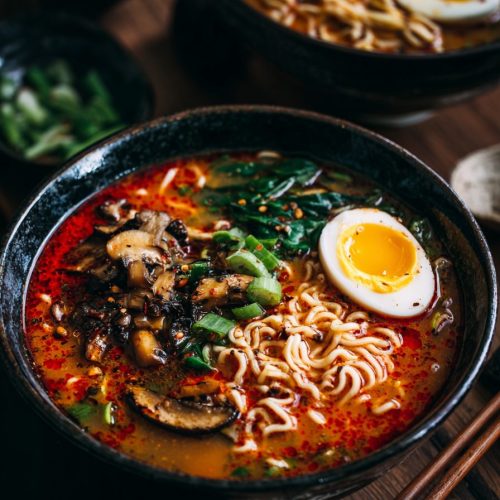
Top with soft-boiled egg halves, green onions, nori strips, sesame seeds, and a drizzle of chili oil if you like things extra hot.
Take a second to appreciate the steam and color before you dig in. It’s amazing how fast a simple kitchen can smell like your favorite ramen shop.
Servings & Timing
- Yield: Serves 3–4 (generous bowls)
- Prep Time: 10–15 minutes (chopping, eggs, toppings)
- Cook Time: 10–15 minutes
- Total Time: About 25–30 minutes
If you already have soft-boiled eggs or leftover protein, it leans closer to that 20–25 minute mark.
Fun Variations on This Spicy Ramen Recipe
You know what? Once you’ve made the basic version, you’ll start thinking of all sorts of twists. Here are a few ideas:
- Creamy Spicy Ramen: Stir in ¼–½ cup coconut milk or half-and-half at the end for a rich, creamy, spicy broth.
- Miso-Mushroom Ramen: Add 1–2 cups sliced mushrooms (shiitake, cremini) when you sauté the garlic and ginger for an umami-packed vegetarian ramen.
- Extra-Garlic Chili Ramen: Double the garlic and add an extra spoon of chili-garlic sauce for a serious garlic kick.
- Spicy Peanut Ramen: Whisk 2 tablespoons peanut butter into the broth for a nutty, slightly thicker, satay-style spicy noodle soup.
- Low-Carb Version: Swap ramen noodles for zucchini noodles or shirataki noodles and go heavier on the veggies.
- Seafood Spicy Ramen: Use shrimp, scallops, or small pieces of firm white fish and a light seafood or vegetable broth.
How to Store & Reheat Spicy Ramen
Ramen is one of those foods that’s best right away, but with a few tricks, leftovers still taste great.
Storing
- Broth: Store leftover spicy broth, veggies, and protein together in an airtight container in the fridge for up to 3–4 days.
- Noodles: Store cooked noodles separately in a container with a tiny splash of oil to keep them from sticking; they’ll keep 2–3 days.
- Eggs: Soft-boiled eggs can be refrigerated (unpeeled) for up to 3 days.
Reheating
- Reheat the spicy broth gently on the stove over medium-low heat until hot but not boiling.
- Add cold noodles to the hot broth just before serving; they’ll warm through in a minute or two.
- If the broth thickens a bit in the fridge, add a splash of water or broth when reheating.
Make-Ahead Tips
- You can make the spicy broth 1–2 days ahead and store it in the fridge. On the day you serve, cook fresh noodles and quickly add toppings.
- For meal prep lunches, pack broth and noodles separately; combine and reheat just before eating to keep that nice chewy noodle texture.
Notes From My Kitchen to Yours
- Taste as you go: Everyone’s “perfect spicy ramen” is different. Start with less chili, taste, and add more gradually. You can always add heat, but you can’t really take it away.
- Balance is everything: If the soup tastes flat, it usually needs salt (soy sauce). If it’s too salty or heavy, add a tiny splash more vinegar or a squeeze of lime. If it’s sharp or too fiery, a pinch of sugar or drizzle of honey can mellow it.
- Noodle texture: Slightly undercooked noodles are better than mushy noodles, especially if you think you’ll reheat later.
- Eggs: If you like very jammy yolks, cook your eggs for around 6½ minutes and plunge them into ice water right away.
- Spice for kids or sensitive eaters: Make the broth milder and keep chili oil on the table so everyone can “customize their heat.” I do this when the grandkids are over.
- Pantry trick: I keep a small jar of “ramen mix” in my pantry—dried garlic, onion powder, chili flakes, and sesame seeds. A sprinkle on top of this spicy ramen adds a lovely little crunch and aroma.
FAQs About Spicy Ramen
1. Can I make this spicy ramen recipe vegetarian or vegan?
Yes—use vegetable broth, skip any meat, and add tofu or extra veggies. Make sure your chili paste and miso are vegan (most are, but check the labels).
2. How do I make it less spicy?
Use just 1 tablespoon of chili paste to start and skip the extra chili-garlic sauce. You can always stir in more heat at the end or add chili oil to individual bowls.
3. What kind of ramen noodles should I buy?
Fresh ramen noodles are wonderful, but dried or instant bricks (without the seasoning packet) work well too. Just aim for wheat-based noodles for that classic chewy texture.
4. Can I use instant ramen seasoning packets?
You can, but they’re usually quite salty and don’t have the same depth as this homemade spicy broth. If you must, use only part of the packet and taste as you go.
5. How can I make the broth even richer?
Use bone broth instead of regular broth or simmer a piece of kombu (dried kelp) and a few dried shiitake mushrooms with the broth, then discard them before serving.
6. Is this spicy ramen recipe good for meal prep?
Yes, especially if you store the noodles and broth separately. Make a big batch of spicy broth on Sunday and cook fresh noodles throughout the week.
7. Can I freeze the broth?
Absolutely. Freeze the broth (without noodles or delicate greens) in airtight containers for up to 2–3 months. Thaw in the fridge overnight and reheat gently on the stove.
8. What vegetables go well in spicy ramen?
Spinach, bok choy, Napa cabbage, mushrooms, carrots, bean sprouts, and corn all work beautifully in this Asian noodle soup.
Wrapping It Up (And Warming You Up)
This spicy ramen recipe is one of those meals that feels like comfort food but still gives you the satisfaction of making something flavorful and homemade. It’s flexible, fast, and full of personality—just like a good weeknight dinner should be.
If you try this spicy ramen, I’d love to hear how you made it your own—did you go for extra chili, add mushrooms, or keep it simple and soothing? Leave a comment, rate the recipe, or share your bowl on social media and tag it so others can find this easy ramen recipe too. And if you’re in a noodle mood, you might also enjoy exploring other Asian noodle soups or my favorite quick stir-fry recipes next.
Spicy Ramen Recipe (Better Than Takeout in 25 Minutes)
Ingredients
- 1 tablespoon neutral oil such as canola, avocado, or vegetable oil
- 1 tablespoon toasted sesame oil
- 4 cloves garlic minced
- 1 tablespoon fresh ginger minced or grated
- 2-3 tablespoons gochujang or chili paste such as sambal oelek; start with 2 tablespoons for milder heat
- 1 tablespoon chili-garlic sauce or sriracha
- 4 cups low-sodium chicken broth or vegetable broth
- 1-1 1/2 cups water adjust for how concentrated you like the broth
- 3 tablespoons low-sodium soy sauce or tamari for gluten-free
- 1-2 tablespoons white or yellow miso paste optional but recommended
- 1 tablespoon rice vinegar
- 1-2 teaspoons sugar or honey
- salt to taste
- 8-10 ounces ramen noodles fresh if possible, or about 3 bricks of instant ramen without seasoning packets
- 2-3 soft-boiled eggs halved; cook 6 1/2–7 minutes for jammy yolks
- 1-2 cups sliced cooked chicken, pork, tofu, or shrimp great use for leftovers or rotisserie chicken
- 1-2 cups baby spinach, bok choy, or shredded Napa cabbage
- 1/2 cup corn kernels fresh or frozen
- 3 green onions thinly sliced, white and green parts
- 1 sheet nori cut into strips, optional
- 1-2 tablespoons toasted sesame seeds
- chili oil or extra chili flakes for serving, optional
Instructions
- Mince the garlic and ginger, slice the green onions, and prep any toppings: soft-boil and peel the eggs, slice the cooked chicken, pork, tofu, or shrimp, and rinse and drain your greens.4 cloves garlic, 1 tablespoon fresh ginger, 2-3 soft-boiled eggs, 1-2 cups sliced cooked chicken, pork, tofu, or shrimp, 1-2 cups baby spinach, bok choy, or shredded Napa cabbage, 3 green onions
- Heat the neutral oil and toasted sesame oil in a medium-large pot over medium heat. Add the minced garlic and ginger and sauté for 30–60 seconds, stirring constantly, just until fragrant. Do not let them brown; reduce heat if they begin to color.1 tablespoon neutral oil, 1 tablespoon toasted sesame oil, 4 cloves garlic, 1 tablespoon fresh ginger
- Stir in the gochujang or chili paste and the chili-garlic sauce or sriracha. Cook for about 30 seconds, stirring, until the mixture darkens slightly and smells toasty and spicy.2-3 tablespoons gochujang or chili paste, 1 tablespoon chili-garlic sauce or sriracha
- Slowly pour in the chicken or vegetable broth and the water, stirring to dissolve the chili mixture. Add the soy sauce, rice vinegar, and sugar or honey. Bring to a gentle boil over medium-high heat, then reduce to a simmer. Taste and adjust seasoning with more soy sauce for salt, vinegar for brightness, or a pinch more sugar if needed.4 cups low-sodium chicken broth, 1-1 1/2 cups water, 3 tablespoons low-sodium soy sauce, 1 tablespoon rice vinegar, 1-2 teaspoons sugar or honey, salt
- Turn the heat to low. In a small bowl, combine the miso paste with a ladleful of the hot broth and whisk until smooth. Pour the miso mixture back into the pot and stir. Keep the broth at a gentle simmer rather than a vigorous boil to preserve the miso’s flavor.1-2 tablespoons white or yellow miso paste
- While the broth simmers, cook the ramen noodles in a separate pot of boiling water according to package directions, usually 3–4 minutes, until just chewy. Drain well. If they seem sticky, briefly rinse with hot water.8-10 ounces ramen noodles
- Add the greens (spinach, bok choy, or Napa cabbage) to the simmering broth and cook for 1–3 minutes, just until wilted and bright. If your protein is already cooked, add it during the last 1–2 minutes to warm through. If using raw shrimp or thin slices of raw pork, simmer them in the broth until just cooked.1-2 cups sliced cooked chicken, pork, tofu, or shrimp, 1-2 cups baby spinach, bok choy, or shredded Napa cabbage
- Divide the cooked ramen noodles among serving bowls. Ladle the hot spicy broth, greens, and protein over the noodles. Top each bowl with soft-boiled egg halves, corn, sliced green onions, nori strips, and toasted sesame seeds. Drizzle with chili oil or sprinkle chili flakes if you like extra heat.8-10 ounces ramen noodles, 4 cups low-sodium chicken broth, 1-1 1/2 cups water, 2-3 soft-boiled eggs, 1/2 cup corn kernels, 3 green onions, 1 sheet nori, 1-2 tablespoons toasted sesame seeds, chili oil or extra chili flakes