Would you like to save this?
Baby Puree Recipe (Perfect for First Foods & Busy Parents)
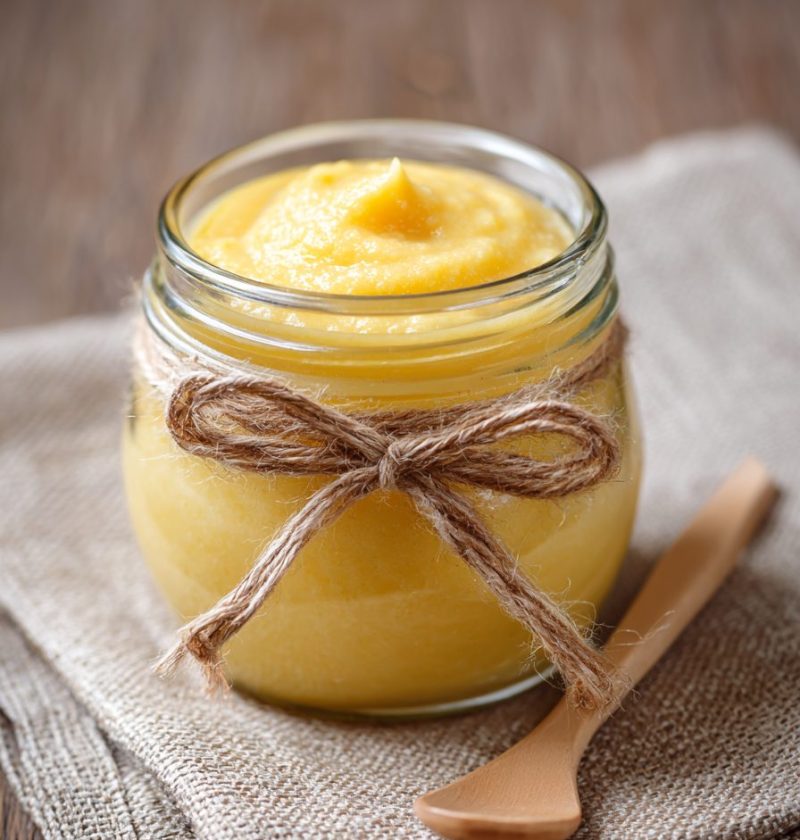
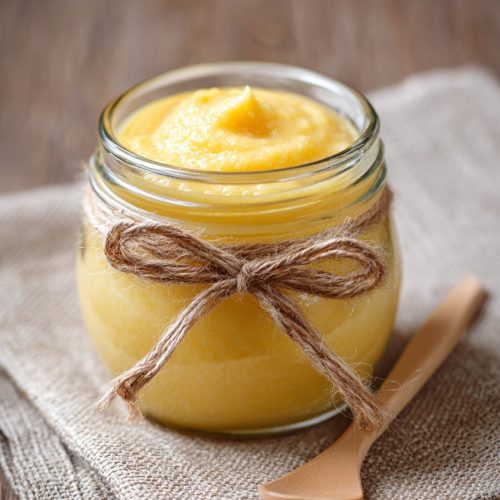
If you’re looking for a simple, wholesome, and budget-friendly Baby Puree Recipe that actually tastes like real food and not “mystery mush,” you’re in the right place.

A Gentle, Homemade Baby Puree Recipe from a Grandma-in-Training
I’ve raised three kids, survived the 90s snack craze, and now I’m in that sweet “grandma-in-training” phase—answering texts from nieces and neighbors asking, “Is this okay for the baby?” So this Baby Puree Recipe comes straight from that season of life: a little practical, a little sentimental, and a whole lot focused on real food.
This is a smooth, easy homemade baby puree that works beautifully as a first foods puree around 6 months (with your pediatrician’s go‑ahead, of course). It’s a mix‑and‑match base you can adapt with fruits or vegetables you already have—sweet potato, carrot, apple, pear, peas—so you get a healthy baby puree without spending a fortune on tiny jars.
What makes this baby food puree special?
It’s simple, gentle on tiny tummies, and made with just a few whole ingredients. No salt, no sugar, no “natural flavors”—just real produce and a bit of breast milk, formula, or water to get that silky, smooth baby puree texture they can easily manage during those first weaning weeks.
And because I know what it’s like to make food with one hand while bouncing a baby on your hip, I’ve kept this infant puree recipe streamlined—no fancy gear required beyond a pot and a blender or food processor.
Why You’ll Love This Baby Puree Recipe
- Perfect for first-time feeders – This first foods puree is very smooth and mild, ideal for 6–8 month babies just starting solids.
- Flexible base recipe – Use it as a “master” homemade baby puree and swap in different fruits and veggies all week long.
- Budget-friendly – Pureed baby food at home costs a fraction of store-bought pouches and jars.
- Easy to batch cook and freeze – Make a big batch of vegetable baby puree on Sunday; thaw single portions as needed.
- No added sugar or salt – Naturally sweet, baby-friendly flavor from real fruit and vegetables only.
- Customizable texture – Blend very smooth at first, then leave it slightly thicker as your baby gets more confident.
- Gentle on tiny tummies – Simple ingredients and slow cooking keep it easy to digest.
- Pairs well with family meals – Steam extra veggies for the adults, puree a portion for baby—everyone wins.
Ingredients for a Basic Baby Puree Recipe (Sweet Potato + Apple)
This recipe makes a lovely starter combo: a vegetable baby puree with a touch of gentle fruit sweetness. You can use all veggie or all fruit if you prefer; I’ll give variations below.
-
1 medium sweet potato (about 8–10 oz / 225–280 g), peeled and chopped
- Look for firm, heavy sweet potatoes with smooth skin—wrinkled ones tend to be dry.
-
1 medium apple (about 6 oz / 170 g), peeled, cored, and chopped
- Choose a naturally sweet variety like Gala, Fuji, or Honeycrisp; avoid very tart apples at first.
-
½–¾ cup water, breast milk, or prepared formula, plus more as needed
- Start with less liquid; you can always add more to reach that smooth baby puree consistency.
-
1–2 teaspoons unsalted butter or neutral oil (optional, for babies over 6 months)
- A small amount of healthy fat helps with nutrient absorption; avocado oil or olive oil works well.
-
Pinch of ground cinnamon (optional, for older babies)
- Skip spices for very first tastes; add a tiny pinch once you know baby tolerates the basic puree.
You can use the same formula to make other homemade baby purees—carrot + pear, butternut squash, peas, or just a simple fruit baby puree like apple or pear on their own.
Directions: How to Make Smooth, Homemade Baby Puree
-
Prep your produce
Peel the sweet potato and apple, then chop them into small, even pieces—about ½‑inch cubes. Smaller pieces cook faster and more evenly, which helps you get that silky-smooth baby puree with less blending. -
Steam or simmer gently
Place the chopped sweet potato and apple in a small saucepan. Add just enough water to cover the bottom of the pan by about ½ inch (you don’t need much). Cover with a lid and bring to a gentle simmer over medium‑low heat.- Cook for 10–15 minutes, stirring once or twice, until both are very tender and can be easily mashed with the back of a spoon.
-
Reserve cooking liquid
Turn off the heat. Carefully pour off any excess liquid into a cup or bowl—you’ll use this to thin the puree. Using the cooking liquid keeps those flavor and nutrients in your baby food puree, instead of sending them down the drain. -
Blend until smooth
Add the cooked sweet potato and apple to a blender, food processor, or use an immersion blender right in the pot. Start with ¼ cup of your reserved liquid, breast milk, or formula.- Blend on low, then increase speed gradually until you get a smooth baby puree with no visible lumps. Scrape down the sides as needed.
-
Adjust consistency
This is where things get personal. For very young babies or first weaning puree, you want it thinner—similar to yogurt. Add more liquid, a tablespoon at a time, and blend again until you reach the texture that feels right for your baby.- As your baby grows, you can keep the puree a bit thicker or even leave tiny, soft bits for texture.
-
Add optional fat or spice (for older babies)
If your baby is at least 6 months and already tolerating this puree well, you can blend in 1–2 teaspoons of unsalted butter, avocado oil, or a tiny pinch of cinnamon.- Always introduce one new thing at a time so you can keep an eye on any reactions.
-
Cool completely before serving
Transfer the pureed baby food to clean, shallow containers or baby food storage trays. Let it cool to room temperature first; hot spots can linger in thick purees.- Once cool, you can serve a small portion immediately and store the rest.
Servings & Timing
- Yield: About 1½–2 cups puree (roughly 8–10 baby servings of 2–3 tablespoons each)
- Prep Time: 10 minutes (peeling and chopping)
- Cook Time: 10–15 minutes
- Blend & Cool Time: 10–15 minutes
- Total Time: Around 30–40 minutes, including cooling
You can easily double this baby puree recipe if you want to stock your freezer for the week.
Fun Variations on This Baby Puree Recipe
Once your pediatrician gives the green light and your baby is doing well with single-ingredient purees, you can start playing around a bit:
- Carrot + Pear Puree – Swap sweet potato for carrot and apple for ripe pear for a naturally sweet baby weaning puree.
- Pea + Apple Green Puree – Use 1 cup peas and 1 apple for a bright green, slightly sweet vegetable baby puree.
- Butternut Squash Puree – Use only squash and thin with breast milk or formula for a simple, cozy fall and winter infant puree recipe.
- Banana + Avocado No‑Cook Puree – Mash ½ banana with ¼ avocado and a splash of milk or formula for a Creamy, no‑cook fruit baby puree.
- Oat + Fruit Breakfast Puree – Stir 1–2 tablespoons of very soft-cooked oats into your apple or pear puree for an easy breakfast.
- Yogurt Swirl Puree (for older babies) – Swirl a spoonful of plain whole-milk yogurt into cooled fruit puree for extra creaminess and Protein.
Storage & Reheating (and Freezer Tips that Actually Work)
Homemade baby food can feel like a project, so let’s make sure it actually fits your life.
-
Fridge:
- Store your baby puree in an airtight container in the refrigerator for up to 3 days.
- I like small glass jars or 4‑oz containers—they’re easy to portion and clean.
-
Freezer:
- Freeze in ice cube trays or silicone baby food trays for up to 3 months.
- Once frozen, pop the cubes into labeled freezer bags with the date and the combo (e.g., “SP + Apple, Feb 5”).
-
Thawing:
- Thaw Overnight in the fridge, or place a frozen cube in a small heatproof bowl and set it in a larger bowl of warm water.
- Stir well and check the temperature so it’s lukewarm, not hot.
-
Reheating:
- You usually don’t need to fully reheat—just gently warm if it’s very cold.
- If you use the microwave, do very short bursts (5–10 seconds), stir well, and test on the inside of your wrist.
-
Make-ahead tip:
- Plan one small “puree session” a week. Make 2–3 varieties of pureed baby food, freeze them in cubes, and then mix and match flavors throughout the week. It feels like a little tasting menu for baby, but it’s really you saving your sanity.
Notes from My Kitchen (and a Few Parenting Trenches)
- Texture matters more than perfection. For a first foods puree, aim for silky smooth. As your baby gets used to eating, you can gradually leave more texture so they learn to handle thicker purees.
- Go slow with combos. Start with single-ingredient purees (just sweet potato, just apple, etc.). Once those are tolerated well, then mix them. This makes it easier to spot any sensitivities.
- Temperature preferences differ. Some babies like their pureed baby food warmed slightly, others don’t mind it cool. Try both and see what your little one leans toward.
- Don’t panic about funny faces. Babies make hilarious faces at new flavors—it doesn’t always mean they dislike it. Sometimes they just need a few tries.
- A little fat helps. As babies get older, adding a touch of healthy fat (olive oil, avocado, butter) can help them absorb fat-soluble vitamins and keeps them fuller.
- Skip salt and sugar. Their taste buds are brand new. Fruits and veggies are perfectly flavorful for them just as they are.
And one more thing, just from a 50-year-old who’s seen a lot of feeding stress: if a meal goes sideways, that doesn’t mean you’re doing it wrong. Babies are learning. You are too.
FAQs About Homemade Baby Puree
1. When can I start giving my baby this puree?
Most babies start first foods puree around 6 months, but always check with your pediatrician, especially if your baby was premature or has allergy concerns.
2. Can I use frozen fruits and vegetables?
Yes—you can absolutely use frozen produce for this baby puree recipe. Just choose plain options without added salt, sugar, or sauces.
3. Do I have to peel the fruits and veggies?
For very young babies, peeling helps make an extra smooth baby puree that’s easier to digest. As they get older and handle more texture, you can leave some peels on and blend very well.
4. How thin should the puree be?
For beginners, think runny yogurt—thin enough to fall off a spoon slowly. Over time, you can make it thicker, almost like mashed potatoes.
5. Can I sweeten the puree with honey or sugar?
No. Skip honey completely before age 1 due to botulism risk, and babies truly don’t need added sugar. Use naturally sweet fruits like apple, pear, or banana instead.
6. What if my baby refuses the puree?
Totally normal. Try again another day, and don’t force it. Sometimes it takes 8–10 tries with a new food before a baby accepts it.
7. Can I mix this puree with cereal?
Yes, you can mix a spoonful of this baby food puree with iron‑fortified baby cereal or very soft oatmeal for an easy meal.
8. How do I know if the puree has gone bad?
If it smells sour, looks darker than usual, has any mold, or you’re just unsure, toss it. In the fridge, stick to the 3‑day rule for safety.
Wrapping It Up (and Cheering You On)
This simple Baby Puree Recipe is a gentle, practical way to start your baby on real foods—smooth, comforting, and made from ingredients you recognize in your own kitchen. Whether you’re making a sweet potato and apple combo or branching out into peas, pear, or butternut squash, you’re giving your little one a beautiful start with wholesome, homemade baby food.
If you try this recipe, I’d love to hear how it went—what your baby loved, what they made silly faces at, and which variations you tried. Leave a comment, share your favorite first foods puree combinations, and if you’re ready for the next step, explore chunkier textures or finger food ideas next. You’ve got this, one tiny spoonful at a time.
Baby Puree Recipe (Sweet Potato + Apple)
Ingredients
- 1 medium sweet potato about 8–10 oz (225–280 g), peeled and chopped into 1/2-inch pieces
- 1 medium apple about 6 oz (170 g), peeled, cored, and chopped into 1/2-inch pieces; choose a naturally sweet variety like Gala, Fuji, or Honeycrisp
- 1/2–3/4 cup water, breast milk, or prepared formula start with less and add more as needed to thin the puree
- 1–2 teaspoons unsalted butter or neutral oil optional, for babies over 6 months; avocado oil or olive oil work well
- 1 pinch ground cinnamon optional, for older babies; skip for very first tastes
Instructions
- Peel the sweet potato and apple, then chop them into small, even 1/2-inch pieces. Smaller, uniform pieces cook faster and more evenly, which helps you get a silky-smooth puree with less blending.1 medium sweet potato, 1 medium apple
- Place the chopped sweet potato and apple in a small saucepan. Add just enough water to cover the bottom of the pan by about 1/2 inch. Cover with a lid and bring to a gentle simmer over medium-low heat. Cook for 10–15 minutes, stirring once or twice, until both are very tender and easily mashed with the back of a spoon.1 medium sweet potato, 1 medium apple
- Turn off the heat. Carefully pour off any excess cooking liquid into a cup or bowl and set aside. You will use this flavorful liquid to thin the puree, keeping nutrients in the food instead of discarding them.
- Transfer the cooked sweet potato and apple to a blender, food processor, or blend directly in the pot using an immersion blender. Add about 1/4 cup of the reserved cooking liquid, breast milk, or prepared formula. Blend on low, then increase the speed gradually until the mixture is completely smooth with no visible lumps, scraping down the sides as needed.1 medium sweet potato, 1 medium apple, 1/2–3/4 cup water, breast milk, or prepared formula
- For very young babies or first-time feeders, aim for a thin, runny-yogurt consistency. Add more of the reserved liquid, breast milk, or formula 1 tablespoon at a time, blending after each addition until you reach the desired texture. For older babies, you can leave the puree slightly thicker or with very tiny, soft bits.1/2–3/4 cup water, breast milk, or prepared formula
- If your baby is at least 6 months old and already tolerates this puree well, blend in 1–2 teaspoons of unsalted butter or neutral oil and, if desired, a tiny pinch of ground cinnamon. Introduce only one new ingredient at a time so you can watch for any reactions.1–2 teaspoons unsalted butter or neutral oil, 1 pinch ground cinnamon
- Transfer the puree to clean, shallow containers or baby food storage trays. Let it cool completely to room temperature before serving or refrigerating, as hot spots can linger in thick purees. Serve a small portion immediately if desired and store the remainder in the fridge or freezer.