
Would you like to save this?
Ezekiel Bread Recipe (Flourless, Sprouted, Nourishing & Surprisingly Easy)
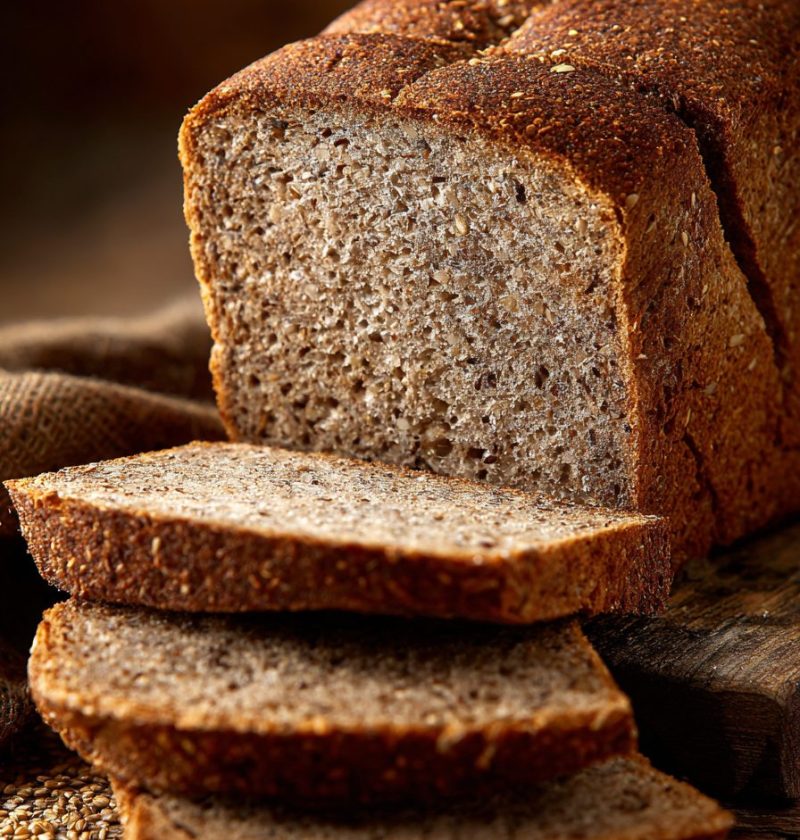
If you’ve been craving a hearty, wholesome loaf that feels like real food and not just “filler,” this Ezekiel Bread Recipe is a game-changer—flourless, packed with sprouted grains and legumes, and wonderfully satisfying.

What Is Ezekiel Bread, Really? (And Why I Love It at 50)
Let me explain what makes this bread a little different from your average loaf of sandwich bread.
This Ezekiel Bread Recipe is inspired by the “biblical bread” mentioned in Ezekiel 4:9—made from a blend of grains and legumes like wheat, barley, beans, lentils, and millet. Traditionally, Ezekiel bread is a flourless grain bread: the grains are sprouted, then ground into a wet mash and baked. That’s what we’re doing here (no white flour, no refined sugar).
It’s sometimes called sprouted grain bread, sprouted wheat bread, or even “ancient grains bread,” and for good reason. You’re eating whole, unprocessed ingredients, and those sprouts wake up a lot of nutritional potential—better digestion, more available nutrients, and a lovely, nutty flavor.
Now, I’m a 50-year-old woman who’s watched food trends come and go—low-fat everything, gluten-free everything, keto everything. But I keep circling back to simple, nutrient dense bread that supports clean eating and steady energy. This homemade Ezekiel bread has:
- A balance of complex carbs, fiber, and plant-based protein
- Low sugar (no added white sugar at all)
- Naturally vegan and dairy free
I like to bake a batch on Sunday afternoons. The house smells like a cozy bakery, and I know I’ve got healthy sprouted bread ready for toast, sandwiches, and little “snack plates” with hummus and sliced veggies all week.
If you’ve ever looked at those pricey store-bought loaves of Ezekiel bread and thought, “There has to be a better way,” this is your better way.
Why You’ll Love This Ezekiel Bread Recipe
- Flourless but hearty – This is a true flourless grain bread made from whole sprouted grains and legumes, not refined flour.
- High in plant-based protein – The combination of wheat, barley, beans, and lentils gives you a naturally high protein bread without any powders.
- Clean eating friendly – No refined sugars, no dairy, no preservatives—just whole, unprocessed grain and legume goodness.
- Naturally vegan & dairy free – This vegan Ezekiel bread fits into plant-based, dairy free, and many whole-food-style diets.
- Deep, nutty flavor – Sprouting brings out a gentle sweetness and a rich, earthy taste that’s perfect with avocado, nut butter, or simple butter and jam.
- Better digestion for many people – Sprouting can make grains and legumes easier to digest than their unsprouted cousins.
- Freezer-friendly meal prep – Slice, freeze, and toast straight from the freezer for grab-and-go breakfasts.
- Budget-conscious – One homemade biblical bread loaf costs less than a single store-bought Ezekiel bread loaf, especially if you buy grains in bulk.
- Customizable – Add seeds, adjust the sweetness, or play with different ancient grains while keeping the same wholesome base.
Ingredients for Homemade Ezekiel Bread
This recipe makes one standard 9×5-inch loaf of whole grain Ezekiel bread. You’ll be sprouting the grains and legumes first, then blending them into a wet “Dough.”
I’ll list the dry weights before sprouting, since that’s easiest to measure.
Sprouted Grain & Legume Blend
- 1 cup whole wheat berries
- (Hard red or hard white wheat both work; hard white gives a slightly lighter flavor.)
- ½ cup spelt berries or additional wheat berries
- (Spelt adds a lovely sweet, nutty flavor; use more wheat berries if you don’t have spelt.)
- ½ cup whole barley (hulled barley, not pearled if possible)
- (Hulled barley keeps more fiber and nutrients than pearled.)
- ¼ cup whole millet
- (Adds a gentle sweetness and nice texture to this ancient grains bread.)
- ¼ cup dried green or brown lentils
- (These are the base for sprouted lentil bread—don’t use red lentils; they get too mushy.)
- ¼ cup dried great northern beans or navy beans
- (You can also use pinto beans; just avoid kidney beans when sprouting at home.)
Liquids & Flavorings
- 1 cup warm water (about 105–110°F)
- (Warm, not hot—think a nice warm bath; too hot will kill the yeast.)
- 2 tablespoons neutral oil
- (Olive oil, avocado oil, or grapeseed oil all work; olive oil gives the most flavor.)
- 2–3 tablespoons honey or maple syrup
- (Keeps this a low sugar bread recipe while giving yeast just enough food; use maple syrup for fully vegan Ezekiel bread.)
- 1½ teaspoons fine sea salt
- (Salt matters for flavor—don’t skip it.)
Leavening
- 2¼ teaspoons active dry yeast (one packet)
- (You can use instant yeast and skip the blooming step if you’re comfortable with it.)
Optional Add-Ins (For Texture & Nutrition)
- 2–3 tablespoons sunflower seeds or pumpkin seeds
- (Press a few on top for a pretty crust on your sprouted grain bread.)
- 1–2 tablespoons ground flaxseed or chia seeds
- (Adds omega-3s and a slightly denser, more rustic crumb.)
- 1–2 tablespoons rolled oats for the top
- (Purely decorative; looks beautiful on whole grain Ezekiel bread.)
How to Make Sprouted Ezekiel Bread (Step-by-Step)
You know what? The process sounds more complicated than it feels. Once you’ve done it once, it becomes a rhythm—so don’t let the word “sprouted” scare you off.
1. Rinse and soak the grains and legumes
Place the wheat berries, spelt (if using), barley, millet, lentils, and beans in a large bowl. Rinse several times under cool water, draining off any dust or chaff. Cover with plenty of fresh water (they’ll expand), and let them soak for 8–12 hours or overnight.
Tip: I usually start the soak before bed so they’re ready to drain in the morning.
2. Drain and start sprouting
After soaking, drain the grains and legumes well using a fine-mesh strainer or sprouting jar lid. Rinse with cool water, drain thoroughly, then set them at an angle to continue draining—somewhere with good airflow but not in direct hot sun.
Sensory cue: The mixture should feel damp but not submerged in any standing water.
3. Rinse and sprout, 2–3 times a day
Rinse and drain the grains and legumes 2–3 times per day (morning and evening is fine) for about 24–36 hours, until you see tiny white “tails” forming, about ¼ inch long.
Don’t over-sprout: Once the tails are about as long as the grain, you’re done. Longer sprouts can give the bread a more grassy flavor.
4. Pat dry and weigh or measure the sprouted mixture
Once sprouted, give everything a final rinse and drain very well. Pat dry gently with a clean towel. You’ll have more volume now—usually about 4–5 cups of sprouted mixture. If it still seems very wet, spread it on a clean towel for 20–30 minutes to air dry a bit before blending.
5. Prepare the pan and preheat the oven
Grease a 9×5-inch loaf pan lightly with oil and line it with a strip of parchment paper for easy removal. Preheat your oven to 350°F (175°C).
6. Bloom the yeast
In a small bowl, combine the warm water (about 1 cup), honey or maple syrup, and active dry yeast. Stir gently and let it sit for 5–10 minutes until foamy.
If it doesn’t foam: Your yeast might be old, or the water was too hot or too cool. It’s worth restarting here; good yeast is the backbone of this homemade Ezekiel bread.
7. Blend the sprouted grains into a “dough”
Place the sprouted grain and legume mixture in a food processor or high-powered blender. Pulse and process until you get a thick, slightly sticky paste—like a very coarse hummus. It won’t look like traditional bread dough; that’s okay.
Tip: Work in batches if your processor is smaller. Scrape down the sides as needed for even texture.
8. Mix in liquids, salt, and optional add-ins
Transfer the sprouted mash to a large mixing bowl. Stir in the bloomed yeast mixture, oil, salt, and any optional seeds or ground flax. The “dough” will be more like a thick batter than a kneadable dough.
If it seems extremely stiff (like you can stand a spoon upright), add 1–2 extra tablespoons of warm water. If it seems overly thin (pouring like pancake batter), add a spoonful or two of ground flax or oat bran to thicken.
9. First rise (rest the batter)
Spoon the batter into the prepared loaf pan and smooth the top with a spatula. Cover loosely with a clean kitchen towel or oiled plastic wrap. Let rest in a warm, draft-free place for about 45–60 minutes, or until the batter has risen close to the top of the pan.
It won’t double like white bread, but you should see a noticeable puffing and tiny bubbles on the surface.
10. Top and bake
If you’d like, sprinkle the top with sunflower seeds, pumpkin seeds, or rolled oats. Bake at 350°F (175°C) for 40–50 minutes, until the top is deeply golden brown and the loaf sounds hollow when tapped.
If you have an instant-read thermometer, the center should reach about 195–200°F.
11. Cool completely before slicing
This part is hard, but it matters: let your Ezekiel bread cool in the pan for 10–15 minutes, then lift it out and cool fully on a rack—at least 1–2 hours. Slicing too early can make the crumb gummy since this is a very moist, dense, whole grain loaf.
Servings & Timing
- Yield: 1 loaf (about 12–14 slices)
- Prep Time: 25–30 minutes active (plus blending and mixing)
- Sprouting Time: 24–36 hours (hands-off; just quick rinses)
- Rise Time: 45–60 minutes
- Bake Time: 40–50 minutes
- Total Time (start to finish): About 2½–3 days, though most of that is passive sprouting time
Fun Variations on Ezekiel Bread
Once you’re comfortable with the basic recipe, you can start playing a bit.
- Seed-Crusted Ezekiel Bread – Press sesame, sunflower, and poppy seeds into the top before baking for extra crunch and visual flair.
- Cinnamon Raisin Sprouted Bread – Add 1–2 teaspoons cinnamon and ½ cup raisins to the batter for a lightly sweet breakfast loaf.
- Extra-Protein Version – Stir in 2–3 tablespoons hemp hearts or additional lentils for a slightly higher protein bread.
- Herb & Garlic Savory Loaf – Mix in 1–2 teaspoons dried Italian herbs and 1 teaspoon garlic powder; amazing for avocado toast or soup.
- Gluten-Reduced (Not Gluten-Free) Variation – Increase lentils and millet slightly and decrease wheat and spelt by the same amount; it’ll still contain gluten but be more grain-diverse.
- Mini Loaves or Muffins – Bake the batter in greased mini loaf pans or a muffin tin and adjust the bake time to about 20–25 minutes, watching closely.
How to Store & Reheat Ezekiel Bread
Because this is a moist, flourless grain bread with no preservatives, it doesn’t last on the counter as long as store-bought bread. That’s not a flaw—it’s just real food being real.
- Room Temperature: Store tightly wrapped at room temperature for up to 2 days. I like to keep it in a bread box or wrapped in a clean towel inside a reusable bag.
- Refrigerator: For longer storage, keep it in an airtight container or wrapped well in the fridge for up to 5–6 days.
- Freezer: For the best long-term storage, slice the cooled loaf, layer parchment between slices (or flash-freeze them on a tray), then store in a freezer bag for up to 3 months.
To reheat or use from frozen:
- Toast slices straight from the freezer—you might just need an extra cycle in the toaster.
- For sandwiches, thaw a slice at room temperature for 10–15 minutes or warm gently in a low oven (300°F) for 5–7 minutes.
Make-Ahead Tip:
Bake one loaf for this week and one for later; freezing a second loaf means you always have healthy sprouted bread ready for busy mornings.
Notes From My Kitchen to Yours
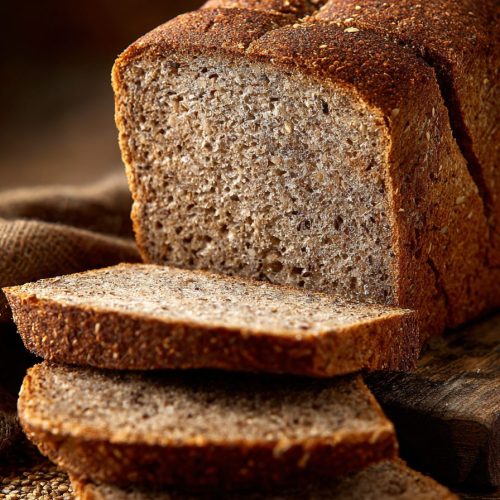
- Texture expectations: This is a dense, chewy, whole grain Ezekiel bread—not fluffy sandwich bread. Think hearty and rustic, perfect for open-faced sandwiches and toast.
- Blender vs. food processor: A sturdy food processor handles the sprouted mixture best. High-speed blenders can work too, but you might have to stop and scrape down more often.
- On sweetness: I tend to use 2 tablespoons of honey or maple syrup when I want a more neutral, everyday loaf. For a breakfast-style bread, bump it to 3 tablespoons and add cinnamon and raisins.
- Hydration tweaks: Sprouted grains can vary in moisture. If your first loaf feels too dense, add 1–2 extra tablespoons of warm water next time. If it collapses a bit, cut back on the water or add a bit more ground flax.
- Salt matters: Don’t skimp—because this is a flourless grain bread, good seasoning keeps it from tasting “flat.” I’ve found 1½ teaspoons sea salt to be the sweet spot.
- My favorite way to eat it: Lightly toasted, spread with almond butter, a drizzle of honey, and a sprinkle of cinnamon. It keeps me full all morning—no 10:30 snack panic.
FAQs About Ezekiel Bread Recipe
1. Is Ezekiel bread gluten-free?
No. This Ezekiel Bread Recipe contains wheat and barley, which both have gluten. If you need gluten-free bread, this isn’t the right recipe.
2. Can I skip the sprouting step and just cook the grains?
You can, but then it isn’t really traditional Ezekiel bread. Sprouting improves the texture, flavor, and nutrient availability, and helps it behave more like “dough.”
3. How do I know my grains are sprouting safely?
They should smell fresh and slightly grassy, never sour or rotten. If you see mold (fuzzy patches), discard and start over, and make sure to drain better next time.
4. Can I use canned beans instead of dried beans for this bread?
No, canned beans are already fully cooked and too soft; they won’t sprout and will throw off the texture. Stick with dried beans for this biblical bread recipe.
5. My loaf is very dense—did I do something wrong?
Some density is normal for flourless grain bread, but if it’s too heavy, you may have under-sprouted, under-risen, or used too little water. Next time, let it rise a bit longer and check that your yeast is active.
6. Can I make this in a bread machine?
Most bread machines aren’t designed for thick sprouted grain batters like this. You can mix the wet ingredients in the machine if you want, but I recommend baking in a regular loaf pan.
7. How do I make this bread sweeter for breakfast?
Add an extra tablespoon of honey or maple syrup, stir in cinnamon, and fold in ½ cup raisins or chopped dates for a gentle, naturally sweet loaf.
8. Is this bread suitable for people watching their blood sugar?
Everyone’s body is different, but many people find that sprouted whole grains and low sugar bread recipes like this give more stable energy than white bread. Always check with your healthcare provider if you have specific needs.
Wrapping It Up (And Warming It Up in the Toaster)
This Ezekiel Bread Recipe is a beautiful way to bring ancient, whole, unprocessed grain bread into a modern kitchen—flourless, high in plant-based protein, gently sweet, and deeply satisfying. It asks a little patience with the sprouting, but pays you back in flavor, nutrition, and that cozy feeling of “I made this, and it’s truly good for me.”
If you try this homemade Ezekiel bread, I’d love to hear how it turned out—tell me in the comments what you spread on your first warm slice. And if you enjoy clean eating bread recipes like this, you might also like experimenting with other sprouted grain or whole wheat loaves next; once you get hooked on real bread, it’s hard to go back.
Ezekiel Bread (Flourless Sprouted Grain Bread)
Ingredients
- 1 cup whole wheat berries hard red or hard white
- 1/2 cup spelt berries or additional wheat berries
- 1/2 cup whole barley preferably hulled, not pearled
- 1/4 cup whole millet
- 1/4 cup dried green or brown lentils do not use red lentils
- 1/4 cup dried great northern beans or navy beans or pinto beans; do not use kidney beans for sprouting
- 1 cup warm water about 105–110°F (40–43°C), plus 1–2 extra tablespoons as needed
- 2 tablespoons neutral oil olive, avocado, or grapeseed oil
- 2 tablespoons honey or maple syrup use maple syrup for fully vegan bread; may increase to 3 tablespoons for a sweeter loaf
- 1 1/2 teaspoons fine sea salt
- 2 1/4 teaspoons active dry yeast one standard packet; or use instant yeast and skip blooming if preferred
- 2 tablespoons sunflower seeds or pumpkin seeds optional, plus extra for topping
- 1 tablespoon ground flaxseed or chia seeds optional, can increase to 2 tablespoons
- 1 tablespoon rolled oats optional, for topping; can increase to 2 tablespoons
Instructions
- Place the wheat berries, spelt berries (or extra wheat), barley, millet, lentils, and beans in a large bowl. Rinse several times under cool water, draining off any dust or chaff. Cover with plenty of fresh water to allow for expansion and soak for 8–12 hours or overnight.1 cup whole wheat berries, 1/2 cup spelt berries, 1/2 cup whole barley, 1/4 cup whole millet, 1/4 cup dried green or brown lentils, 1/4 cup dried great northern beans or navy beans
- After soaking, drain the grains and legumes well using a fine-mesh strainer or sprouting jar lid. Rinse with cool water, drain thoroughly, then set the mixture at an angle to continue draining in a well-ventilated spot out of direct hot sun. The mixture should be damp but not sitting in water.1 cup whole wheat berries, 1/2 cup spelt berries, 1/2 cup whole barley, 1/4 cup whole millet, 1/4 cup dried green or brown lentils, 1/4 cup dried great northern beans or navy beans
- Rinse and drain the grains and legumes 2–3 times per day for about 24–36 hours, until tiny white sprouts (tails) about 1/4 inch long appear. Do not over-sprout; once the tails are about as long as the grain, stop.1 cup whole wheat berries, 1/2 cup spelt berries, 1/2 cup whole barley, 1/4 cup whole millet, 1/4 cup dried green or brown lentils, 1/4 cup dried great northern beans or navy beans
- Give the sprouted mixture a final rinse and drain very well. Pat dry gently with a clean towel. You should have about 4–5 cups of sprouted grains and legumes. If they still seem very wet, spread on a clean towel for 20–30 minutes to air dry slightly before blending.1 cup whole wheat berries, 1/2 cup spelt berries, 1/2 cup whole barley, 1/4 cup whole millet, 1/4 cup dried green or brown lentils, 1/4 cup dried great northern beans or navy beans
- Lightly grease a 9×5-inch loaf pan with oil and line with a strip of parchment paper for easy removal. Preheat the oven to 350°F (175°C).
- In a small bowl, combine 1 cup warm water (105–110°F / 40–43°C), honey or maple syrup, and active dry yeast. Stir gently and let sit for 5–10 minutes until foamy. If the mixture does not foam, the yeast may be inactive or the water temperature may be off; restart with fresh yeast.1 cup warm water, 2 tablespoons honey or maple syrup, 2 1/4 teaspoons active dry yeast
- Place the well-drained sprouted grains and legumes into a food processor or high-powered blender. Process until you obtain a thick, slightly sticky paste resembling very coarse hummus. Scrape down the sides as needed and work in batches if your machine is small. The mixture will not look like traditional kneadable dough.1 cup whole wheat berries, 1/2 cup spelt berries, 1/2 cup whole barley, 1/4 cup whole millet, 1/4 cup dried green or brown lentils, 1/4 cup dried great northern beans or navy beans
- Transfer the sprouted paste to a large mixing bowl. Stir in the bloomed yeast mixture, neutral oil, sea salt, and any optional sunflower or pumpkin seeds and ground flax or chia. The mixture should resemble a very thick batter rather than a firm dough. If it is extremely stiff, add 1–2 tablespoons of warm water. If it is overly thin and pours like pancake batter, add a spoonful or two of ground flax or oat bran to thicken.1 cup warm water, 2 tablespoons neutral oil, 2 tablespoons honey or maple syrup, 1 1/2 teaspoons fine sea salt, 2 1/4 teaspoons active dry yeast, 2 tablespoons sunflower seeds or pumpkin seeds, 1 tablespoon ground flaxseed or chia seeds
- Spoon the batter into the prepared 9×5-inch loaf pan and smooth the top with a spatula. Cover loosely with a clean kitchen towel or lightly oiled plastic wrap. Let rise in a warm, draft-free place for 45–60 minutes, until the batter has puffed and risen close to the top of the pan. It will not fully double but should show visible bubbles and light expansion.
- If desired, sprinkle the top of the loaf with additional sunflower seeds, pumpkin seeds, or rolled oats. Bake at 350°F (175°C) for 40–50 minutes, until the top is deeply golden brown and the loaf sounds hollow when tapped. An instant-read thermometer inserted in the center should read 195–200°F (90–93°C).2 tablespoons sunflower seeds or pumpkin seeds, 1 tablespoon rolled oats
- Let the loaf cool in the pan for 10–15 minutes, then lift it out using the parchment and transfer to a wire rack. Cool completely for at least 1–2 hours before slicing to prevent a gummy texture. Slice into 12–14 slices for serving.