Would you like to save this?
Crescent Roll Cheesecake Bars Recipe
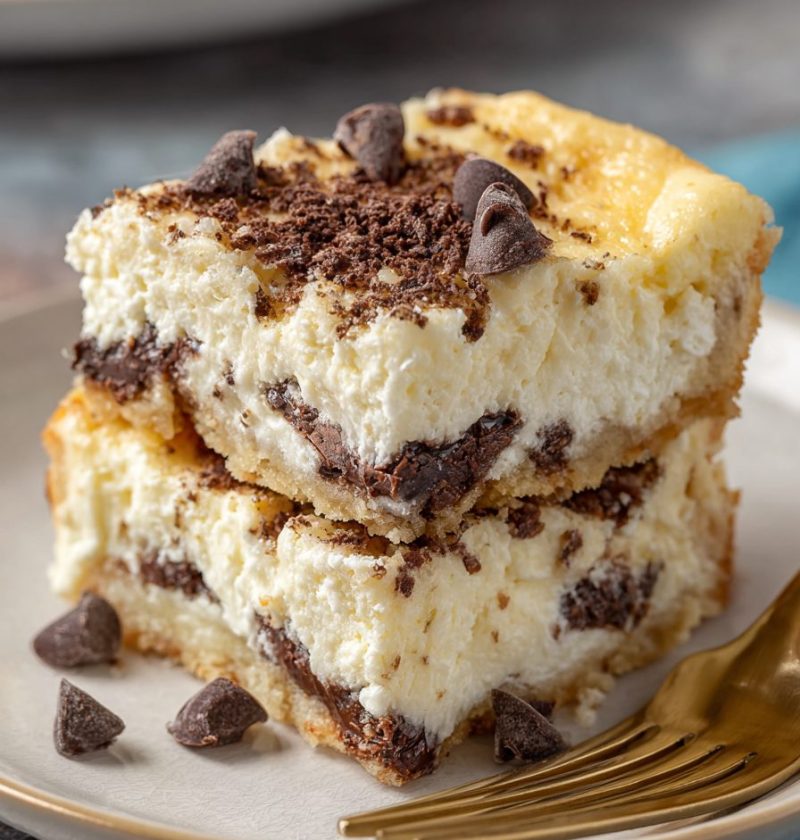
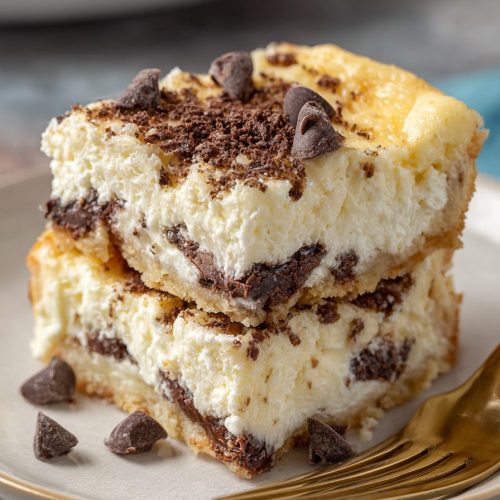
If you need a dessert that tastes like you fussed all afternoon—but secretly took you 15 minutes—this Crescent Roll Cheesecake Bars Recipe is about to be your new party trick. Buttery crescent roll dough, a silky cream cheese filling, and a golden cinnamon-sugar top… it’s comfort dessert in every bite.
Full Recipe Introduction
These crescent roll cheesecake bars are a simple layered cheesecake bars recipe made with store‑bought buttery crescent dough and a lightly sweet cream cheese filling. Think of it as a cross between a classic baked cheesecake and a cozy crescent roll pastry dessert—without the stress of water baths or fancy equipment.
I started making these when my kids were in middle school and I needed something fast for bake sales. Now that I’m 50 and cooking for a mix of grown kids, neighbors, and a hungry husband who “doesn’t like dessert” (until this comes out of the oven), these crescent roll cheesecake bars still save the day.
They’re wonderful for:
- Holiday brunches
- Church potlucks
- Weeknight “I just need something sweet” cravings
- Last‑minute guests when you want a dessert that looks like you planned ahead
This Crescent Roll Cheesecake Bars Recipe is also very forgiving. The crescent roll dough gives you a ready-made, flaky crust and lid. The cream cheese filling is whisked together in a bowl—no mixer required if you soften the cream cheese well. And because we use a simple cinnamon-sugar topping, you get that bakery-style look without any decorating skills.
You know what I love most? These bars taste even better the next day, after they’ve chilled. So you can bake them ahead and check dessert off your list.
Why You’ll Love This Recipe
- Ridiculously easy: Uses refrigerated crescent roll dough, so no homemade crust drama.
- Familiar flavors: Classic cheesecake bars recipe flavors—cream cheese, vanilla, cinnamon sugar—everyone recognizes and loves.
- Quick prep: About 15 minutes of hands-on time; the oven does the rest.
- Crowd‑friendly: Baked cheesecake squares cut neatly and travel well for parties or potlucks.
- Make‑ahead friendly: Actually tastes better after chilling, so it’s perfect for planning ahead.
- Budget‑conscious: Simple pantry ingredients; no fancy specialty items needed.
- Customizable: Easy to turn into berry, lemon, chocolate, or even pumpkin crescent roll cheesecake.
- Beginner‑friendly: Great starter dessert for new bakers or teens learning their way around the kitchen.
- Small pan, big yield: One 9×13 pan of crescent roll bars can serve a good‑sized group.
Ingredients
Here’s everything you need to make this Crescent Roll Cheesecake Bars Recipe, plus a few helpful notes and swaps.
- 2 cans (8 oz each) refrigerated crescent roll dough
- Regular or “crescent sheets” both work. If using regular, pinch the seams together.
- 2 packages (8 oz each) cream cheese, softened
- Full‑fat gives the creamiest texture. You can use Neufchâtel (⅓ less fat) for a slightly lighter bar.
- 1 cup granulated sugar, divided
- ¾ cup goes in the filling, ¼ cup goes on top with the cinnamon.
- 1 teaspoon pure vanilla extract
- Use real vanilla for the best flavor; this recipe is simple, so every flavor stands out.
- Pinch of fine sea salt
- Balances the sweetness and brings out the cream cheese flavor.
- ½ teaspoon ground cinnamon
- For the cinnamon-sugar topping; adjust to taste if your family loves extra cinnamon.
- ½ cup (1 stick) unsalted butter, melted
- Poured over the top layer to create a golden, almost caramelized finish.
- Optional but recommended: 1–2 teaspoons fresh lemon zest
- Brightens the cream cheese filling and adds a subtle bakery-style flavor.
Helpful ingredient tips:
- Cream cheese:
Set it out at least 45–60 minutes before baking. Soft cream cheese means no lumps and no need for a mixer. If you forgot, microwave it in 10‑second bursts on low power, checking often. - Crescent roll dough:
Keep it cold until you’re ready to unroll. Warm dough gets sticky. - Butter:
I like unsalted, because brands vary a lot in salt level. If you only have salted butter, just skip the added pinch of salt.

Directions
-
Preheat and prep your pan
Preheat your oven to 350°F (175°C). Lightly grease a 9×13‑inch baking dish with butter or nonstick spray. For easier removal, you can line it with parchment paper and let the edges hang over the sides. -
Prepare the bottom crescent layer
Open one can of crescent roll dough and gently unroll it. Press it into the bottom of the pan, pinching any seams together so you have one even layer. It doesn’t have to look perfect—once it bakes, those little imperfections disappear. -
Make the cream cheese filling
In a medium bowl, add the softened cream cheese, ¾ cup sugar, vanilla, salt, and lemon zest (if using).
Beat with a hand mixer on medium speed until smooth and fluffy, about 1–2 minutes.
No mixer? Use a sturdy whisk or spatula and some elbow grease, mashing the cream cheese first, then whisking in the sugar and flavorings. -
Spread the cheesecake layer
Pour the cream cheese filling over the crescent roll crust. Use an offset spatula or the back of a spoon to spread it into an even layer, right out to the corners. You want every bite to have creamy filling. -
Add the top crescent layer
Unroll the second can of crescent roll dough.- If you have crescent sheets, just lay the whole sheet over the filling.
- If you have regular crescents, press them together on a lightly floured counter first, then carefully transfer that “sheet” on top.
If it tears a little, don’t stress—just pinch and patch. The butter and sugar topping will cover a multitude of sins.
-
Mix the cinnamon sugar
In a small bowl, stir together the remaining ¼ cup sugar and ½ teaspoon cinnamon. -
Butter and sprinkle
Slowly pour the melted butter over the top crescent layer, trying to coat it as evenly as you can. It’s okay if some pools around the edges.
Immediately sprinkle the cinnamon-sugar mixture evenly over the buttery top. This is what gives you that gorgeous, golden, slightly crisp finish. -
Bake
Bake on the middle rack for 25–30 minutes, or until the top is deep golden brown and you can see a little bubbling around the edges.
Your kitchen should smell like a bakery at this point—that’s your main “doneness” cue. -
Cool and chill
Let the pan cool on a wire rack for at least 30 minutes.
For neat bars and the best cheesecake texture, cover and chill in the fridge for at least 2 hours, or ideally overnight. The filling will firm up and slice beautifully. -
Slice and serve
Use the parchment overhang (if you used it) to lift the entire slab out. Cut into 16–20 bars with a sharp knife, wiping the blade between cuts for clean edges.
Serve chilled or closer to room temperature. I like a cold bar with a hot cup of coffee—it’s a nice contrast.
Servings & Timing
- Yield: About 16–20 crescent roll cheesecake bars, depending on how large you slice them
- Prep Time: 15 minutes
- Bake Time: 25–30 minutes
- Chill Time: 2 hours minimum (overnight recommended)
- Total Time: About 2 hours 45 minutes (mostly hands‑off)
If you’re planning for a party, my personal rule: one pan serves about 10–12 people comfortably, assuming some will come back for seconds. And they usually do.
Variations
Sometimes a base recipe is just the starting point. Here are a few fun twists you can play with:
-
Berry Swirl Crescent Roll Cheesecake
Spoon ½ cup raspberry or Strawberry jam over the cream cheese layer and swirl it in with a knife before adding the top dough. -
Lemon Cheesecake Bars
Add 2–3 tablespoons fresh lemon juice and extra zest to the filling, and skip the cinnamon in the topping for a bright, tangy dessert. -
Chocolate Chip Cheesecake Bars
Fold ½–¾ cup mini chocolate chips into the cream cheese filling, and sprinkle a few on top before baking. -
Nutty Cinnamon Crunch
Add ½ cup chopped pecans or walnuts over the cinnamon sugar layer for extra crunch and flavor. -
Pumpkin Spice Crescent Roll Bars
Beat ½ cup pumpkin puree and 1 teaspoon pumpkin pie spice into the filling for an easy, fall‑ready crescent roll dessert. -
Lightened‑Up Version
Use Neufchâtel cheese, reduce the sugar in the filling to ½ cup, and skip half of the butter on top. The bars will be a bit less rich but still very satisfying.
Storage & Reheating
-
Fridge:
Store the bars covered in the refrigerator for up to 4–5 days. I like to keep them in a glass container so they don’t absorb fridge smells. -
Freezer:
Freeze fully cooled bars in a single layer on a sheet pan. Once solid, transfer to a freezer bag or container, separating layers with parchment. Freeze for up to 2 months. -
Thawing:
Thaw in the fridge overnight or on the counter for about 30–45 minutes. The texture is best when they’ve had time to soften gently. -
Reheating (optional):
These are meant to be enjoyed chilled or at room temperature, but if you like a warm, gooey bar, microwave an individual piece for 10–15 seconds. The top will soften, and the center gets extra creamy. -
Make‑ahead tip:
Bake the day before, chill overnight, and slice right before serving. This is actually one of those desserts that rewards you for being prepared.
Notes (From My Kitchen to Yours)
-
About sweetness:
Most folks love the sweetness level as written, but if you’re sensitive to sugar, you can reduce the filling sugar to ½–⅔ cup and leave the topping as is. -
Pan choice matters a bit:
A glass pan tends to bake a touch slower and more evenly. A metal pan may brown faster, so start checking around the 22‑minute mark. -
Neat slices:
For bakery‑style squares, chill thoroughly and use a long, sharp knife. Wipe the blade clean after each cut. It feels fussy, but the result is worth it. -
Flavor “data point”:
When I tested these with my family, the batch with lemon zest and a full teaspoon of vanilla disappeared twice as fast. Tiny flavor boosts make a big difference in simple recipes. -
Serving ideas:
Try serving small bars on a brunch board with fresh berries, bacon, and scrambled eggs. It feels special, but you didn’t add any extra work.
FAQs
Can I use crescent roll sheets instead of regular crescent rolls?
Yes. Crescent roll sheets work beautifully and are even easier to lay down as a single layer—no pinching seams needed.
Do these taste like traditional cheesecake?
They have a similar creamy, tangy cheesecake flavor, but in a lighter, less dense bar form with a flaky, buttery crescent crust.
Can I make this Crescent Roll Cheesecake Bars Recipe ahead for a party?
Absolutely—these bars are perfect for making 1–2 days ahead. Keep them chilled and slice just before serving.
Why is my cream cheese filling lumpy?
Your cream cheese was likely too cold. Next time, let it soften longer or warm it slightly before mixing, and be sure to beat until very smooth.
Can I cut the recipe in half?
Yes. Bake in an 8×8 or 9×9 pan, and start checking a few minutes earlier since the bars may be slightly thicker.
Can I use flavored cream cheese (like strawberry)?
You can, but the bars will be sweeter and the texture a bit softer. If you try flavored cream cheese, reduce the sugar in the filling to about ½ cup.
Do I have to chill the bars before serving?
Chilling isn’t strictly mandatory, but it makes a big difference—chilled bars slice cleaner and the filling sets up like proper cheesecake.
Can I reduce the butter on top?
Yes. You can use as little as ¼ cup melted butter. The top will be slightly less rich and crisp, but still delicious.
Conclusion
These Crescent Roll Cheesecake Bars bring together everything I love about easy desserts: simple ingredients, fast prep, and that “wow, you made this?” reaction when people take a bite. Buttery crescent roll dough, creamy vanilla‑kissed filling, and a cinnamon‑sugar crunch on top—it’s a combination that works every single time.
If you try this Crescent Roll Cheesecake Bars Recipe, let me know how it went and what fun twists you added. Leave a comment, share a photo, or explore more easy cheesecake bars and crescent roll dessert ideas on my blog the next time you’re planning a sweet treat.
Crescent Roll Cheesecake Bars
Ingredients
- 2 cans refrigerated crescent roll dough 8 oz each; regular or crescent sheets. If using regular, pinch seams together.
- 16 oz cream cheese softened; full-fat preferred (or Neufchâtel for lighter bars)
- 1 cup granulated sugar divided; 3/4 cup for filling, 1/4 cup for topping
- 1 teaspoon pure vanilla extract
- fine sea salt pinch
- 1/2 teaspoon ground cinnamon for cinnamon-sugar topping
- 1/2 cup unsalted butter 1 stick, melted
- 1 teaspoon lemon zest optional, 1–2 teaspoons to brighten the filling
Instructions
- Preheat oven to 350°F (175°C). Lightly grease a 9×13-inch baking dish with butter or nonstick spray. For easier removal, line with parchment paper, leaving overhang on the long sides.
- Open one can of crescent roll dough and gently unroll it. Press it evenly into the bottom of the prepared pan, pinching seams together to form a solid crust.
- In a medium bowl, combine softened cream cheese, 3/4 cup sugar, vanilla, a pinch of fine sea salt, and lemon zest if using. Beat with a hand mixer on medium speed until smooth and fluffy, 1–2 minutes, or whisk vigorously until no lumps remain.
- Spread the cream cheese filling evenly over the bottom crescent layer, smoothing it all the way to the corners so every bite has filling.
- Unroll the second can of crescent roll dough. If using crescent sheets, lay the sheet directly over the filling. If using regular crescents, press the pieces together on a lightly floured surface to form a sheet, then carefully transfer on top of the filling, patching any tears as needed.
- In a small bowl, stir together the remaining 1/4 cup sugar and the ground cinnamon until evenly combined.
- Slowly pour the melted butter evenly over the top crescent layer, allowing some to run to the edges. Immediately sprinkle the cinnamon-sugar mixture evenly over the buttered surface.
- Bake on the middle rack for 25–30 minutes, or until the top is deep golden brown and the edges are bubbling slightly. The bars should be set and very fragrant.
- Transfer the pan to a wire rack and cool for at least 30 minutes. Then cover and refrigerate for at least 2 hours, or overnight, until the cheesecake layer is fully set.
- If lined with parchment, lift the slab out of the pan. Cut into 16–20 bars with a sharp knife, wiping the blade between cuts for neat edges. Serve chilled or closer to room temperature.